From the vibrant artistic landscape of Mexico, a unique sonic architect known as Kuro Kasetto is captivating audiences with an innovative approach to music creation. This artist crafts intricate soundscapes using solenoids and custom-built machinery, producing audio that possesses a strangely organic quality, often described as quivering and rustling, evoking the textures of flora rather than the rigidity of machines. This focus on "tiny sounds" offers listeners an avenue for exquisite escape, immersing them in a world of delicate sonic exploration.
Kuro Kasetto’s work, particularly evident in tracks released in 2023, exhibits a profoundly haunting quality. The music operates in the truest sense of ambient, deliberately eschewing conventional musical grids and song structures. Instead, the compositions feel as if they have been organically formed, floating in on a gentle breeze. This ethereal quality is achieved through the sophisticated integration of generative mechanical and robotic systems, where solenoids are transformed into organic sound generators, creating mesmerizing and ever-evolving patterns. The result is akin to observing intricate devices operating at the very precipice of functionality, pushing the boundaries of electroacoustic configurations.
The Genesis of Mechanical Melody
The core of Kuro Kasetto’s sonic palette lies in the intelligent application of solenoids – electromechanical actuators that produce a linear magnetic force when energized. These devices, typically found in industrial applications or basic relays, are recontextualized here as the primary instruments of musical expression. By precisely controlling the activation and deactivation of these solenoids, Kuro Kasetto can elicit a wide spectrum of percussive and textural sounds. The integration with microcontrollers like Arduino and open-source software platforms such as Pure Data (Pd) allows for complex algorithmic generation of musical sequences, creating a feedback loop between code, hardware, and emergent sound.
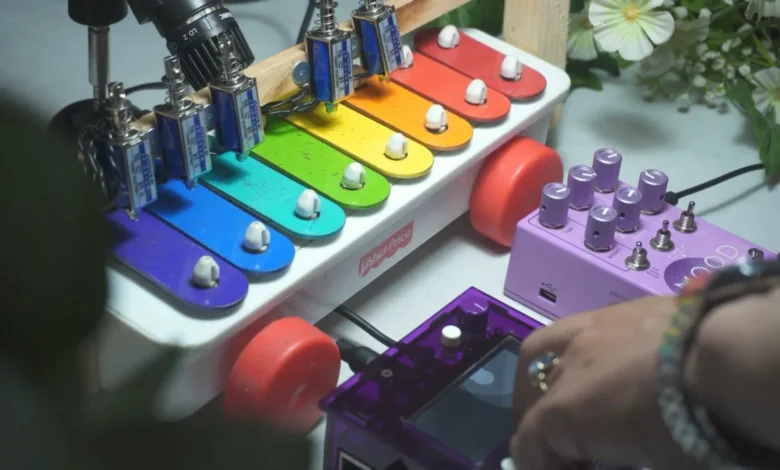
A particularly illustrative example of this methodology is the "Robo-Xylophone." This project showcases a xylophone where each bar is struck mechanically by a solenoid. The MIDI notes, which dictate the timing and intensity of these strikes, are generated by the "Bloom" script running on a Norns Shield. Bloom is a generative music engine known for its ability to create continuously evolving and unpredictable patterns, ensuring that each performance or playback is unique. The audio output from the solenoids is then further sculpted in real-time using a Chase Bliss MOOD MKII pedal, a device renowned for its ability to introduce lush textures, ambient washes, and dynamic atmospheric effects. This layering of mechanical precision with electronic processing results in a sound that is both intricate and deeply emotive.
The technical underpinnings of such creations often involve the integration of visual programming environments like Pure Data. Pd, a free and open-source visual programming language developed by Miller Puckette, is widely used in the academic and artistic communities for real-time audio and multimedia processing. The synergy between Pd and the electromechanical setup, as seen in demonstrations of the Pd patcher structure alongside the physical instruments, bridges the gap between abstract digital concepts and tangible sonic output. This fusion of cutting-edge software with the tactile, often nostalgic, elements of childhood toys or instruments—like a xylophone—highlights Kuro Kasetto’s unique artistic vision. The use of open-source tools democratizes the creation process, allowing for wider experimentation and innovation within the sound art community.
A Growing Presence in the Sound Art Scene
Kuro Kasetto’s distinctive sound art has been gaining traction across various online platforms. Generative solenoid-based kalimbas, for instance, have been circulating on platforms like Instagram, garnering attention for their hypnotic and evolving melodies. While the specific origin of this particular kalimba piece is not detailed, its recurring appearance in online art circles suggests a growing appreciation for this novel approach to instrument design and musical composition. The enduring appeal of these creations, even with repeated exposure, speaks to their inherent captivation and ability to foster a sense of wonder.
Further solidifying Kuro Kasetto’s reputation as a compelling live performer, an extended set recorded at Sinestesia, a notable venue in Mexico City, offers a comprehensive glimpse into their artistic capabilities. This performance, captured around the same time last year, showcases the artist’s ability to translate their intricate studio creations into an engaging live experience. The venue, Sinestesia, is known for its dedication to experimental and avant-garde music, providing an ideal backdrop for Kuro Kasetto’s unique sonic explorations. Such live performances are crucial for artists in this niche, offering a direct connection with audiences and a platform to demonstrate the dynamic nature of their generative systems.
The widespread recognition and dissemination of Kuro Kasetto’s work is facilitated by online platforms and artist collectives. The artist maintains a presence on link aggregation sites like Linktree, which serves as a central hub for all their creative endeavors, including links to their music, performances, and support platforms like Patreon. This strategic online presence is vital for independent artists seeking to build and engage with an audience in the digital age.
Data and Contextualization
The rise of electroacoustic music and sound art, as exemplified by Kuro Kasetto, is part of a broader trend in contemporary music that emphasizes conceptual depth, technological innovation, and the deconstruction of traditional musical forms. The global market for electronic music, which encompasses ambient, experimental, and IDM genres, has seen steady growth. While precise figures for the niche subgenre of solenoid-based sound art are unavailable, the increasing popularity of DIY electronic music and modular synthesis suggests a fertile ground for such innovative practices.
The use of solenoids in music is not entirely novel. Artists have explored electromechanical sound generation for decades, often incorporating repurposed industrial components or custom-built devices. However, Kuro Kasetto’s distinctive integration with modern generative music software and real-time audio processing elevates this practice to a new level of sophistication and artistic expression. The fusion of open-source hardware and software, coupled with a deep understanding of sonic texture and composition, positions Kuro Kasetto at the forefront of this evolving artistic field.
Broader Implications and Artistic Significance
Kuro Kasetto’s work challenges conventional notions of musical instruments and performance. By transforming utilitarian components into sophisticated sound generators, the artist invites a reevaluation of what constitutes music and who can be considered a musician. The emphasis on generative processes also introduces an element of unpredictability and organic evolution into the musical landscape, moving away from the often-rigid structures of traditional composition. This approach can foster a more contemplative and immersive listening experience, offering a respite from the fast-paced, often overwhelming, nature of modern life.
The open-source ethos that underpins much of Kuro Kasetto’s technical setup also has significant implications. By utilizing and contributing to free and open-source software and hardware communities, the artist not only democratizes access to advanced creative tools but also fosters a collaborative environment for innovation. This can inspire a new generation of musicians and sound artists to experiment with similar technologies, potentially leading to further advancements and diversification within the field.
The inspiration derived from Kuro Kasetto’s creations extends beyond the auditory realm. The visual aspect of these mechanical sound sculptures, with their intricate wiring and precise movements, often possesses an aesthetic appeal of its own. This interdisciplinary approach, where sound, technology, and visual art converge, contributes to the richness and complexity of the artist’s output.
A Source of Inspiration and Calm
In a world often saturated with noise and demands, Kuro Kasetto’s meticulously crafted soundscapes offer a much-needed sanctuary. The delicate interplay of mechanical precision and organic unpredictability creates a listening experience that is both intellectually stimulating and emotionally resonant. The artist’s dedication to exploring the sonic potential of solenoids and generative systems serves as a powerful testament to the boundless possibilities of creative innovation.
As Kuro Kasetto continues to evolve their practice and share their work with a global audience, their contributions to the realm of experimental music and sound art are likely to grow in significance. The artist’s unique ability to weave intricate sonic tapestries from the unlikely threads of solenoids and code offers a compelling vision for the future of music creation, one that is both technologically advanced and deeply human. The hope is that audiences will find, as the original article suggests, an ideal source of inspiration and calm through the weekend and beyond, with anticipation for more to come from this distinctive Mexican artist.