Gibson Victory Baritone Review: A New Chapter for a Reimagined 80s Icon

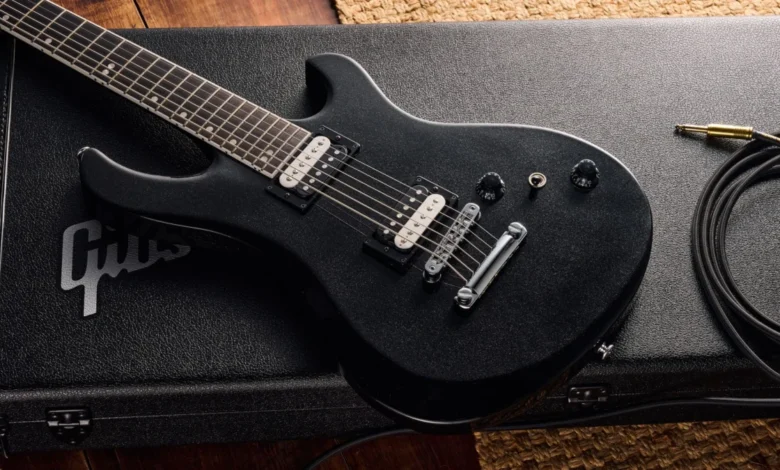
Two years after Gibson made the strategic decision to resurrect the Victory—a model originally introduced in the early 1980s as the company’s bold attempt to compete with the rising tide of super-strat style instruments—the Nashville manufacturer has expanded the line with a dedicated baritone iteration. This release marks a significant departure from the classic, traditionalist aesthetic historically associated with the brand, signaling a concerted effort by Gibson to capture the interest of modern metal and alternative rock musicians who require extended range and high-output performance.
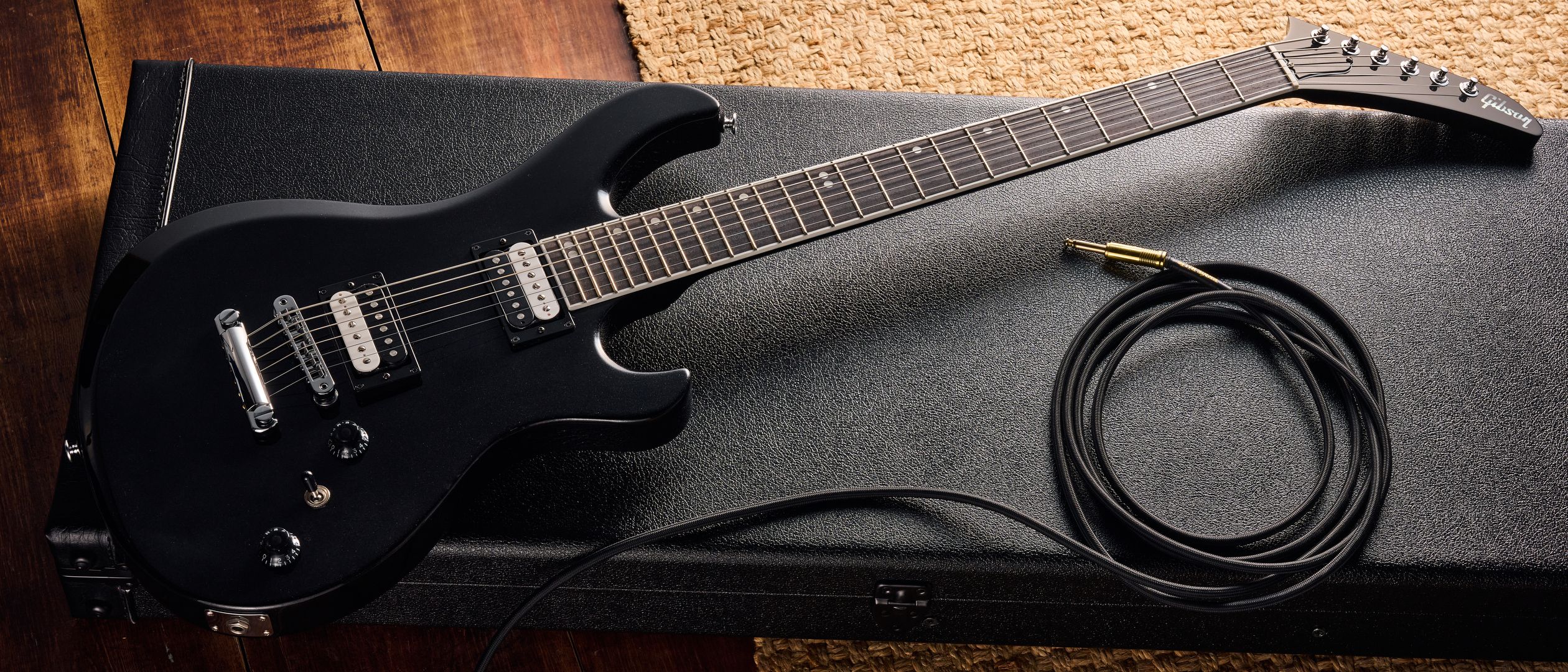
The introduction of the Victory Baritone follows a rapid succession of variants, including satin-finished models equipped with high-gain Dirty Fingers pickups, figured-top editions, and shred-oriented configurations featuring Floyd Rose locking tremolo systems. By extending the scale length to 28 inches and factory-tuning the instrument to B-standard, Gibson is clearly positioning this iteration as a heavy-duty, studio-ready tool designed to withstand the rigorous demands of modern low-tuned music production.
Chronology of the Victory Resurrection
The original Gibson Victory series, launched in 1981, was designed to challenge the dominance of brands like Ibanez and Jackson. However, the model was discontinued by 1984, relegated to the annals of guitar history as a niche collector’s item. The modern revival began in 2022, when Gibson leadership identified a market gap for a high-performance, double-cutaway model that bridged the gap between their vintage legacy and the contemporary requirements of modern heavy metal.
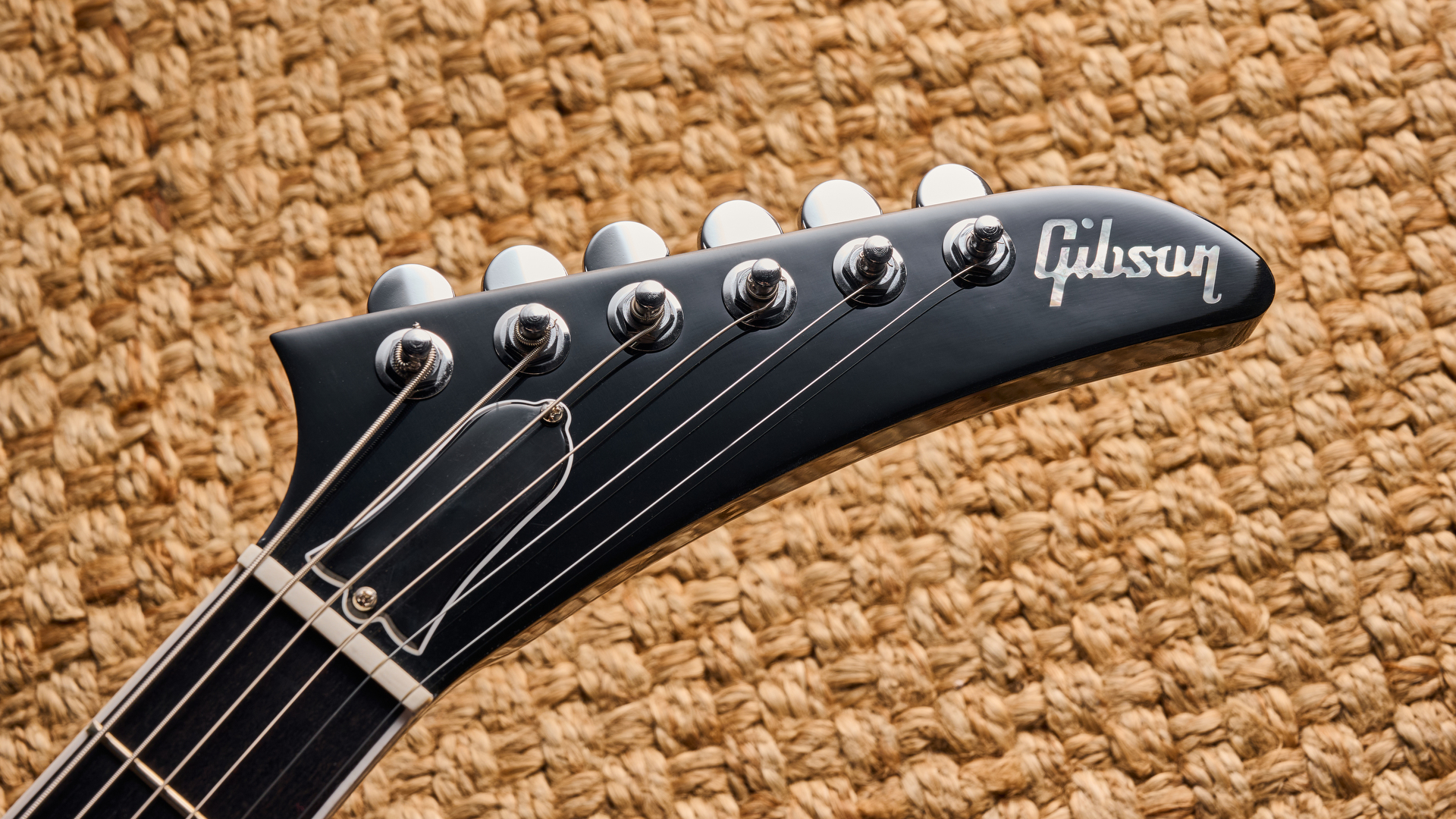
Since the initial re-launch, the Victory line has undergone a rigorous development process. The transition to a baritone platform represents the most radical shift in the platform’s specifications to date. The decision to prioritize a 28-inch scale length—a standard often found in specialized baritone instruments—demonstrates a technical acknowledgment of the physics required for low-tuning stability, providing the necessary string tension to maintain intonation and tonal clarity when tuned down to B or even A.
Technical Specifications and Engineering Choices
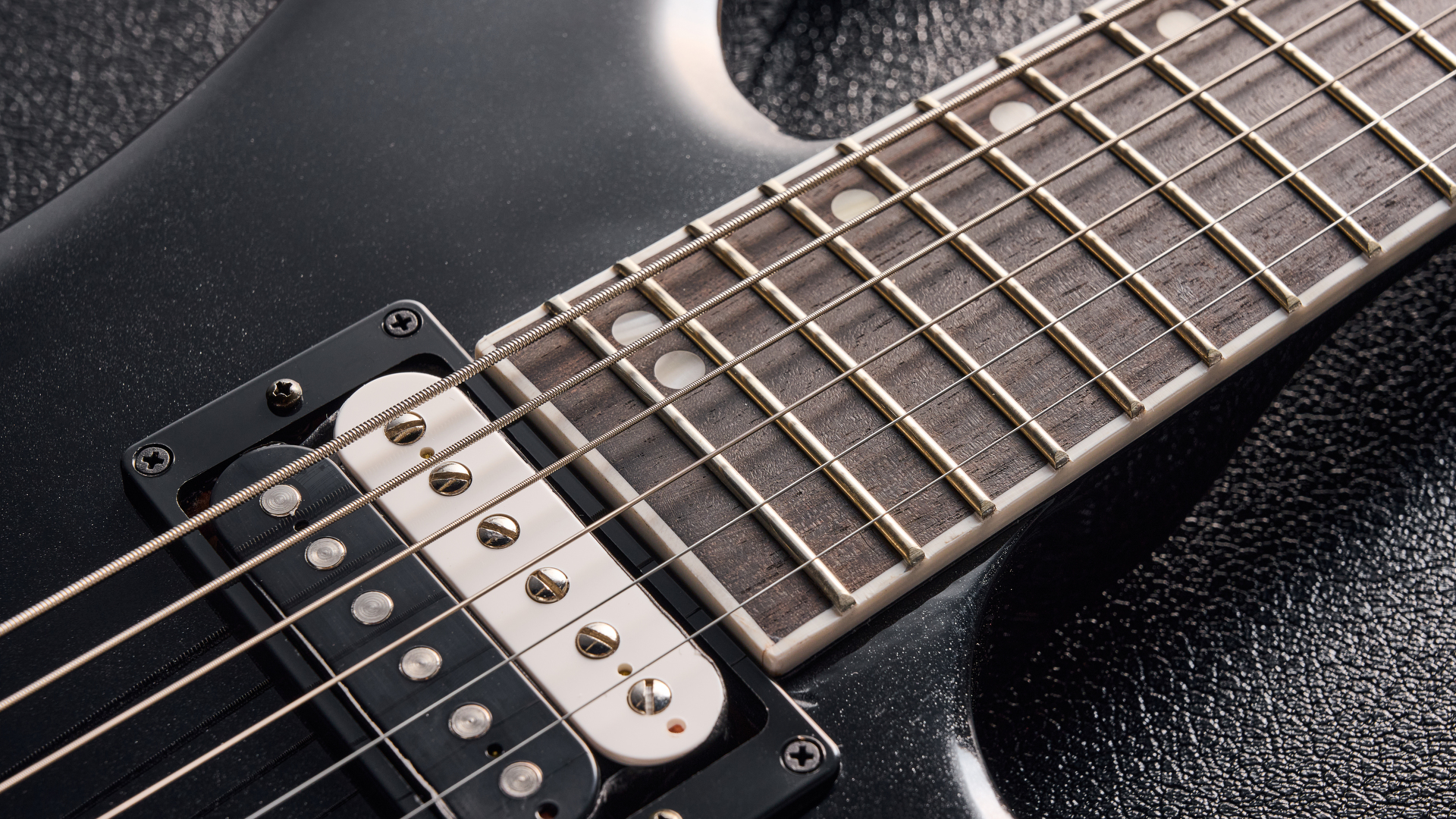
At the core of the Victory Baritone is a double-cutaway mahogany body, a material choice that ensures the resonance and sustain synonymous with Gibson instruments. The neck features a rounded C profile, paired with a compound radius ebony fingerboard that transitions from 10 inches at the nut to 16 inches at the higher frets. This design choice is critical; it facilitates comfortable chording in the lower register while providing a flatter, faster surface for lead playing in the upper frets.
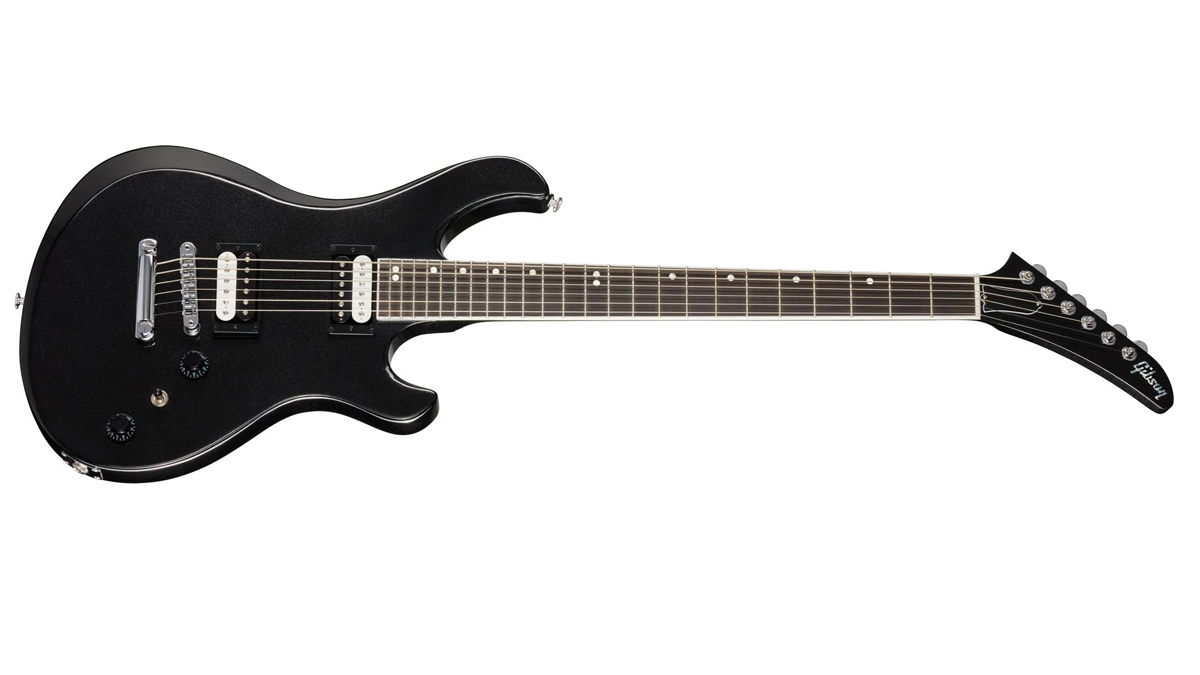
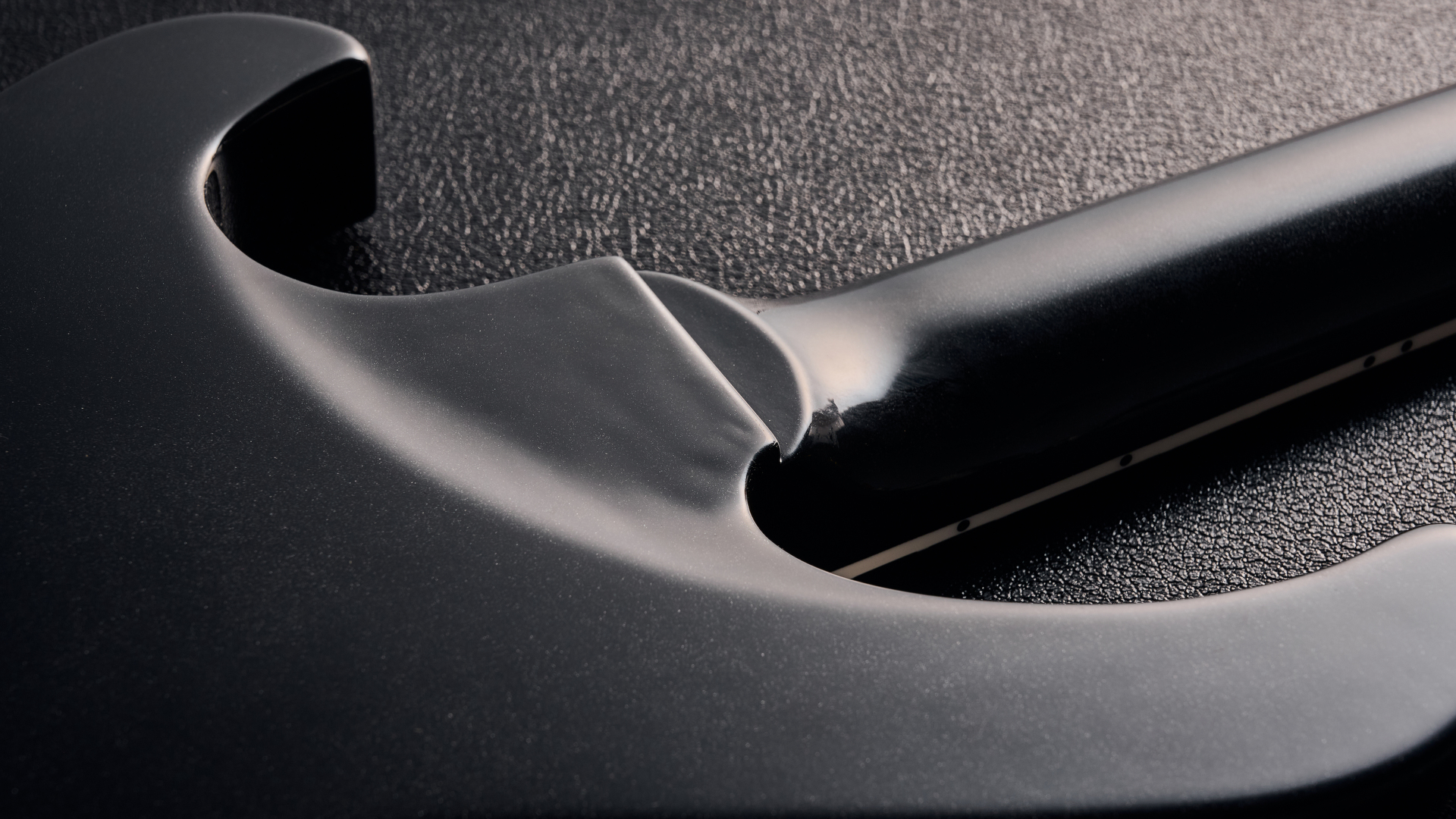
Perhaps the most notable engineering adjustment is the removal of the pickguard, a feature present on the standard Victory models. This decision is not merely aesthetic; by installing the electronics from the rear, Gibson has altered the instrument’s structural integrity and resonance profile. The removal of the pickguard also creates a cleaner, more minimalist silhouette that aligns with the visual language of modern, high-performance instruments.
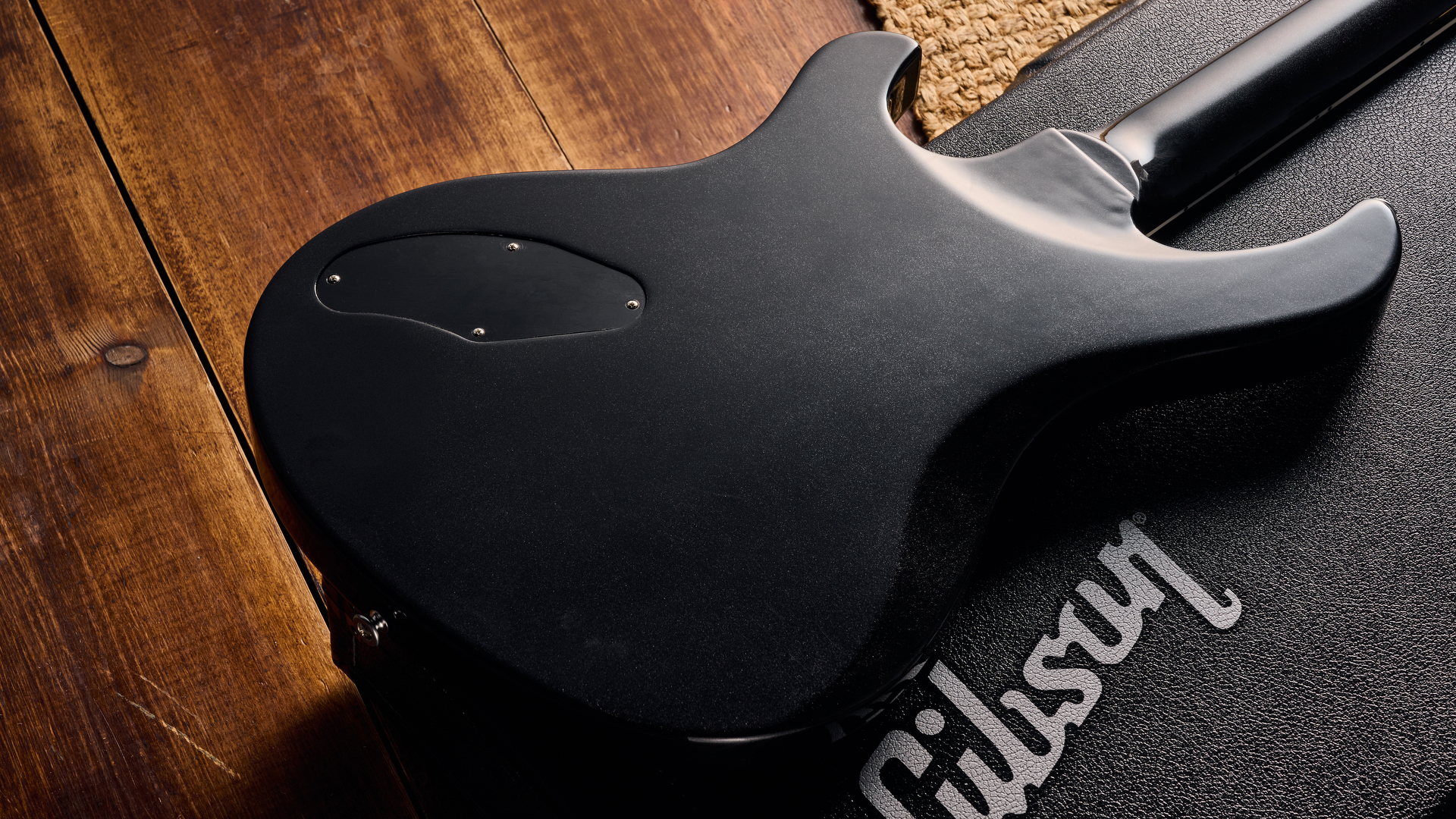
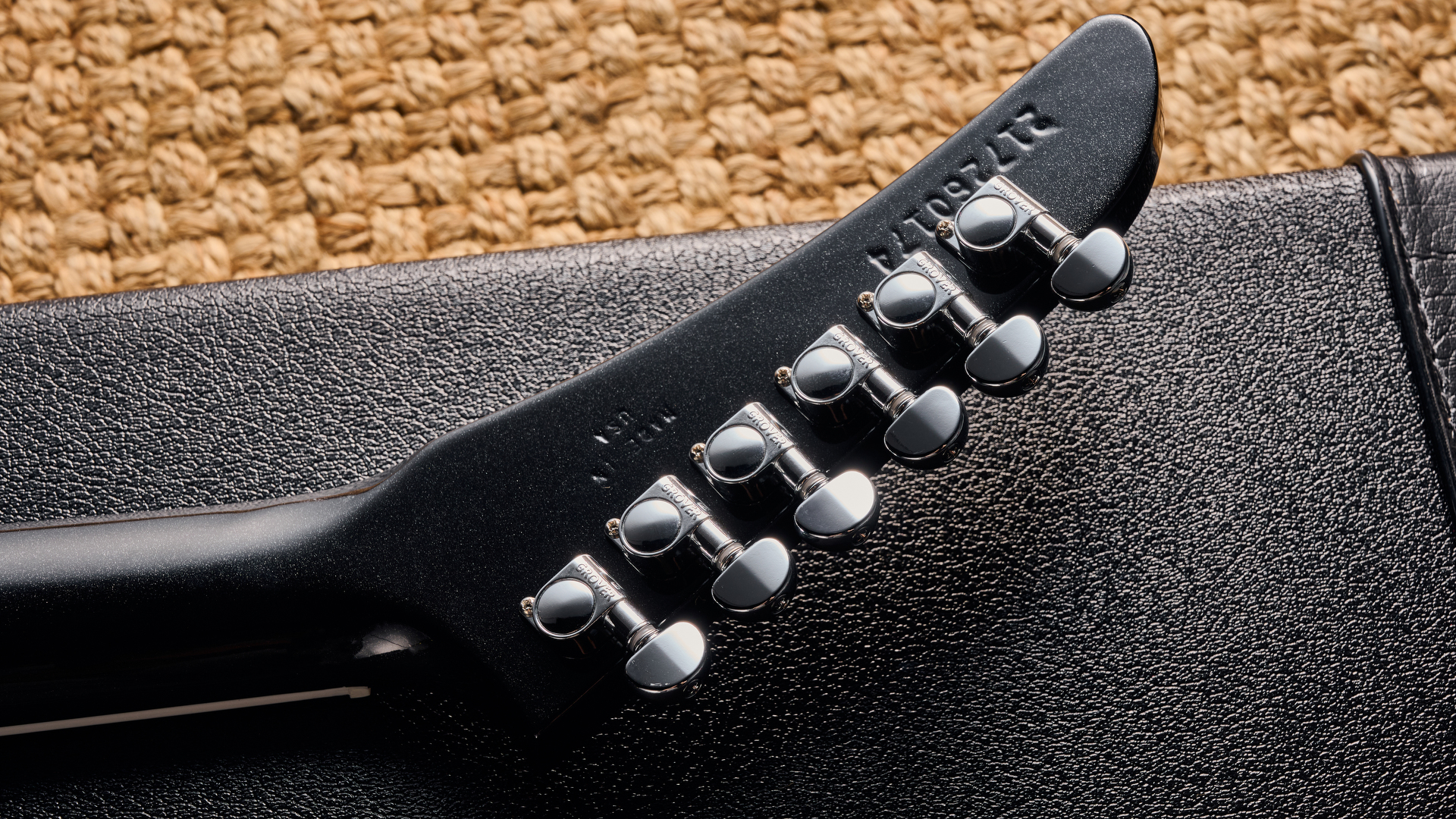
Hardware components include 24 medium-jumbo frets, acrylic dot inlays, a Graph Tech nut, and Grover Mini-Rotomatic tuners. The inclusion of these components highlights Gibson’s commitment to tuning stability, an essential requirement for any instrument designed for lower tunings. The guitar is shipped in an all-black hardshell case, underscoring its intended demographic of professional touring and studio musicians.
The Innovation of ELEV8 Pickups
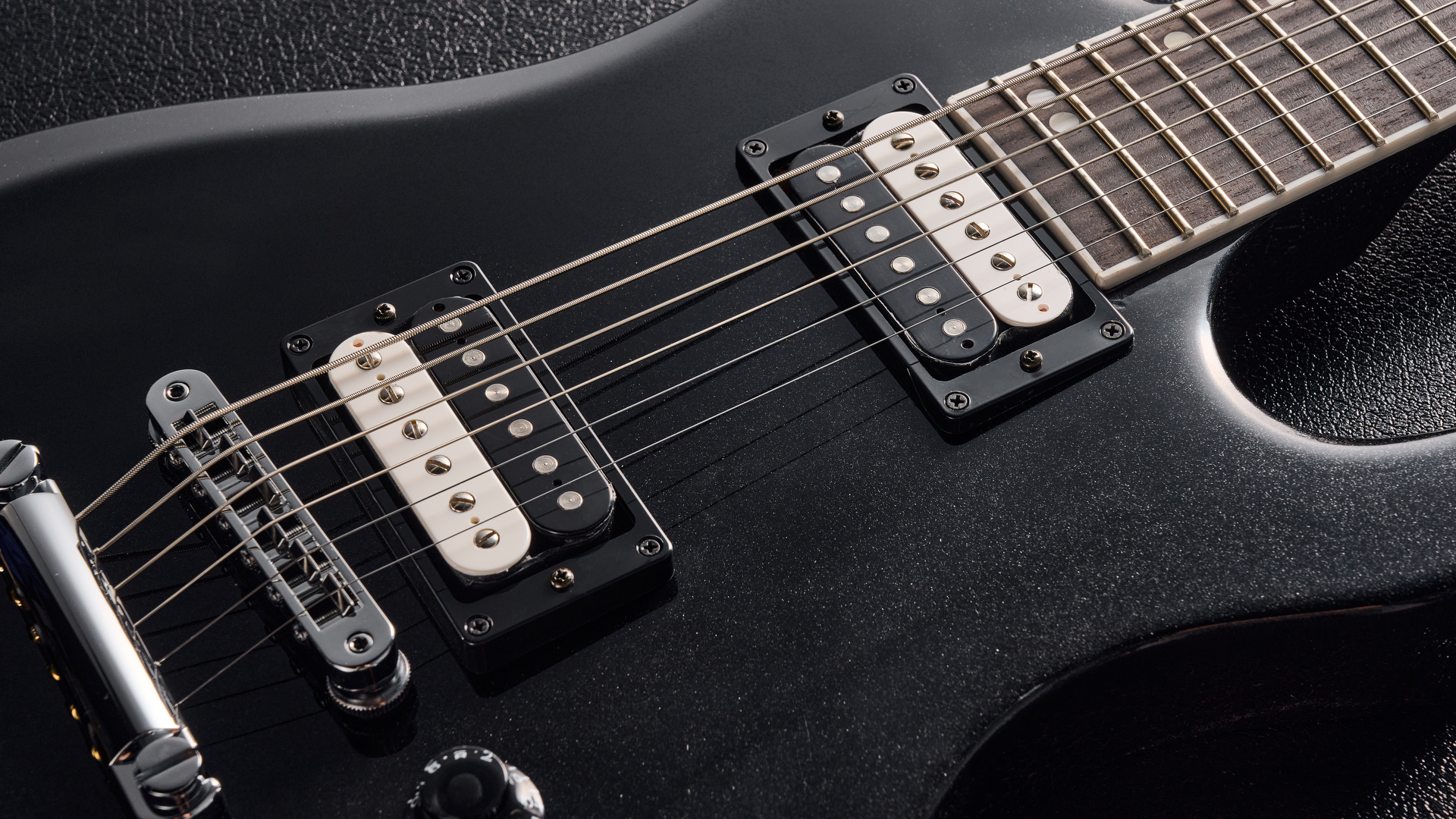
A central component of the Victory Baritone’s sonic identity is the debut of Gibson’s proprietary ELEV8 humbucker pickups. These pickups utilize Alnico 8 magnets and custom-gauge wiring, a configuration specifically chosen for its high output and aggressive frequency response. In field testing, these pickups have demonstrated a remarkable ability to remain articulate under high-gain conditions, a common failure point for standard humbuckers in baritone applications, which often suffer from "flubby" or muddy low-end frequencies.
The internal wiring allows for significant versatility, featuring push/pull volume controls for coil-splitting and push/pull tone controls for selecting between inner and outer coils. This level of control allows the player to access single-coil sounds, broadening the instrument’s utility beyond the metal genre. This hybrid approach to electronics is a direct response to the requirements of studio producers, who increasingly seek instruments capable of covering a wide sonic spectrum without requiring multiple guitar changes during a tracking session.
Performance and Ergonomics
Despite the increased scale length, the Victory Baritone maintains a weight of approximately 8.2 lbs. While this places it on the heavier side of the spectrum, the offset body design is engineered to distribute this mass effectively across the shoulder when standing. The absence of the traditional Gibson "fret-nib" binding—a hallmark of the company’s more traditional models—provides a smoother feel along the edge of the fretboard, which is particularly beneficial for rapid, high-intensity playing styles.
The factory setup, often a point of contention for high-end instruments, is configured for a 1.5mm action on the low E string. This provides a balance between playability and the necessary clearance for hard-hitting, percussive riffing. The compound radius fingerboard ensures that the transition between complex chords and melodic leads feels seamless, mitigating the discomfort often associated with the wider string spacing or longer reaches of baritone instruments.
Market Implications and Industry Context
The release of the Victory Baritone is a calculated move by Gibson to diversify its portfolio. By positioning the Victory as a "metal-centric" model, the company is actively courting a younger demographic that may have previously looked toward brands like ESP, Schecter, or PRS. This pivot is indicative of a broader industry trend where legacy manufacturers are under pressure to innovate beyond their core historical designs.
Statistically, the market for extended-range guitars has seen consistent growth over the last decade, driven by the popularity of genres such as progressive metal and djent. Gibson’s entry into this space suggests that the company is no longer content to act as a curator of its own past, but rather as an active participant in the current technical evolution of the electric guitar.
Comparative Analysis: The Broader Landscape
When placed against competitors, such as the Gretsch Electromatic CVT Baritone or the Sterling by Music Man StingRay Baritone, the Gibson Victory Baritone occupies a premium price tier. While the Gretsch offers a more vintage-inspired, surf-rock aesthetic and the Sterling offers a more accessible entry point for intermediate players, the Gibson differentiates itself through its build quality, high-output electronics, and the cachet of the brand’s heritage.
The "modern" label often applied to the Victory series is supported by the technical data provided by the instrument’s specs. Unlike the Les Paul or SG, which are defined by their 24.75-inch scale and specific resonance, the Victory Baritone feels like a clean-slate design. It does not attempt to replicate the "vintage sound" of the 1950s; instead, it aims for high-definition, immediate response and tuning precision.
Concluding Assessment
The Gibson Victory Baritone represents a successful synthesis of traditional craftsmanship and modern design requirements. By adopting a 28-inch scale length, opting for high-output Alnico 8 electronics, and refining the ergonomics to suit the modern player, Gibson has created an instrument that serves as a legitimate tool for contemporary heavy music.
The minor cosmetic imperfections, such as occasional lacquer checking, are characteristic of the thin nitrocellulose finishes favored by the brand, and they do not detract from the structural performance of the instrument. For players who require a reliable, high-output, and versatile guitar that can handle down-tuning without compromising on tonal clarity, the Victory Baritone offers a compelling alternative to the standard market offerings. As Gibson continues to refine the Victory line, this baritone model sets a high bar for what the brand can achieve when it leans into the demands of modern, genre-agnostic musicianship. The implications for the brand’s future are clear: Gibson is prepared to compete at the technical edge of the industry, and the Victory platform is the vehicle through which it intends to do so.