Sndstation Transforms Cheap Handheld Gaming Consoles Into Powerful Linux Music Workstations

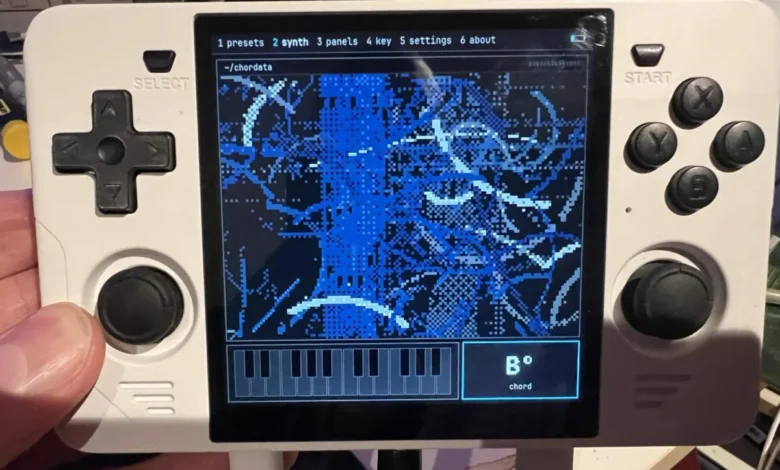
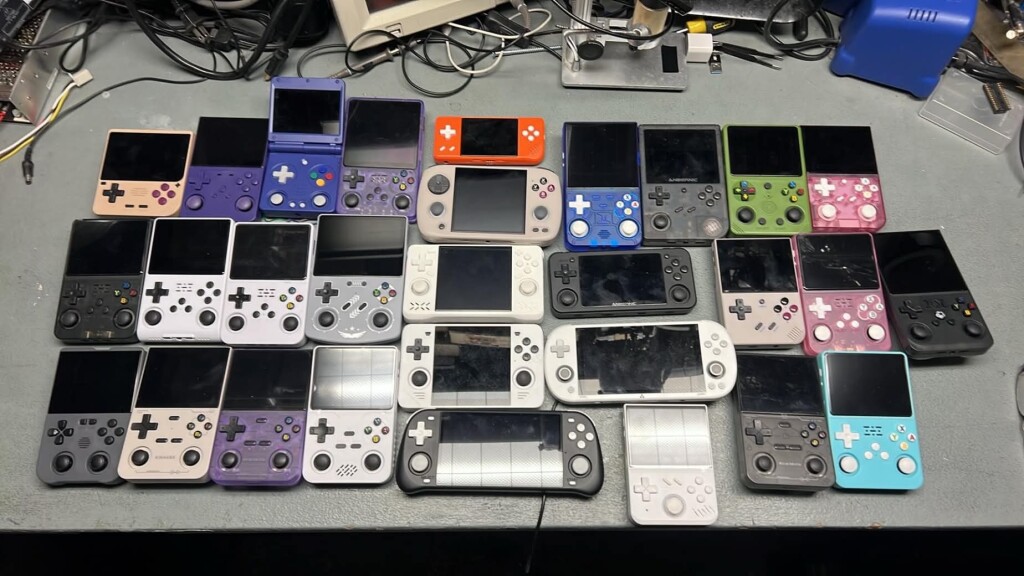
The landscape of consumer electronics is increasingly defined by the rapid churn of inexpensive hardware. In the handheld gaming sector, devices powered by the Rockchip RK3326 chipset—a staple of the affordable retro-gaming market since 2020—have flooded the global supply chain. While these devices provide an accessible entry point for nostalgic gaming, their low price point and proprietary software stacks often relegate them to the status of e-waste once the novelty fades. A newly announced open-source initiative, Sndstation, seeks to disrupt this cycle by repurposing these ubiquitous handhelds into high-performance, Linux-based digital audio workstations (DAWs).
The Genesis of the Project
The Sndstation initiative represents a collaborative effort among some of the most respected names in software synthesis and audio engineering. The project is spearheaded by David Viens of Plogue, known for his work in reverse-engineering classic sound hardware and developing high-fidelity synthesis plug-ins. Joining him is a coalition of developers including Audio Damage, the team behind the open-source Surge synthesizer (Baconpaul), Chad Beckwith of Fisound, and the developer known as herrprof of TOiVille.
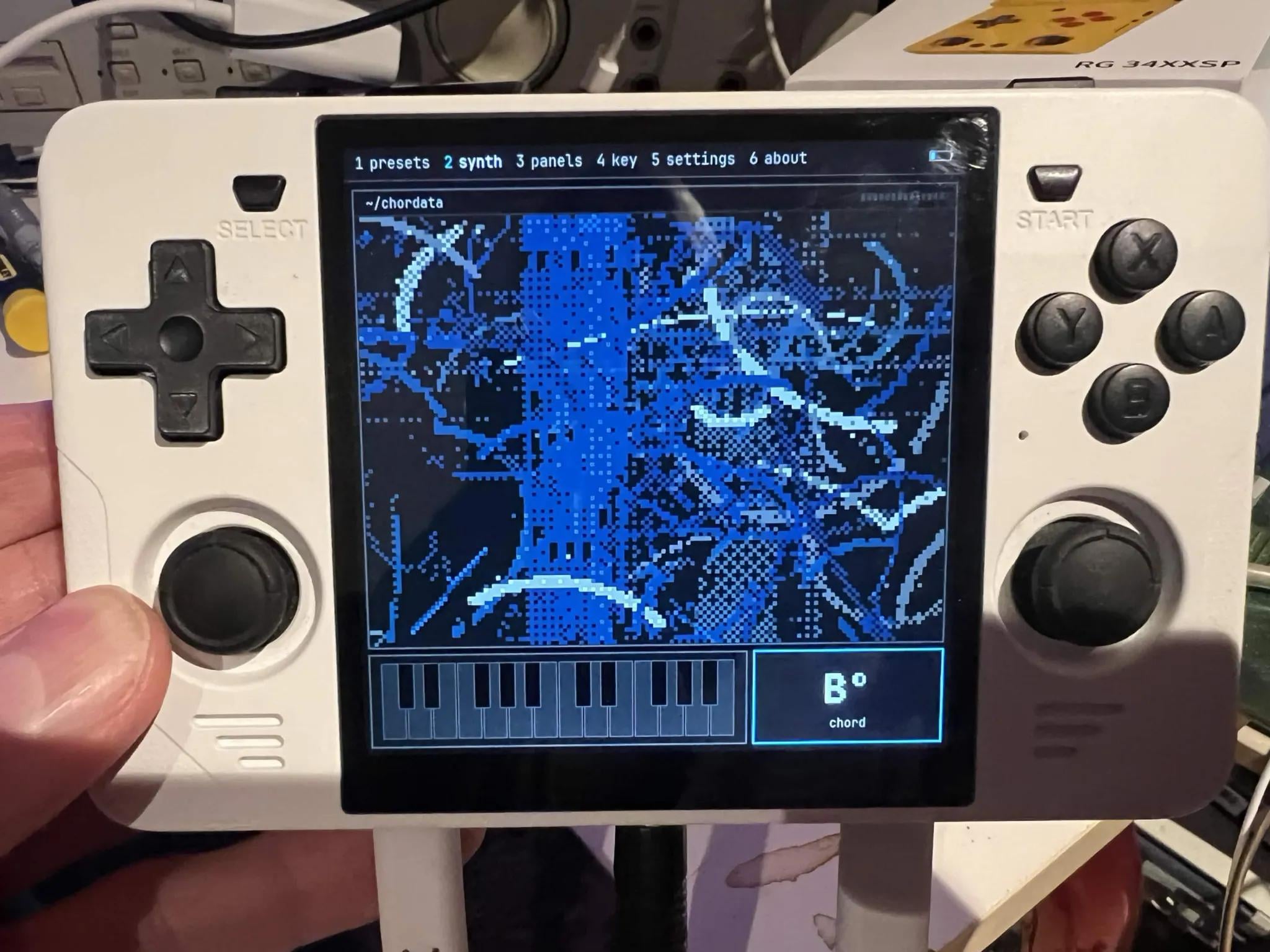
Unlike proprietary corporate projects, Sndstation is being built as an open-source, community-driven ecosystem. The primary objective is to develop a lightweight, specialized Linux distribution that abstracts the complexities of the device’s hardware—such as its analog sticks, D-pads, and physical buttons—into a functional musical interface. This allows musicians to utilize these pocket-sized consoles as portable synthesizers, sequencers, and effect processors.
Technical Architecture and Compatibility
At the core of the Sndstation project is the ability to run standard CLAP (CLever Audio Plug-in) files, an open-source standard for audio software. Because the project utilizes a Linux-based architecture, any CLAP plug-in compiled for the aarch64 (ARM 64-bit) architecture is theoretically compatible with the system.
The "Sndstation" application acts as the front-end interface, managing plug-ins globally and providing a hardware abstraction layer. This layer ensures that the device’s physical controls are mapped effectively to audio parameters. Furthermore, the inclusion of MIDI 2.0 support—a standard that is currently lagging in adoption across many professional desktop DAWs—positions this $40 hardware as a surprisingly advanced tool for modern electronic production.
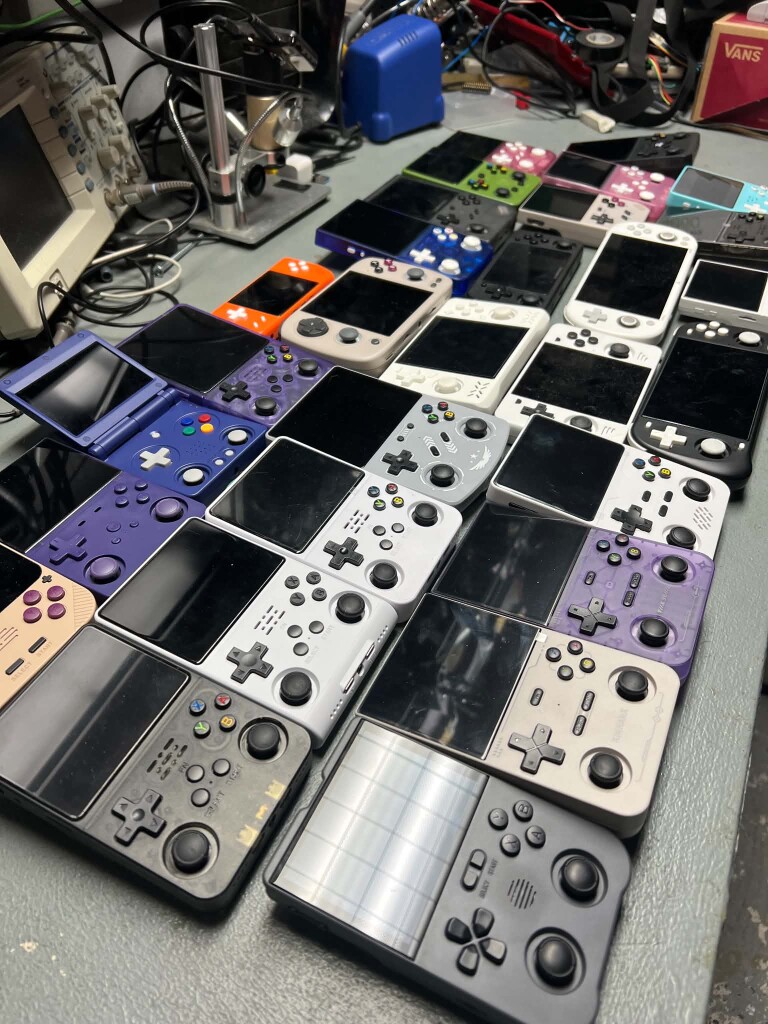
The project currently targets devices equipped with the Rockchip RK3326 chipset, which typically features 1GB of RAM. While modest by modern desktop standards, this hardware is more than sufficient for high-quality audio synthesis when running a stripped-down, optimized Linux environment. Developers are also investigating support for the Allwinner H700 chipset, expanding the potential pool of donor hardware significantly.
A Chronology of E-Waste and Innovation
The proliferation of "gray market" gaming devices began in earnest around 2019 and 2020. These devices, often manufactured in Shenzhen, China, were initially designed to run open-source emulators like RetroArch. However, they were often sold with restrictive, closed-source operating systems that limited user agency.
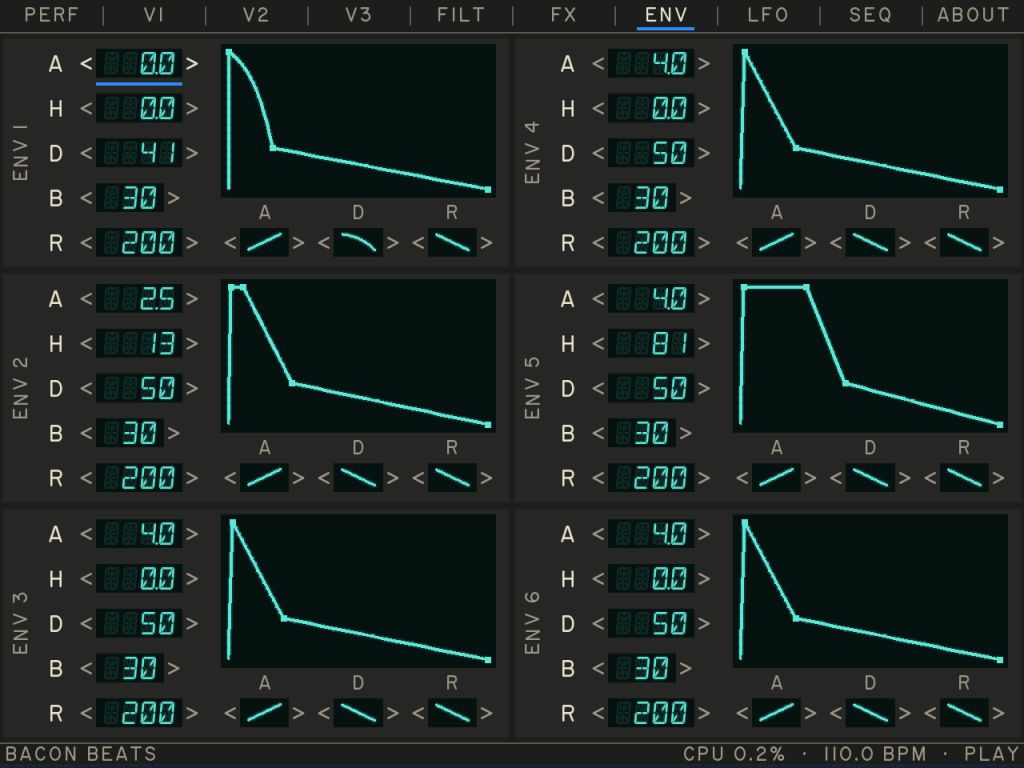
The Sndstation project marks a shift in how these devices are viewed by the enthusiast community. Instead of viewing the RK3326-based hardware as disposable toys, developers are treating them as low-cost embedded computers. By migrating these devices from proprietary gaming operating systems to a dedicated musical Linux distro, the project extends the product life cycle of millions of units currently sitting in warehouses or destined for landfills.
Industry Implications and the "Slopapotamus" Discourse
The development of Sndstation arrives during a period of intense industry scrutiny regarding the commodification of creative tools. Chris Randall of Audio Damage recently articulated a growing sentiment within the independent software developer community regarding the influx of AI-generated content and "low-effort" software products. In an essay titled Slopapotamus, Randall critiques the trend of flooding digital marketplaces with automated, soulless tools that prioritize quantity over craftsmanship.
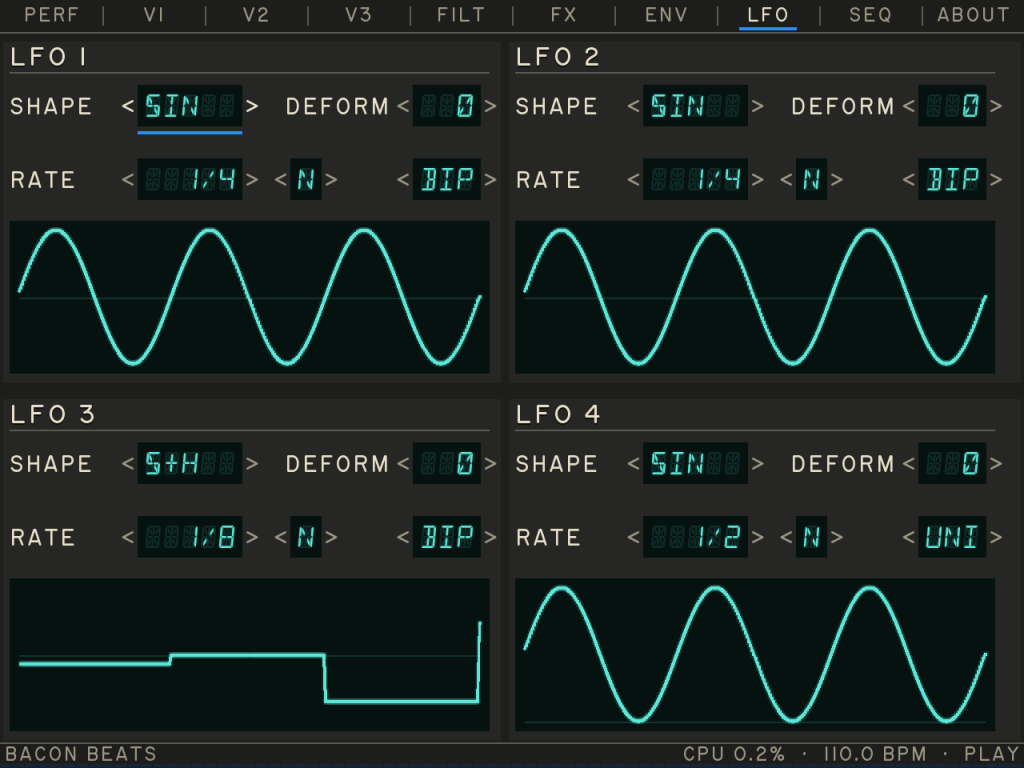
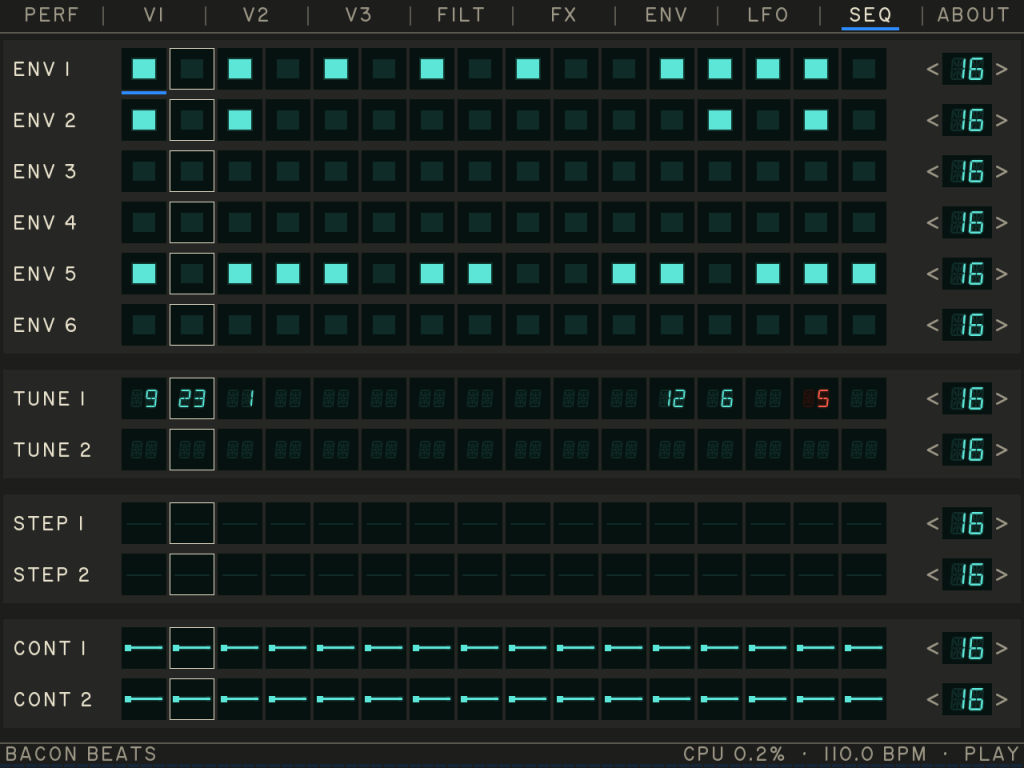
Sndstation stands in direct opposition to this trend. By focusing on manual, high-fidelity synthesis and providing a platform for established developers to release tools for a niche hardware form factor, the project prioritizes human ingenuity. It creates a space where a developer can release a bespoke sequencer or instrument—such as the new sequenced instrument from the Surge team, "baconbeats"—without the interference of algorithmic bloat.
Broader Impact on Electronic Music
The history of electronic music is replete with examples of hardware being repurposed for creative ends. The Game Boy, for instance, became an unlikely titan of the chiptune movement through the development of software like LSDJ and Nanoloop. Sndstation is attempting to replicate this phenomenon, not by relying on a single piece of iconic hardware, but by leveraging the mass-produced, modular nature of modern ARM-based handhelds.
By creating a standardized platform that supports MIDI 2.0 and high-quality plug-ins, the team behind Sndstation is effectively lowering the barrier to entry for portable hardware performance. This has several implications for the music industry:
- Democratization of Hardware: Musicians in regions with limited access to expensive studio equipment can gain access to sophisticated synthesis tools for the price of a budget gaming console.
- Sustainability: The project serves as a model for circular technology. By providing a software path to extend the utility of hardware, it reduces the volume of electronic waste generated by the consumer gaming market.
- Community-Driven Standards: By championing the CLAP format and open-source Linux drivers, the project encourages a more collaborative and interoperable approach to audio software development.
Future Outlook and Development Roadmap
As of October 2026, Sndstation remains in an active development phase. There is no public release version available for download, and the team has maintained a cautious approach to deployment to ensure the stability of the system. The project leaders have emphasized that the goal is to create a reliable environment that does not "brick" the user’s hardware—a common risk when flashing custom firmware onto cheap handhelds.
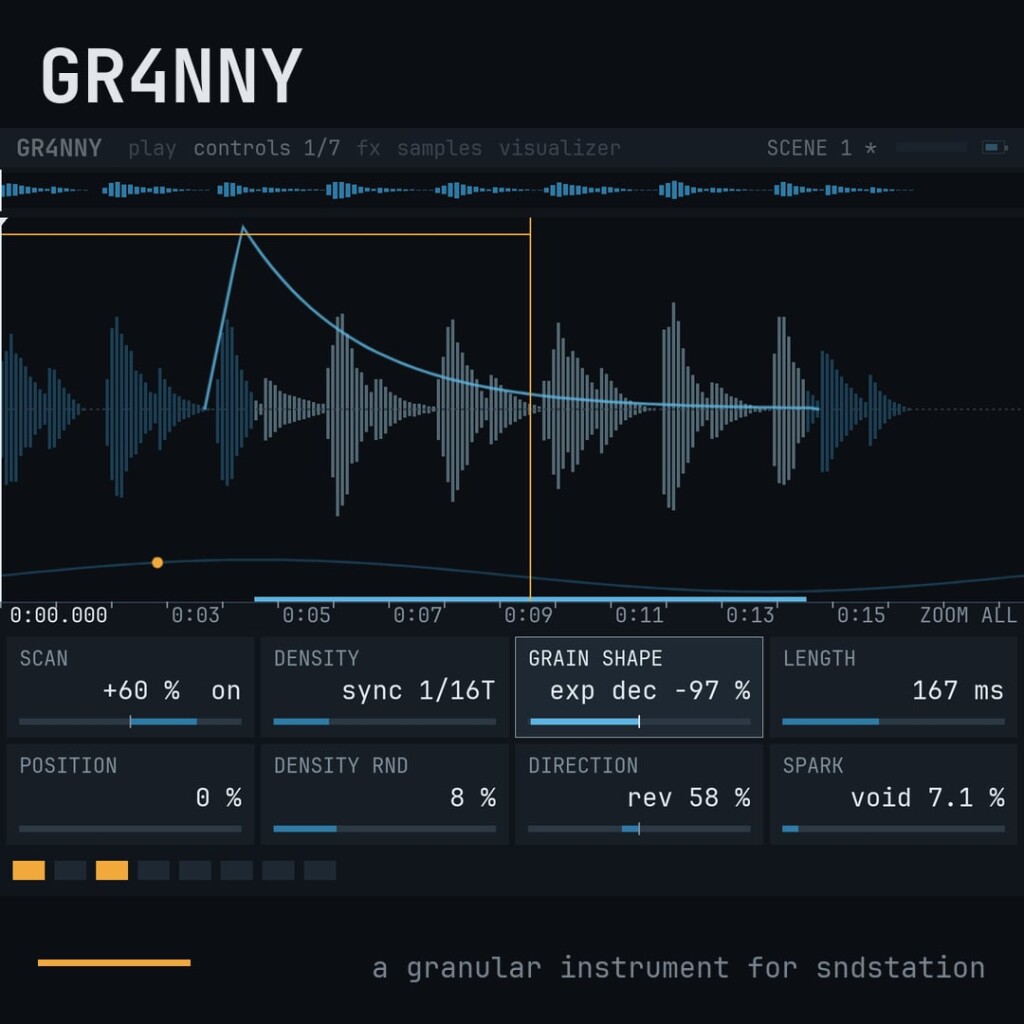
Future updates are expected to be disseminated through the project’s official social channels, specifically their presence on the BlueSky platform. For those looking to participate, the project is structured as an open-source endeavor, inviting contributions from developers familiar with Linux kernel optimization, hardware abstraction, and audio signal processing.
The emergence of Sndstation highlights a critical juncture in the intersection of gaming hardware and creative software. While the tech industry continues to push for faster, more expensive, and more disposable hardware, initiatives like Sndstation prove that innovation often lies in the thoughtful repurposing of existing resources. By turning "gray goo" into a legitimate musical instrument, the Sndstation team is proving that the most sustainable and inspiring technology is often that which is built with intention, community, and respect for the underlying code.