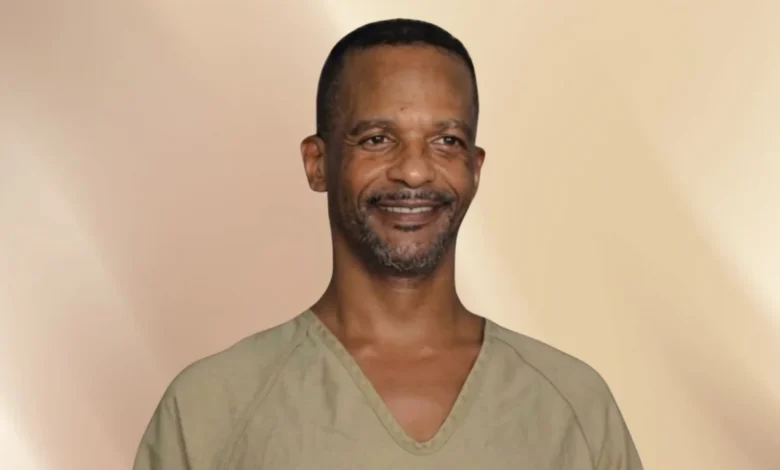
The landscape of internet celebrity culture continues to be defined by volatility, and the latest controversy involving social media personality Charleston White has placed him at the center of a severe legal and public relations crisis. On Saturday, September 12, 2026, White was taken into custody by the Hollywood Police Department in Florida following allegations of battery. This arrest, which follows a pattern of legal instability for the influencer, has escalated into a public confrontation between White and his alleged girlfriend, who has leveled accusations of systemic physical and emotional abuse against him.
The Sequence of Events: A Chronology of Conflict
The events leading to the intervention of law enforcement began, according to public statements, in the days preceding the September 12 arrest. The complainant, who identifies as @realkaypretty on social media platforms, released a detailed account of the alleged abuse shortly after White’s apprehension.
In her statement, she alleges that the conflict originated from a physical altercation on the night of September 11, which she claims was followed by a secondary incident on the morning of September 12. According to her testimony, White allegedly woke her with physical violence, utilized degrading language, and engaged in the unauthorized removal of her personal belongings, including jewelry, financial assets, and high-end apparel.
White was released on bond shortly after his booking. Following his release, he utilized his platform to address the allegations directly, providing a starkly different account of the situation. He framed the incident not as an act of abuse, but as a dispute over property recovery. White asserted that he was attempting to reclaim approximately $60,000 worth of designer goods that he had previously gifted to the woman.
Conflicting Narratives and Legal Defense
In a video response disseminated to his followers, White vehemently denied the battery allegations. He stated, “I do not put my hands on a woman,” and claimed that any physical confrontation was purely defensive in nature. White’s narrative suggests that the complainant initiated the violence when he attempted to retrieve the items he identified as his own.
Furthermore, White claimed the presence of physical evidence—specifically blood on the walls—was the result of his own injuries sustained during the struggle. He contended that the police arrival necessitated an arrest due to the domestic nature of the call, suggesting that both parties could have been detained. White maintains that he has secured six witnesses who are prepared to corroborate his version of events, signaling an intent to contest the charges vigorously in court.
Legal Precedent and Pattern of Arrests
This incident in Florida is not an isolated event in the recent legal history of Charleston White. His arrest record reflects a recurring theme of run-ins with law enforcement over the past several months. Notably, in August 2026, just one month prior to the Hollywood, Florida incident, White faced legal complications in Texas.
During that arrest, he was charged with multiple offenses, including the possession of a weapon, possession of marijuana, and operating a vehicle without a valid driver’s license. These sequential legal entanglements have led observers to monitor his career trajectory with increasing concern. The frequency of these arrests—spanning two states within a thirty-day window—highlights a period of significant instability for the influencer, who has built his brand on a persona characterized by inflammatory rhetoric and confrontational behavior.
Contextual Factors and External Pressures
Analysts tracking White’s social media presence have noted that his behavior leading up to the September arrest was marked by heightened agitation. Reports indicate that White was publicly frustrated following the legal proceedings surrounding Lil Durk. White had allegedly anticipated a conviction in that case and had made plans for a public celebration. When the outcome did not align with his expectations, he took to social media to vent his frustrations, a pattern that some observers suggest may have contributed to his overall volatility during the days leading up to his arrest.
The combination of the Lil Durk verdict fallout and his existing legal stress in Texas appears to have created a cumulative effect on White’s public conduct. While there is no direct evidentiary link between his disappointment regarding the verdict and the battery charge, the timing suggests a period of elevated personal tension.
The Role of Social Media in Modern Legal Disputes
The escalation of this matter into the public sphere represents a modern trend in domestic disputes involving public figures. By utilizing platforms like Instagram and YouTube to share photographic evidence of injuries and detailed written statements, the complainant has effectively bypassed traditional media channels, forcing a public trial by social media.
Conversely, White’s reliance on video-based rebuttals is a hallmark of his engagement strategy. By addressing his followers directly, he seeks to maintain his narrative control, a tactic he has used throughout his career to defend against various controversies. However, this strategy carries inherent risks; statements made on social media can be scrutinized by prosecutors and defense attorneys alike during formal legal proceedings.
Broader Implications for Influencer Accountability
The legal and ethical implications of this case extend beyond the individuals involved. As social media personalities occupy an increasingly influential space in public discourse, the expectations for their conduct have become a subject of broader societal debate. When an influencer faces allegations of domestic violence, the impact on their brand and their professional partnerships is often immediate.
In the case of Charleston White, the gravity of the battery charge, combined with the detailed allegations of financial and spiritual abuse, could lead to a significant reassessment of his viability as a public figure. Advertisers and platforms that have historically provided space for his content may find it increasingly difficult to ignore the pattern of arrests and the nature of the specific allegations.
Analysis of Potential Legal Outcomes
From a legal standpoint, the case will likely hinge on the gathering of evidence beyond the conflicting statements provided by the two parties. Investigators will be tasked with reviewing any available surveillance footage, forensic reports from the scene, and the testimonies of the witnesses mentioned by White.
If the prosecution moves forward, the defense will likely emphasize the lack of prior history between the parties that could corroborate a pattern of abuse, while the prosecution will likely lean on the photographic evidence provided by the complainant to establish the severity of the alleged battery. The fact that White was already out on bond for separate charges in Texas could also complicate his legal standing, as prosecutors may argue that he represents a risk of continued criminal conduct.
Conclusion
The arrest of Charleston White in Hollywood, Florida, serves as a poignant example of the intersection between digital fame and the realities of the criminal justice system. As the case moves toward potential litigation, both the public and legal observers will be watching to see how the evidence reconciles the competing narratives of physical assault and defensive property retrieval.
For the time being, White remains in a precarious position. With two sets of active charges in two different states, the upcoming months will be pivotal in determining whether his brand of provocation will continue to dominate the social media landscape or if he will be forced to retreat from the public eye to address his mounting legal burdens. The incident serves as a stark reminder of the complexities inherent in the lives of those who live—and often suffer—under the relentless gaze of the internet.