Jena Launches Inaugural Long Night of Club Culture to Revitalize Local Nightlife Scene

On October 23, 2026, the city of Jena will host its inaugural Long Night of Club Culture, an ambitious initiative designed to bridge the gap between diverse underground music venues and the local public. By implementing a unified ticketing system that grants access to nine distinct cultural spaces for a flat fee of 16 euros, organizers aim to stimulate participation in the city’s nightlife ecosystem. This event, which functions under the guiding principle of "One Night. One Ticket. Multiple Cultural Venues," seeks to address shifting social habits among younger generations and reinvigorate the regional club scene following years of post-pandemic structural instability.
Genesis and Vision of the Initiative
The concept for the Long Night of Club Culture originated from a series of strategic consultations led by Christoph Litwinov, a prominent figure in the local night-culture sector and a former security professional with deep ties to Jena’s nightlife. Litwinov, serving as the primary coordinator, initiated the project after identifying a disconnect between independent venue operators and their target audiences. Recognizing that the post-pandemic landscape necessitated a more collaborative approach, Litwinov convened representatives from various clubs for a series of structured planning sessions.
"I brought the stakeholders together to engage in direct, collaborative dialogue," Litwinov noted in an interview with Takt Magazin. The objective was to move beyond the siloed operations of individual venues and create a cohesive network that could leverage collective resources. Over several months, these sessions evolved from informal discussions into a rigorous operational framework, encompassing the development of unified ticketing logistics, synchronized marketing strategies, and the drafting of comprehensive awareness concepts to ensure safety and inclusivity across all participating locations.
A Diverse Array of Participating Venues
The event encompasses a broad spectrum of sonic and atmospheric experiences, reflecting the eclectic nature of Jena’s cultural landscape. The participating venues include the Café Wagner, the Mikro Club, the Planetarium, the Kassablanca, the Rosenkeller, the Spacement, the Haus auf der Mauer, and the KuBa Jena. Each site has curated a specific program designed to showcase its unique identity while contributing to the city-wide narrative of the evening.
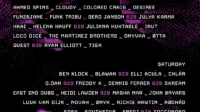
At the Café Wagner, the focus is placed firmly on the underground aesthetic. The night will commence with an opening set by GraveyardPrinzess, whose wave-inspired soundscapes are intended to set a contemplative tone. This will be followed by a live techno performance from the artist Bassratte, with further late-night programming provided by the AML crew. Concurrently, the Mikro Club is positioning itself as a hub for experimental electronic music, strictly avoiding mainstream conventions to cater to an audience seeking specialized sonic textures.
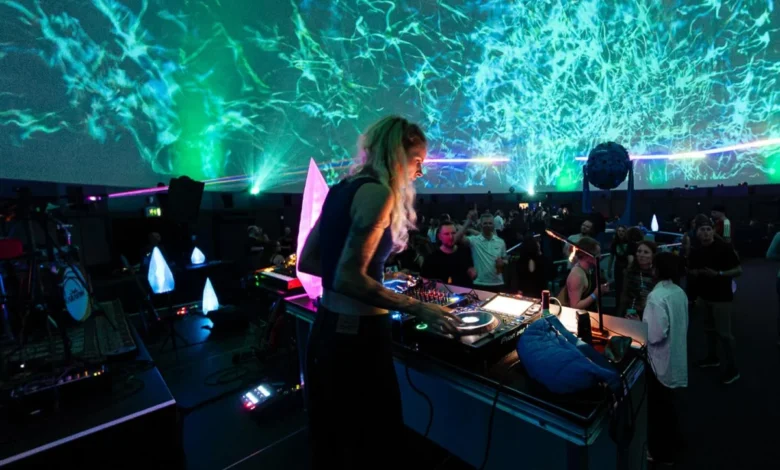
The inclusion of the Planetarium represents a significant departure from traditional club environments, utilizing the unique acoustic properties of the dome. 12inchkid will curate a session featuring ambient and downbeat compositions, later transitioning into a set by Phoebe, whose focus on Balearic House, Nu Disco, and Groovy House will provide a more upbeat cadence to the venue’s celestial backdrop. This spatial diversity is a calculated effort to expose attendees to genres and environments they might not typically encounter on a standard weekend outing.
Chronology and Operational Framework
The organizational timeline for the event reflects a shift in how mid-sized German cities are approaching cultural urban planning. The initial planning phase began with the identification of shared challenges: declining attendance numbers, rising operational costs for independent venues, and a perceived lack of visibility for non-commercial nightlife.
By late 2025, the coalition had formalized their partnership, securing the necessary support to integrate ticketing platforms. Throughout 2026, the focus shifted to marketing and the implementation of an "Awareness Concept," a set of protocols designed to prevent harassment and promote a safer, more inclusive environment for all attendees. This includes training for venue staff and the deployment of awareness teams throughout the participating locations during the night of October 23.
Broader Impact and Industry Analysis
The Long Night of Club Culture arrives at a critical juncture for German nightlife. Data from the German Live Entertainment Industry Association (BDKV) and various local nightlife commissions suggest that while demand for live events remains high, the cost-of-living crisis and changing consumption patterns among Gen Z and Millennials have altered the frequency of club attendance.
Economically, the project functions as a localized stimulus package. By reducing the "barrier to entry"—a single 16-euro ticket replaces the need for individual cover charges at every venue—the initiative lowers the financial risk for participants who wish to explore multiple clubs. From an urban planning perspective, this event serves as a pilot study for "Night-Time Economy" (NTE) management. Cities across Europe, including Berlin, London, and Amsterdam, have increasingly recognized that a vibrant nightlife is a prerequisite for attracting talent and maintaining social cohesion in metropolitan areas.
The Jena model is particularly noteworthy for its focus on grassroots coordination. Unlike large-scale, corporate-sponsored festivals, the Long Night of Club Culture is a product of horizontal cooperation. If successful, the event could provide a blueprint for other medium-sized cities in Thuringia and beyond, demonstrating how collective bargaining and shared branding can sustain independent cultural infrastructure.
Sociological Implications of the Event
The initiative also addresses a sociological shift in nightlife behavior. Younger demographics, influenced by digital-first socialization, are increasingly discerning about where they spend their time and money. The curated, multi-venue nature of the Long Night allows for a "curated discovery" experience, where attendees are encouraged to move fluidly between the experimental electronics of the Mikro Club and the live, organic instrumentation found at venues like the Café Wagner.
Furthermore, the emphasis on an "Awareness Concept" highlights the industry’s ongoing professionalization. Nightlife is no longer viewed merely as a commercial enterprise but as a vital component of public social health. By prioritizing safety and inclusivity, the organizers are attempting to rebuild the trust that was strained by years of restricted social gatherings.
Future Outlook and Sustainability
As the date for the inaugural event approaches, the focus for the organizers remains on execution and data collection. The success of the October 23 event will likely be measured by more than just ticket sales; it will be evaluated based on the flow of foot traffic between venues, the demographic diversity of the attendees, and the feedback from the venue operators regarding the feasibility of the model as a recurring annual event.
For the city of Jena, the Long Night of Club Culture represents a symbolic reclamation of the night. It challenges the notion that cultural vitality must be confined to major metropolitan centers. By leveraging its existing cultural assets and fostering a spirit of collaboration, the city is signaling a commitment to the preservation of its underground spaces.
Those interested in the specific set times, logistical updates, and the full map of participating venues are encouraged to consult the official portal at nachtkultur-jena.de. As the project matures, it is expected that the organizational framework will be refined, potentially leading to the inclusion of additional venues or the expansion of the programming to cover multiple nights in the future. For now, the focus remains on ensuring that the October 23 event establishes a solid foundation for the long-term sustainability of Jena’s nightlife sector.