Apple AirPods 5 vs AirPods 4: A comprehensive comparison of the new and previous generation wireless earbuds


Apple has officially unveiled the AirPods 5, marking the latest iteration of its iconic wireless audio line. The new lineup introduces a notable shift in strategy: for the first time in the series’ history, Active Noise Cancellation (ANC) is now standard across both variants of the entry-level AirPods. This move suggests a pivot in Apple’s hardware roadmap, aiming to standardize premium features that were previously gated behind higher price points. While the AirPods 4 established a high bar for open-ear audio, the AirPods 5 arrive with promised improvements to acoustic architecture and noise-reduction efficiency, all while maintaining a competitive, and surprisingly aggressive, pricing structure.
The announcement, which followed a period of intense speculation regarding potential price hikes across the Apple ecosystem, provided a welcome relief for consumers. Despite recent upward adjustments for various high-end electronics, the AirPods 5 debuted at £119 / $129 / AU$219 for the base model, with the wireless charging variant priced at £139 / $149 / AU$249. When compared to the launch pricing of the AirPods 4—which debuted at £129 / $129 / AU$219 and £179 / $179 / AU$299 respectively—it is clear that Apple is positioning the new model as a more accessible entry point into its advanced audio ecosystem.
A Chronology of Apple’s Audio Evolution
To understand the significance of the AirPods 5, one must look at the rapid progression of Apple’s "non-Pro" earbud line. The AirPods 4 were lauded for their ability to bring sophisticated ANC to an open-ear design, a feat that many audio engineers previously deemed impossible due to the lack of an airtight seal. By utilizing the H2 chip, Apple managed to filter low-frequency hums—such as traffic or engine noise—without the occlusion effect typically associated with silicone ear-tips.

The AirPods 5 refine this trajectory. By integrating the same H2 chip but pairing it with a revamped acoustic architecture, Apple claims to have increased the efficacy of its noise-cancellation technology by 50 percent. This incremental advancement suggests that Apple is not just iterating on hardware, but refining the underlying computational audio algorithms that define the user experience.
Design and Ergonomics: Incremental Refinements
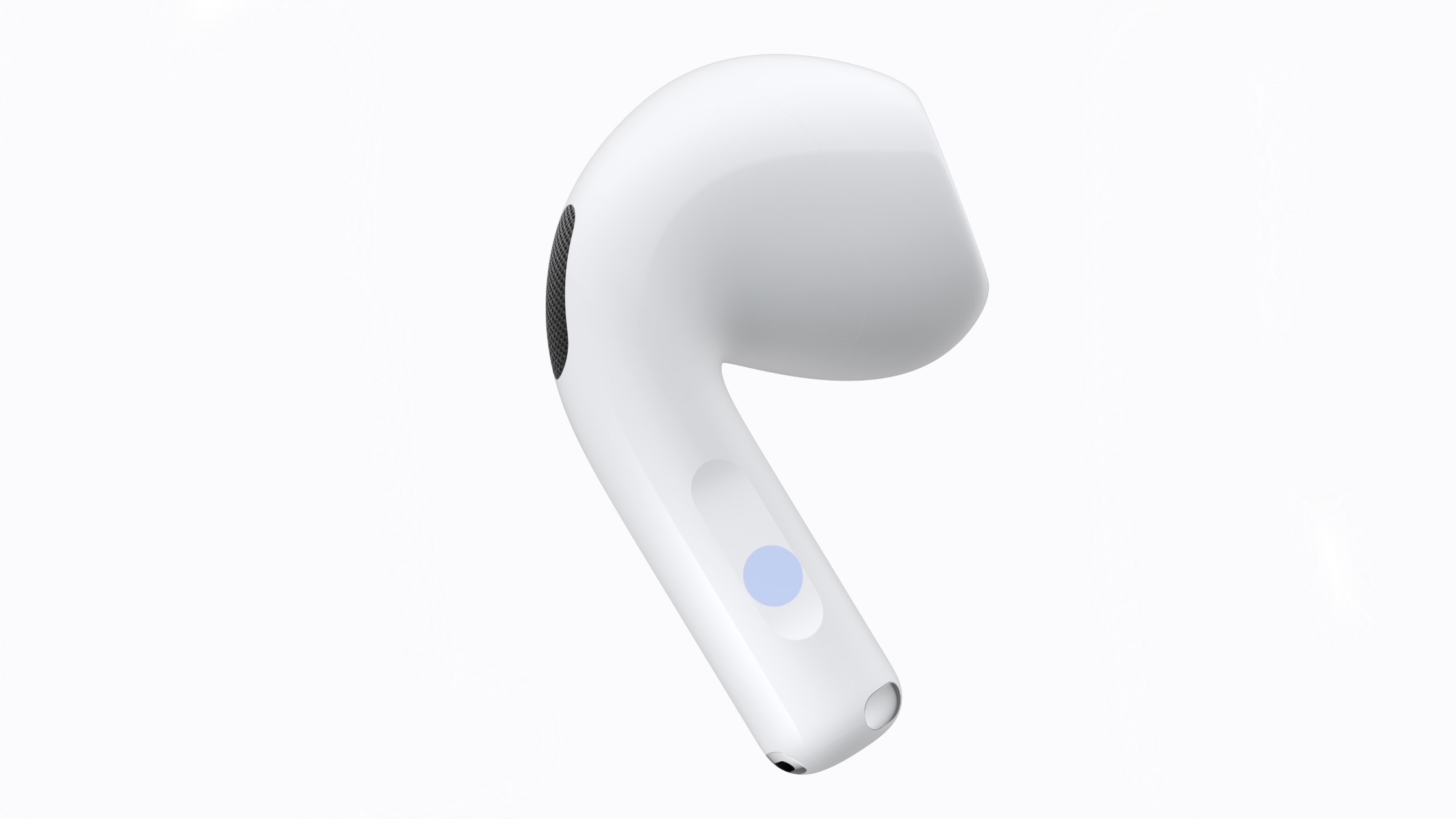
Visually, the AirPods 5 maintain the design language established by their predecessors. The familiar stem-based aesthetic remains, though the premium variant now includes a subtle, recessed touch-sensitive area. This addition allows for on-bud volume control, a feature previously reserved for the more expensive AirPods Pro series.
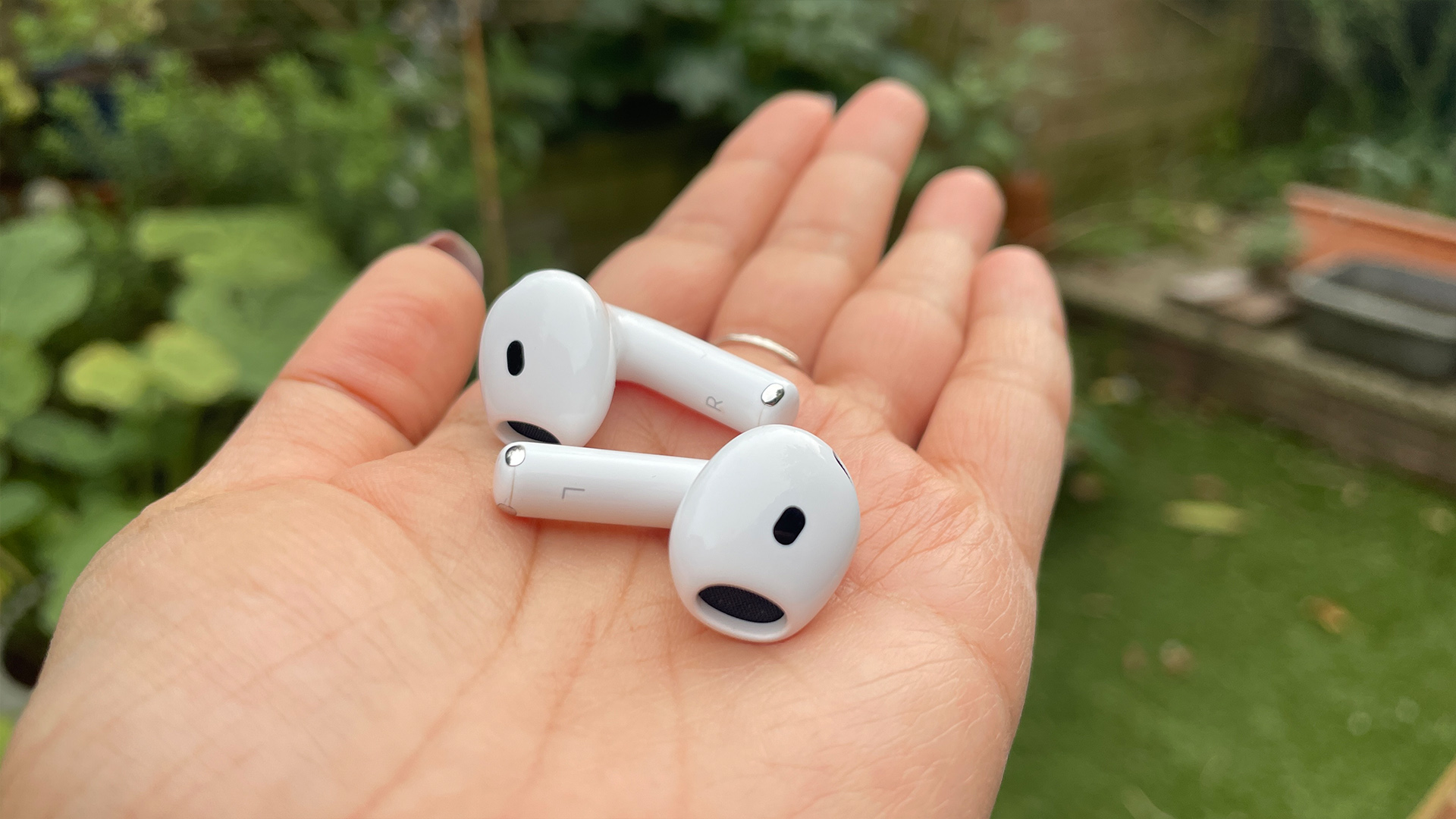
From a durability standpoint, the new models have been upgraded to an IP57 rating for dust and water resistance, an improvement over the IP54 rating found on the AirPods 4. This change is particularly relevant for active users who may use their devices during workouts or in adverse weather conditions. Despite these additions, the weight of each bud remains a feather-light 4.3 grams, maintaining the "barely there" feel that has contributed to the massive popularity of the AirPods line.
Technical Specifications and Performance Claims
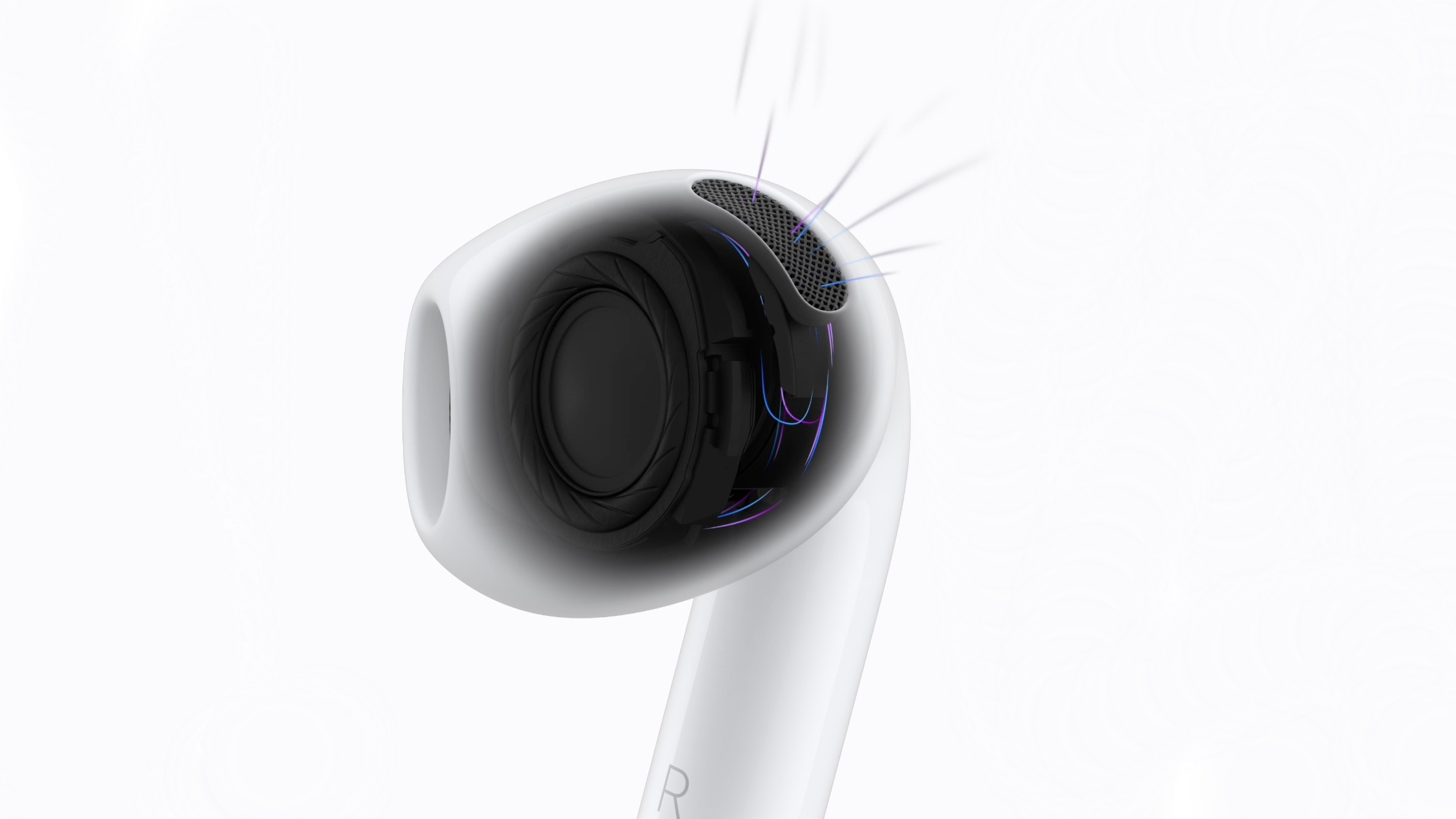
The core technical differentiator between the two generations lies in the interplay between the H2 processor and the newly designed drivers. Apple has highlighted a "multi-port acoustic architecture," which it claims provides a richer and more detailed sound profile. This is intended to mitigate the natural sound leakage that occurs with open-ear designs, theoretically allowing for better mid-range presence and tighter bass control.
The inclusion of Personalized Spatial Audio—which utilizes the TrueDepth camera on an iPhone to map the user’s ear geometry—is also more robust in the AirPods 5. Combined with a next-generation adaptive EQ, the hardware is designed to deliver a consistent sound signature regardless of the user’s specific ear anatomy.
However, the battery performance remains a point of scrutiny. The base AirPods 5 provide roughly 4 hours of playback with ANC enabled, while the wireless charging model extends this to 5 hours. Total battery life, when factoring in the charging case, reaches between 20 and 22 hours. These figures are nearly identical to the performance metrics of the AirPods 4. For power users, this represents a stagnation in battery technology, which may lead some to look toward the Pro models or third-party competitors for longer endurance.
Feature Parity and the Role of Siri AI
A major shift in the AirPods 5 rollout is the democratization of software features. Previously, advanced functionalities like Live Translation were restricted to higher-tier models. With the AirPods 5, this feature is available across both versions, signaling Apple’s intent to push its AI-driven services deeper into its consumer-grade hardware.
These earbuds are also deeply integrated with the updated, more conversational Siri. The ability to interact with Siri using subtle head gestures (nodding or shaking to respond to notifications) is present here, as is the integration with Apple’s "Find My" network. These features represent a broader move toward "ambient computing," where the device is intended to be a constant, unobtrusive assistant rather than just a pair of headphones.
Market Implications and Consumer Choice
The aggressive pricing of the AirPods 5 presents an interesting dilemma for the market. By launching at a lower price than the previous generation’s starting point, Apple has effectively made the AirPods 4 a difficult proposition for new buyers. While third-party retailers currently hold stock of the AirPods 4, the value proposition of the older model is rapidly eroding.
From an analytical standpoint, this suggests that Apple is preparing for a "clean sweep" of its entry-level segment. By forcing a price parity where the new, feature-rich model is essentially the same price (or cheaper) than the old one, the company is effectively accelerating the obsolescence of the previous generation. For consumers, the choice is clear: the AirPods 5 offer superior water resistance, better-refined ANC, and wider feature availability at a price point that undercuts the previous generation’s launch MSRP.
The Broader Landscape of Wireless Audio
The wireless earbud market has become increasingly saturated, with competitors from Samsung, Sony, and Bose offering diverse solutions at various price points. Apple’s challenge has always been to differentiate its non-Pro line from the "commodity" earbuds that flood the market. By doubling down on ANC and AI-integrated features, Apple is attempting to retain its dominance in the "true wireless" category.
The decision to keep the open-ear design while improving ANC is a calculated risk. While many users prefer the seal of in-ear silicone tips, a large segment of the population finds them uncomfortable or isolating. The AirPods 5 are, therefore, a specialized product for the user who wants "awareness" and comfort above all else. If the 50 percent improvement in ANC proves accurate in real-world testing, it will likely set a new industry benchmark for what can be achieved in an open-ear form factor.
Looking Ahead: The Review Process
As the industry moves toward the September 18th release date, the focus will inevitably shift from marketing claims to empirical data. Independent testing will be required to confirm whether the "multi-port acoustic architecture" translates to a genuine improvement in soundstage and detail, or if it is merely a marginal adjustment.
Furthermore, the longevity of the AirPods 5 will be tested by the realities of daily use. While the IP57 rating offers peace of mind, the overall structural integrity of the charging case and the long-term health of the battery will remain the true metrics of success. For now, the AirPods 5 represent a confident iteration from Apple—one that prioritizes the democratization of its most advanced features over radical design changes. Whether this strategy will successfully maintain Apple’s market share in an increasingly competitive audio landscape remains to be seen, but the initial technical and economic indicators suggest a strong contender for the title of the best general-purpose wireless earbuds on the market.
Related posts: