Shein seeks dismissal of lawsuit filed by Selena Quintanilla estate over alleged trademark infringement and unlicensed merchandise sales

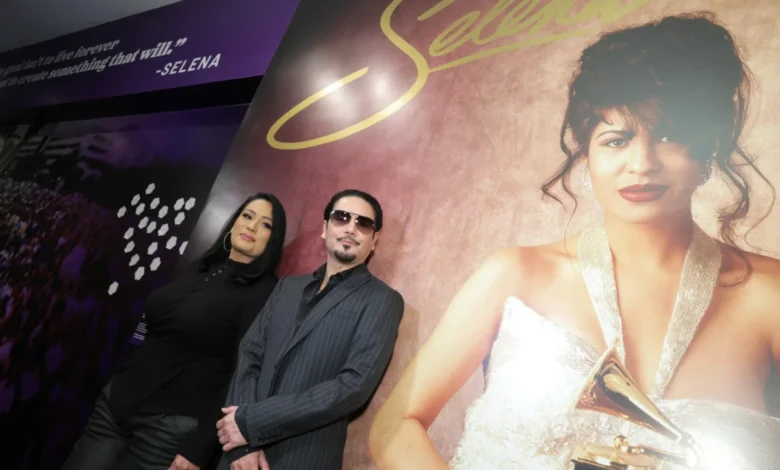
The global e-commerce giant Shein has officially petitioned a federal court to dismiss the ongoing litigation brought against it by the estate of the late Tejano music icon, Selena Quintanilla. In a motion filed on Thursday, September 17, 2026, the fast-fashion retailer argued that the legal claims initiated earlier this year by the singer’s sister, Suzette Quintanilla, lack the fundamental legal standing required to hold the platform accountable for the actions of third-party vendors. The filing marks a critical juncture in a broader series of legal challenges facing the company regarding intellectual property rights and the digital marketplace model.
Context of the Legal Dispute
The lawsuit, spearheaded by Suzette Quintanilla in her capacity as the steward of the Selena estate via Q Productions, centers on allegations of unauthorized commercial exploitation. The plaintiffs contend that Shein has infringed upon federal trademarks and violated rights pertaining to the name, image, and likeness (NIL) of the "Queen of Tejano Music." Specifically, the complaint identifies a variety of merchandise—ranging from graphic T-shirts to apparel featuring the iconic, cursive-style "Selena" logo—that appeared on the Shein platform without the estate’s authorization.
For decades, the Quintanilla family has maintained a rigorous stance on protecting the brand identity of the Grammy-winning artist, who was tragically murdered in 1995. This commitment to brand integrity has resulted in a highly curated selection of licensed products, making the presence of unauthorized merchandise on a massive scale a significant point of contention for the estate’s legal team.
Shein’s Legal Strategy and Jurisprudential Basis
In its recent motion to dismiss, Shein’s defense team, led by attorneys from the law firm Greenberg Traurig, relies heavily on the "marketplace model" defense. The core of their argument is that Shein operates as a dual-tier entity: it produces its own branded inventory and provides a digital storefront for independent, third-party merchants.
According to the filing, the items cited in the lawsuit originated entirely from these third-party vendors, not from Shein’s internal production facilities. The motion asserts that under existing case law, an online marketplace cannot be held directly liable for the intellectual property infractions of independent sellers simply because it provides the search tools, transaction processing, and order fulfillment services that facilitate the sale.
"Direct liability cannot be imposed on an online marketplace for merely providing a search tool that displays allegedly infringing third-party content in response to user-generated search queries," the motion argues. Furthermore, the company highlights that it has already taken proactive measures to mitigate the issue, including the removal of the specific product listings identified by Q Productions and the implementation of sophisticated filters designed to block search queries for "Selena" or "Selena Quintanilla."
Broader Legal Trends and Industry Implications
The motion filed by Shein reflects a growing trend in copyright litigation involving major e-commerce platforms. As retailers like Shein and Temu have expanded their reliance on third-party sellers, they have faced an increasing volume of lawsuits from artists, estates, and rights holders who argue that these platforms have become hubs for counterfeit goods.

The legal landscape in this sector is currently shifting. Earlier this year, the estate of the late British rapper MF Doom settled a similar infringement lawsuit against Temu, a competitor to Shein. Conversely, the musical duo Twenty One Pilots continues to pursue a separate, active litigation against Temu, signaling that the debate over platform liability is far from settled. Legal analysts suggest that the outcome of these cases will likely define the extent to which digital marketplaces must police their sellers to avoid being held as "contributory infringers."
Chronology of Events
The legal friction between the Selena estate and e-commerce entities is part of a complex timeline of brand management for the Quintanilla family:
- Early 2026: Reports emerge regarding an influx of unlicensed Selena-branded merchandise appearing on various fast-fashion platforms.
- Mid-2026: Suzette Quintanilla and Q Productions file a formal lawsuit against Shein, alleging trademark and NIL rights violations.
- September 2026: Shein files a motion to dismiss, arguing that the company is a neutral intermediary protected by existing legal frameworks for marketplaces.
- Late October 2026: A judicial hearing is scheduled to determine whether the lawsuit will proceed to discovery or be dismissed.
Additional Legal Pressures on the Estate
The legal battle with Shein is not the only challenge currently occupying the estate’s resources. In a separate, highly publicized legal development, A.B. Quintanilla III, the brother of the late singer and a prolific songwriter in his own right, filed a lawsuit last week against his sister, Suzette, and Q Productions.
In that action, A.B. Quintanilla claims that he has been underpaid his rightful share of profits derived from his sister’s musical catalog. These allegations have been met with swift denial from the estate. Suzette Quintanilla, along with their mother, Marcella Quintanilla, has publicly categorized these claims as "false accusations," further complicating the family’s public image while they navigate the high-stakes litigation against the e-commerce giant.
Analysis of Potential Outcomes
The upcoming October hearing will likely focus on whether the court views Shein’s involvement in the sales process as "passive" or "active." If the court determines that Shein’s logistical support and payment processing constitute active participation, the estate’s claims of direct liability may hold weight. However, should the court favor the defense’s argument—that the platform is a protected intermediary under current safe harbor doctrines—the case could be dismissed, potentially forcing rights holders to target individual sellers rather than the host platform.
For the music industry, this case serves as a barometer for how artists can protect their legacy in the era of "on-demand" manufacturing. As digital marketplaces continue to dominate consumer retail, the ability to control the use of an artist’s image becomes increasingly difficult. The resolution of this matter will not only impact the financial management of the Selena brand but may also set a significant precedent for how other estates manage their intellectual property in the digital age.
As of the current date, the estate of Selena Quintanilla has not issued a formal response to the motion to dismiss. Counsel for Q Productions is expected to file a written opposition in the coming weeks, setting the stage for what is anticipated to be a rigorous judicial review of the protections afforded to modern digital marketplaces.