A Legacy of Innovation and Genre-Bending
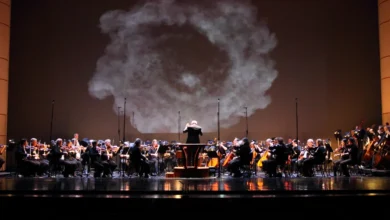
The London Contemporary Orchestra (LCO) was established in 2008 with a mandate to challenge the traditional boundaries of orchestral programming. From its inception, the group sought to move beyond the standard repertoire, focusing instead on works by contemporary composers such as Mark-Anthony Turnage, Kaija Saariaho, and Iannis Xenakis. Under the leadership of Ames and his co-founders, the LCO became synonymous with a specific kind of modern, high-energy, and technically precise aesthetic that appealed to a broader, younger demographic than the typical symphony orchestra.
The LCO’s trajectory is perhaps best defined by its successful collaborations with high-profile artists outside the classical tradition. Most notably, the orchestra became the go-to partner for Radiohead, contributing to recordings and live performances that bridged the gap between experimental rock and orchestral arrangements. This collaborative spirit became a hallmark of the LCO’s brand, proving that an orchestra could remain relevant, commercially viable, and artistically uncompromising simultaneously.
The Catalyst for Change: A Call to Action
The announcement of Ames’s resignation was accompanied by a pointed op-ed in The Guardian, in which he articulated his concerns regarding the state of the music industry. Moving away from his usual persona as a quintessential, fast-paced freelancer, Ames utilized his public platform to address the structural inequality that he believes is eroding the profession.
Ames argued that the path for working-class musicians has become increasingly obstructed, citing rising costs of education, the precarious nature of gig-economy labor, and a lack of institutional support for those without financial safety nets. His intervention has sparked significant discourse within the industry, as it challenges the assumption that the classical music world is a meritocracy where talent alone dictates success. By framing his departure as an opportunity to highlight these systemic issues, Ames has shifted the conversation from his own professional transition to the survival of the musical ecosystem itself.
Chronology of the London Contemporary Orchestra
- 2008: Robert Ames and his co-founders establish the LCO with a focus on contemporary repertoire and avant-garde commissions.
- 2008–2012: The ensemble establishes its reputation through residency programs and high-concept concerts featuring works by contemporary heavyweights like Saariaho and Xenakis.
- 2013–2016: The LCO expands its reach through collaborations with pop and electronic artists, gaining significant mainstream recognition and recording accolades.
- 2017–2022: The orchestra cements its status as a premier recording ensemble for film scores and contemporary orchestral works, touring internationally.
- September 2026: Robert Ames formally announces his resignation as co-artistic director and co-principal conductor, citing a desire to focus on new challenges and the broader societal issues facing musicians.
The Economics of Professional Orchestras
To understand the weight of Ames’s critique, one must examine the broader economic data currently affecting the UK arts sector. According to recent reports from industry bodies like the Musicians’ Union, the average income for a freelance orchestral musician has stagnated, while the cost of instrument maintenance, training, and urban living has risen sharply.
A 2025 study on professional pathways in the arts indicated that over 60% of professional orchestral players in London come from higher-income households. This demographic concentration creates a significant barrier to entry for those from working-class backgrounds who cannot afford the years of unpaid internships or the high costs associated with conservatory tuition. Ames’s argument—that doors are closing—is supported by data suggesting a decline in the number of musicians who can sustain a career solely through performance without supplemental income from teaching or unrelated employment.
Industry Implications and Future Outlook
The departure of a co-founder and artistic leader typically prompts an organization to reconsider its mission statement. For the LCO, the challenge will be maintaining the innovative spirit that Ames fostered while navigating a tightening funding environment. Industry observers suggest that the orchestra will likely seek a successor who can balance artistic risk-taking with the logistical demands of a modern arts organization.
The broader implications for the classical music industry are equally significant. If leaders like Ames continue to speak out about the lack of diversity and the barriers to social mobility, organizations may be forced to implement more robust outreach and scholarship programs. There is a growing pressure on major UK arts institutions to demonstrate that they are not merely playgrounds for the elite, but vital, accessible spaces for talent regardless of socioeconomic origin.
Ames’s Continuing Influence
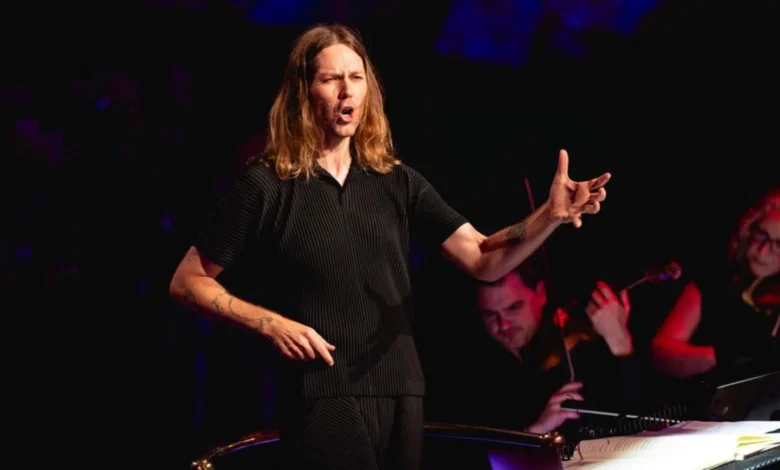
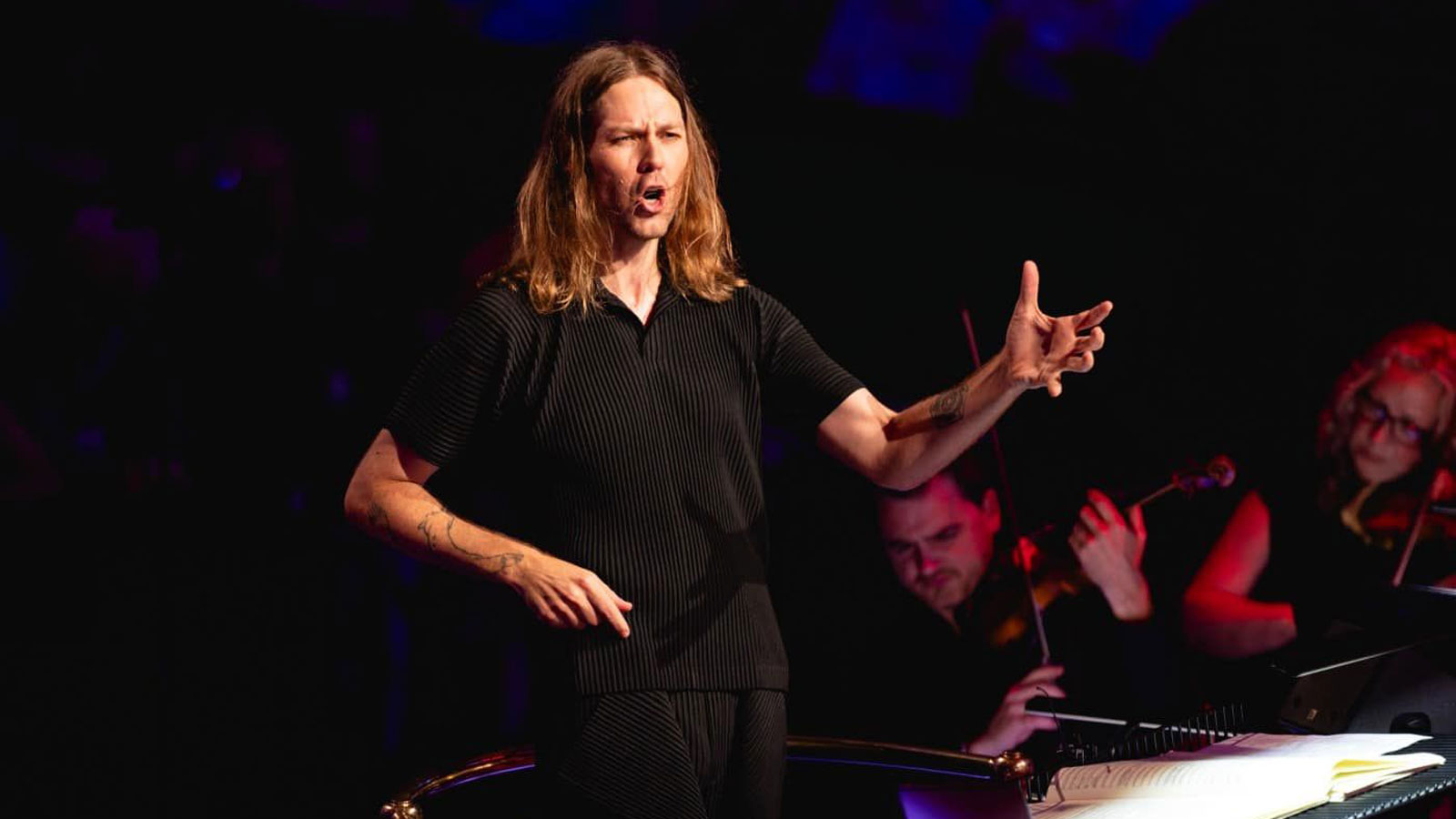
Despite stepping down from his administrative duties, Ames remains an active force in the global music scene. At the time of this report, he is mid-tour with the Icelandic band Sigur Rós, a testament to his continued relevance as a conductor. His commitment to the music—having conducted the band nearly 100 times—highlights the dual nature of his career: the high-level performance and the deep-seated concern for the industry’s health.
For many, the surprise of his departure is secondary to the surprise of his political engagement. In an industry that often incentivizes silence and professionalism above all else, Ames’s willingness to risk controversy for the sake of reform marks him as a distinct kind of leader. His legacy at the LCO will not just be defined by the music he conducted or the collaborations he brokered, but by the conversation he initiated regarding the sustainability of the arts.
As the London Contemporary Orchestra begins its search for new leadership, the industry will be watching closely to see if his successor will carry forward the torch of social advocacy. The departure of Robert Ames serves as a reminder that the health of an orchestra is measured not only by its concert programs but by its ability to foster and protect the human talent that makes the music possible. Whether or not his critique leads to structural reform remains to be seen, but the discourse he has sparked is an essential step in the long-term project of ensuring the vibrancy and inclusivity of contemporary classical music.