Walker Hayes Returns With New Single Back By Then Amid Ongoing Debate Over Genre Boundaries and Viral Marketing Strategies

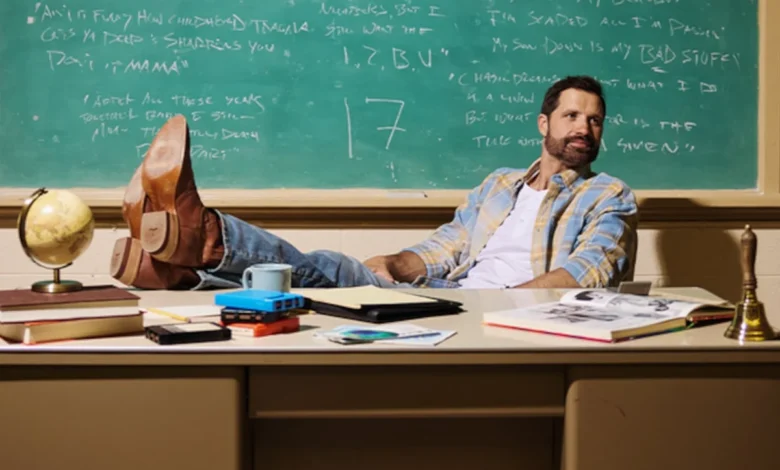
The contemporary country music landscape continues to grapple with the shifting definitions of the genre as commercial pressures collide with traditionalist expectations. Singer-songwriter Walker Hayes, known globally for his 2021 viral hit "Fancy Like," has once again ignited intense debate within the industry and among critics following the release of his latest single, "Back By Then." The track, released in late October 2026, revives long-standing conversations regarding the intersection of suburban pop culture, social media marketing, and the stylistic boundaries of modern country music.
Main Facts of the Release
"Back By Then" marks Hayes’s return to the commercial spotlight following a turbulent period in his recording career that included significant shifts at his former record label, Monument Records. The song, accompanied by a music video featuring choreography designed in collaboration with his daughter, Lela Hayes, relies heavily on rhythmic cadence, hip-hop-inflected phrasing, and a repetitive lyrical structure.
The track’s release has drawn sharp divisions among music critics and consumers alike. While proponents of contemporary pop-country point to Hayes’s ability to generate viral engagement and maintain a dedicated family-oriented demographic, traditionalists and independent critics have targeted the song’s lyrical coherence, production style, and stylistic departure from acoustic-based country traditions. The single has also spotlighted the enduring influence of short-form video platforms, such as TikTok, in dictating the structural composition and promotional rollout of modern commercial singles.
Chronology and Background Context
To understand the polarizing reception of "Back By Then," industry analysts often look to the trajectory of Hayes’s career over the preceding half-decade. For years, Hayes operated as a Nashville songwriter before achieving mainstream breakout success with "Fancy Like." The song became a cultural phenomenon, propelled heavily by a synchronized TikTok dance created by Hayes and his daughter. The track’s ubiquitous presence—along with its explicit references to commercial dining chains such as Applebee’s—catapulted Hayes to international recognition, yielding multi-platinum certifications and widespread radio airplay.
However, the rapid commercialization of his style also coincided with structural changes within the Nashville establishment. Monument Records, a historic imprint revived by Sony Music Entertainment, experienced shifts in roster management and commercial focus following periods of fluctuating market performance. Critics of the "pop-country" wave often cited releases from artists like Hayes as symptomatic of a broader dilution of traditional instrumentation and thematic depth in favor of algorithmic appeal.
Following the commercial cycle of his subsequent projects, Hayes maintained a presence on social media while navigating the changing demands of streaming-era country music. The announcement and subsequent rollout of "Back By Then" represent his latest attempt to recapture the lightning-in-a-bottle success of his 2021 breakthrough, relying on a similar formula of colloquial suburban slang, rhythmic verses, and integrated family involvement.
Supporting Data and Lyrical Analysis
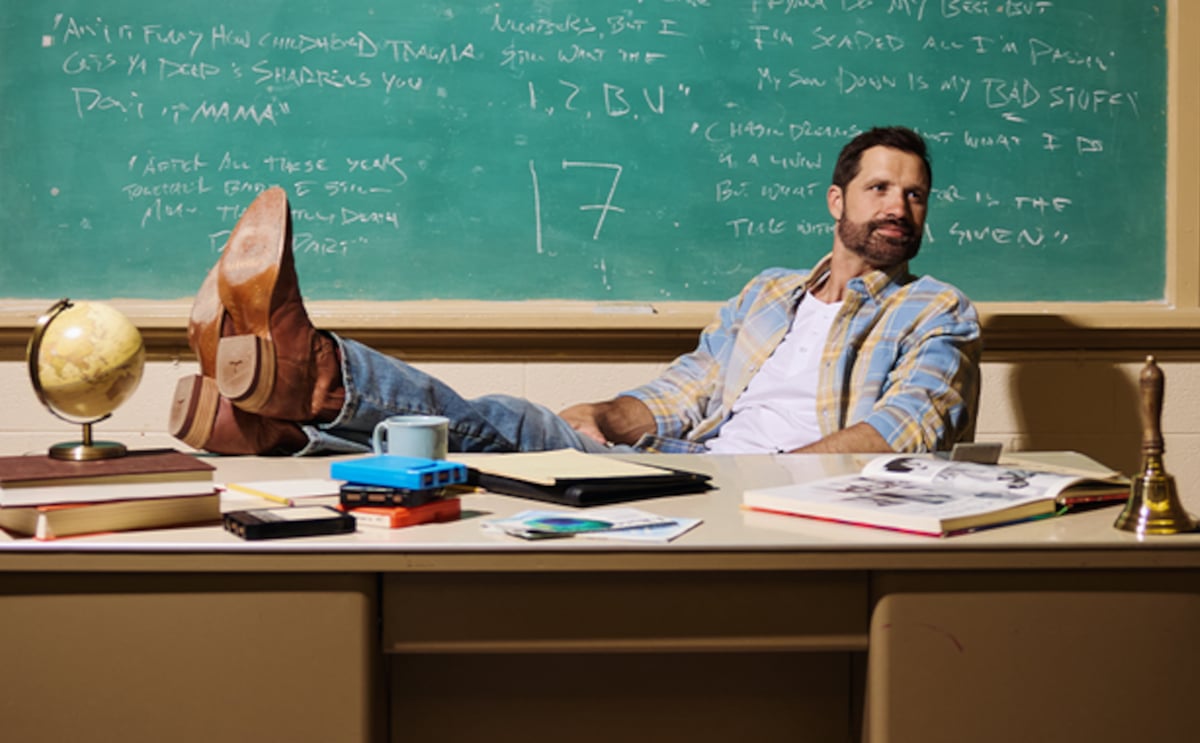
A central point of contention surrounding "Back By Then" involves its lyrical content and compositional style. The song features rapid-fire phrasing that blends vernacular associated with contemporary hip-hop with suburban lifestyle tropes. Lyrics such as "Girl, I bet you wore them jeans on a mission / You ain’t just floating around town, you fishing" illustrate Hayes’s distinct writing style, which frequently prioritizes internal rhyme schemes and conversational hooks over conventional narrative storytelling.
Statistical metrics from streaming platforms indicate that while singles of this nature often secure immediate visibility through curated algorithmic playlists and short-form video challenges, they simultaneously polarize listener retention rates. Industry tracking data demonstrates a widening gap between consumption patterns on streaming services versus dedicated genre purists, who frequently advocate for a return to traditional instrumentation, pedal steel guitars, and narrative-driven songwriting. Furthermore, the inclusion of familial elements—such as choreography developed by Hayes’s children—has become a trademark component of his public persona, functioning simultaneously as a wholesome marketing angle and a focal point for critical scrutiny regarding the commercialization of personal lives.
Industry Response and Stakeholder Perspectives
Reactions to Hayes’s latest output reflect the broader ideological fracture within the country music community. Mainstream commercial radio programmers and streaming curators often view artists who bridge the gap between pop and country as essential demographic expanders, capable of drawing younger, non-traditional listeners into the genre’s broader ecosystem. Proponents argue that commercial country has always evolved by incorporating contemporary pop sensibilities, pointing to historical precedents from the 1970s "Urban Cowboy" movement to the pop-infused stadium country of the 1990s and 2000s.
Conversely, independent critics and traditionalist commentators view these releases as an erosion of the genre’s foundational identity. Critics frequently argue that songs relying heavily on brand placements, colloquial slang, and synthesized beats lack the artistic longevity and emotional resonance historically associated with country music. This ongoing friction has created an environment where releases from artists like Hayes are met not merely as neutral artistic offerings, but as cultural flashpoints in a wider debate over authenticity and commercialism.
Broader Impact and Implications for the Genre
The release of "Back By Then" and its subsequent reception offer valuable insights into the current state of the music industry’s business model. As record labels increasingly rely on metrics driven by social media engagement, viral dance trends, and immediate streaming velocity, artists face mounting pressure to design music specifically tailored for digital platforms.
This trend raises long-term questions about the sustainability of viral marketing strategies. While tracks designed for short-form video integration can yield rapid, high-visibility returns, analysts note that audience fatigue can set in quickly once a trend concludes. For veterans of the viral era like Hayes, the challenge lies in sustaining career momentum beyond the lifespan of a single algorithmic trend.
Ultimately, the discourse surrounding "Back By Then" extends far beyond a single track or artist. It encapsulates the ongoing tension between art and commerce in modern music production, highlighting the delicate balance artists must strike between satisfying commercial imperatives and maintaining credibility within established genre boundaries. As the digital landscape continues to evolve, the industry will undoubtedly monitor how legacy and emerging artists navigate these shifting cultural and economic currents.
Related posts: