The Evolution of Avant-Garde Pop Examining the Experimental Legacy of 1980s New Wave Dance Tracks

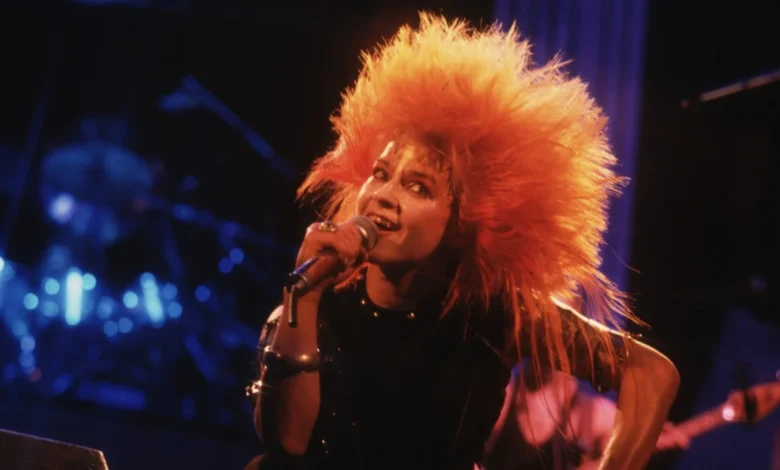
The transition from the late 1970s into the early 1980s marked one of the most radical shifts in the history of popular music. As the raw aggression of punk rock began to dissipate, it left behind a vacuum that was quickly filled by a genre known as New Wave. This movement was characterized by its embrace of emerging technology, a penchant for theatricality, and a willingness to dismantle traditional songwriting structures. While New Wave eventually became synonymous with the polished, synth-heavy pop of the mid-80s, its early years were defined by a series of tracks that were remarkably experimental, frequently "weird," yet undeniably tailored for the dance floor. These compositions challenged the listener’s expectations of melody and rhythm while simultaneously achieving significant commercial and critical success.
The Performance Art of Toyah and the Genesis of Ieya
In 1980, the UK music scene was witnessing the rise of Toyah Willcox, a performer who bridged the gap between the visceral energy of punk and the stylized aesthetics of New Wave. Her track "Ieya," released on the album The Blue Meanings, stands as a primary example of how the era’s "weirdness" was often born out of spontaneous, improvisational energy. At the time, Toyah was already a recognized figure in British culture, having appeared in Derek Jarman’s cult film Jubilee and the mod-classic Quadrophenia. This theatrical background heavily influenced her musical output, which was frequently more akin to performance art than standard pop.
The creation of "Ieya" was famously chaotic. According to Willcox, the song lacked a definitive structure during its initial live performances. During a 1980 concert in Wolverhampton, the band began the track, and the audience’s reaction was immediate and unprecedented. Willcox has noted in historical retrospectives that the song, which was intended to be a four-minute single, expanded into a twenty-minute improvisational jam. The frontwoman was forced to invent lyrics on the fly as the crowd entered a state of "dance hysteria." This spontaneity was captured in the studio version, which retained an eerie, ritualistic quality.
Despite its unconventional structure and vocal delivery, "Ieya" resonated with the alternative youth of the era. It reached No. 3 on the UK Independent Singles chart, proving that there was a substantial market for music that eschewed the verse-chorus-verse formula in favor of atmosphere and rhythmic drive. The track’s success highlighted a growing trend: the audience’s willingness to embrace "difficult" music as long as it maintained a kinetic, danceable energy.
Talking Heads and the Polyrhythmic Revolution of Remain in Light
While Toyah was exploring the theatrical fringes of New Wave in the UK, the New York City scene was being redefined by Talking Heads. By 1980, the band had moved away from their "art-punk" roots toward a more complex, global sound. Their fourth studio album, Remain in Light, produced by Brian Eno, is now regarded as a masterpiece of the era, but at the time of its release, its heavy reliance on African polyrhythms and repetitive, funk-infused loops was considered a significant risk.
The track "Crosseyed and Painless" serves as the centerpiece of this experimental period. Unlike the band’s earlier hits, which relied on David Byrne’s nervous, staccato vocal delivery and traditional rock instrumentation, "Crosseyed and Painless" was built on a dense layer of percussion. The arrangement utilized cowbells, congas, and electronic "blips," creating a frantic soundscape that never truly resolved into a standard pop peak. The lyrics, influenced by the rhythmic prose of African literature and the stresses of modern urban life, were delivered in a stream-of-consciousness style that added to the song’s disorienting effect.
Statistically, "Crosseyed and Painless" followed an unusual trajectory. It failed to make a significant dent in the standard US pop charts, yet it became the band’s most successful venture on the dance charts. This dichotomy illustrated the shifting landscape of the 1980s: "weird" music was finding its home in the clubs, where DJs and dancers were more concerned with the "groove" than with radio-friendly hooks. The track’s influence can be seen in the subsequent rise of "worldbeat" and the intellectualization of dance music, proving that complex, polyrhythmic compositions could thrive in a commercial environment.
Lene Lovich and the Technological Frontier of New Toy
As the 1980s progressed, the "weirdness" of New Wave became increasingly tied to the rapid advancement of musical technology. One of the most significant tools of this era was the Fairlight CMI (Computer Musical Instrument), one of the first commercially available samplers and digital workstations. In 1981, Lene Lovich released "New Toy," a track that served as both a showcase for this technology and a commentary on the burgeoning consumer culture of the decade.
"New Toy" was written by Thomas Dolby, a musician who would later become a household name with "She Blinded Me with Science." At the time, Dolby was a session musician and songwriter fascinated by the possibilities of the Fairlight CMI. The song’s production is a chaotic blend of synthesized textures and Lovich’s unique vocal gymnastics. Lovich, known for her operatic range and quirky, Eastern European-influenced delivery, was the perfect vessel for Dolby’s technological experiments.
The song’s lyrics—ostensibly about the thrill of new gadgets—mirrored the reality of the musicians using the very tools they were singing about. The Fairlight CMI was prohibitively expensive and notoriously difficult to program, yet its ability to manipulate sound allowed for the creation of "weird" textures that had never been heard in pop music before. "New Toy" became a staple of the New Wave era, peaking at No. 53 on the UK Singles Chart and finding significant play in American dance clubs. It represented a moment where the avant-garde and the accessible collided, powered by the sheer novelty of digital synthesis.
The Socio-Economic Context of Experimental New Wave
The success of these "weird" tracks cannot be viewed in isolation from the socio-economic climate of the early 1980s. In both the United Kingdom and the United States, the era was defined by economic transition and social unrest. The rise of Thatcherism and Reaganism created a cultural backdrop of tension, which many artists processed through abstraction and irony. New Wave, with its synthetic sounds and often detached lyrical themes, provided a form of escapism that was simultaneously a critique of the modern world.
The "weirdness" of the music was often a reflection of the "weirdness" of the times. For instance, the frantic nature of Talking Heads’ "Crosseyed and Painless" captured the anxiety of the information age, while Toyah’s "Ieya" tapped into a burgeoning interest in neo-paganism and alternative spirituality as a response to industrial decline. These songs were not just dance tracks; they were sonic artifacts of a society in flux.
Furthermore, the rise of MTV in 1981 provided a visual platform for these artists. The "weirdness" that made these songs stand out on the radio was amplified by the surrealist imagery of their music videos. Lene Lovich’s striking visual presence and Toyah’s elaborate costumes and makeup became as important as the music itself, helping to cement the idea that being "strange" was a viable, and even lucrative, career path in the new media landscape.
Technical Analysis of the New Wave Sound
From a technical perspective, the "weirdness" of these tracks often stemmed from three specific areas: non-linear song structures, unconventional vocal techniques, and the integration of "found sounds" or early sampling.
- Structure: Unlike the 1970s rock tradition, which focused on the build-up to a guitar solo or a climactic chorus, New Wave tracks like "Ieya" and "Crosseyed and Painless" often utilized "circular" structures. These songs relied on a hypnotic repetition that mirrored the burgeoning electronic dance music (EDM) scene.
- Vocals: Artists like Lene Lovich and Toyah Willcox moved away from the soulful or bluesy vocals of the previous decade. Instead, they employed yelps, growls, operatic trills, and spoken-word segments. This vocal diversity added a layer of unpredictability to the tracks.
- Sound Design: The early 1980s saw the first widespread use of gated reverb on drums and the layering of digital and analog synthesizers. The "blips" and "bleeps" mentioned in the context of Talking Heads were not merely decorative; they were essential components of the rhythm section, blurring the line between melody and percussion.
Long-term Impact and Modern Implications
The legacy of these experimental New Wave tracks is evident in the current landscape of alternative and electronic music. The "weirdness" pioneered by Toyah, Talking Heads, and Lene Lovich paved the way for future generations of artists who refused to conform to genre boundaries. Groups like LCD Soundsystem, Arcade Fire, and St. Vincent owe a significant debt to the polyrhythmic experiments and theatricality of the early 80s.
Moreover, the commercial success of these tracks proved to the music industry that audiences were more sophisticated than they were often given credit for. It demonstrated that a song could be rhythmically complex, lyrically abstract, and sonically "strange" while still filling dance floors and climbing the charts.
In conclusion, the early 1980s represented a unique window in music history where the avant-garde was allowed to enter the mainstream. Tracks like "Ieya," "Crosseyed and Painless," and "New Toy" remain "too weird to ignore" because they represent the peak of creative freedom within the pop framework. They remind us that the most enduring music is often that which dares to be different, challenging the listener to dance to a beat that is as intellectual as it is physical. As technology continues to evolve, the spirit of these New Wave pioneers remains a guiding light for any artist looking to find the "new" in the noise.
Related posts: