Zach Top Solidifies Headliner Status with Definitive Performance at Under The Big Sky Festival 2026

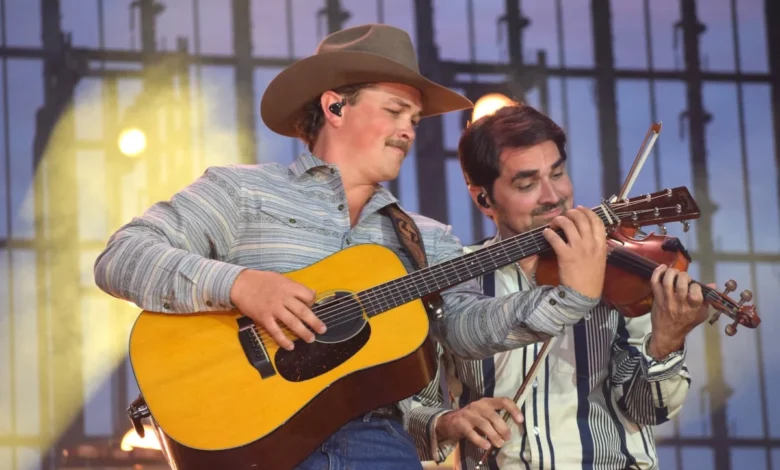
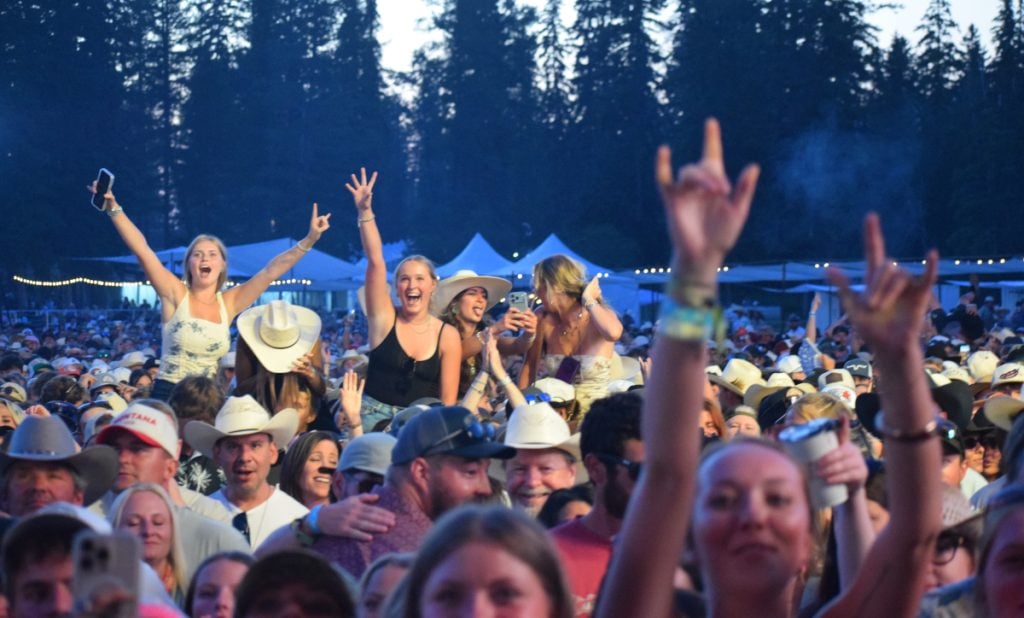
The landscape of American country music underwent a visible shift on the evening of Saturday, July 18, 2026, as neotraditionalist Zach Top delivered a commanding performance at the Under The Big Sky Festival in Whitefish, Montana. Amidst a decade defined by the convergence of genres, Top’s set served as a definitive argument for the enduring power of the "90s country" aesthetic, reimagined for a contemporary audience. Facing a capacity crowd at the Big Mountain Ranch, the Washington-born artist transitioned from a rising star to a bona fide festival headliner, silencing critics who questioned whether his nostalgic sound could maintain momentum in a rapidly evolving industry.
The Rise of a Neotraditionalist Icon
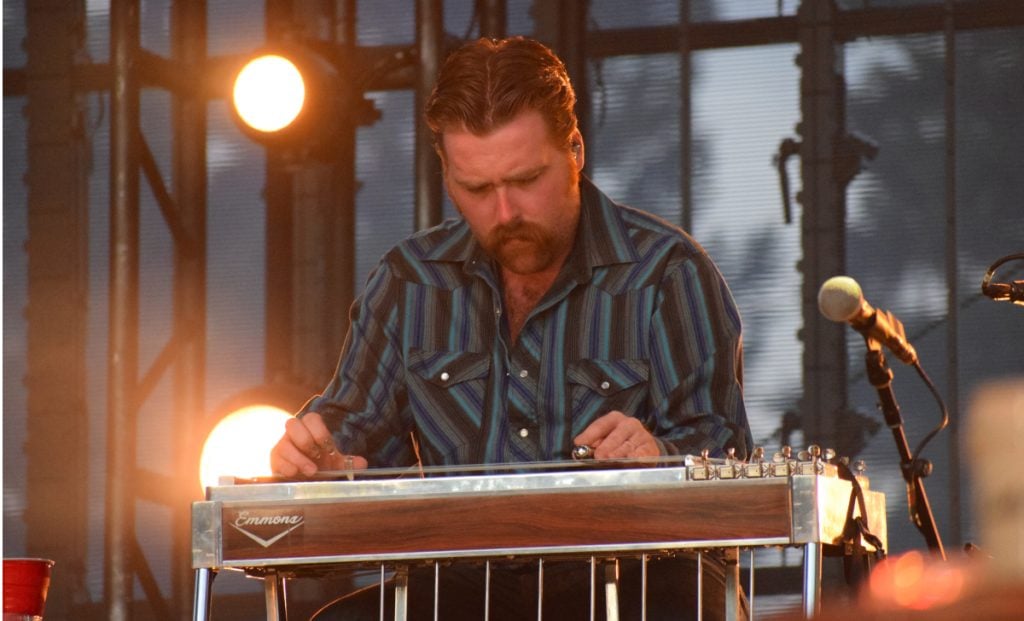
Zach Top’s ascent has been characterized by a rigorous adherence to the sonic hallmarks of the late 20th century—steel guitar, fiddle-heavy arrangements, and a vocal delivery reminiscent of Keith Whitley and George Strait. While his 2024 debut, Cold Beer & Country Music, established his presence on the charts, it was his 2025 follow-up, Ain’t In It For My Health, that secured his critical legacy, earning a Grammy Award for Best Country Album. This accolades-laden trajectory set the stage for his appearance in Whitefish, a festival known for its curation of Americana, alt-country, and traditional sounds.
The 2026 Under The Big Sky Festival arrived at a pivotal moment for the genre. Data from mid-year industry reports suggest a 14% increase in streaming for "traditionalist" country sub-genres, a trend largely attributed to the "Zach Top Effect." By bridging the gap between older listeners who remember the golden era of country radio and younger "Gen Z" fans discovering the sound through social media and live touring, Top has cultivated a demographic ranging from "8 to 80."
Chronology of the Saturday Night Set
Top’s 90-minute set began as the sun dipped behind the peaks of Glacier National Park, casting a natural spotlight on the stage. The artist made his entrance to a roar that festival veterans described as one of the loudest in the event’s history. Opening with high-energy tracks from his debut record, Top immediately established a rapport with the audience, many of whom recited every lyric with precision.
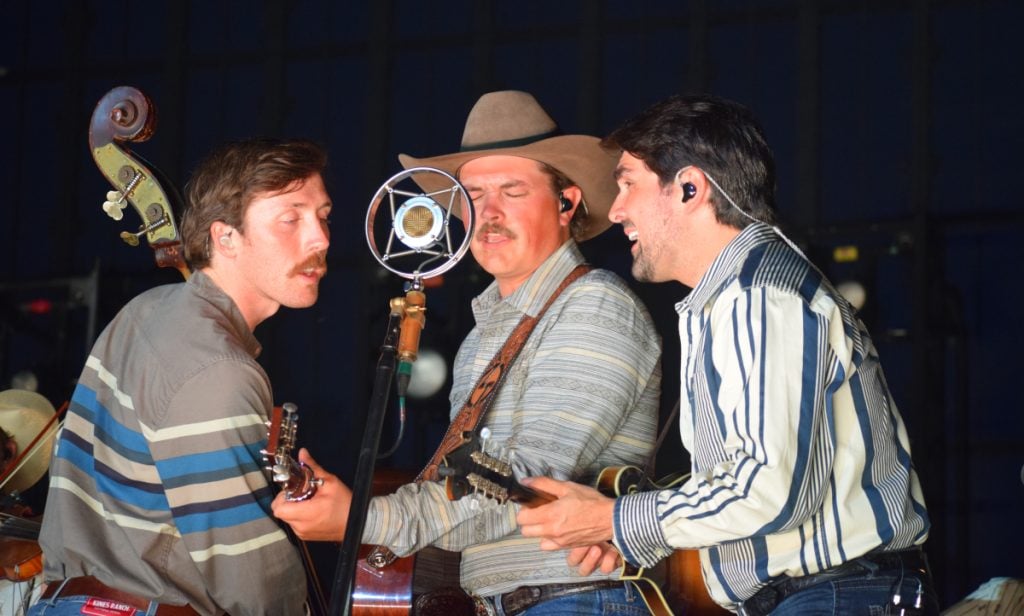
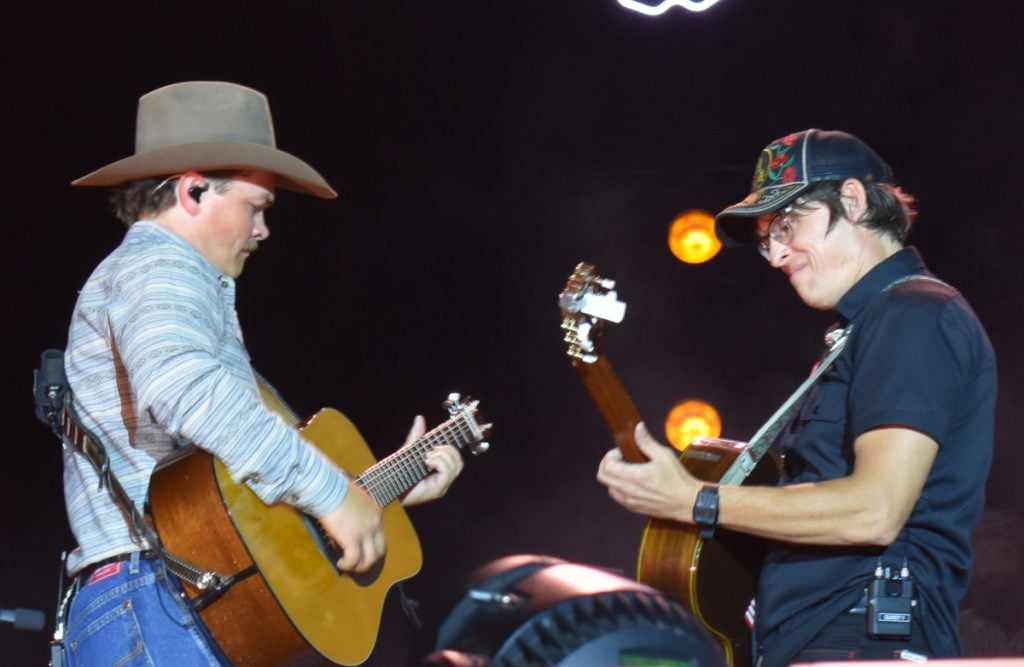
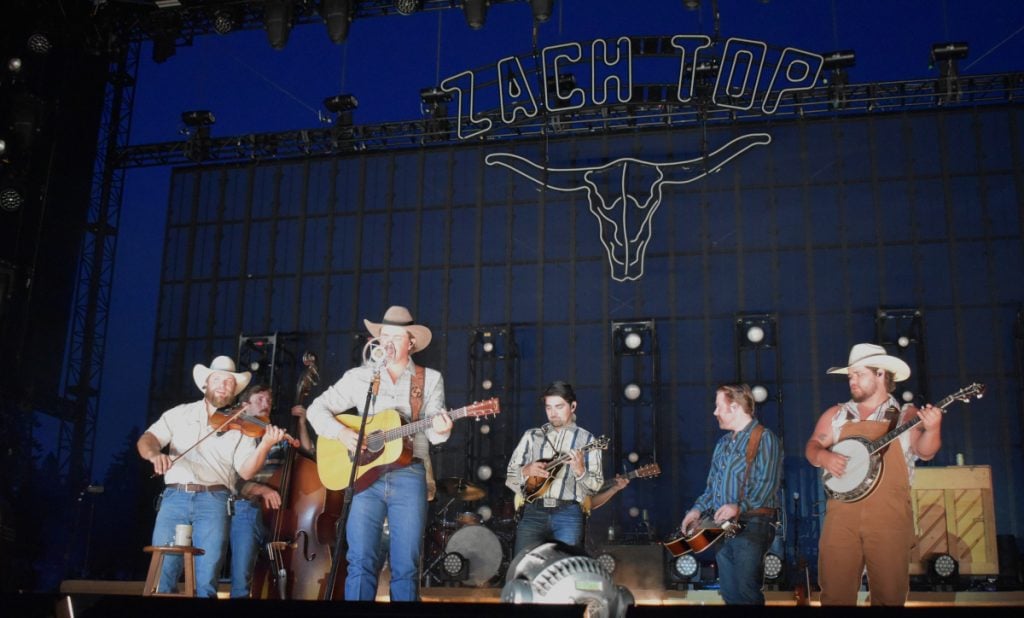
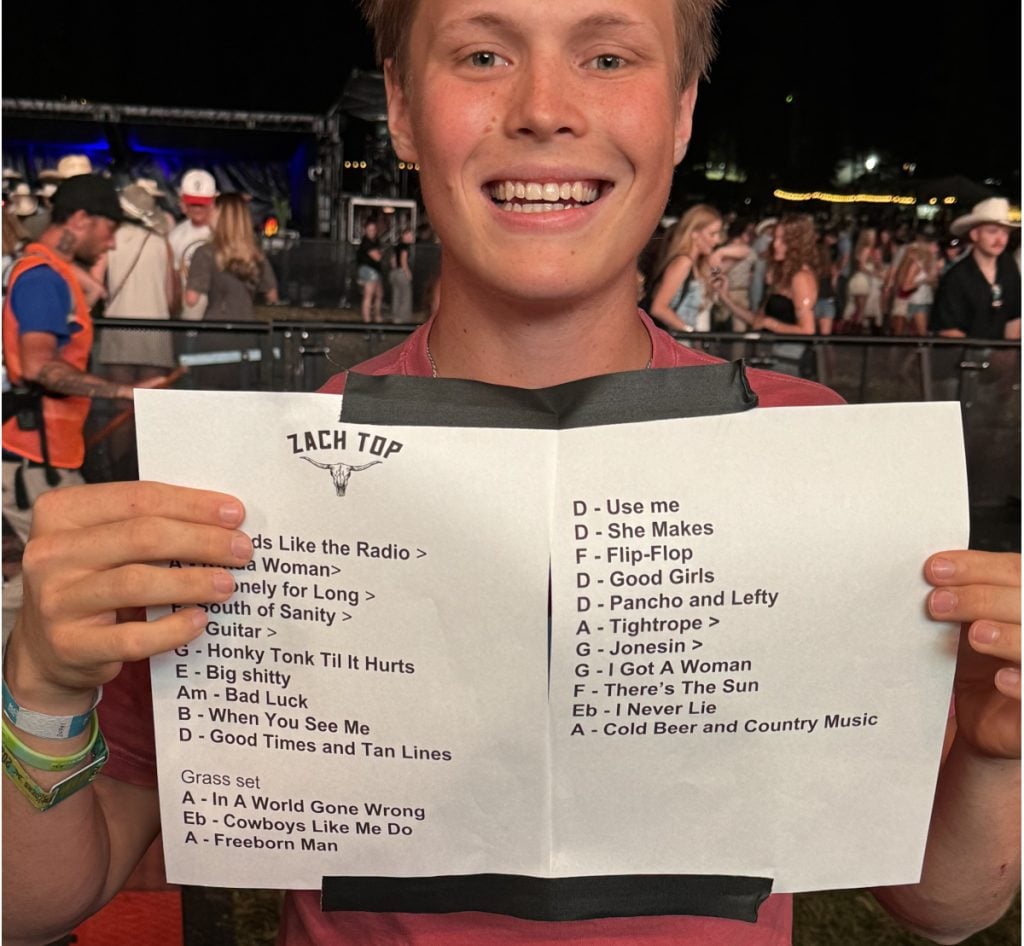
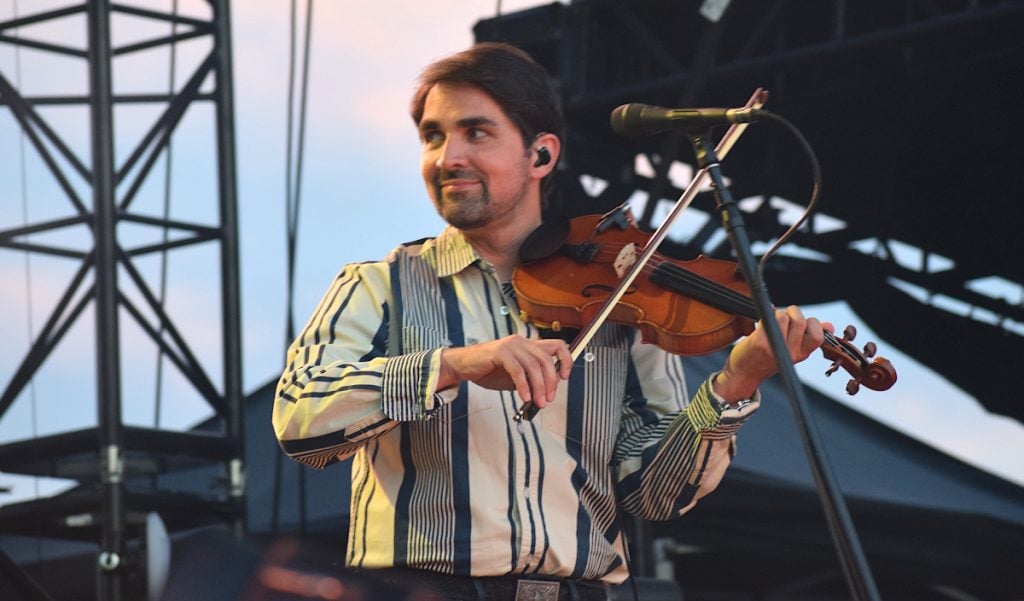
The setlist was a strategic blend of his two studio albums and curated covers that paid homage to his bluegrass roots. A significant mid-show transition occurred when the band abandoned their electric rigs for an acoustic "in-the-round" setup. Utilizing an Ear Trumpet microphone—a staple of traditional bluegrass broadcasting—the ensemble demonstrated technical virtuosity that extended beyond standard radio fare. This segment included an expansive rendition of Jimmy Martin’s 1960s classic “Freeborn Man.” The drummer’s use of a bluegrass snare and the band’s tight vocal harmonies highlighted Top’s background in the bluegrass circuit before his transition to mainstream country.
Strategic Evolution: Personnel and Instrumentation
Much of the industry chatter surrounding Top in early 2026 focused on a significant restructuring of his touring band. The departure of long-time members, including acoustic guitarist and harmony vocalist Cheyenne Dalton Meyer and bass player Jimmy Meyer, had initially sparked debate among fans regarding loyalty and band chemistry. However, the performance in Whitefish provided a clear rationale for these changes.
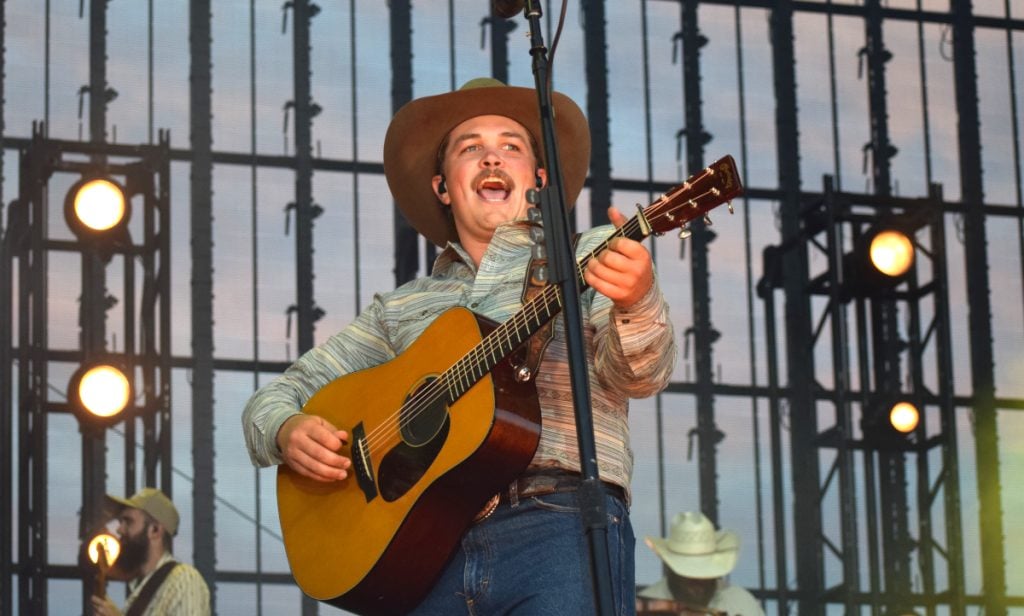
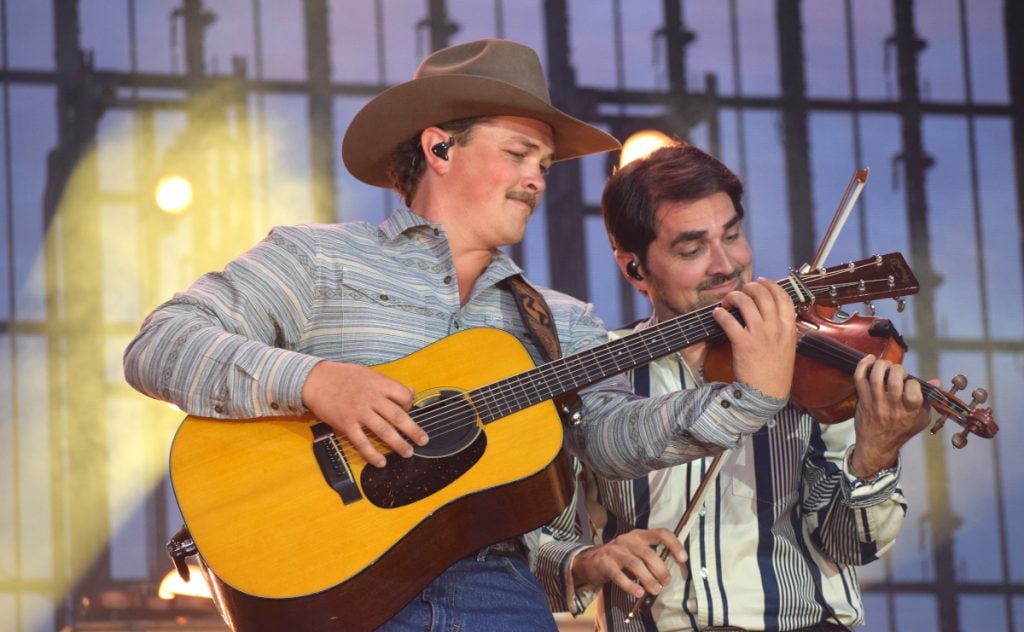
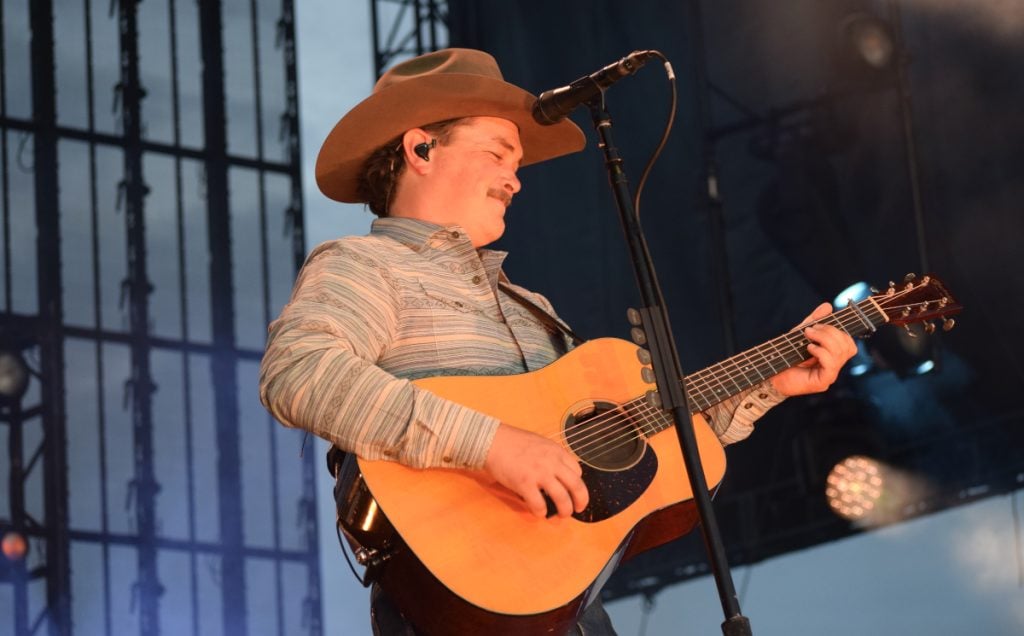
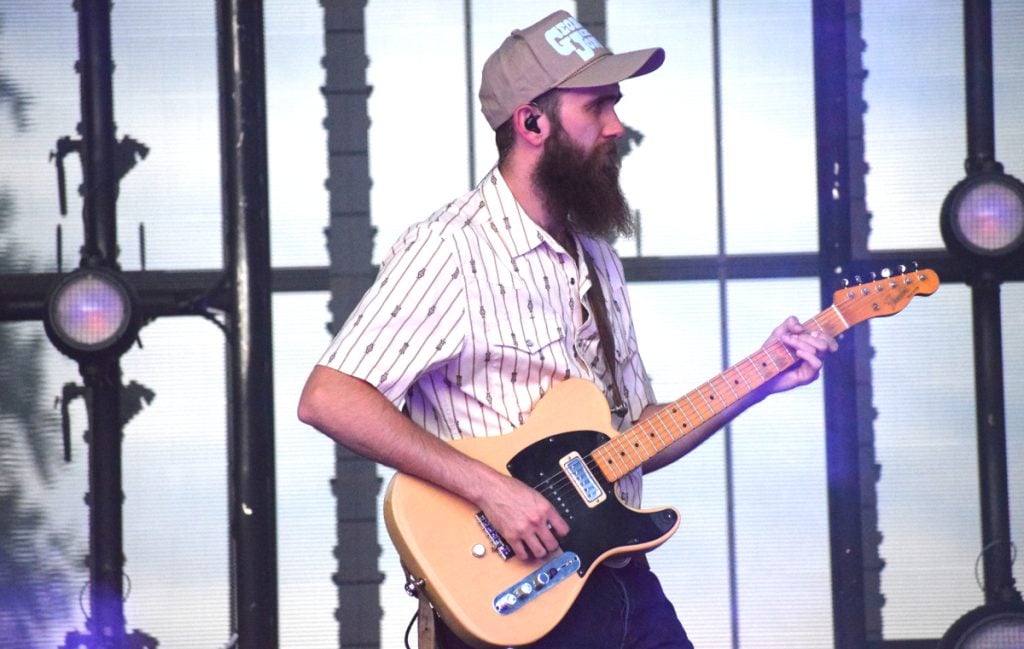
The current iteration of Top’s band is a leaner, more precise unit designed to maximize the artist’s own instrumental contributions. In a departure from previous tours where Top frequently utilized a Brent Mason-signature Telecaster for electric solos, the Saturday night set saw him exclusively handling the acoustic guitar. While some enthusiasts noted the absence of his "blazing electric solos," the shift allowed for a more focused vocal performance and showcased a refined level of acoustic flat-picking. The "tightness" of the band was evident in the seamless transitions between the honky-tonk swing of his newer material and the complex tempos of the bluegrass set.
Addressing the Songwriting Narrative
Top has faced criticism from some corners of the Nashville establishment for a perceived lack of depth in his songwriting, with detractors suggesting he relies too heavily on 1990s tropes. While tracks like "Flip-Flop" have been described as "light" in a recorded context, their live execution at Under The Big Sky suggested a different reality.
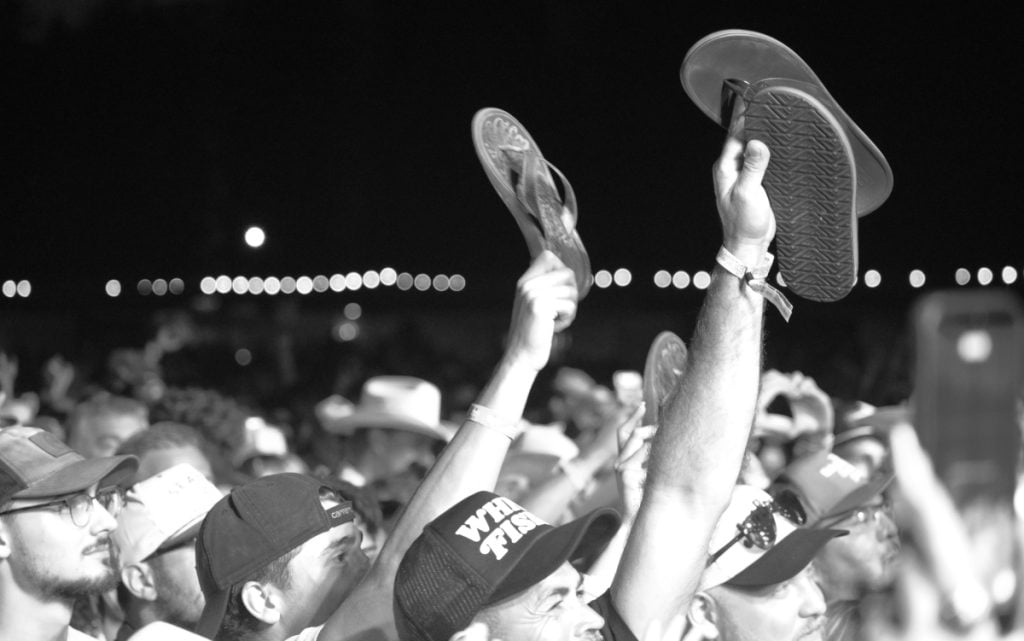
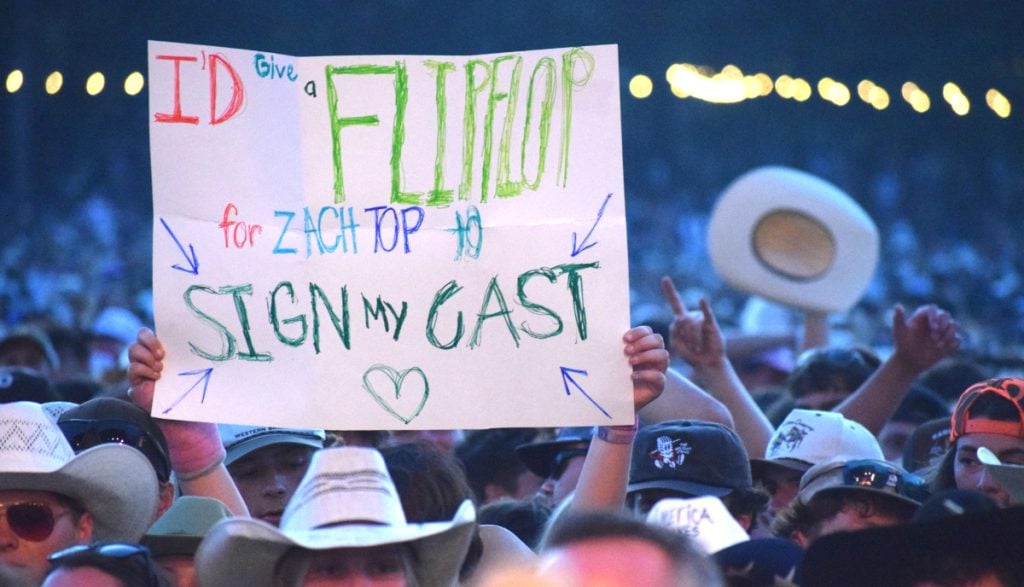
During the performance of "Flip-Flop," Top engaged the audience in a visual spectacle that saw thousands of attendees hoisting their footwear into the air. This level of engagement suggests that while the lyrics may prioritize "nostalgia" and "vibe" over complex narrative, they function effectively as communal anthems. The success of these "lighter" songs live reinforces the notion that Top’s appeal lies in his ability to curate an atmosphere—one that prioritizes the "country music experience" over the introspective singer-songwriter tradition.
Local Context and New Material
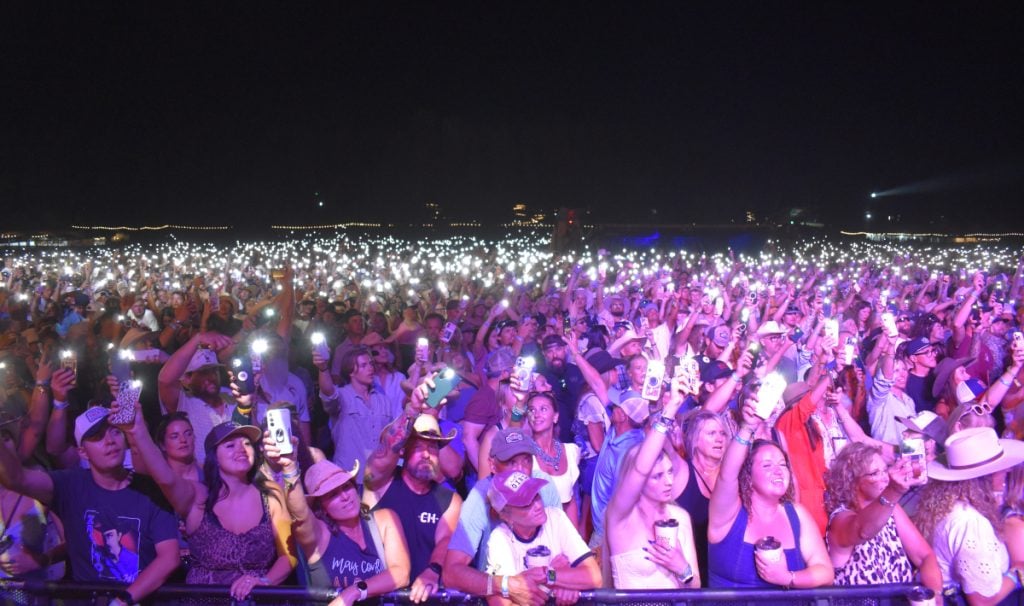
One of the night’s most resonant moments occurred during the performance of "South of Sanity," arguably the standout track from his Grammy-winning 2025 album. The song’s opening line—“somewhere outside of Missoula”—elicited a massive response from the Montana crowd, given the festival’s proximity to the city. Top leveraged this local connection by calling for a "sea of lights," as thousands of phone flashlights illuminated the Big Mountain Ranch, creating a cinematic moment that underscored his headliner status.
The evening also served as a platform for new music. Top debuted a song tentatively titled “Good Girls,” which features the hook: “Good girls are made of sugar and spice. Cowgirls are made of whiskey and ice.” The track, which leans into the traditionalist "tough-but-sweet" feminine archetypes of country music, received an immediate and positive reaction, particularly from the female demographic in the front rows. Industry insiders suggest this may be the lead single for a late-2026 or early-2027 project.
Collaborations and Unscripted Moments
The festival circuit is often defined by its collaborations, and Saturday night was no exception. Stephen Wilson Jr., who performed on the main stage immediately preceding Top, joined him for a rendition of the Townes Van Zandt-penned classic “Pancho and Lefty.”
The collaboration was not without its hurdles; Wilson Jr. appeared to struggle with the lyrics at several intervals. However, Top’s professionalism was on display as he steered the performance back on track, ensuring the "moment" remained a highlight for the fans. This veteran-like composure further solidified the perception of Top as a leader in the neo-traditional movement. Additionally, the presence of the Mountain Grass Unit—who had become the "story of the day" after filling in for a sidelined Waylon Wyatt—added to the bluegrass-heavy atmosphere of the evening, though a formal on-stage collaboration with Top did not materialize.
Fan Interactions and the "Jacket Incident"
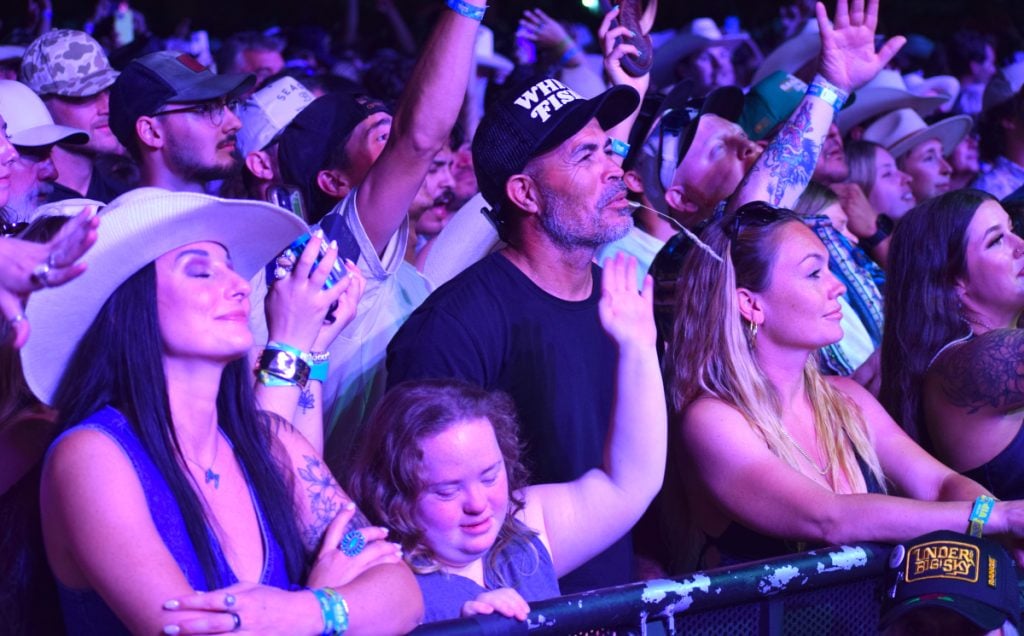
The emotional weight of the performance was best exemplified by an interaction involving a fan in the front row. During the song “Use Me,” a fan was observed in tears, visibly moved by the performance. In a rare move for a festival of this scale, Top or his management team arranged for the fan to be escorted backstage by security to watch the remainder of the set from the wings and meet the artist.
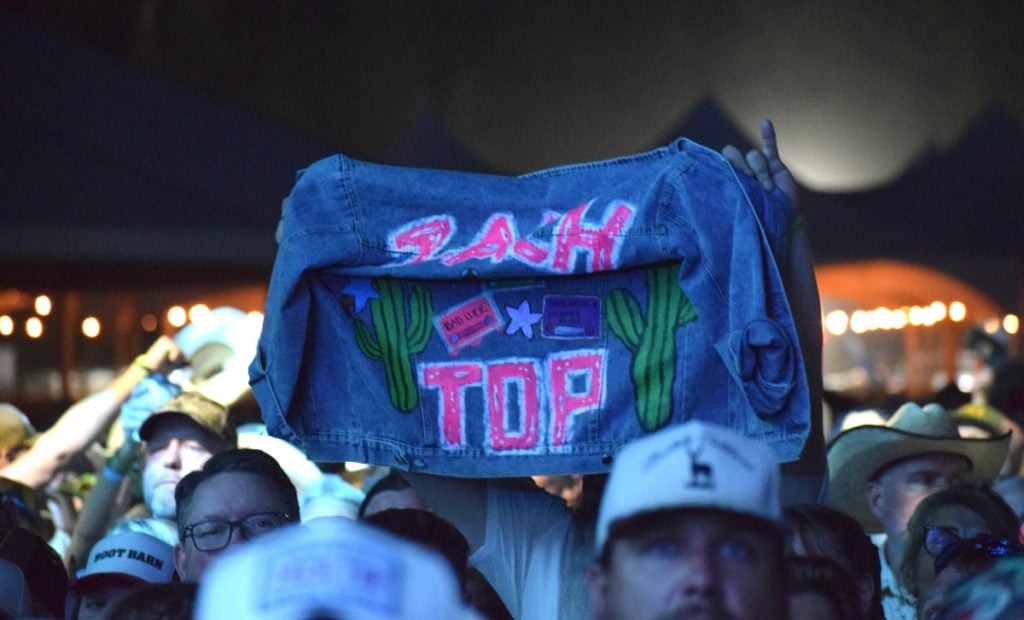
However, the night was not without minor controversy. A fan-made jean jacket, painted with “Zach Top” on the back, was passed to the stage for a signature. Following the set, a security error resulted in the signed jacket being handed to a different fan than the original owner. The ensuing dispute among the front-row attendees served as a testament to the high stakes and intense passion Top’s "super-fans" bring to his shows.
Broader Implications for Country Music
Zach Top’s performance at Under The Big Sky 2026 is more than just a successful festival set; it is a data point in the ongoing "correction" of the country music market. For nearly two decades, the genre was dominated by "bro-country" and pop-inflected productions. Top’s success signifies a return to the "center" of country music—a place where the fiddle and steel guitar are not just window dressing but the foundation of the sound.
As the festival concluded without an encore—a move described by some as a "perfect" punctuation mark on a high-energy 90-minute sprint—the consensus among industry observers was clear. Zach Top has moved beyond the "nostalgia act" label. By refining his band, leaning into his bluegrass pedigree, and maintaining a relentless touring schedule, he has proven that neotraditionalism is a viable, headliner-level force in the mid-2020s.
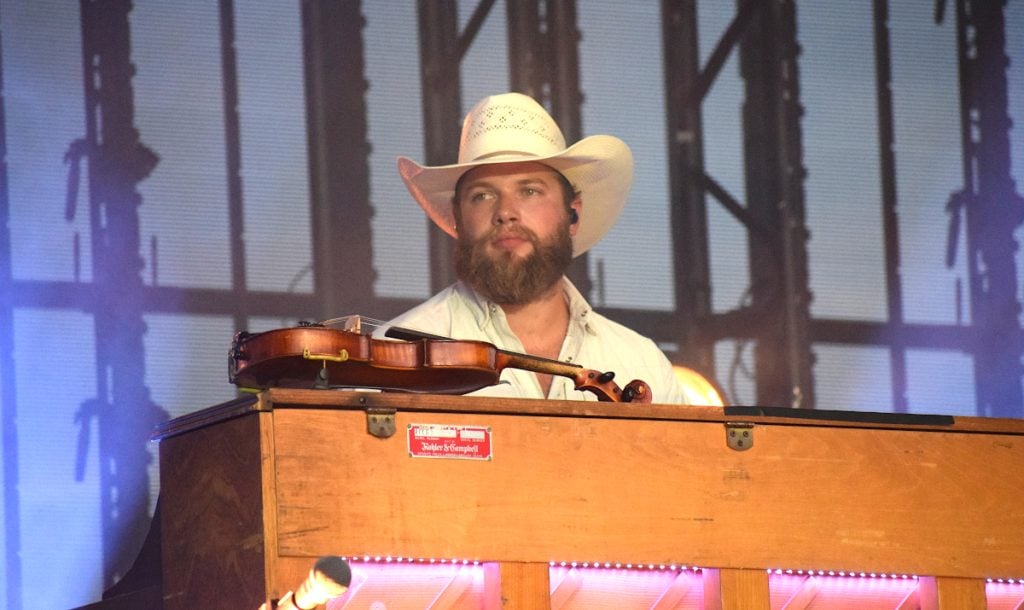
With a Grammy already in his possession and a growing repertoire of hits that resonate across generational lines, Top is no longer just a throwback; he is the blueprint for the future of the genre. His performance in Whitefish suggests that as long as there is a "big sky" and a crowd hungry for "real" country music, Zach Top will be there to provide it.
Related posts: