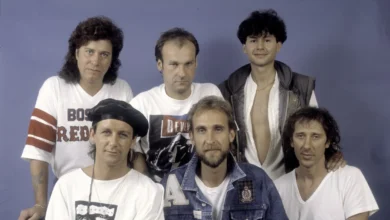
Country Music Community Honors George Jones with Star-Studded Nashville Tribute on What Would Have Been His 95th Birthday Weekend


The spirit of "The Possum" echoed loudly through the historic halls of the Nashville Palace on Sunday, September 13, as an illustrious gathering of country music legends, contemporary torchbearers, and devoted fans converged to celebrate the enduring legacy of George Jones. Held just a day after what would have marked the iconic vocalist’s 95th birthday, the sold-out tribute event served as a powerful testament to a man widely regarded as the greatest singer in country music history.

Despite Jones’s passing in April 2013, his towering presence remains deeply embedded in the cultural fabric of Nashville and the broader country genre. The Sunday evening showcase successfully bridged generations, uniting artists who shared stages with Jones alongside younger performers dedicated to preserving the uncompromising traditional sound he championed throughout his legendary career.
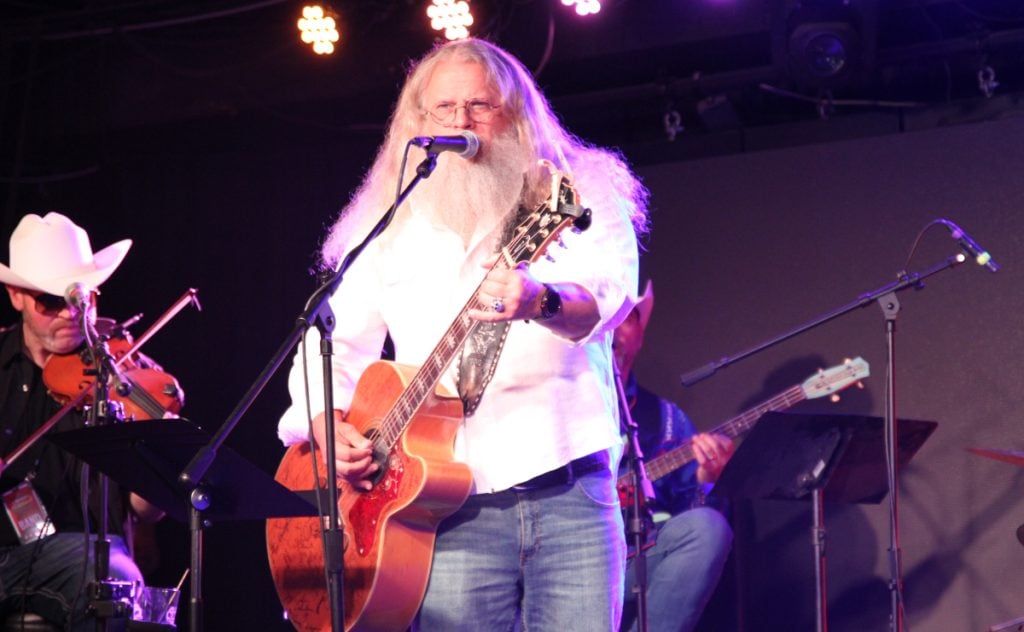
A Gathering of Legends and Torchbearers
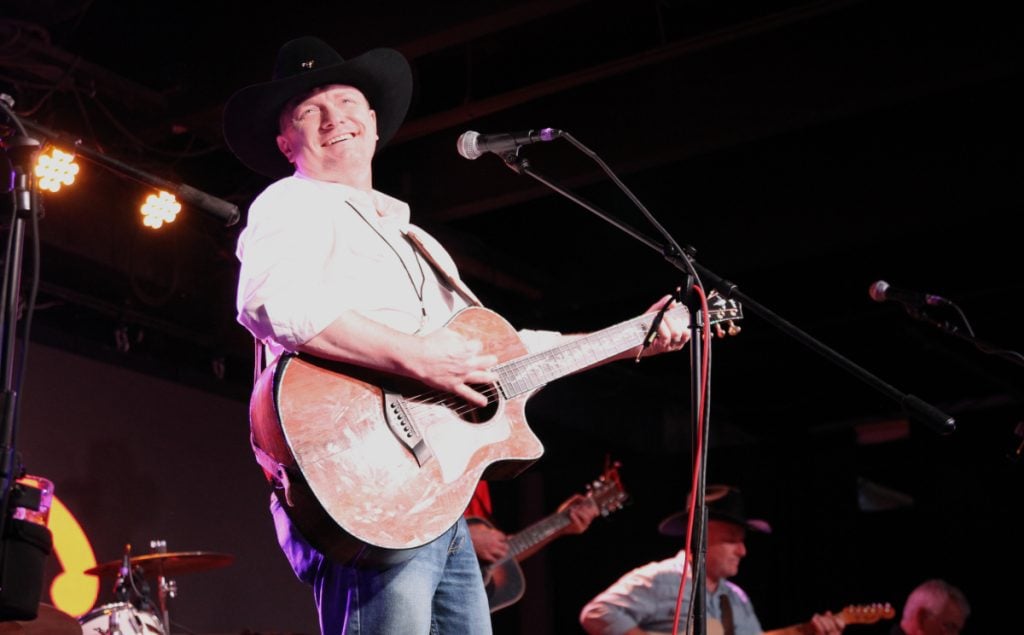
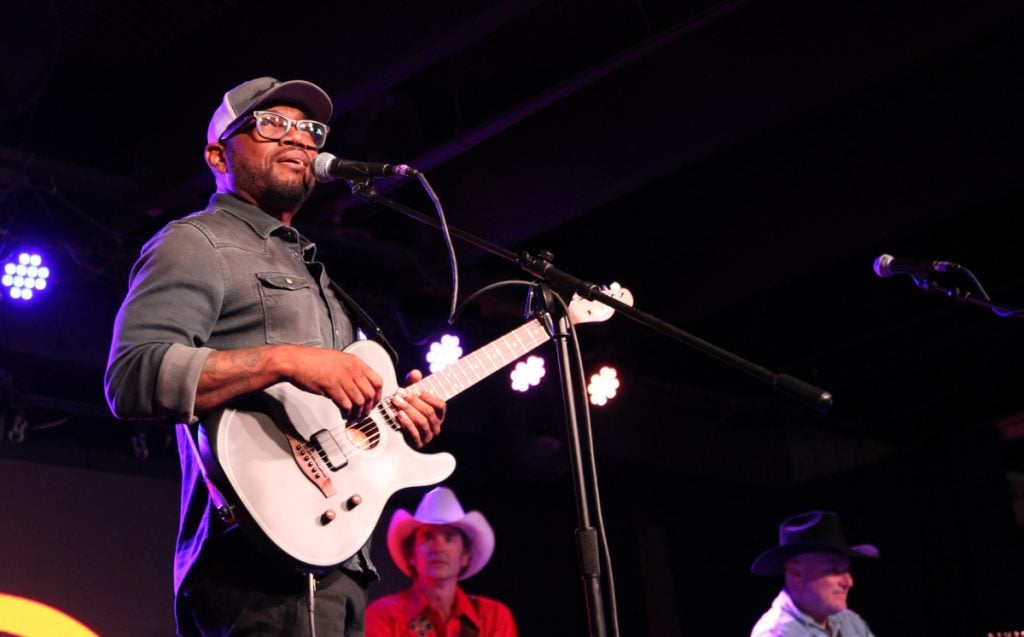
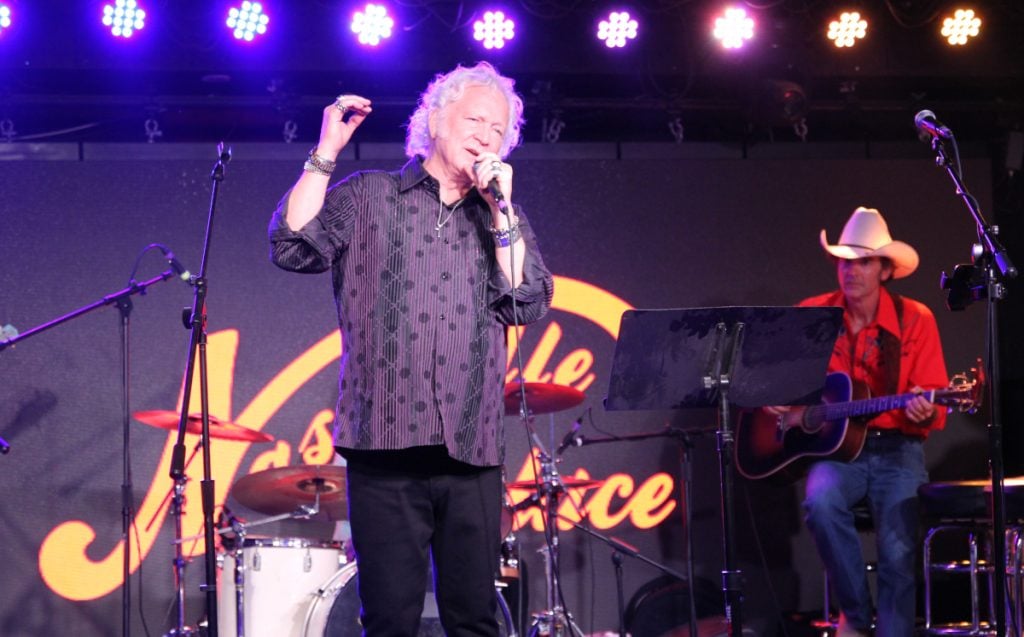
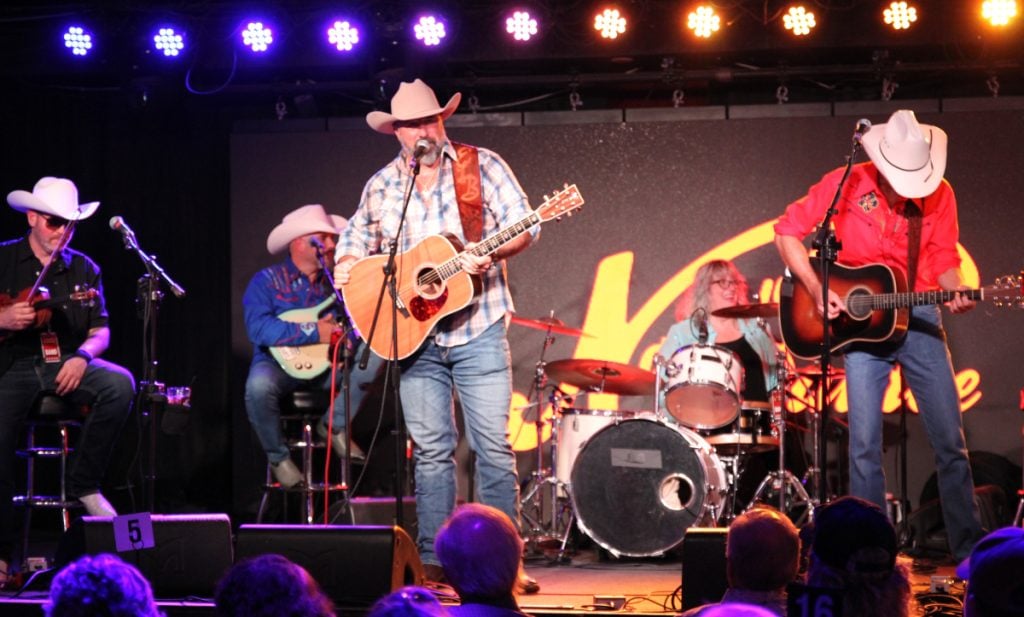
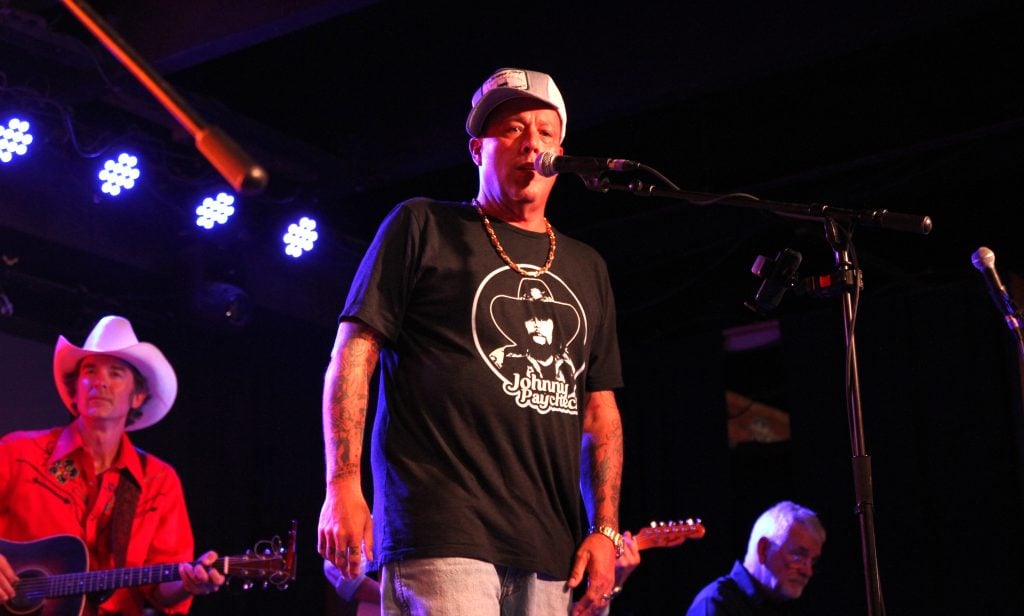
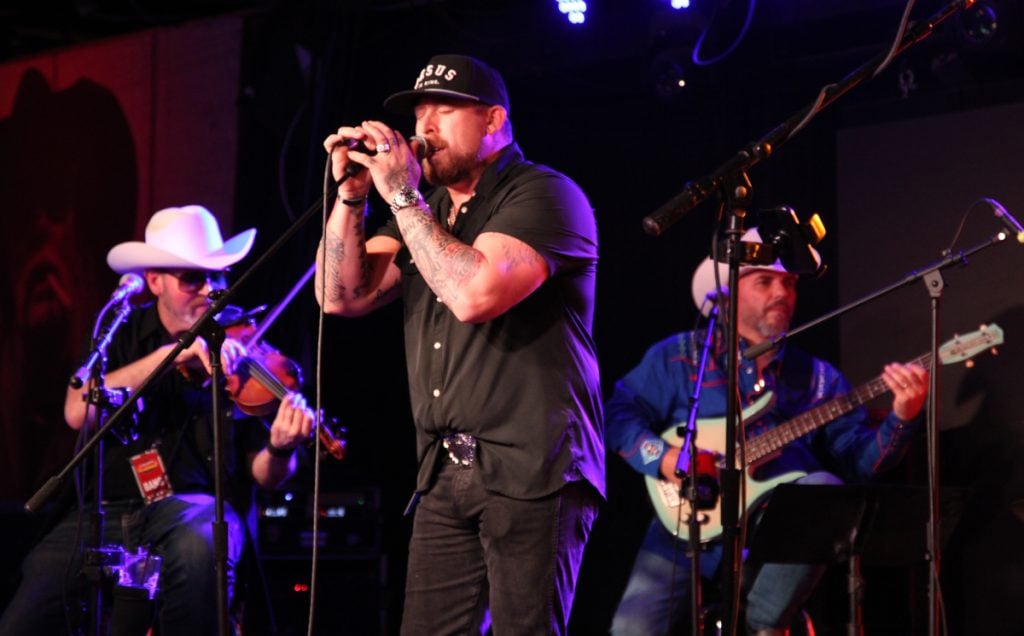
The stage at the Nashville Palace played host to an extraordinary lineup of talent, performing before an energized crowd and under the watchful eye of Jones’s widow, Nancy Jones, who watched from the audience. The roster featured a profound mix of seasoned veterans and modern guardians of honky-tonk tradition.
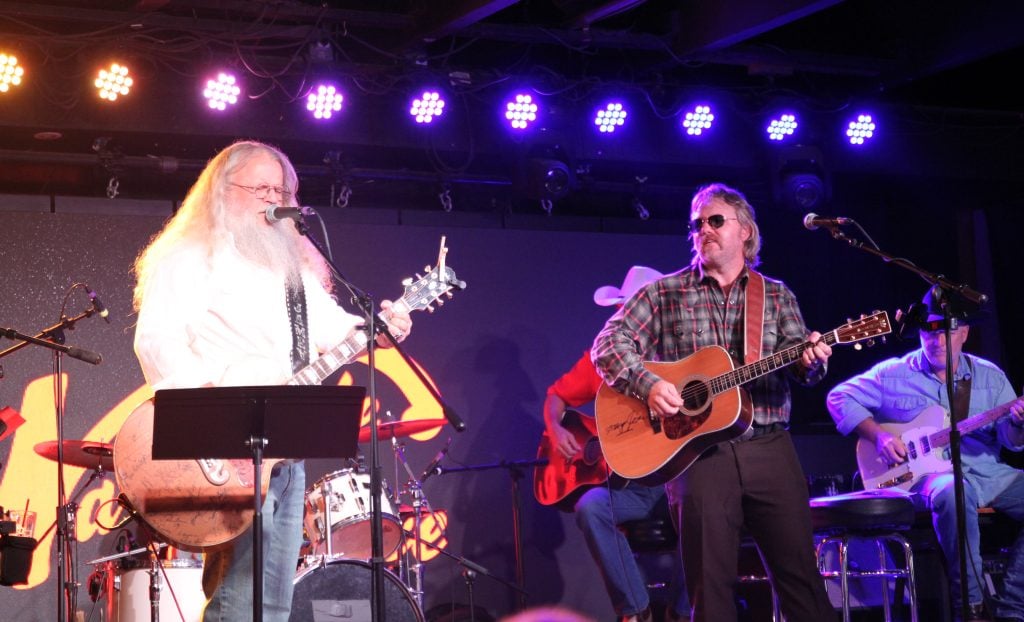
Among the standout performers was Jamey Johnson, widely recognized as one of the premier modern standard-bearers of classic country music. Johnson’s gravelly delivery and deep reverence for the genre’s roots made him a natural fit for the evening. He was joined by traditional heavyweights including Moe Bandy, T Graham Brown, and Lorrie Morgan, whose rich history with the Nashville establishment lent emotional weight to the proceedings.
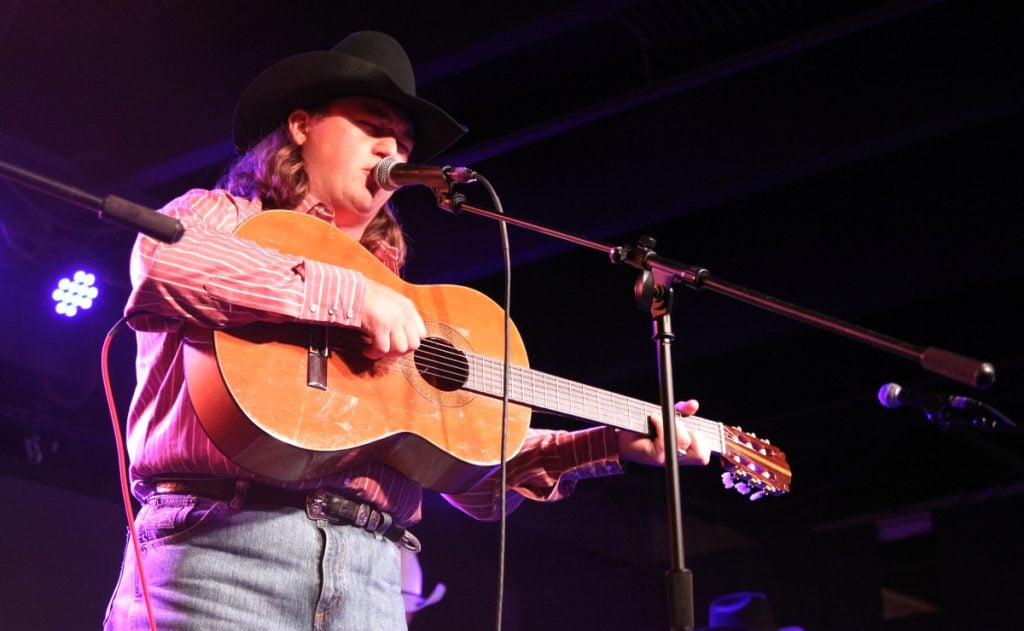
The lineage of traditional country was further represented by a new generation of artists carrying the torch forward. Jake Worthington, whose vocal stylings frequently evoke comparisons to the artists featured in Jones’s classic questioning anthem "Who’s Gonna Fill Their Shoes," delivered a compelling performance. Meanwhile, Tony Jackson—noted for his rare ability to tackle complex, emotionally demanding arrangements like "The Grand Tour" with the reverence and precision they require—stunned the audience with his vocal prowess.

The familial ties of country music royalty were also prominent on stage. Jesse Keith Whitley, son of Lorrie Morgan and the late Keith Whitley, performed alongside John PayCheck, son of outlaw country legend Johnny PayCheck. Additional performers included Eric Lee Beddingfield, Uncle Kracker, Ernest, Cletus T. Judd, Billy Yates, Heath Wright, Lisa Matassa, Bobby Braddock, Belle Frantz, Tim Watson, and Dickey Lee. Adding to the star power in the room, country icon Randy Travis was on hand to show his support, while legendary songwriter Gary Gentry served as a guest of honor, helping lead the house band.
Event Logistics, Mystery Lineups, and Philanthropy
Despite the organizers keeping the specific performer lineup entirely under wraps prior to the event, the tribute sold out almost instantaneously upon going on sale. This rapid sellout underscores the fierce, unyielding loyalty of the George Jones fan base and the widespread desire to keep traditional country music alive in an era heavily dominated by commercial pop-country crossover sounds.
Beyond celebrating musical heritage, the evening was structured with a strong philanthropic mission. Proceeds generated from ticket sales and event sponsorships were earmarked for two specific charitable initiatives: Concerts 4 a Cause, based in Huntsville, Alabama, which supports various community and humanitarian efforts, and The George Jones Scholarship fund at Middle Tennessee State University (MTSU). The scholarship is designed to support students pursuing education in the arts and music industry, ensuring that future generations of industry professionals understand and respect the foundational contributions of artists like Jones.
The Immeasurable Footprint of George Jones
Born on September 12, 1931, in Saratoga, Texas, George Jones lived a life as tumultuous as it was artistically brilliant. Over a recording career that spanned more than five decades, Jones charted more than 150 hits on the Billboard country music charts, a staggering achievement that included timeless classics such as "He Stopped Loving Her Today," "White Lightning," and "Choices."

Renowned for his ability to convey profound heartbreak, raw vulnerability, and everyday working-class struggles through his unmatched phrasing and emotional delivery, Jones earned the affectionate nickname "The Possum" early in his career due to his distinct facial features. Fellow legend Frank Sinatra once famously referred to Jones as the second-greatest singer in the world, trailing only behind himself—a testament to the universal respect Jones commanded across all genres of popular music.
When Jones passed away on April 26, 2013, at the age of 81, the country music community suffered an irreplaceable loss. However, events like the annual Nashville Palace tribute demonstrate that his artistic DNA continues to thrive, serving as a moral and stylistic compass for artists navigating the modern music landscape.
Broader Implications for Traditional Country Music
The success of the Nashville Palace tribute highlights a growing, resilient counter-movement within the country music industry. While mainstream radio and commercial Nashville labels frequently prioritize polished, pop-infused sounds designed for broad demographic appeal, events celebrating foundational architects like George Jones prove that a dedicated, highly engaged market exists for authentic, steel-guitar-driven traditionalism.
Analysts note that gatherings of this nature serve a vital sociological and cultural function within the genre. They provide a physical space where older legends can be honored directly by their peers while giving rising traditionalists validation and exposure in front of passionate audiences. Furthermore, by tying these celebrations to educational and charitable endowments—such as the MTSU scholarship—the community actively invests in the longevity and historical preservation of the genre.
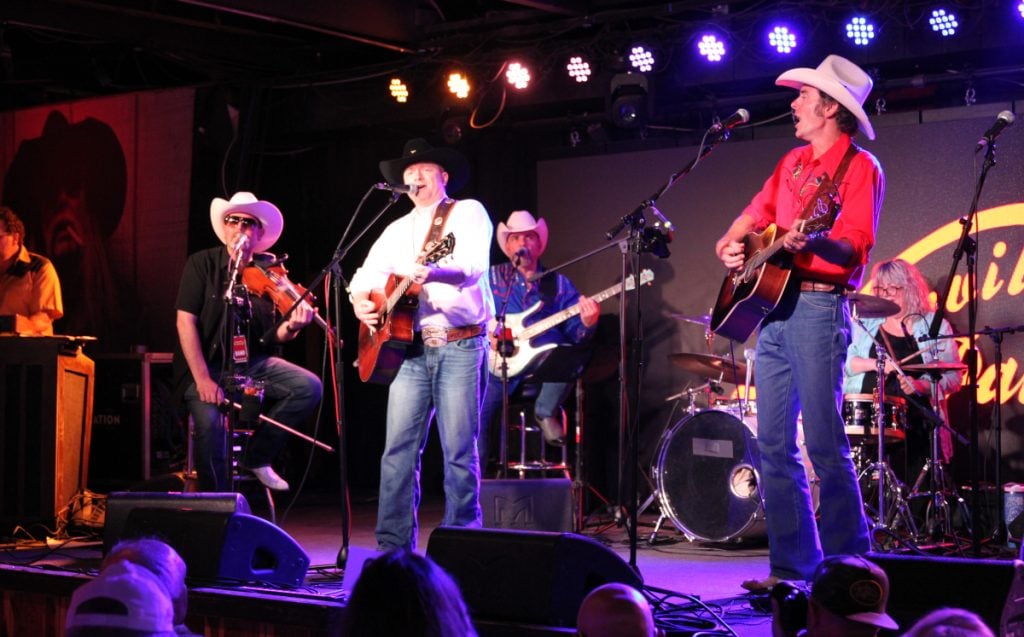
As the final notes of Jones’s timeless catalog faded from the Nashville Palace on Sunday evening, the message was abundantly clear. Trends in popular culture may shift, and commercial sounds will continue to evolve, but the artistic benchmark set by George Jones remains untouched—guaranteed a permanent place in the hearts of musicians and fans dedicated to keeping real country music alive.
Related posts: