Google Pixel 11 Pro Review: A Productivity Powerhouse That Struggles to Find Its Rhythm in High-Fidelity Entertainment

The Google Pixel 11 Pro represents the latest evolution in the Mountain View-based technology giant’s flagship smartphone lineup, arriving at a critical juncture where artificial intelligence has transitioned from a secondary feature set to the foundational architecture of the device. Priced as a premium competitor, the handset—starting at £1079 / $1099 / AU$1849 for the 256GB model—is clearly positioned to challenge the established duopoly of Apple’s iPhone 18 Pro and the Samsung Galaxy S26 Ultra. While Google has successfully cemented its reputation as a leader in computational photography and AI-driven software efficiency, the device’s performance in the specific, demanding arenas of high-fidelity audio and cinematic visual reproduction warrants a more nuanced examination.
The Evolution of the Pixel Hardware Strategy
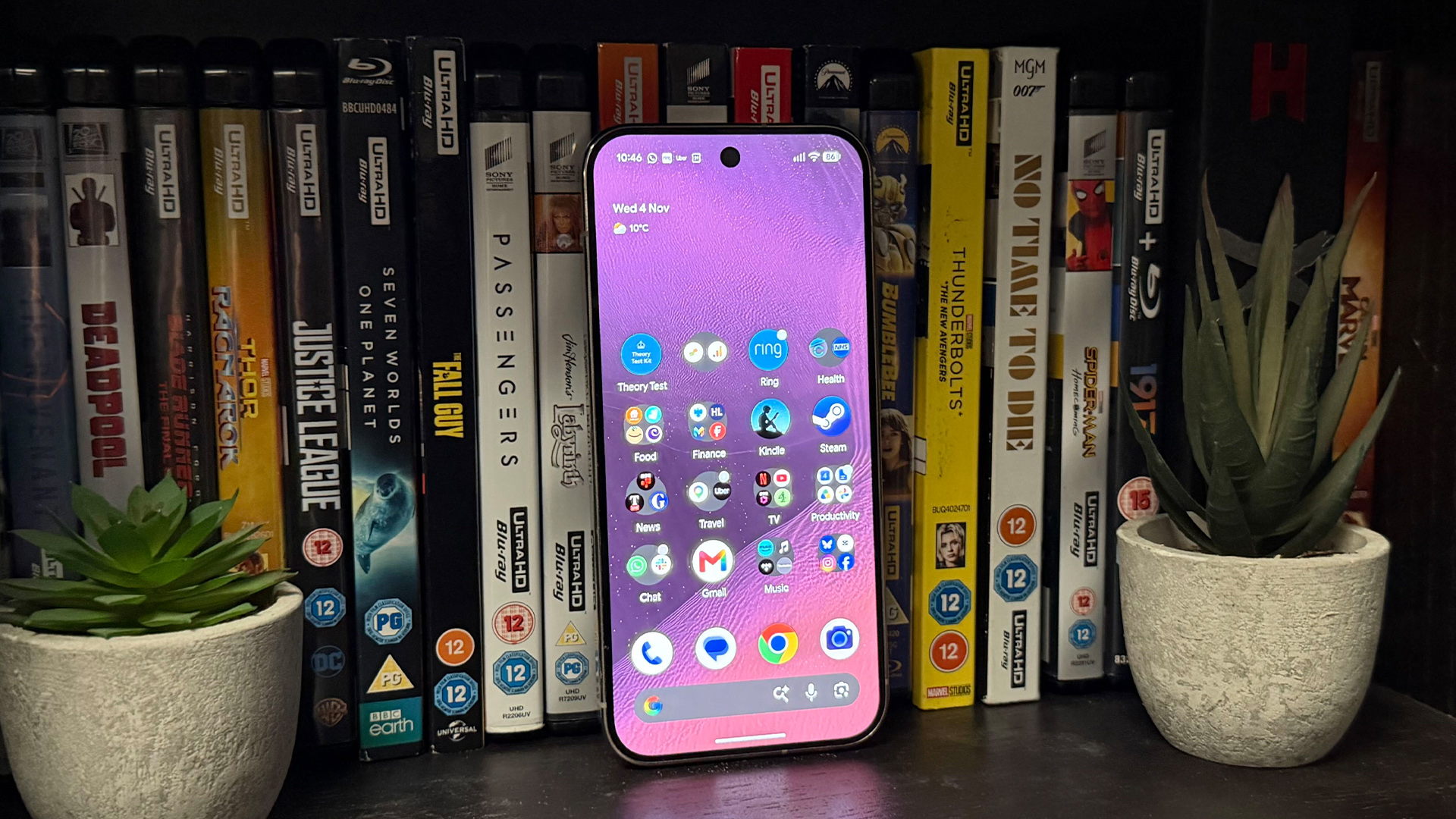
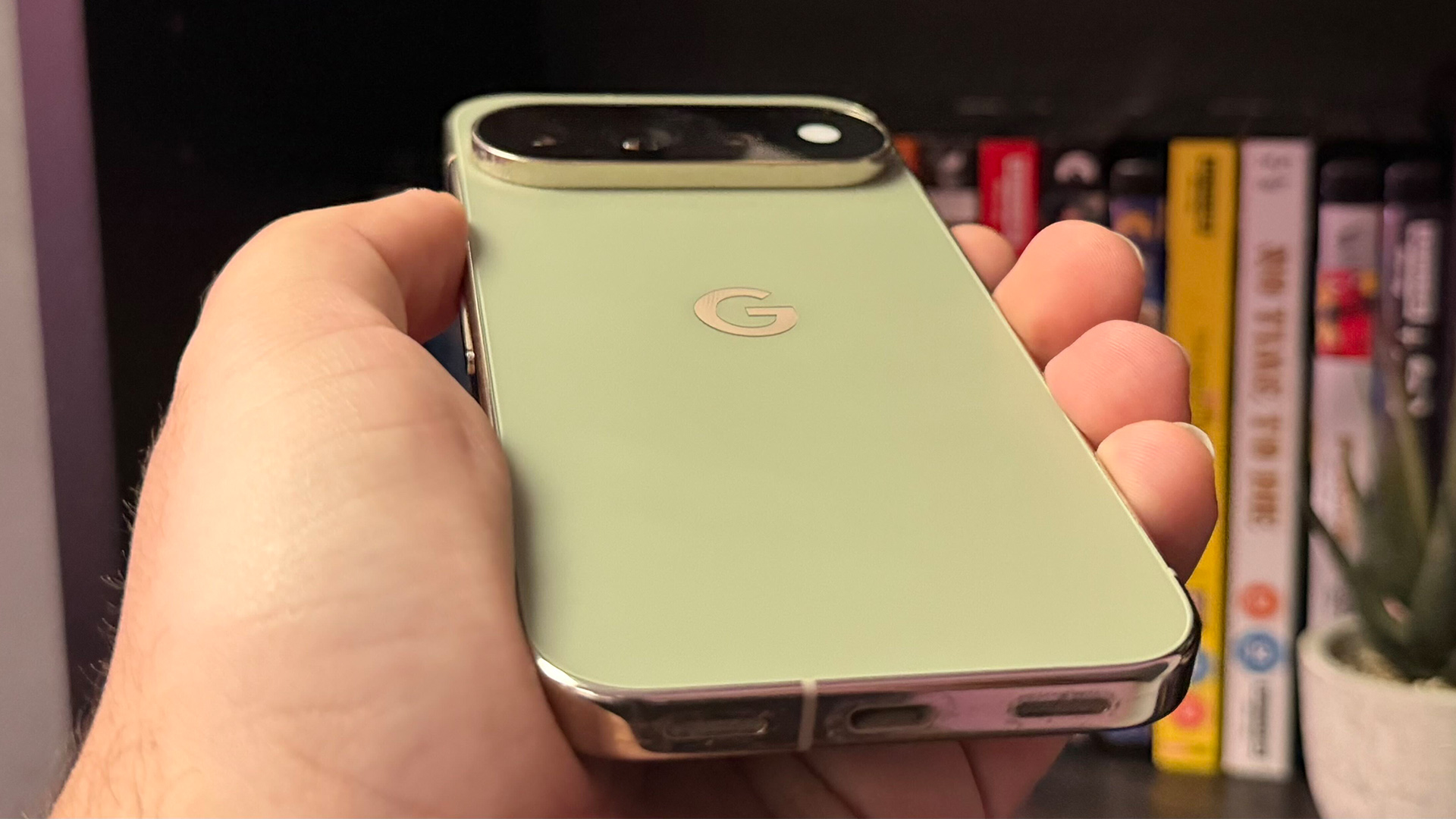
Since the inception of the Pixel series, Google has pivoted from experimental hardware to a refined, standardized flagship experience. The Pixel 11 Pro follows the design language established by its predecessors, favoring a sleek, glass-and-metal construction that prioritizes ergonomics and utility over the experimental folding form factors seen in more expensive niche devices. Measuring 153 x 72 x 8.4mm and weighing 204g, the device is notably more compact than the Galaxy S26 Ultra, making it a viable option for users seeking high-end performance in a manageable form factor.
The device is powered by the custom-designed Tensor G6 chipset, which Google claims offers a 20 percent increase in power efficiency and significant gains in multi-tasking speeds compared to the previous generation. However, the reliance on advanced AI for real-time processing has introduced some stability concerns. During our testing, the handset demonstrated occasional stuttering in high-performance gaming scenarios, suggesting that while the software optimization is sophisticated, the thermal and processing overhead of the Tensor G6 may occasionally conflict with demanding graphical workloads.
A Camera Suite Defined by Computational Intelligence
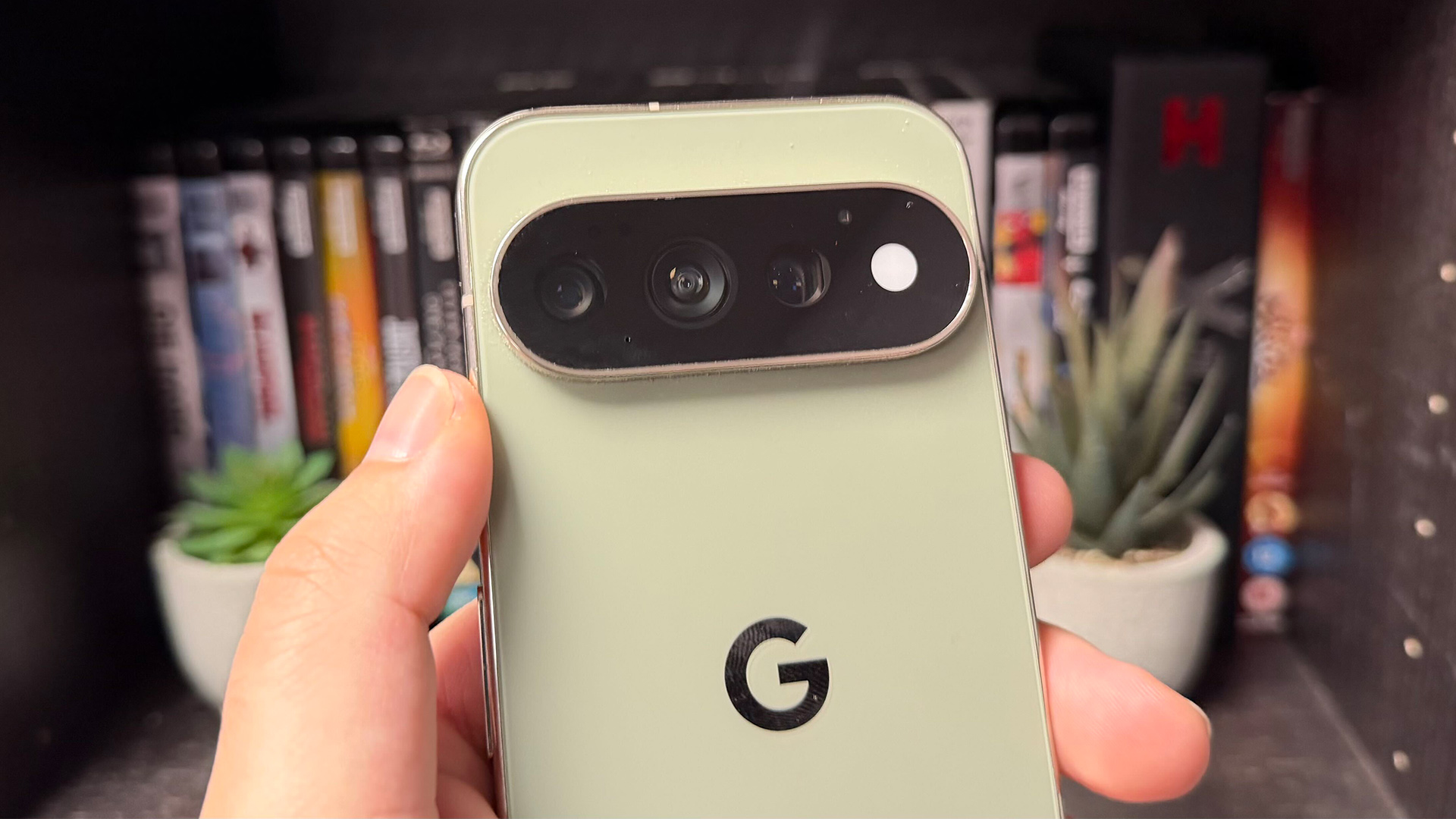
The standout feature of the Pixel 11 Pro remains its triple-sensor rear camera array, consisting of a 50MP main lens, a 48MP telephoto sensor, and a 48MP ultrawide lens. These hardware components are augmented by a 42MP front-facing camera, all managed by the proprietary Tensor G6 processing unit.
Google’s approach to mobile photography has consistently favored computational intervention over raw hardware dominance. The Pixel 11 Pro continues this trend, producing images that are remarkably crisp and balanced. In low-light environments, the device’s software effectively eliminates noise without the artificial over-brightening that plagues many competing handsets. Furthermore, the integration of AI-powered editing tools allows users to manipulate images with a degree of precision that was previously limited to desktop-class photo editing software. While this is a boon for casual users and social media content creators, it underscores a shift in the smartphone’s primary utility: it is a computer for the pocket, designed to manage information and create media rather than serve as a primary consumption device for high-fidelity audio-visual content.
Visual Performance: The Limitations of HDR and Bitrate
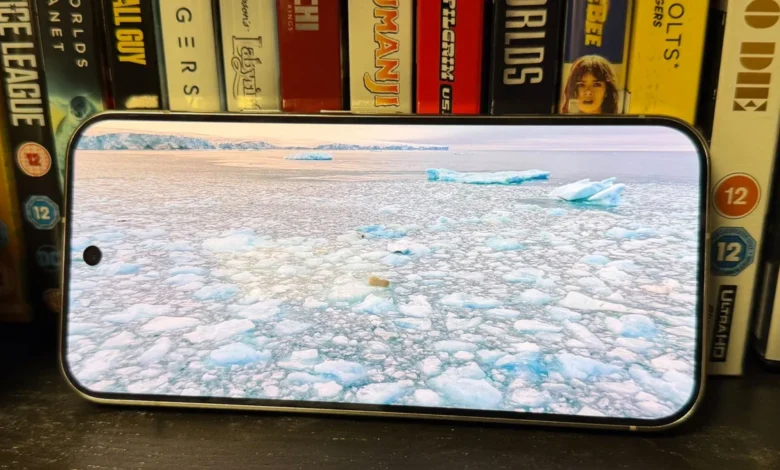
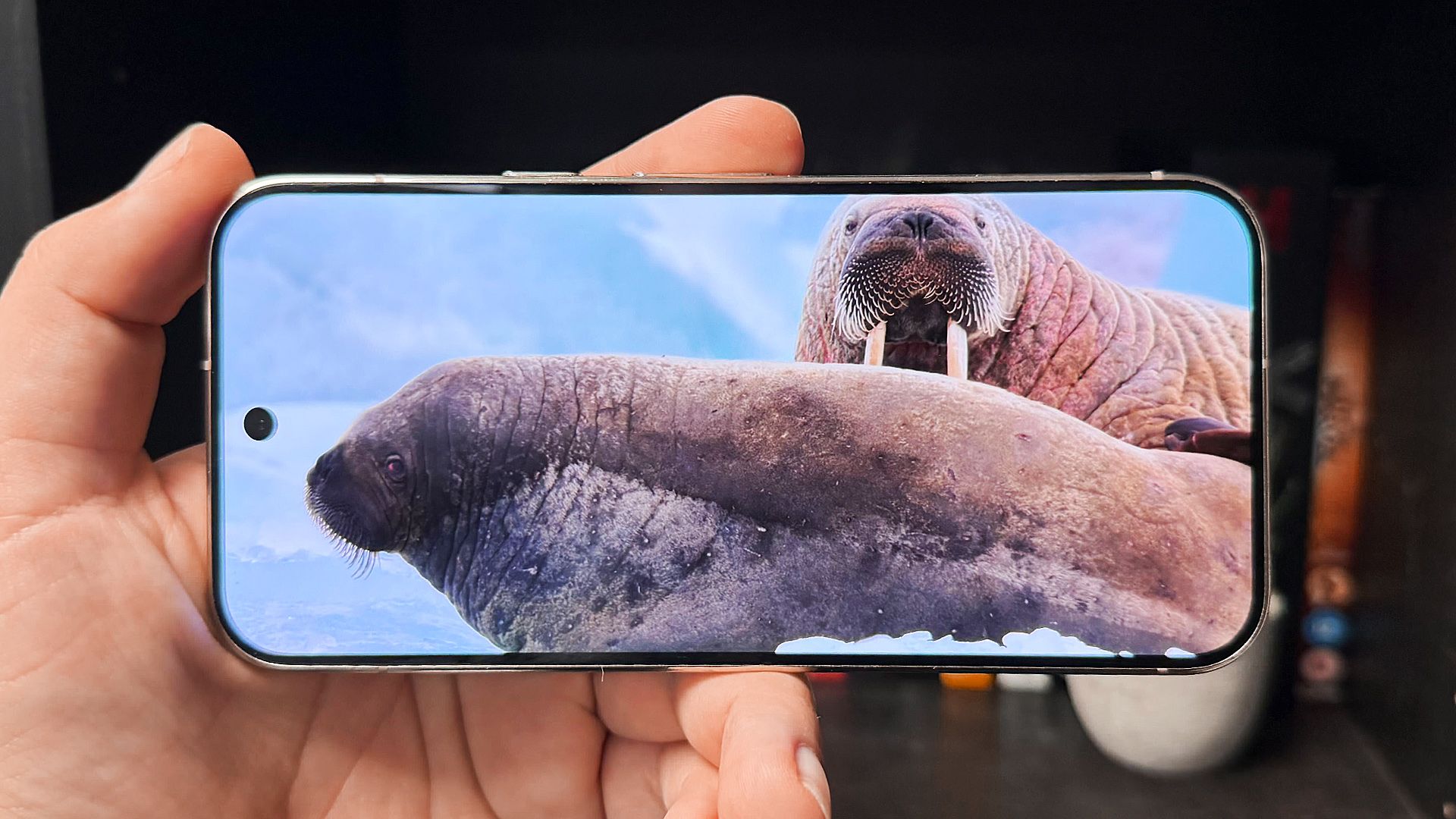
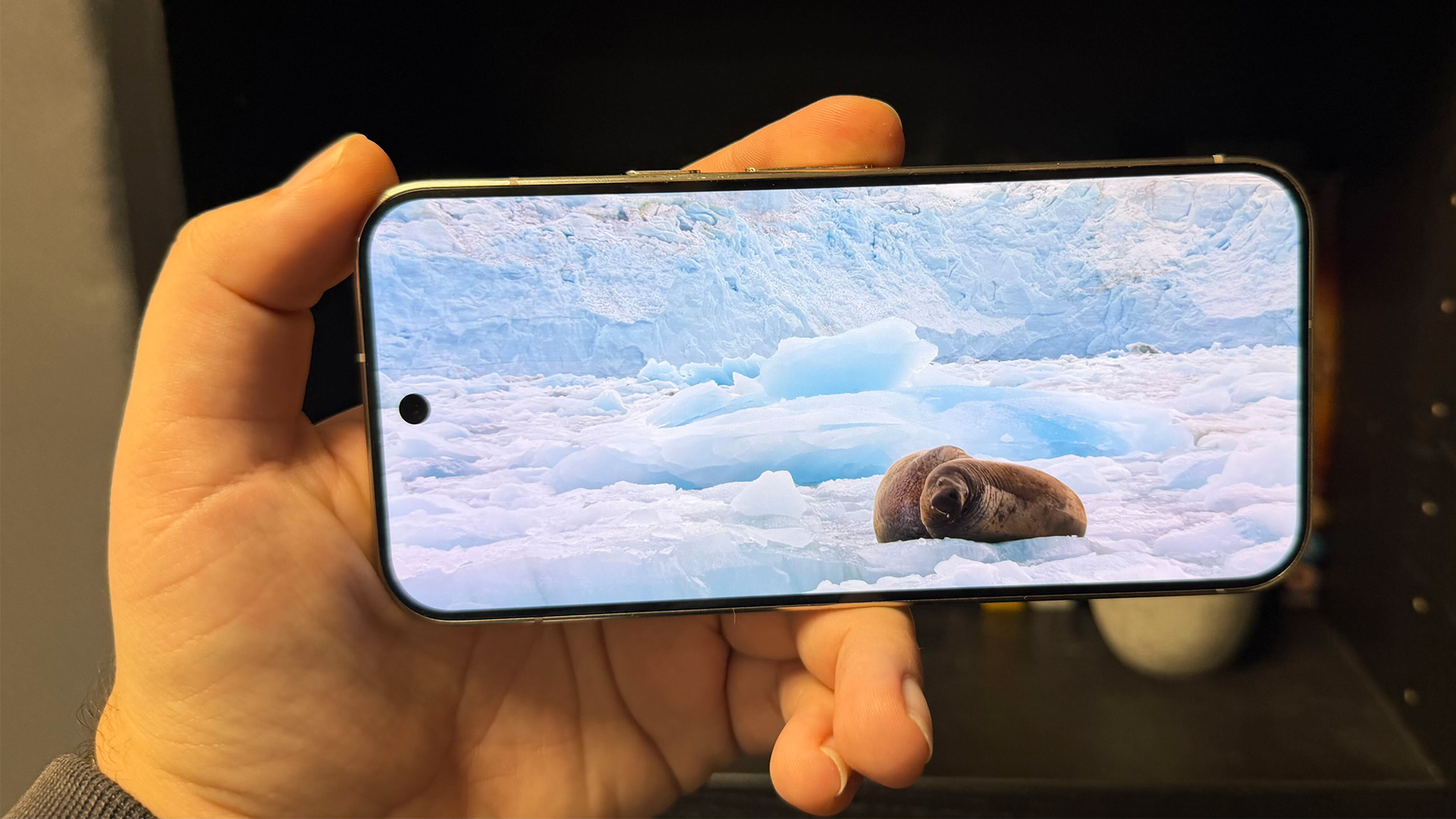
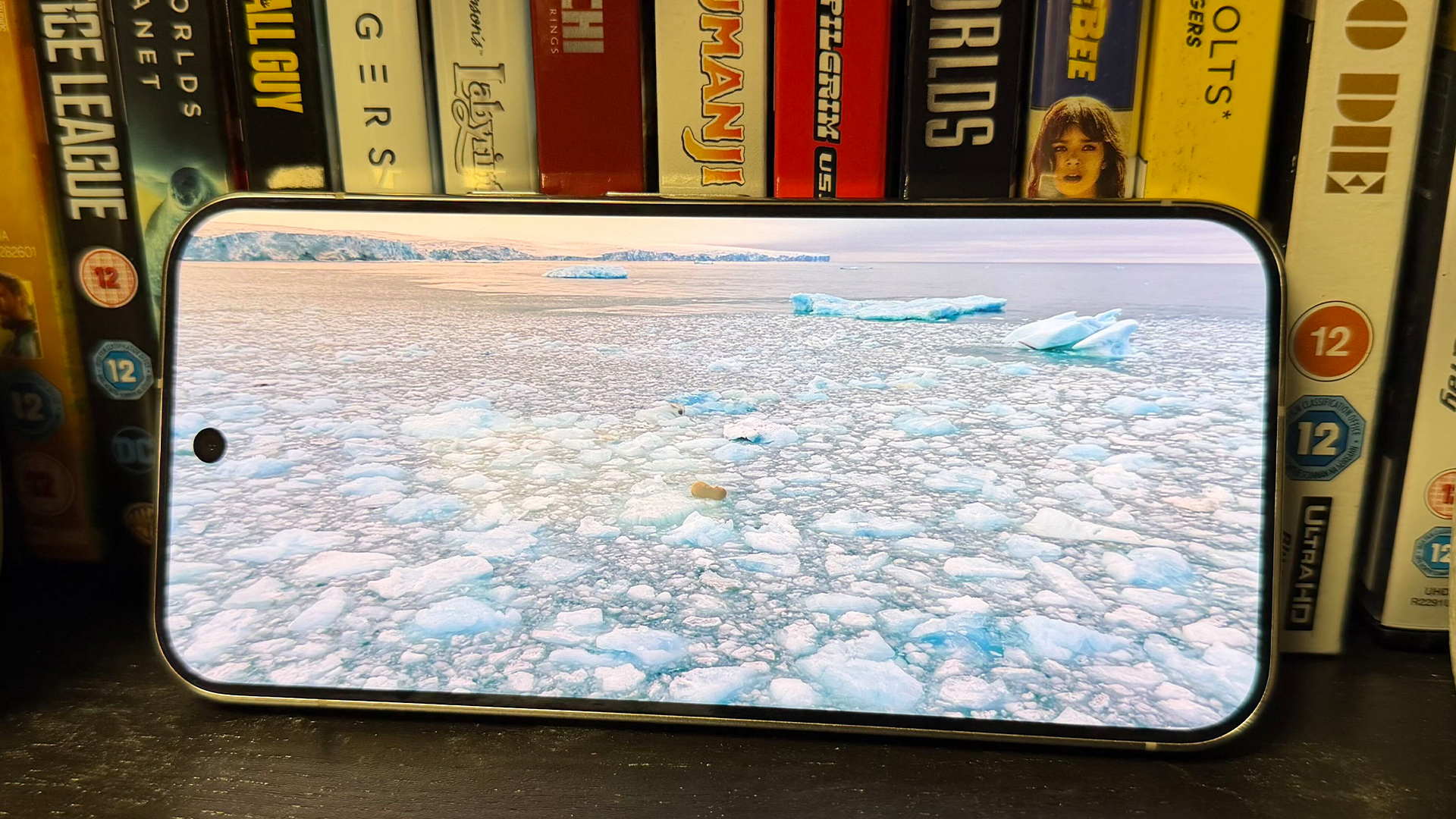
For the mobile cinephile, the Pixel 11 Pro features a 6.3-inch Super Actua OLED display with a resolution of 2856 x 1280 and a 120Hz refresh rate. In terms of sheer brightness, the panel is exceptional, capable of hitting 2400 nits in high-brightness HDR modes. This allows for a punchy, vivid viewing experience that can, in ideal conditions, outperform the current iPhone lineup in terms of peak intensity.
However, a display’s quality is only as good as its processing and source content compatibility. The Pixel 11 Pro, like most Android devices, omits support for Dolby Vision, relying instead on HDR10 and HDR10+. While the device gracefully downsamples Dolby Vision content to HDR10, the resulting picture lacks the depth and contrast observed on devices with native support. When streaming high-bitrate films, such as Blade Runner 2049 via Amazon Prime, the device occasionally struggled with compression artifacts in darker scenes—a phenomenon not observed on the iPhone 18 Pro or the Samsung Galaxy S26 Ultra. While the "Natural" display preset provides a pleasingly neutral color profile, the overall cinematic experience remains a tier below the industry’s best-in-class, leaving it in a position of "good but not great" for dedicated home cinema enthusiasts.
Audio Performance: The Persistent Gap
If the Pixel 11 Pro is a productivity powerhouse, it is a modest performer when it comes to acoustics. Since the introduction of the modern Pixel line, Google has struggled to match the audio dynamics and soundstage width offered by its primary rivals.
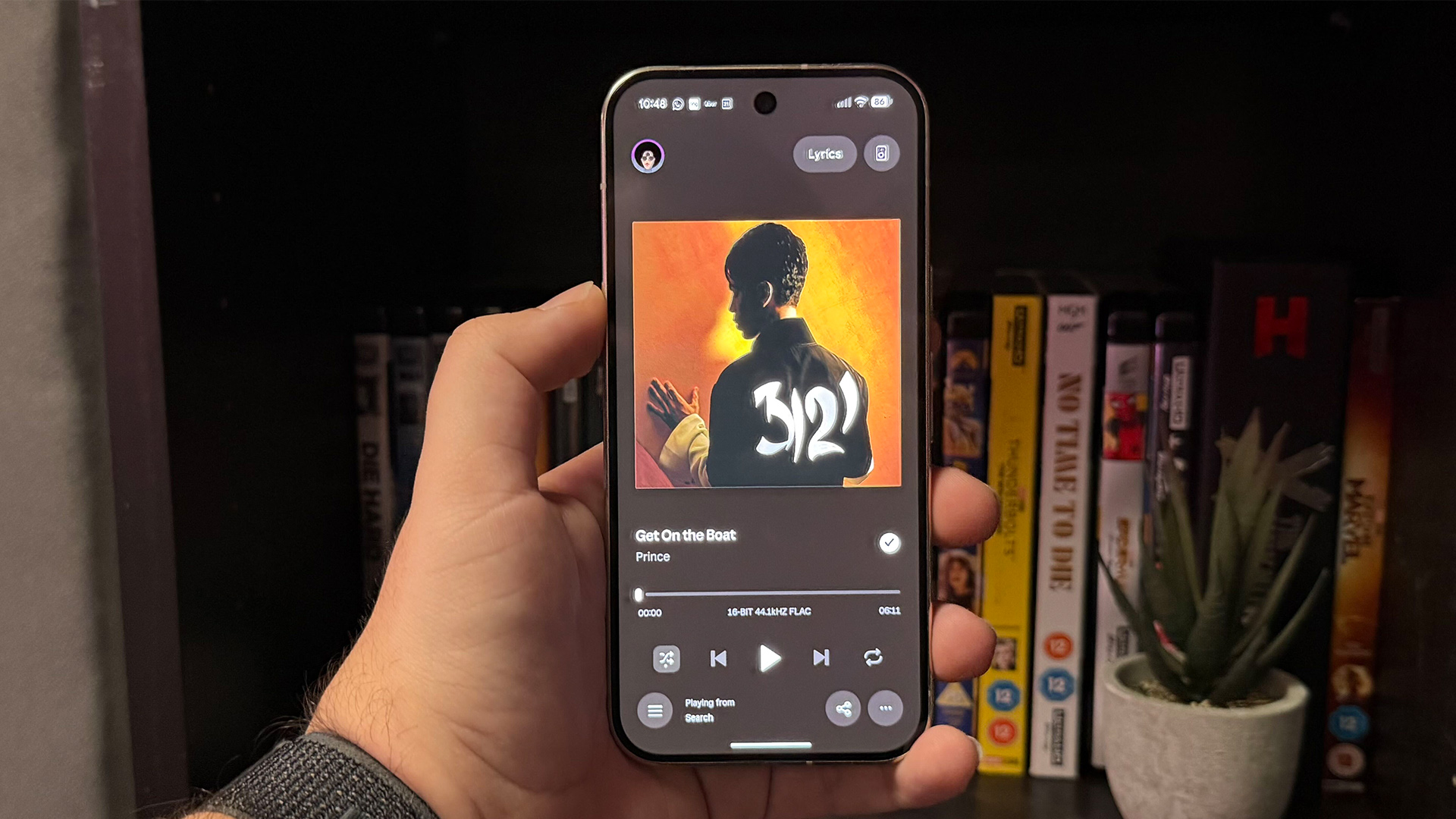
Testing the device with high-quality streaming from Tidal and a pair of USB-C cabled over-ear headphones reveals a sound signature that is consistently safe but largely uninspiring. While the separation of individual instruments is commendable, the device lacks the low-end authority and overall dynamism necessary to create an immersive listening experience. On complex, funk-driven tracks like Prince’s Get On The Boat, the soundstage collapses into a congested center image, lacking the expansive, layered presentation that high-end mobile audio listeners expect. The lack of warmth and emotional resonance makes the device a utilitarian tool for music playback rather than a high-fidelity instrument.
Market Implications and Competitive Context
The decision to price the Pixel 11 Pro at a flagship level—entering the market at the same tier as the iPhone 18 Pro—forces a direct comparison that may prove difficult for Google. For the average consumer who values productivity, software longevity, and camera capability, the Pixel 11 Pro is a compelling, highly integrated device. The "unskinned" nature of Android 17 ensures that users receive timely security updates and app support, potentially extending the device’s life cycle beyond that of its competitors.
However, the market for premium smartphones is increasingly bifurcated. On one side are the foldables, such as the Galaxy Z Fold 8 and the Google Pixel 11 Pro Fold, which command higher price points for unique, utility-focused form factors. On the other side are the traditional slabs, where the iPhone 18 Pro has established a reputation for industry-leading media playback and audio fidelity.
By prioritizing AI-integrated features like the "HiLight Studio" for notification management and "Rambler" for improved dictation, Google has clearly signaled its target audience: the power user. These features, while innovative, hold little appeal for the audiophile or the cinephile. The absence of an SD card slot is now a standard industry trend, further pushing users toward cloud storage and streaming, which underscores the device’s reliance on high-speed data connectivity over local media fidelity.
Final Assessment
The Google Pixel 11 Pro is a testament to the power of artificial intelligence in modern mobile computing. It is a highly efficient, capable, and intelligent device that excels at the tasks required by the modern professional. Its camera system is, without question, one of the most capable in the industry, offering a seamless user experience that makes professional-grade photography accessible.
However, for the specific segment of the population that views a smartphone as a portable high-fidelity cinema or a high-end music player, the Pixel 11 Pro leaves room for improvement. The screen, while bright and sharp, lacks the necessary processing for optimal high-bitrate streaming and native format support. The audio output, while clean, lacks the dynamism required to compete with the best in the market. Consequently, while the Pixel 11 Pro is an excellent smartphone, it remains a secondary choice for those whose primary criteria for a flagship device are centered on the quality of their media consumption.