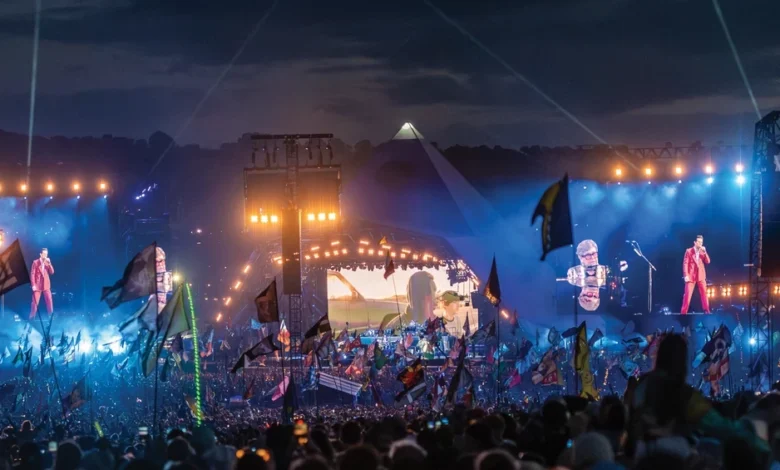
The organizers of the world-renowned Glastonbury Festival have officially confirmed the ticketing schedule and pricing structure for the 2027 edition of the event. Following a scheduled fallow year in 2026, the festival is set to return to Worthy Farm in Pilton, Somerset, from Wednesday, June 23, through Sunday, June 27, 2027. For the first time in the festival’s storied history, the cost of a standard entry ticket has surpassed the £400 threshold, reaching £408 per person. This figure includes a £5 booking fee, reflecting a notable increase from the £378.50 price point observed in 2025.
The sales process will be bifurcated to accommodate both coach-inclusive packages and standard admission. Tickets bundled with official coach travel are scheduled to be released at 6:00 PM BST on Thursday, October 1, 2026. General admission tickets will subsequently go on sale on Sunday, October 4, 2026. Prospective attendees are encouraged to register through the official Glastonbury website, as the festival utilizes a strict registration system designed to combat touting and unauthorized resales.
A Decade of Escalating Costs
The shift past the £400 barrier marks a significant milestone in the economic trajectory of the UK’s live music industry. Analysis of ticket pricing over the last decade indicates a persistent upward trend. In 2013, a standard ticket was priced significantly lower, and the gap between then and the 2027 figures represents an increase of approximately 30% when adjusted for various inflationary pressures and operational costs.
Industry experts often attribute these rising costs to a combination of factors, including the surging expenses associated with global logistics, high-end production values, security infrastructure, and the rising fees commanded by international touring artists. Despite the public debate surrounding the affordability of major music festivals, demand for Glastonbury remains exceptionally high, with tickets consistently selling out within minutes of their release.
The Value Proposition and Charitable Impact
While the price increase has drawn scrutiny, the organizers maintain that the cost covers a comprehensive five-day experience. The ticket price provides attendees with access to over 4,000 individual performances across more than 100 distinct stages. Beyond the headlining acts, the festival functions as a sprawling cultural hub, offering camping facilities, theatrical displays, art installations, and community-led initiatives.
Critically, Glastonbury is structured differently than many commercially driven festivals. A significant portion of the revenue generated is funneled into charitable causes. The festival maintains long-standing partnerships with organizations such as Oxfam, Greenpeace, and WaterAid. By directing proceeds toward these entities, the festival effectively acts as a major philanthropic force, leveraging its massive attendance to provide funding for international development, environmental conservation, and clean water access.
Chronology of the Glastonbury Experience
Glastonbury’s evolution from a modest gathering in 1970—then known as the Pilton Pop, Blues & Folk Festival—to a global cultural juggernaut is well-documented. Michael Eavis, the festival’s founder, initially charged £1 for entry, which included free milk from the farm. Over the subsequent five decades, the event has transformed into an essential fixture of the British summer, moving from a counter-cultural experiment to an institution that occupies a central space in the global music calendar.
The festival’s decision to implement "fallow years"—typically every five years—is a strategic choice designed to allow the land at Worthy Farm to recover from the intense environmental impact of the event and to provide the local community with a respite from the influx of tens of thousands of visitors. The 2027 event follows the 2026 fallow period, heightening expectations for the return of the festival’s signature atmosphere.
Historical Significance and Cultural Legacy
The enduring appeal of the festival is anchored in its ability to balance contemporary pop culture with its historical roots. Recent editions have featured a diverse array of musical styles, ranging from electronic music pioneers like Four Tet and Floating Points to pop icons such as Charli XCX and rock legends like The Prodigy. The 2025 festival, in particular, was lauded for its eclectic curation, securing a No. 9 ranking in the 2026 Top 100 Festivals poll, underscoring its continued relevance in a crowded market.
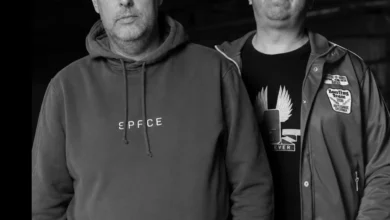
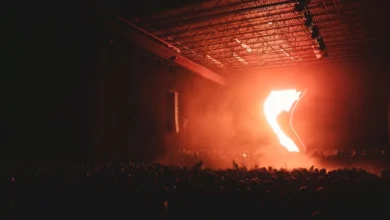
The festival’s history is often celebrated through the lens of its iconic performances. For instance, the 1994 set by electronic pioneers Orbital on the NME Stage remains a pivotal moment in the festival’s lore. Often cited by festival co-organizer Emily Eavis as the "start of something new," the performance marked the solidification of dance music as a primary attraction at Glastonbury. To preserve this history, London Records is slated to release the 1994 set on vinyl and digital platforms, serving as a reminder of the event’s deep influence on modern music history.
Market Implications for the Festival Circuit
The pricing announcement for 2027 serves as a bellwether for the broader UK festival landscape. As production costs rise, smaller independent festivals have frequently struggled to remain solvent, leading to a wave of cancellations across the industry in recent years. Glastonbury, due to its scale and organizational model, remains shielded from the immediate existential threats faced by smaller entities, but its pricing adjustments set a market standard that other organizers are often compelled to follow.
There is also an ongoing discussion regarding the accessibility of live music. As tickets become more expensive, the demographic profile of attendees may shift. The organizers address this by maintaining a registration system that prioritizes fairness, yet the reality remains that for many, a £408 ticket represents a substantial financial commitment. Financial experts suggest that the festival’s ability to sell out at these price points demonstrates the "experience economy" at work, where consumers are increasingly willing to prioritize premium, once-in-a-lifetime events over other forms of discretionary spending.
Looking Toward 2027
As preparations for the 2027 festival gain momentum, the focus will soon shift to the announcement of the lineup. Traditionally, the festival avoids revealing its headliners until the spring of the event year, a strategy that preserves the mystery and encourages ticket sales based on the event’s reputation rather than specific artist bookings.
In the interim, the organizers are focused on the infrastructure of the site, which requires extensive planning to ensure safety and sustainability. The festival’s commitment to environmental sustainability remains a key pillar of its operations, with efforts to minimize waste and promote the use of renewable energy sources being integral to the event’s permit and ongoing planning permission.
The decision to break the £400 barrier is not merely an administrative update; it is a reflection of the current economic environment within which the arts exist. As Glastonbury prepares for its next chapter, the balance between maintaining the festival’s unique, communal ethos and meeting the rising financial demands of modern event production will continue to be the primary challenge for the Eavis family and the broader Glastonbury team. For the thousands of fans who make the pilgrimage to Somerset every year, the price hike—while significant—appears to be a cost they are willing to bear for the sake of an event that, for many, remains the pinnacle of the live music experience.