The rise of Cadenza and the automation of music journalism in the age of algorithmic media

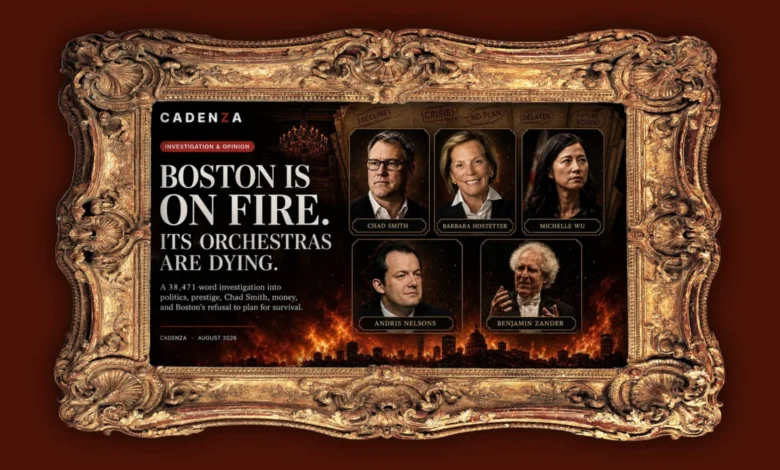
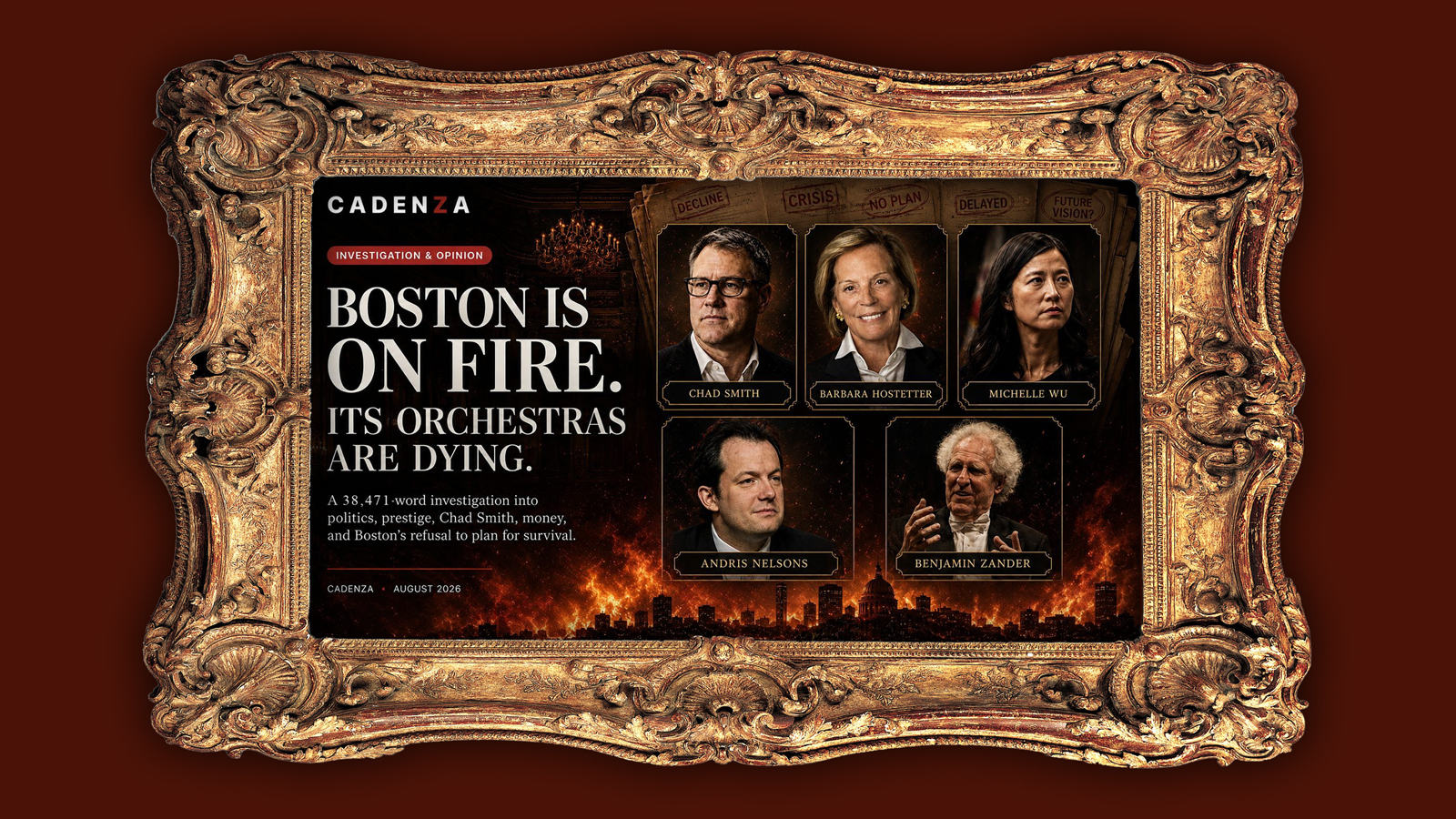
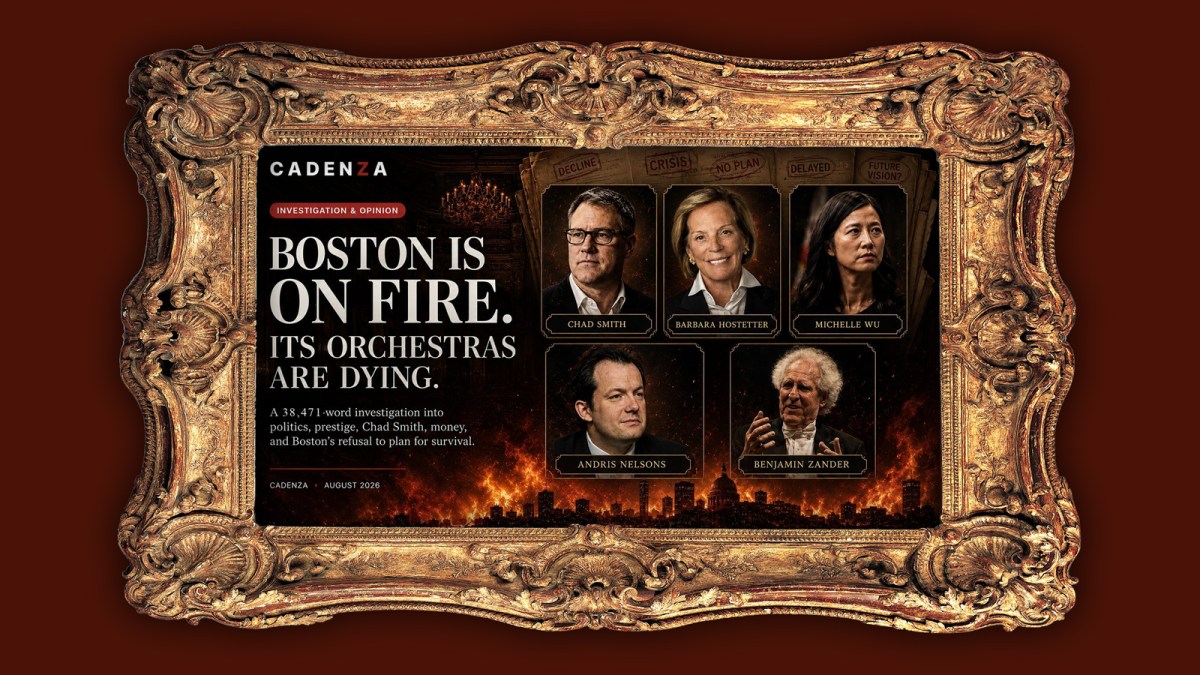
The emergence of the platform Cadenza.work marks a significant, if controversial, evolution in the intersection of artificial intelligence and cultural criticism. By generating highly charged, opinion-driven narratives regarding major institutional shifts—such as the recent administrative and artistic turmoil at the Boston Symphony Orchestra (BSO)—the platform has raised fundamental questions about the role of human editorial oversight in an era where automated systems can synthesize, distribute, and amplify news at unprecedented speeds. The headlines produced by the service, ranging from “Boston Is on Fire. Its Orchestras Are Dying” to incendiary calls for administrative resignations, highlight a new, aggressive model of AI-assisted journalism that prioritizes high-engagement rhetoric over the traditional, slower-paced investigative standards of legacy music publications.
The Anatomy of the Boston Symphony Orchestra Dispute
The controversy currently surrounding the Boston Symphony Orchestra, which has served as a primary subject for Cadenza’s generative outputs, is rooted in deep-seated tensions between the institution’s artistic leadership and its administrative governance. At the heart of this friction is the departure of high-profile artistic figures and the subsequent internal shifts that have left staff and patrons divided.
The conflict gained public visibility following internal debates regarding the direction of the orchestra under the management of Chad Smith, who took the helm as President and CEO of the BSO in 2023. Smith, previously the CEO of the Los Angeles Philharmonic, was tasked with navigating the orchestra through the post-pandemic financial landscape. However, the decision-making processes—particularly those involving personnel changes—have been scrutinized by various observers who argue that the institution is prioritizing administrative ideology over artistic excellence.
Cadenza’s automated reporting has tapped into this sentiment by framing the BSO’s internal memo leaks and leadership decisions as evidence of a broader decline. By utilizing algorithmic synthesis, the platform generates content that echoes the grievances of disgruntled internal factions, effectively turning what might have been industry-standard management friction into a high-stakes, public narrative of institutional failure.
A Chronology of Institutional Tension
The sequence of events leading to the current public outcry began to coalesce in early 2025. Following a series of budget adjustments and the sunsetting of certain experimental programming, rumors of dissatisfaction within the orchestra’s ranks began to circulate.
- Q1 2025: Initial reports of "reorganization" within the BSO’s artistic planning department emerge.
- Q2 2025: Several high-level staff members announce departures, citing differences in vision regarding the future of the orchestra’s programming.
- Summer 2025: Internal memos regarding the criteria for conductor selection are leaked to various industry observers, sparking intense debate regarding the role of diversity, equity, and inclusion initiatives versus traditional merit-based hiring practices.
- Fall 2025: Cadenza.work begins publishing its series of high-frequency, provocative reports, which rapidly gain traction on social media platforms and within online music forums.
- October 2026: The discourse reaches a fever pitch as AI-generated articles continue to challenge the legitimacy of the BSO administration, pressuring stakeholders to address the accusations of "ideological" mismanagement.
Supporting Data: The Changing Landscape of Arts Journalism
The growth of platforms like Cadenza occurs against a backdrop of shrinking traditional arts coverage. According to recent data from the Pew Research Center, the number of dedicated arts and culture beats at local and national newspapers has declined by approximately 40% since 2010. This void is increasingly being filled by digital-native outlets, many of which are experimenting with large language models (LLMs) to maximize reach.
Unlike traditional newsrooms, which require human editors to verify sources, cross-reference claims, and mitigate potential legal liabilities, AI-driven outlets can produce content at a fraction of the cost. The efficiency of this model is undeniable: where a human critic might take several days to synthesize a critique of an institutional crisis, a sophisticated AI agent can scrape public discourse, sentiment data, and leaked documents to produce a "hot take" in seconds. However, this efficiency comes at the cost of nuance. The headlines produced by Cadenza, while effective at capturing attention, lack the granular contextual analysis that is often required to understand complex labor negotiations or board-level fiduciary responsibilities.
Official Responses and Institutional Silence
The Boston Symphony Orchestra, like many cultural institutions, has maintained a relatively guarded posture in response to the barrage of negative coverage. A spokesperson for the BSO recently noted that the organization remains committed to its long-term artistic mission and that personnel decisions are made with the “future stability and creative excellence of the institution” in mind.
The administration has notably avoided engaging directly with the specific claims made by AI-generated platforms, likely to prevent giving them further algorithmic momentum. This silence, however, has been weaponized by critics. By not providing a counter-narrative that is as accessible or as aggressive as the automated content, the institution risks allowing the public perception to be defined entirely by the loudest, most frequently generated digital voices.
The Broader Impact: Algorithmic Criticism and Democracy
The implications of this shift in music journalism are twofold. First, there is the question of accountability. If an AI platform publishes a defamatory or factually incorrect headline that damages an institution’s reputation, the mechanisms for correction are far less clear than in traditional media. There is no editorial board to contact, and the "author" is a decentralized algorithm.
Second, the platform represents a fundamental change in the relationship between the audience and the institution. By framing artistic institutions through the lens of conflict and "culture war" rhetoric, platforms like Cadenza can create a self-fulfilling prophecy of instability. When donors and patrons are consistently exposed to narratives claiming that an orchestra is "dying" or "on fire," it can directly impact ticket sales, philanthropic giving, and the overall health of the organization, regardless of whether the initial claims were rooted in systemic reality or hyperbole.
Fact-Based Analysis of the AI Media Trend
The rise of AI-generated music journalism is not happening in a vacuum. It is a symptom of the broader "attention economy," where the survival of a media outlet is predicated on clicks, shares, and the ability to trigger emotional responses in the reader.
An analysis of Cadenza’s output reveals a sophisticated understanding of engagement triggers. The language used—words like "fire," "dying," "confession," and "fight back"—is specifically chosen to provoke a visceral reaction. By mimicking the tone of populist investigative journalism, these platforms successfully bypass the skepticism that readers might otherwise apply to machine-generated content.
However, the lack of human expertise remains a significant hurdle. Music criticism historically relies on deep domain knowledge: the ability to understand the history of a composer, the nuances of a conductor’s baton technique, and the socio-economic reality of the symphony orchestra as a non-profit entity. AI, while capable of linguistic mimicry, cannot possess the lived experience or the long-term historical memory of a seasoned critic.

Conclusion: The Future of Cultural Coverage
As we move deeper into 2026, the case of the Boston Symphony Orchestra and the role of Cadenza in its public narrative will likely serve as a case study for the future of arts journalism. The industry is currently at a crossroads. One path leads to the further automation of discourse, where the loudest and most aggressive narratives dominate the digital space. The other path involves a re-assertion of the value of human-led, slow-form, and verified reporting.
For institutions like the BSO, the challenge is to navigate this new environment without sacrificing their integrity. For readers, the challenge is to cultivate media literacy, recognizing the difference between synthesized outrage and substantive, evidenced-based journalism. While AI will undoubtedly play a larger role in how we consume information, the responsibility to discern truth from algorithmic artifice remains firmly with the public. Whether these platforms will eventually refine their approach to offer more objective analysis or continue to lean into sensationalism remains an open question—one that will undoubtedly shape the future of music criticism for years to come.