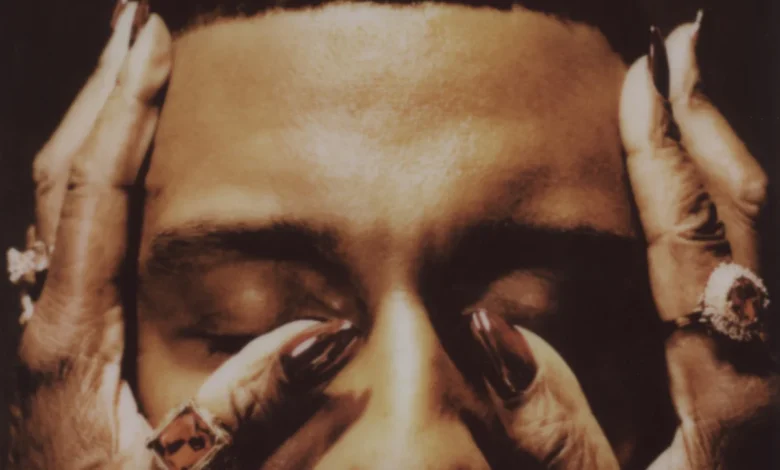
The multi-instrumentalist, producer, and Grammy-nominated singer Masego has officially released his third full-length studio album, Fix Your Face, marking a significant pivot in his career trajectory and creative philosophy. Released under Capitol Records, the project arrives as a 16-track exploration of emotional maturity, spiritual grounding, and cultural synthesis. While Masego has long been associated with the "TrapHouseJazz" movement—a genre-bending blend of improvisational saxophone, contemporary R&B, and hip-hop—this latest offering strips away the playful bravado of his earlier work in favor of what the artist describes as a period of profound introspection and "emotional honesty."
Fix Your Face represents the culmination of nearly three years of intensive development, a timeline that saw the artist navigate personal upheavals and a shifting perspective on his role within the global music landscape. The album is not merely a collection of songs but a documented transition from a performer defined by his groove to a songwriter defined by his vulnerability. Working alongside co-producer Jordan Elgie, Masego has crafted a body of work that seeks to reconcile his Jamaican heritage, his upbringing in the American South, and his roots in the Black church.
The Conceptual Foundation of Fix Your Face
The title of the album, Fix Your Face, carries a dual meaning that bridges the gap between childhood discipline and adult resilience. In Caribbean and African American households, the phrase is a common maternal command—a directive for children to suppress their emotions, stop crying, and present a composed exterior to the world. Masego utilizes this cultural touchstone to explore the complexities of emotional regulation.
However, in the context of this album, the phrase has evolved into a personal mantra. Masego explains that the title now represents his stoic approach to the volatility of life and the music industry. It is a statement of intent: a commitment to maintaining composure and purpose regardless of external pressures or internal strife. This thematic core is reflected in the album’s sonic architecture, which balances high-energy rhythmic sections with moments of quiet, stripped-back reflection.
A Three-Year Journey of Artistic Transformation
The road to Fix Your Face was characterized by a prolific output born from necessity. Following a period of personal instability, Masego reportedly wrote over 150 songs, a massive archive from which the final 16 tracks were meticulously culled. This era of high-volume creation allowed the artist to experiment with different facets of his identity before narrowing his focus to the most authentic representations of his current state.
A critical component of this transformation was what Masego calls a "scholastic level of research." Before committing to the final recording sessions, he immersed himself in the discographies of artists known for their uncompromising authenticity. This research phase included studying the vocal arrangements of Mary J. Blige, the soul-searching lyricism of D’Angelo, the genre-fluidity of Labi Siffre, and the modern melodic sensibilities of PartyNextDoor.
This academic approach led to a fundamental shift in his creative process. Historically, Masego relied heavily on freestyling and improvisational loops—a method that served him well on hits like "Tadow." For Fix Your Face, however, he adopted a more intentional writing style, documenting ideas, lyrics, and structures on paper for the first time. This shift from spontaneous creation to deliberate composition is evident in the album’s narrative cohesion and lyrical depth.
Symbolic Reinvention and the Big Chop
The release of Fix Your Face is also marked by a significant change in Masego’s physical appearance. For years, his signature hair was a central part of his visual brand. In a move that mirrors the album’s theme of openness and shedding old layers, the artist chose to cut his hair, an act he describes as a symbol of being "open" to the new era.
In Black musical history, the "big chop" or a drastic change in hairstyle often signals a shift in musical direction or a spiritual awakening—reminiscent of the transitions seen in artists like Andre 3000 or Marvin Gaye. For Masego, this physical change serves as a visual shorthand for the internal work reflected in the music. It signals to his audience that the artist they knew in the "Lady Lady" era has evolved into a more grounded and transparent version of himself.
Cultural Lineage and the Jamaican-Southern Connection
Masego has always been a product of a diverse cultural upbringing, and Fix Your Face lean heavily into his Jamaican roots. This is most prominently displayed on the track "Hello," which features the legendary reggae and dancehall artist Buju Banton. The collaboration is more than a guest feature; it is a bridge between generations and geographies.
"Hello" masterfully weaves together the Southern hip-hop influence of the late Shawty Lo with traditional Jamaican sounds. By reframing Atlanta-based nostalgia through a Caribbean lens, Masego highlights the historical and cultural links between the American South and the West Indies. The inclusion of Buju Banton grounds the album in a lineage of Caribbean excellence, providing a sense of authority and tradition to Masego’s experimental tendencies.
The album further explores this lineage through collaborations with other R&B and soul heavyweights, including Keyshia Cole, Leon Thomas, and Musiq Soulchild. These partnerships serve to place Masego firmly within the canon of contemporary R&B while allowing him to push the boundaries of the genre through his unique instrumentation and production style.
The Spiritual Core: Heaven and the Virginia Gospel Influence
The focus track of the album, "Heaven," serves as a direct homage to Masego’s upbringing as the son of a pastor in Virginia. The song departs from the rhythmic complexities of the rest of the album, leaning instead into a soft, angelic soundscape. Layered vocals are used to emulate the warmth and power of a gospel choir, creating an atmosphere of reverence and nostalgia.
Masego cites gospel icons such as Kirk Franklin, The Clark Sisters, Kim Burrell, and John P. Kee as primary influences for this track. Through "Heaven," he reflects on his childhood innocence and his early experiences within the church community. The song is a meditation on faith, love, and the foundational values that shaped his worldview before he entered the global stage. By integrating these gospel elements, Masego acknowledges the spiritual bedrock that supports his secular artistry, providing a "human meditation" on the complexities of belief in the modern world.
Production and Collaborative Synergy
The technical execution of Fix Your Face is largely credited to the synergy between Masego and co-producer Jordan Elgie. Together, they sought to create a sound that was "cohesive" rather than a mere collection of singles. The production is characterized by its use of live instrumentation—Masego’s saxophone remains a prominent voice—blended with modern digital textures.
The album’s pacing is deliberate, moving from the high-stakes energy of his Jamaican-influenced tracks to the introspective ballads that define the project’s second half. This structural balance is a testament to the three years of refinement the project underwent. The result is a polished, sophisticated sound that maintains the "groove-driven musicianship" fans expect while introducing a new level of sonic maturity.
Market Context and Industry Implications
Masego’s return comes at a pivotal time for the R&B and Neo-Soul genres. As the industry increasingly rewards artists who prioritize authenticity and storytelling over viral trends, Fix Your Face positions Masego as a leader in the "alternative R&B" space. His previous success, including a Grammy nomination for Best Progressive R&B Album, has established a high bar for his work.
The release under Capitol Records suggests a significant push for global reach. As a major label, Capitol provides the infrastructure necessary to translate Masego’s niche "TrapHouseJazz" appeal into a broader mainstream context without sacrificing the artistic integrity that defines his brand. The inclusion of diverse collaborators like Keyshia Cole and Buju Banton also broadens the album’s demographic appeal, tapping into both classic R&B audiences and the global reggae community.
Conclusion: A Portrait of the Artist as a Mature Man
Fix Your Face is ultimately a portrait of an artist in transition. It is the sound of a man who has stopped running from his past and has instead chosen to "fix his face" and confront it. By blending the vulnerability of his Virginia gospel roots with the rhythmic heritage of Jamaica and the intentionality of a seasoned songwriter, Masego has created his most comprehensive work to date.
The album stands as a reminder that growth often requires a period of upheaval and a willingness to dismantle one’s own image. Through his "scholastic research," his symbolic haircut, and his commitment to emotional honesty, Masego has emerged with a project that is both a reflection of where he has been and a definitive map of where he is headed. As listeners engage with the 16 tracks of Fix Your Face, they are not just hearing a new album; they are witnessing the maturation of one of the most unique voices in contemporary music.