Spine Music Launches Kickstarter Campaign for Wall-Mounted Display That Bridges Digital Streaming and Physical Record Shelf Nostalgia

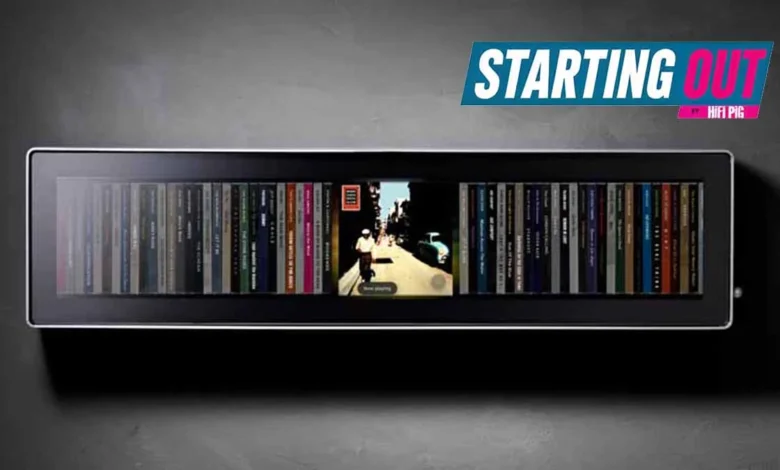
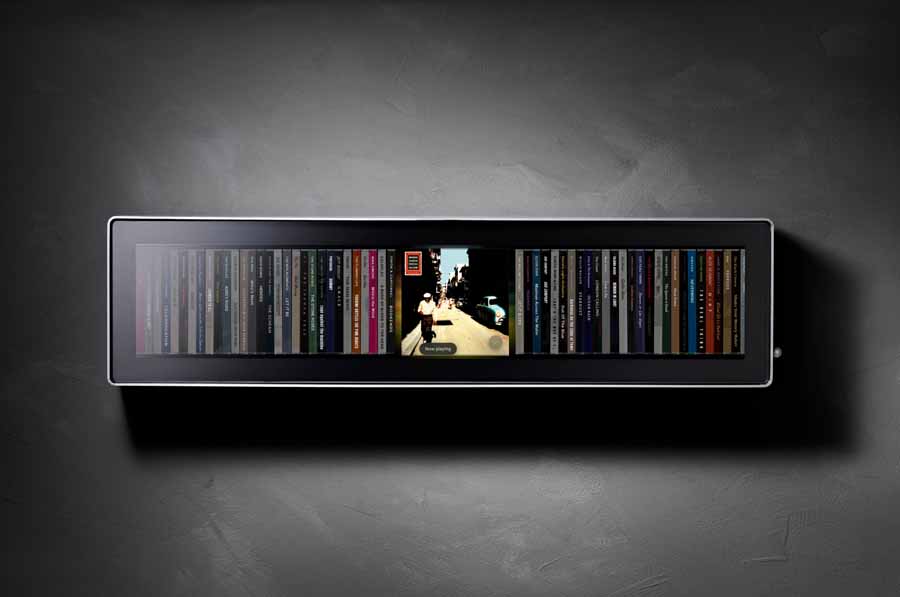
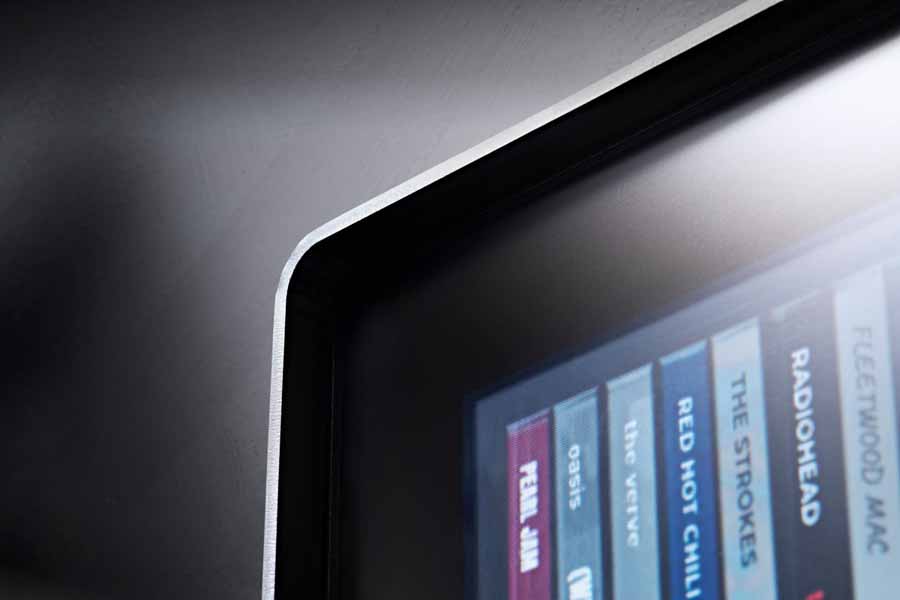
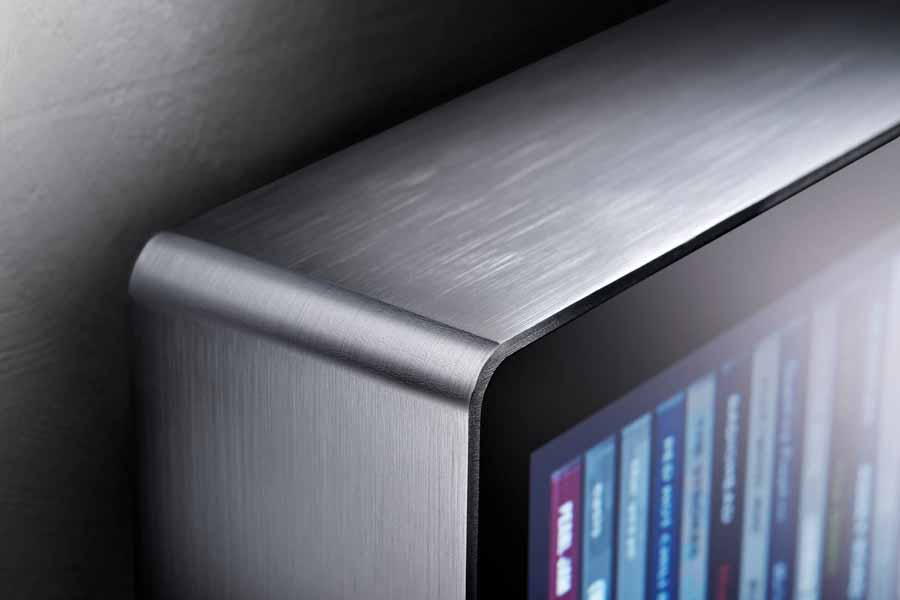
The modern era of digital music streaming has brought near-infinite libraries into the palms of listeners’ hands, but it has simultaneously stripped away the tactile ritual of browsing a physical record shelf or CD rack. In an effort to reconcile this disconnect, audio tech startup Spine Music has officially launched a crowdfunding campaign on Kickstarter for an innovative, wall-mounted hardware display designed to transform a user’s digital music library into a physical-looking row of album spines. Positioned squarely at the intersection of interior design and audio enthusiast culture, the Spine display aims to reintroduce the joy of serendipitous music discovery without requiring consumers to accumulate physical media.
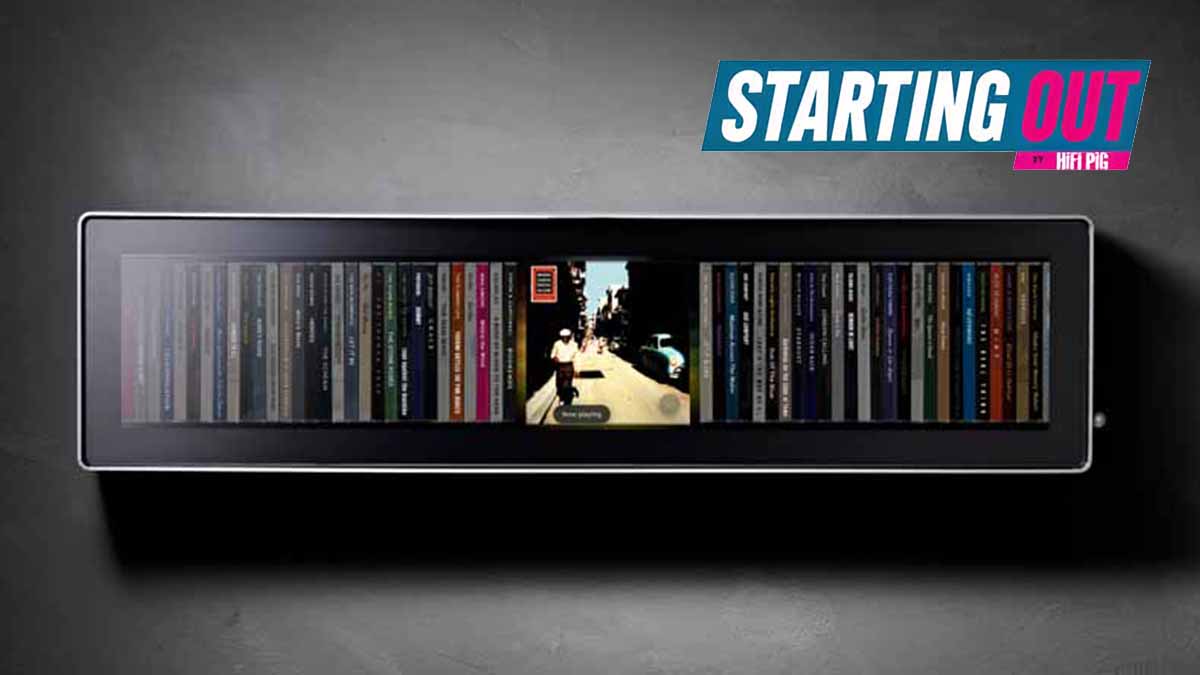
However, entering this nostalgic realm of digital-physical hybrid listening carries a significant financial barrier. Priced at an early-bird Kickstarter pledge rate of £849, with a planned retail price of £949 once production ramps up, the Spine display is positioned as a luxury lifestyle accessory rather than an essential acoustic component. Furthermore, the device does not feature built-in audio amplification or speakers; instead, it acts strictly as an interactive visual interface that hands off actual playback duties to the user’s smartphone and existing hi-fi system.
Bridging the Gap Between Screen Fatigue and Album Discovery
The primary value proposition of the Spine display lies in combatting "screen fatigue" and the paradox of choice inherent in modern streaming applications. When music lovers browse platforms like Apple Music, Spotify, or Tidal via a smartphone or tablet, they are often bombarded with algorithm-generated playlists, endless scrolling menus, and algorithmic recommendations. This digital saturation can make choosing an album feel like a chore rather than a therapeutic experience.

By projecting a curated, browsable collection of saved albums onto a physical-style wall unit, Spine gives digital music a permanent, visible presence in a living space. Seeing a striking album cover or a classic typographic spine in your peripheral vision is intended to prompt listeners to play records they might otherwise overlook while mindlessly swiping through mobile apps.
Industry analysts note that while this interface innovation addresses a genuine psychological desire among audiophiles—many of whom abandoned physical collections for convenience but miss the ritual—it requires a careful evaluation of priorities. For individuals building a starter hi-fi system from scratch, pouring nearly £900 into a visual display rather than upgrading core components like speakers, digital-to-analog converters (DACs), or amplifiers demands careful consideration. The Spine display does nothing to improve acoustic fidelity, serving purely as a high-end remote visual browser.
Compatibility, Streaming Integration, and Ecosystem Limitations
Functionality across different streaming services varies significantly due to the closed nature of various platforms’ application programming interfaces (APIs). Spine Music has outlined distinct levels of integration for the three major streaming ecosystems supported at launch:
- Apple Music: Offers the most seamless user experience, supporting automatic library syncing and direct playback initiation simply by tapping a specific album spine on the display interface.
- Tidal: Also supports direct library syncing, though security protocols require a secondary confirmation tap on the user’s smartphone to initiate audio playback.
- Spotify: Requires a third-party workaround utilizing a TuneMyMusic library import. Because of Spotify’s API limitations, this import process must be repeated manually whenever a user adds new albums to their collection, and playback similarly requires a confirming tap on a mobile device.
Notably, local music files—such as personal FLAC or MP3 rips stored on a Network Attached Storage (NAS) drive or home server—are not supported at the time of the product’s launch. While representatives for Spine Music have indicated that local file support is under investigation for future software updates, prospective backers cannot rely on this feature being available out of the box.
Navigating Crowdfunding Realities and Market Expectations
As with any hardware project launched via crowdfunding platforms like Kickstarter, potential backers are advised to exercise caution and thoroughly review campaign terms, estimated delivery dates, and potential manufacturing risks. Financial pledges made on crowdfunding platforms do not equate to purchasing a finished retail product from a storefront; unforeseen supply chain bottlenecks, component shortages, or software engineering hurdles can frequently lead to significant delivery delays or structural alterations to the final product design.
Despite these inherent risks, the introduction of the Spine display highlights a growing market segment dedicated to "slow tech" and the humanization of digital spaces. As smart homes become increasingly dominated by voice assistants and glass touchscreens, products that reintroduce physical textures and deliberate, ritualistic interactions are finding a receptive, albeit niche, audience.
Whether the Spine music display can carve out a sustainable market at its premium price point remains to be seen. However, its debut underscores a persistent yearning within the consumer audio community: even in an age of cloud-based ubiquity, the romance of the album spine refuses to fade.