Berlin’s Iconic RAW-Gelände Cultural Hub Secured for Two Years Following Landmark Lease Agreement

The immediate threat of eviction hanging over the legendary RAW-Gelände in Berlin-Friedrichshain has been effectively neutralized following a historic agreement between the district assembly and the site’s private owners. After a decade of legal friction, political gridlock, and uncertainty, the district of Friedrichshain-Kreuzberg has finalized a master lease agreement with the Kurth Group. This deal provides a two-year reprieve for the diverse collection of clubs, cultural venues, and youth facilities that have defined the industrial site for years. While the agreement marks a significant victory for Berlin’s nightlife stakeholders, it also highlights the growing tension between urban development, commercial interests, and the city’s identity as a global cultural capital.
A Decade of Contention: The Road to the Agreement
The RAW-Gelände, a former railway repair facility, has served as a central pillar of Berlin’s alternative culture since the early 2000s. Its sprawling industrial aesthetic and central location near the Warschauer Straße S-Bahn station made it a prime target for real estate developers. The conflict between the Kurth Group, which acquired the land, and the district of Friedrichshain-Kreuzberg has been characterized by fluctuating property values, shifting zoning regulations, and intense public pressure.
The chronology of the dispute can be traced back nearly ten years, during which the site’s future was repeatedly jeopardized by plans for high-density office and residential development. In early 2026, the situation reached a breaking point as the owners issued formal warnings of mass evictions. The threat triggered widespread public protests, including "rave demonstrations" that saw thousands of participants calling for the preservation of the space. The district’s decision to step in as the primary tenant represents a rare, proactive intervention by local government to protect cultural infrastructure in an increasingly expensive real estate market.
Financial Implications and Operational Realities
The deal comes at a substantial cost to the public purse. Under the new terms, the district of Friedrichshain-Kreuzberg will pay the Kurth Group 11.20 euros per square meter—a sharp increase from the previous rate of four euros per square meter. The district has committed two million euros to cover the rent and necessary maintenance for the initial two-year period. If the contract is extended for a third year, the state of Berlin will be required to provide an additional one million euros in funding.
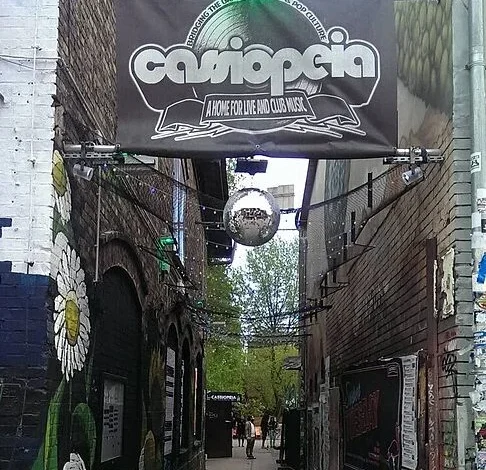
Crucially, the district has pledged to pass the usage rights to the existing tenants—including the Cassiopeia club, the Crack Bellmer, the Weiße Hase, and the Skatehalle Berlin—at the previous, more affordable rates. By absorbing the difference in rental costs, the district is effectively subsidizing the cultural sector, viewing it as a public good rather than a standard commercial tenant. This subsidy is intended to ensure that these venues can continue to operate without needing to drastically increase entry fees or service prices, which would otherwise threaten their accessibility.
The Role of Cultural Infrastructure in Urban Planning
The struggle over the RAW-Gelände is a microcosm of the "Berlin model" of urban development. In many European cities, the gentrification of industrial sites often leads to the displacement of cultural hubs in favor of high-value office spaces or luxury apartments. Silvia Rothmund, a member of the district assembly for the Green Party, described the decision as "alternativless."
"We have created time," Rothmund stated, emphasizing that the district’s primary objective was to prevent the immediate destruction of a vital cultural ecosystem. However, the temporary nature of this solution underscores a broader, unresolved policy issue: how can cities protect non-profit or subcultural spaces when the underlying land is privately owned and subject to aggressive market forces? The RAW-Gelände case has sparked intense debate in the Berlin House of Representatives regarding the implementation of long-term "cultural protection zones" that would limit the ability of developers to displace existing cultural institutions.
The Looming Challenge: Development and Noise Mitigation
While the two-year lease provides breathing room, the long-term future of the site remains tethered to the Kurth Group’s broader development plans. The master plan for the area, which has been in negotiation for years, includes the construction of approximately 300 residential units and a high-rise building of up to 100 meters.
This juxtaposition of high-density housing and vibrant nightlife creates a fundamental conflict known as the "noise-sensitivity trap." New residents in such proximity to music venues often lead to legal action against clubs, citing noise pollution, which can result in severe operating restrictions or forced closures. To address this, the district has mandated a comprehensive acoustic survey to be completed over the next five months. This study will determine whether it is physically and legally possible to integrate residential housing with the existing music venues without compromising the operation of either.
The findings of this report will be decisive. If the study concludes that sound-dampening measures are insufficient, the district may be forced to renegotiate the site’s layout or challenge the current residential density plans. This technical assessment represents the next major hurdle for the local government and the venue operators.
Perspectives from the Cultural Sector
For the stakeholders on the ground, the announcement was met with a mix of relief and cautious optimism. Jens Schwan, spokesperson for the RAW-Kultur initiative, lauded the agreement as a "massive milestone" for the Berlin cultural community. According to Schwan, the endurance of the activists and the consistent public pressure were instrumental in forcing a seat at the table for the cultural operators.
However, the industry perspective remains focused on the "30-year goal." Many venue operators argue that the current two-year bridge is insufficient to allow for long-term investment in venue infrastructure, soundproofing, or programming. In the creative economy, security of tenure is considered a prerequisite for sustainability. Without a guarantee of at least three decades of residency, venue owners are often hesitant to commit their own capital to facility improvements.
Broader Implications for Berlin
The resolution of the immediate eviction threat at RAW-Gelände has implications that extend well beyond the borders of Friedrichshain. It serves as a benchmark for how Berlin’s districts might handle future disputes between private property owners and cultural institutions.
As the city faces ongoing housing shortages and intense pressure to expand office space, the model of the district acting as an intermediary tenant is being closely monitored by urban planners. It is a costly, complex, and potentially temporary fix, but it is one that acknowledges the value of nightlife as a key component of Berlin’s economic and social vitality. The music industry in Berlin generates billions of euros annually, and the RAW-Gelände is a key node in that network.
Moving Forward: A Long Road Ahead
As the dust settles, the work for the local government is far from over. The coming months will be defined by the technical challenges of the acoustic report and the political negotiations surrounding the permanent zoning of the site. The district assembly must now find a balance between the legitimate property rights of the Kurth Group and the social necessity of maintaining a space that serves as a cornerstone of the city’s youth and cultural life.
For now, the gates of the RAW-Gelände remain open. The graffiti-covered walls, the skate parks, and the concert stages will continue to host the diverse crowds that have made this site a global symbol of Berlin’s alternative identity. Whether this reprieve leads to a lasting, sustainable future or merely delays an inevitable transformation remains the defining question for the district’s urban planners in the coming years. For the artists, club owners, and residents of Berlin, the agreement is a hard-won victory—a signal that in the battle between the spreadsheet and the subculture, the city’s unique character still holds significant political weight.
Related posts: