Yamaha FG7 and FS7 Series: High-End Acoustic Instruments from Japan Challenge Industry Standards

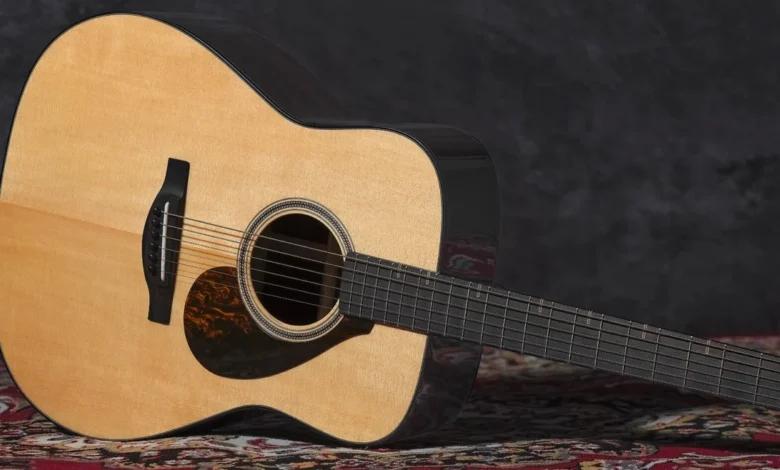
Yamaha has once again demonstrated its mastery of acoustic instrument manufacturing with the official global rollout of the FG7 and FS7 series. Positioned firmly within the high-end tier of the acoustic guitar market, these newly introduced models represent a meticulous blend of traditional Japanese luthier craftsmanship and modern acoustic engineering. With a starting price point of 2,499 euros, the new series explicitly targets professional musicians and discerning enthusiasts who traditionally gravitate toward legacy American acoustic brands such as Martin, Taylor, and Gibson. By combining premium tonewoods, refined body shapes, and advanced proprietary pickup technology, Yamaha seeks to redefine expectations for what an upper-tier acoustic guitar can deliver in both studio and live environments.
Main Facts and Design Architecture
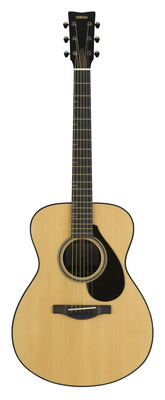
The newly launched lineup is divided into two distinct body shapes designed to cater to different playing styles and sonic preferences. The FG7 utilizes a traditional dreadnought body shape, known for its robust low-end projection, dynamic headroom, and suitability for strumming and flatpicking. Conversely, the FS7 features a more compact concert-style body, which offers a balanced, articulate midrange response tailored for fingerstyle players and vocal accompaniment.
Despite the physical differences in volume and silhouette, both models share an identical foundation of high-grade materials selected to optimize resonance and long-term durability. At the heart of each instrument is a solid Sitka spruce top, renowned for its high strength-to-weight ratio and ability to mature tonally over years of regular play. This top is paired with solid Indian rosewood back and sides, a combination that traditionally yields a rich harmonic overtone profile characterized by deep, resonant lows and sparkling, articulate highs.
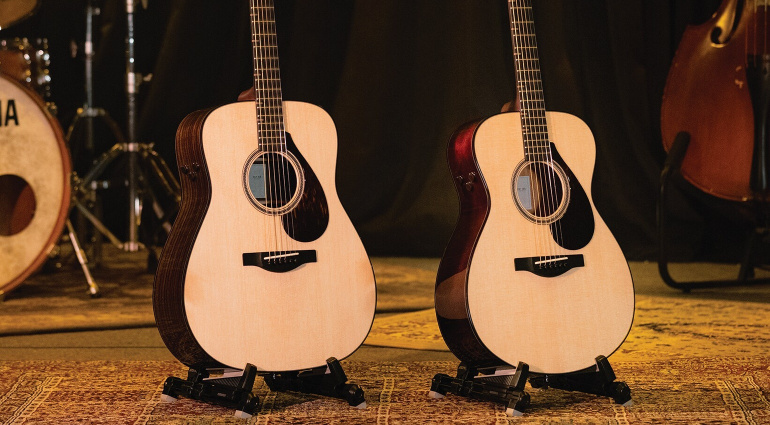
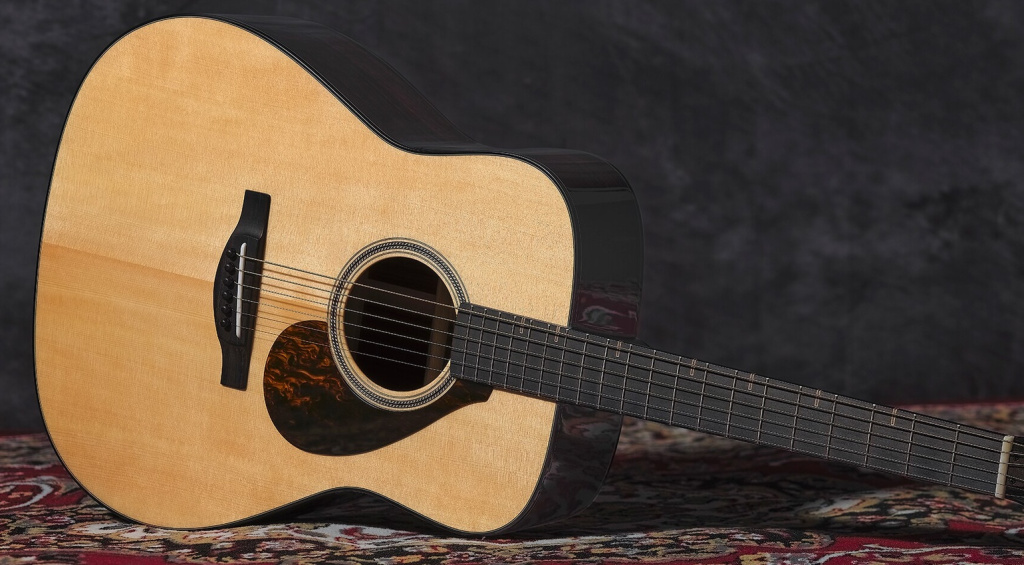
The neck construction utilizes a one-piece African mahogany profile finished in a smooth satin polyurethane coat, designed to facilitate comfortable hand movement across various playing positions. Both the fingerboard and the bridge are fashioned from premium ebony, contributing to a crisp note attack and structural stability. Aesthetically, the instruments are distinguished by Yamaha’s signature fretboard and soundhole inlays, alongside a subtly redesigned pickguard that updates the visual heritage of the company’s long-running FG line without discarding its classic silhouette.
Chronology and Development Background
The development of the FG7 and FS7 series is the culmination of decades of acoustic research conducted at Yamaha’s specialized Japanese design and manufacturing facilities. Yamaha’s history in acoustic guitar production dates back to the introduction of the dynamic FG series in 1966, which initially established the brand as a dependable manufacturer of accessible instruments. Over the subsequent decades, the company progressively scaled up its research and development capabilities, introducing innovations such as Acoustic Resonance Enhancement (A.R.E.) wood aging technology and increasingly sophisticated proprietary pickup systems.
The timeline leading to the release of the FG7 and FS7 models involved extensive acoustic mapping and prototyping aimed at closing the performance gap between mass-produced instruments and boutique, hand-voiced lutherie. By refining internal bracing patterns and optimizing shell thicknesses, Yamaha’s master builders focused on maximizing the responsiveness of the soundboard. The integration of the Atmosfeel pickup system represents the final phase of this developmental arc, addressing the long-standing challenge of translating natural acoustic resonance cleanly through amplification systems without introducing piezoelectric harshness or feedback anomalies.
The Atmosfeel Pickup System
A critical differentiator for the upper tier of the FG7 and FS7 series is the inclusion of Yamaha’s advanced Atmosfeel pickup and preamp system. Designed specifically to capture the three-dimensional soundscape of an acoustic guitar, the system utilizes a three-way transducer configuration.

The architecture comprises a bridge-mounted piezo sensor dedicated to reproducing low frequencies with clarity, a proprietary interior microphone capturing low and mid-range air movement within the body cavity, and a custom-developed contact sensor affixed to the soundboard to pick up high-frequency transient responses and percussive tapping.
Control over this multi-source system is managed via a discreet, minimalist preamp interface mounted on the upper shoulder of the guitar. A primary blend control allows the player to seamlessly mix the microphone signal into the cleaner, more direct piezo foundation, enabling customization tailored to specific stage or studio requirements. Additionally, a dedicated bass EQ control permits performers to quickly attenuate low frequencies, mitigating potential feedback issues in high-volume live performance scenarios.

Supporting Data, Pricing, and Market Positioning
Priced from 2,499 euros, the Yamaha FG7 and FS7 series occupy a competitive space traditionally dominated by flagship models from legacy American builders. Each instrument is shipped with a robust, custom-fitted hardshell case designed to withstand rigorous touring conditions and fluctuations in relative humidity.
Market availability is rolling out globally through major authorized distributors, including European retail partners such as Thomann, where the various configurations—including the standard and pickup-equipped variants—are being made available for immediate order.
| Specification | Yamaha FG7 Series | Yamaha FS7 Series |
|---|---|---|
| Body Shape | Dreadnought | Concert |
| Top Wood | Solid Sitka Spruce | Solid Sitka Spruce |
| Back & Sides | Solid Indian Rosewood | Solid Indian Rosewood |
| Neck Material | African Mahogany (1-Piece) | African Mahogany (1-Piece) |
| Fingerboard & Bridge | Ebony | Ebony |
| Electronics (Optional) | Atmosfeel 3-Way System | Atmosfeel 3-Way System |
| Starting Price | €2,499 | €2,499 |
Broader Impact and Industry Implications
The introduction of the FG7 and FS7 series signals an ongoing strategic shift by major instrument manufacturers toward challenging established heritage hierarchies. While historic brands like Martin and Gibson retain immense cultural capital, Japanese manufacturing precision and advanced material sourcing have steadily eroded traditional biases regarding country-of-origin performance benchmarks in the high-end guitar market.
By offering uncompromising specifications—such as all-solid construction featuring high-grade Sitka spruce and Indian rosewood, combined with an innovative amplification solution—Yamaha is positioning the FG7 and FS7 models not merely as alternatives to Western instruments, but as primary choices for professional artists prioritizing structural reliability, ergonomic consistency, and sonic versatility. As these models enter the hands of working musicians, their reception in professional touring and recording environments will likely serve as a crucial indicator of the evolving balance of power within the premium acoustic guitar sector.