John Legend Forges a New Artistic Era with Pharrell-Produced Album Muse and Stands Firm Against AI in Music

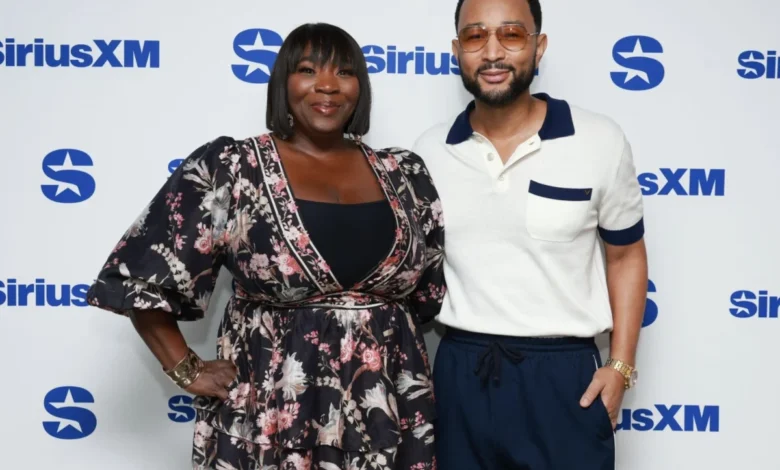
Two decades after releasing his critically acclaimed debut studio album Get Lifted, EGOT-winning artist John Legend is intentionally dismantling his established formula in search of uncharted sonic territory. In a comprehensive recent interview with media personality Bevy Smith on SiriusXM, Legend discussed his forthcoming 16-track project, Muse, slated for release on October 23 via Republic Records. The album is entirely produced by visionary collaborator Pharrell Williams, marking the first time the two longtime friends and industry heavyweights have built an entire body of work together.
Beyond detailing the creative friction and eventual triumph of his partnership with Williams, Legend addressed broader industry developments, taking a firm stance against the integration of artificial intelligence in musical creation. By emphasizing the irreplaceable value of human emotion, Legend reinforced a philosophy of artistic authenticity that has defined his professional journey since the early 2000s.
A New Sonic Blueprint: The Making of Muse
Set to debut on October 23, Muse represents a distinct departure from the piano-driven rhythm and blues ballads that established Legend as a global icon. Recorded primarily in Paris inside Pharrell’s studio at the Louis Vuitton headquarters, the 16-track album weaves together elements of classic soul, traditional gospel, doo-wop, Afrobeat, and contemporary hip-hop.
Legend described the overarching sonic and visual atmosphere of the record as a "Black James Bond aesthetic," merging sophisticated arrangements with modern production techniques. The collaboration itself materialized organically following Legend’s feature appearance on "The Birds Don’t Sing," a track from the Pharrell-produced Clipse comeback album Let God Sort ’Em Out. Impressed by Legend’s vocal performance and range, Williams proposed expanding their studio chemistry into a full-length collaborative effort.
For an artist with multiple Grammy Awards, an Academy Award, an Emmy, and a Tony Award, stepping outside of a proven comfort zone required vulnerability. Legend noted that he even recorded songs entirely written by Williams—a rare practice for an artist who has historically penned the vast majority of his own material.
Navigating Creative Friction and Mutual Trust
Bringing two veteran producers and vocalists into an enclosed studio environment naturally invites artistic tension. Rather than avoiding conflict, Legend and Williams leaned into it, viewing creative disagreements as a vital catalyst for innovation.
"Well, there’s ease, but there’s also challenge, you know?" Legend explained to Bevy Smith. "Cause two creative minds, like, we have opinions and we don’t always agree. And so, you have to find ways to compromise, to hear each other’s ideas, to not let your ego get in the way, and really focus on what’s best for the record."
This mutual respect ultimately yielded a project that defies easy categorization. According to Legend, Muse sounds neither like his previous catalog nor like Williams’ extensive body of work, establishing a distinct identity born from compromise. Reflecting on the completion of the mixing process, Legend shared a poignant moment when Williams expressed gratitude for the collaboration. As Legend recounted, Williams turned to him and simply said, "Thank you for trusting me," acknowledging the high stakes of surrendering creative autonomy.

The Broader Cultural Debate: Rejecting Artificial Intelligence
Amid discussions about modern music production, the conversation shifted toward the escalating presence of artificial intelligence in the creative arts. As generative AI models capable of replicating human vocals and composing melodies proliferate across digital platforms, the music industry faces unprecedented legal, ethical, and artistic challenges.
Legend firmly rejected the normalization of AI in music, urging contemporary creators to ground their work in authentic human experience, raw imagination, and personal history. For an artist whose career spans more than twenty years of writing, arranging, and performing live instrumentation, outsourcing emotional expression to algorithms undermines the foundational purpose of art. Industry analysts note that Legend’s perspective aligns with a growing coalition of musicians, songwriters, and performance rights organizations advocating for legislative safeguards to protect human copyright and likeness from unauthorized digital replication.
Activism, Public Platforms, and Industry Responsibility
Legend’s interview extended beyond the recording studio, touching upon his extensive history of social and political activism. Throughout his career, the singer has consistently utilized his global platform to advocate for systemic reforms, including criminal justice reform through his Free America campaign, voting rights accessibility, and educational equity.
During the dialogue with Bevy Smith, the conversation navigated toward the responsibilities—and potential professional consequences—shouldered by artists who take public stances on contentious global issues. Discussing recent high-profile controversies involving artists such as Macklemore, Legend analyzed the delicate balance between utilizing influence for social advocacy and managing the polarized reactions of the public.
Rather than separating his identity as an entertainer from his commitment to civic engagement, Legend views his platform as an extension of his personal convictions. This philosophy of individuality underscores every facet of his current career phase: refusing to recycle historical formulas, embracing creative vulnerability with Pharrell Williams, defending human-generated artistry against artificial intelligence, and speaking candidly on social matters.
Industry Implications and Long-Term Legacy
As the music industry prepares for the October 23 release of Muse through Republic Records, cultural critics are examining what this collaboration signifies for veteran artists operating in a streaming-dominated landscape. In an era where commercial algorithms frequently incentivize repetitive, short-form content designed for immediate virality, Legend and Williams have chosen a path of deliberate experimentation and mature craftsmanship.
By refusing to rest on the laurels of his EGOT status, John Legend demonstrates that artistic longevity is not achieved through stagnation, but through calculated risk. Whether challenging his own creative boundaries in a Parisian studio or defending the sanctity of human imagination against technological displacement, Legend continues to shape the contemporary musical landscape on his own terms.