Dallas Rapper Yella Beezy Found Guilty of Capital Murder in the 2020 Assassination-Style Killing of Fellow Artist Mo3

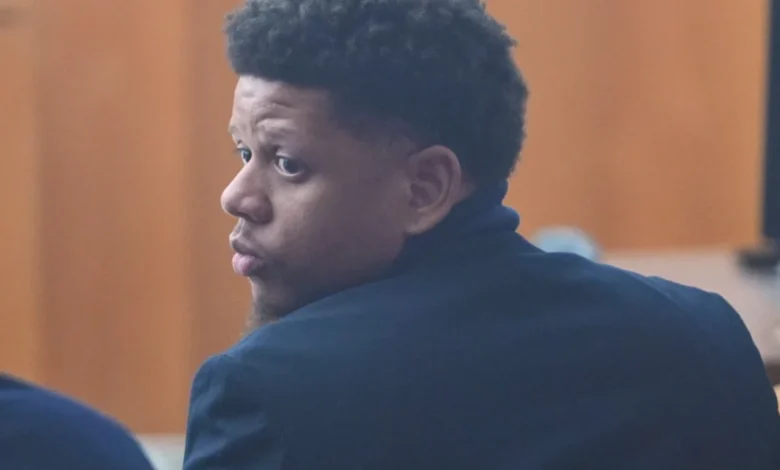
The Dallas hip-hop community and the broader music industry reached a grim milestone on Wednesday, November 11, 2026, when a Dallas County jury delivered a unanimous guilty verdict in one of the most high-profile murder trials in recent memory. Markies Conway, the 35-year-old artist professionally known as Yella Beezy, was convicted of capital murder for orchestrating a calculated, $40,000 murder-for-hire plot that resulted in the 2020 death of fellow Dallas rapper Mo3, whose legal name was Melvin Noble.
Immediately following the reading of the verdict, Judge Chika Anyiam handed down a mandatory sentence of life imprisonment without the possibility of parole. Because prosecutors opted not to pursue the death penalty under Texas state law, the life-without-parole sentence was the only statutory alternative for a capital murder conviction. The resolution of the trial brings a legal conclusion to exactly six years of agonizing uncertainty for the family, friends, and fans of Noble, who was gunned down in broad daylight on a busy Texas interstate precisely six years to the day before Conway’s sentencing.
The exhaustive trial brought to light the darker, more lethal undercurrents of regional rap rivalries, exposing how simmering personal and professional animosities can erupt into fatal violence. As Conway was handcuffed and led out of the courtroom to begin his life sentence, the emotional weight of the courtroom proceedings spilled over, reflecting the profound and irreversible impact of the tragedy on the Texas music scene.
The Anatomy of an Interstate Ambush: Chronology of the Crime
The tragic events that culminated in Conway’s conviction began to unfold on the afternoon of November 11, 2020. Melvin Noble, a rising 28-year-old rap star known for his emotive street anthems and melodic storytelling, was traveling along Interstate 35 in Dallas. According to the state’s timeline and trial evidence, Noble was tracked and ambushed in a meticulously planned operation designed to eliminate him permanently.
Investigators established that Kewon White, a co-defendant in the case, intercepted Noble’s vehicle while armed with an AK-47-style assault rifle. Realizing the extreme danger, Noble attempted to escape on foot along the heavily congested highway. White pursued him relentlessly, firing multiple rounds. Noble was struck numerous times in the brazen daytime attack. Emergency responders transported him to a nearby hospital, where he was ultimately pronounced dead. A civilian bystander was also struck by gunfire during the chaos, though that individual managed to survive their injuries.
Law enforcement immediately launched a multi-agency investigation that spanned years, digging into cellular records, financial transactions, and surveillance footage to piece together how a street-level dispute escalated into a contract killing. The investigative trail eventually led authorities away from a simple random act of road rage and directly toward a coordinated hit involving multiple conspirators.
The Prosecution’s Case: Motive, Money, and Conspirators
Throughout the courtroom proceedings, the prosecution laid out a compelling narrative backed by tangible evidence rather than mere speculation. Prosecutors argued that Conway bore a deep-seated animosity toward Noble, driven by years of escalating tension within the Dallas music ecosystem. This hostility, the state argued, metastasized to a point where Conway decided to permanently remove his rival.
Financial records and witness testimony proved central to the state’s argument that Conway orchestrated a murder-for-hire scheme. Prosecutors presented evidence that Conway arranged a $40,000 payment to finance the assassination. To establish the violent history between the parties, the state also introduced details concerning a 2018 shooting in Lewisville, Texas, in which Conway miraculously survived being struck by gunfire while driving along a tollway. Prosecutors utilized this past trauma not only to contextualize the deep-seated paranoia and hostility within the local rap scene but also to demonstrate a pattern of violent escalations that ultimately culminated in Noble’s death.
The legal dragnet has steadily tightened around all suspected participants in the conspiracy. Kewon White, identified as the gunman who pulled the trigger on Interstate 35, was separately tried and convicted of capital murder in September 2026, receiving his own sentence of life imprisonment without the word of parole. A third individual, Devin Brown, remains implicated in the sprawling conspiracy and is currently awaiting trial.

Challenges, Defense Strategies, and Courtroom Drama
Despite the ultimate guilty verdict, the path to conviction was fraught with legal complexities and hurdles for the prosecution team. The trial tested the reliability of key witnesses and forced prosecutors to build an airtight circumstantial and digital footprint to convince the jury beyond a reasonable doubt.
One of the most dramatic moments of the trial arrived when rapper Theodore Thomas, professionally known as Jose Bodega, took the witness stand. Thomas had previously provided statements to a grand jury detailing an ongoing, hostile feud between Conway and Noble. However, during his trial testimony, Thomas shocked the courtroom by attempting to distance himself from those earlier statements, claiming that he had fabricated aspects of his original grand jury testimony.
Seizing on these inconsistencies, Conway’s defense team, spearheaded by attorney John Gussio, argued vigorously that the state’s case was fundamentally flawed and relied heavily on speculation, unverified rumors, and compromised witness accounts. During closing arguments, Gussio insisted that prosecutors had failed to forge an undeniable, reliable physical link connecting his client directly to the trigger-man or the execution of the crime, urging the jury to reject the state’s murder-for-hire theory.
The jury, however, weighed the entirety of the digital evidence, financial trails, and corroborated timelines against the defense’s claims. Following thorough deliberations, they returned a unanimous verdict of guilty, effectively validating the prosecution’s multi-layered theory of the crime.
Impact on the Hip-Hop Community and the Legacy of Mo3
The conviction of Yella Beezy closes a painful chapter for a Dallas hip-hop community that has long struggled to reconcile its cultural achievements with the tragic loss of its brightest talents. Melvin "Mo3" Noble was widely respected for his authentic portrayal of street survival, capturing the hearts of millions of listeners nationwide with deeply personal records such as "Errybody." His melodic delivery and raw lyricism had earned him a fiercely loyal grassroots following that continued to grow even in death.
Conversely, Markies "Yella Beezy" Conway had achieved significant mainstream success, charting hits like "That’s On Me" and collaborating with high-profile industry heavyweights including Quavo and Gucci Mane. The juxtaposition of their professional successes against the backdrop of a deadly personal feud underscores a recurring tragedy within the modern music industry: the translation of artistic competition into irreversible real-world violence.
For the family of Mo3, the verdict brings a profound sense of institutional accountability, albeit one born from irreversible grief. During the trial, Nicole Noble, the rapper’s mother, delivered harrowing testimony recalling the agonizing phone calls informing her that her son had been shot and the agonizing vigil at the hospital before doctors confirmed his passing. For six years, Noble’s family lived in limbo, seeking answers regarding who pulled the trigger and who engineered the plot to take a father, son, and artist away from them.
Broader Implications and Moving Forward
The conclusion of the Yella Beezy trial serves as a sobering reminder of the legal ramifications of violent disputes within the entertainment industry. Law enforcement agencies across major metropolitan music hubs have increasingly utilized sophisticated digital forensics, financial tracking, and conspiracy statutes to target not just the perpetrators of street violence, but the financial backers and masterminds operating behind the scenes.
With Kewon White already serving a life sentence, Yella Beezy permanently removed from society behind bars, and Devin Brown awaiting his day in court, the judicial system has systematically dismantled the apparatus that facilitated the assassination of Melvin Noble.
As the legal dust settles on November 11, 2026, the case stands as a definitive precedent in modern music jurisprudence. It illustrates that regardless of an artist’s chart success, celebrity status, or defense strategies, the apparatus of the law can—and will—reach across the barrier of fame to address calculated acts of violence. For the legacy of Mo3, the verdict ensures that while his life was cut tragically short at the age of 28, the pursuit of justice on his behalf reached its ultimate, lawful conclusion.