The Defiant Masterpiece That Rewrote Popular Music: Looking Back at Beastie Boys and Licensed To Ill

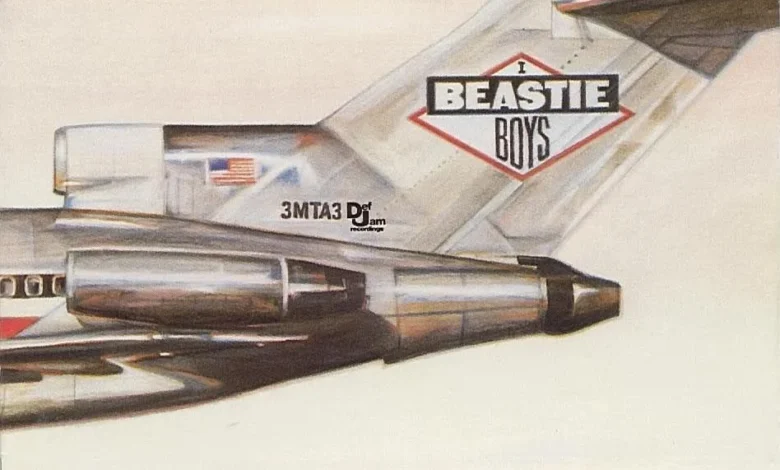
Released through Def Jam Recordings and Columbia Records, the explosive debut album by Adam "Ad-Rock" Horovitz, Adam "MCA" Yauch, and Michael "Mike D" Diamond fundamentally shifted the landscape of modern music. Arriving at a critical juncture in the mid-1980s, the thirteen-track project bridged the seemingly disparate worlds of hardcore punk and emerging hip-hop, creating a commercial powerhouse that challenged industry expectations. As music historians and fans reflect on the enduring legacy of the record, its impact on the globalization of hip-hop, the evolution of record production, and the commercial viability of rap music remains unmatched.
Main Facts and Origins
The journey toward the landmark record began in the underground club scenes of New York City, where the trio initially established themselves as a hardcore punk band in the early 1980s. Transitioning gradually into the burgeoning hip-hop movement, the group synthesized rebellious humor, aggressive lyrical deliveries, and rock instrumentation with an unmistakable New York attitude. Russell Simmons and Rick Rubin, co-founders of the fledgling Def Jam label, recognized the raw potential of the group following the commercial momentum of LL Cool J’s debut album Radio and the 1985 cultural touchstone film Krush Groove.
With Rick Rubin helming much of the production, the studio sessions produced an aggressive fusion of rap and rock that challenged traditional genre boundaries. The project’s sonic blueprint relied heavily on thunderous drum programming, heavy guitar riffs, and innovative sampling techniques. Notably, tracks like "No Sleep Till Brooklyn" featured blistering guitar work from thrash metal icon Kerry King of Slayer, perfectly encapsulating the crossover energy that would define the record. Meanwhile, songs like "Paul Revere" showcased the trio’s capacity for inventive, narrative-driven lyricism set against unconventional, backward-beat production.
Chronology of a Cultural Milestone
The path from underground punk outfit to chart-topping hip-hop royalty followed a rapid trajectory during the mid-1980s.
- Early 1980s: The trio forms as a hardcore punk band in New York City, releasing early independent material before gravitating toward hip-hop.
- 1984–1985: The group connects with Rick Rubin and Russell Simmons, releasing early singles and appearing on the compilation and film landscape surrounding Def Jam Recordings.
- November 1986: The debut album is officially released to the public under its final title, following the abandonment of its controversial working title, Don’t Be A Faggot.
- March 1987: The record achieves a historic milestone by climbing to the No. 1 position on the Billboard 200 albums chart, marking the first time a rap album achieved the feat.
- Late 1980s and Beyond: The project secures multi-platinum status, eventually earning RIAA diamond certification for surpassing ten million units sold in the United States, paving the way for the group’s critically acclaimed subsequent releases such as Paul’s Boutique, Check Your Head, Ill Communication, and Hello Nasty.
Supporting Data and Commercial Achievements
The commercial milestones achieved by the project shattered prevailing industry wisdom regarding the marketability of rap music. At a time when major record labels viewed hip-hop as a novelty or a passing trend confined to regional urban markets, the unprecedented sales figures of the record proved otherwise.
In early 1987, the project became the first rap album to top the Billboard 200 chart, maintaining strong momentum through heavy rotation on MTV and widespread radio airplay. Furthermore, it became the inaugural rap release to cross the threshold of one million copies sold. Decades of steady catalog consumption ultimately propelled the album to diamond certification from the Recording Industry Association of America (RIAA), signifying domestic sales exceeding ten million units.

The tracklist itself delivered an enduring sequence of genre-defining anthems. Alongside "No Sleep Till Brooklyn" and "Paul Revere," songs such as "(You Gotta) Fight For Your Right (To Party!)", "Brass Monkey," "Hold It Now, Hit It," and "The New Style" became permanent staples of popular culture. These recordings established a sonic template that influenced generations of alternative rock, rap-rock, and golden-era hip-hop artists.
Industry Reactions and Perspectives
Upon its release, music critics and industry observers offered mixed reactions to the abrasive humor and rowdy persona projected by the trio, with some initial reviewers failing to recognize the sophisticated production techniques hidden beneath the party anthems. However, industry insiders quickly acknowledged the brilliance of Rick Rubin’s minimalist, rock-infused production style.
Artistically, peers within the hip-hop community recognized the group’s authenticity and dedication to the culture, despite their suburban backgrounds. Over time, critical reassessment positioned the record among the most important cultural documents of the 1980s. Publications such as The Source Magazine cemented its status by including the project in retrospective lists of hip-hop’s greatest and most influential albums.
Reflecting on the group’s trajectory in later years, surviving members and close collaborators noted that while the wild, party-driven image of their debut propelled them to international stardom, it was only the starting point for a dynamic career. The group later distanced themselves from the frat-boy anthems that initially defined their fame, evolving into respected musical pioneers, multi-instrumentalists, and cultural curators.
Broader Impact and Legacy
The passing of Adam "MCA" Yauch on May 4, 2012, at the age of 47 following a battle with cancer, marked the definitive end of the Beastie Boys as an active recording unit. Yauch’s legacy as a visionary musician, director, and activist—alongside the enduring contributions of Mike D and Ad-Rock—continues to resonate deeply within the global artistic community.
The broader implications of the 1986 debut extend far beyond the sales figures and chart placements. By proving that hip-hop could appeal successfully to suburban youth, rock fans, and international audiences alike, the album laid the commercial groundwork for the golden age of rap music in the late 1980s and 1990s. It dismantled rigid genre classifications and demonstrated that cultural cross-pollination could yield commercially viable, critically revered art.
As decades pass since its initial release, the foundational masterwork remains a testament to youthful rebellion, sonic innovation, and artistic evolution. The collaborative efforts of Ad-Rock, Mike D, the late MCA, Rick Rubin, Russell Simmons, and the broader Def Jam family permanently altered the trajectory of popular music, securing a permanent and revered chapter in the history of global culture.