The Ultimate Guide to Digital Music Distribution: Comparing the Top Independent Distributors for 2026

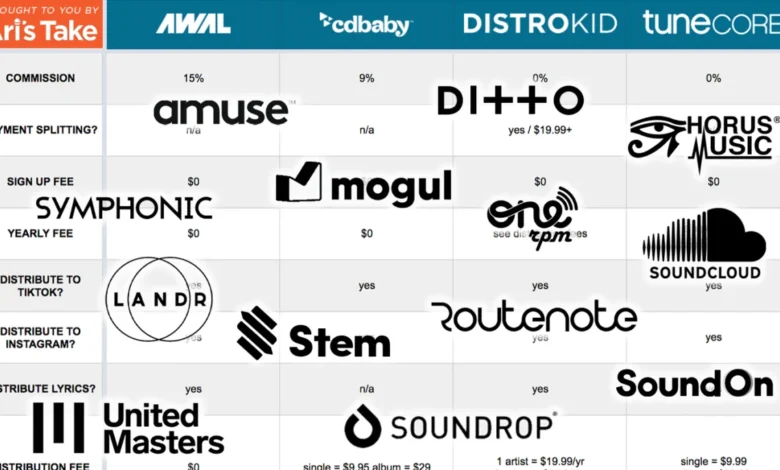
The landscape of independent music distribution has undergone a massive transformation, shifting from expensive, gatekept pipelines to automated, one-stop-shop digital ecosystems designed to empower DIY artists. Getting music onto major Digital Service Providers (DSPs) such as Spotify, Apple Music, Amazon Music, Tidal, and TikTok is no longer a luxury reserved for those signed to major record labels. Today, independent musicians can utilize standalone digital distributors to release their sound recordings globally while retaining 100% of their rights and copyrights.

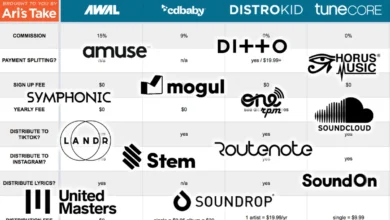
Choosing the right distribution partner, however, has become increasingly complex. The market now features nearly two dozen prominent independent distributors—including DistroKid, TuneCore, Too Lost, CD Baby, AWAL, Amuse, Symphonic Distribution, and UnitedMasters—each offering distinct pricing models, royalty-splitting infrastructures, and value-added services. To help independent creators navigate this crowded marketplace, this comprehensive review synthesizes insights from direct industry interviews, structural updates, and multi-platform distribution analyses.

Understanding the Role of Digital Distributors
For clarity, independent music distribution companies do not act as record labels; they do not purchase, acquire, or own an artist’s masters or publishing rights. Instead, they function as technical intermediaries that ingest

audio files, metadata, and artwork, formatting them to meet the strict digital specifications of global streaming services and social media platforms.

While artists are legally permitted to use multiple distributors for different releases—meaning an artist can distribute Single A through Symphonic and Single B through DistroKid—each individual release must be managed exclusively by a single distributor. Attempting to upload the exact same audio file through competing services simultaneously will result in duplicate listings across streaming platforms, fragmenting stream counts and threatening algorithmic playlist placement. Fortunately, industry mechanisms exist to transfer existing releases from one distributor to another without losing accumulated stream counts or playlist momentum, provided International Standard Recording Codes (ISRCs) remain consistent.

The Evolution of DIY Distribution Features
As the music industry races toward frequent, singles-driven release strategies, distributors have evolved far beyond basic file delivery. Modern independent distributors now compete on several critical features:

- Payment Splitting: Automatic royalty splitting has become a deal-breaker for many modern artists. Instead of manually calculating producer, co-writer, and collaborator royalties from personal payouts, advanced distributors automatically route the appropriate percentage directly to each collaborator’s account.
- Global Expansion and Emerging Markets: For the first time in history, emerging digital territories—particularly China, India, and Latin America—are generating massive streaming revenue. Platforms like NetEase in China have become vital DSPs, making global distribution reach an essential metric for independent artists.
- Fraud Prevention and KYC Security: Following recent crackdowns by Spotify and Apple Music on artificial streaming and algorithmic manipulation, the industry has faced a wave of automated track takedowns. Leading distributors are now adopting Know Your Customer (KYC) protocols—such as requiring photo ID verification—to protect legitimate artists from false accusations of streaming fraud.
- Publishing Administration and Sync Licensing: Many top-tier distributors now bundle mechanical and performance royalty collection directly into their dashboards, helping DIY musicians capture global songwriting revenue that traditional distribution leaves behind.
Major Competitors Compared
DistroKid
DistroKid remains one of the most popular and widely used independent distributors in the world, responsible for a significant portion of global music uploads. Pioneering the unlimited-distribution-for-an-annual-fee model, DistroKid is praised for its speed, sleek interface, and automated tools. However, its automated nature can lead to rigid customer support challenges when custom metadata corrections or unique release formats are required. Furthermore, its payment-splitting feature incurs additional costs per collaborator, which can become prohibitively expensive for artists working with large teams of session musicians and producers.

TuneCore
Long viewed as DistroKid’s primary rival, TuneCore shifted its long-standing per-release pricing structure to an annual unlimited subscription model to stay competitive. Backed by its parent company Believe, TuneCore offers exceptionally detailed royalty reports, flexible territorial carving, and integrated administrative publishing options via Sentric. TuneCore remains a top-tier choice for professional independent acts seeking transparent financial auditing and comprehensive data analytics.

Too Lost
Too Lost has emerged as a disruptive force in the DIY distribution space, bootstrapping its growth to support hundreds of thousands of independent artists. The platform stands out for implementing mandatory ID verification protocols to combat artificial streaming fraud. Too Lost offers transparent bulk importing, advanced audience analytics tracking, and direct distribution to over 450 global outlets. However, rapid scaling has strained its customer service infrastructure, leading to occasional support ticket backlogs.
CD Baby
As one of the oldest names in independent distribution, CD Baby pioneered open-access digital delivery under founder Derek Sivers. Now owned by Downtown Music Group, CD Baby has undergone significant corporate restructuring, including the discontinuation of its CD Baby Pro Publishing arm. While its traditional per-release pricing model appeals to hobbyists who release music infrequently, its customer support has faced criticism following a heavy transition toward automated AI response systems.

AWAL
Operating as an artist-services and distribution hybrid owned by Sony Music Entertainment, AWAL is tailored for established independent acts that already demonstrate strong commercial momentum. AWAL operates purely on a commission model (typically around 15%), providing white-glove marketing, playlist pitching, and sync licensing support exclusively to artists accepted onto its roster. Developing acts without existing traction may find themselves overlooked within AWAL’s tiered ecosystem.

Symphonic Distribution
Symphonic has carved out a stellar reputation by bridging the gap between automated DIY distribution and bespoke label services. Offering both an open-access "Starter" tier with flat annual pricing and an invite-only "Partner" tier, Symphonic provides robust royalty-splitting tools, physical distribution, and strong strategic partnerships within the Latin, electronic, and urban music markets.

Strategic Implications for Independent Artists
Ultimately, there is no universal "best" digital music distribution company. An artist recording a high volume of lo-fi bedroom pop will have vastly different logistical needs than a hip-hop artist requiring advanced YouTube Content ID monetization or a touring band seeking global sync placements.

Before committing to any distributor, independent creators must carefully evaluate their specific requirements regarding upfront fees versus commission splits, the necessity of automated royalty splitting for collaborators, international DSP reach, and customer support responsiveness. By maintaining ownership of their sound recordings and leveraging transparent reporting tools, today’s independent musicians are better equipped than ever to build sustainable, global careers on their own terms.
Related posts: