Ye and Alice Merton reach settlement in copyright infringement lawsuit regarding unlicensed sample usage

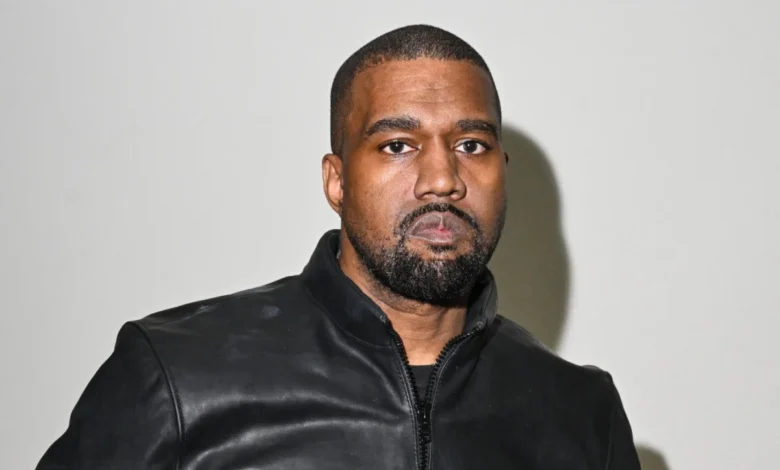
The legal dispute between German singer-songwriter Alice Merton and the artist known as Ye, formerly Kanye West, has reached a resolution. According to a court filing dated November 6, the parties have finalized a settlement agreement concerning allegations that Ye utilized a sample of Merton’s 2017 song "Blindside" in his 2024 track "Gun to My Head" without authorization. The settlement is currently conditioned upon the completion of specific performance obligations by both involved parties. While the financial terms and precise details of the agreement remain confidential, the conclusion of the case marks the end of a high-profile legal battle that highlighted the intersection of intellectual property rights and the moral complexities of artist collaborations in an era of heightened public scrutiny.
Chronology of the Legal Conflict
The tension between the two artists originated in 2024, when Merton discovered that her musical composition had been incorporated into a project associated with Ye. Merton, who is a direct descendant of Holocaust survivors, maintained that she had previously received and explicitly rejected a formal request from Ye’s team to clear the sample. Her refusal was rooted in a firm moral stance against the rapper’s well-documented history of antisemitic rhetoric and public behavior, which had drawn widespread condemnation starting in 2022.
Despite this clear rejection, the track "Gun to My Head" surfaced, leading Merton to initiate litigation. Throughout the legal proceedings, Ye’s legal counsel challenged the merits of the copyright claim, arguing that Merton failed to provide sufficient evidence to support a case for infringement. Furthermore, the defense emphasized the limited distribution of the song, noting that "Gun to My Head" was not released to traditional streaming platforms but was instead made available exclusively via a digital deluxe version of the album Vultures 2 for a restricted 48-hour window in 2024.
The case gained significant procedural momentum in October, when a presiding judge denied a motion from Ye’s legal team to strike references to the Holocaust and antisemitism from the complaint. This ruling allowed the moral and contextual dimensions of the dispute to remain part of the official legal record, setting the stage for a trial that had been slated for March of the following year before the settlement was reached.
Intellectual Property Challenges in the Digital Age
The lawsuit involving Merton is far from an isolated incident in Ye’s career. Over the past decade, the rapper has been the subject of more than a dozen lawsuits alleging the unauthorized use of samples and interpolations. These legal hurdles reflect a broader trend in the music industry, where the lines between creative inspiration and copyright infringement are increasingly blurred by the ease of digital sampling.

Ye has previously navigated these waters by settling several high-profile claims out of court. However, his legal strategy shifted earlier this year when he took a copyright case to trial for the first time. In that instance, a jury found him liable for infringing on an instrumental track used in an early iteration of his 2021 album Donda. The outcome of that trial, combined with the settlement in the Merton case, underscores the growing risks associated with unlicensed sampling, particularly when artists hold firm to their rights regarding the usage of their creative works.
The Broader Context of Antisemitism and Public Accountability
The backdrop of this legal dispute is deeply entwined with the professional and personal crisis Ye has faced since 2022. Following a series of antisemitic outbursts, including praise for Adolf Hitler and the public promotion of hate speech, the rapper saw his professional infrastructure crumble. Major partnerships, including his long-standing collaboration with Adidas, were terminated, and his influence in the fashion and music industries was severely curtailed.
In January, Ye issued an extensive apology in the Wall Street Journal, expressing remorse for his actions and attributing his behavior to the long-term effects of a 2002 car accident that he claimed resulted in brain damage and exacerbated bipolar disorder. "I regret and am deeply mortified by my actions in that state, and am committed to accountability, treatment and meaningful change," he wrote. Despite these efforts to reconcile, the impact of his rhetoric remains a significant barrier to his professional resurgence.
Governmental bodies and public institutions across the globe have actively moved to distance themselves from the artist. In the United Kingdom and Poland, scheduled performances were canceled following public outcry and official concerns regarding his past statements. In the United States, Senator Rick Scott (R-Fla.) led an unsuccessful but highly visible campaign to prevent Ye from performing at Raymond James Stadium in Tampa, highlighting the sustained public pressure against his return to the mainstream stage.
Fact-Based Analysis of Legal Implications
The settlement between Ye and Merton serves as a case study for how independent artists can leverage legal frameworks to maintain control over their artistic identity. By refusing to grant clearance, Merton asserted her right to choose the entities with which her work is associated. The fact that the court permitted the inclusion of her personal history—as a descendant of Holocaust survivors—within the context of a copyright infringement case represents a notable judicial acknowledgment of how an artist’s personal values can inform their intellectual property decisions.
From a copyright standpoint, the case reinforces the necessity of obtaining explicit clearance, regardless of how or where a track is distributed. Even with the limited, two-day digital release of Vultures 2, the court’s refusal to dismiss the case signals that the ephemeral nature of digital content does not provide a safe harbor for the unauthorized use of protected works.

Industry Impact and Future Outlook
The music industry is currently grappling with the tension between the artistic desire to sample freely and the legal obligation to respect the wishes of original composers. As artists become more protective of their catalogs, particularly in response to social and political controversies, the process of sample clearance has become an increasingly delicate negotiation.
For Ye, the settlement marks yet another chapter in a period of intense legal and personal scrutiny. While he has attempted to maintain his career through stadium shows and new music, the "haunting" nature of his past behavior continues to manifest in legal and public challenges. The resolution of this specific dispute removes one immediate obstacle, yet it underscores the broader, lingering consequences of his past actions on his ability to conduct business in the music industry.
As the industry observes the fallout from these recurring copyright issues, the focus remains on whether artists like Ye can successfully rehabilitate their reputations while navigating a landscape that demands stricter adherence to intellectual property rights and a higher standard of public conduct. The settlement with Alice Merton acts as a reminder that in the modern music economy, creative control and personal values are inextricably linked, and the costs of ignoring these realities can be both financially and reputationally significant.
Final Considerations
The legal resolution reached on November 6 provides closure for both Merton and Ye, yet it leaves the industry with questions regarding the future of high-profile collaborations. For independent creators, the case stands as a precedent for the efficacy of standing by one’s principles when faced with unauthorized use of their intellectual property. For major artists, the ongoing litigation suggests that the era of "ask for forgiveness later" regarding samples is becoming increasingly difficult to sustain, as legal systems and public sentiment align to demand greater transparency and respect for artistic boundaries.
The trajectory of this case from a formal rejection of a clearance request to a court-mandated settlement illustrates the evolution of modern music law. As the dust settles on this particular dispute, the industry will continue to monitor how these precedents shape the future of music distribution and the responsibilities of artists who utilize the creative works of others. The finality of this agreement, while confidential in its specific terms, serves as a decisive conclusion to a chapter defined by the friction between artistic ambition and the ethical considerations of the creators involved.
Related posts: