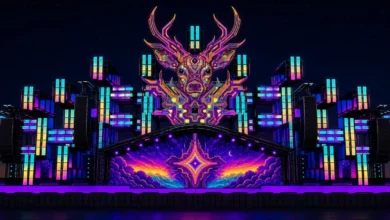
Carl Cox receives the Officer of the Order of the British Empire award for his transformative contributions to global dance music culture

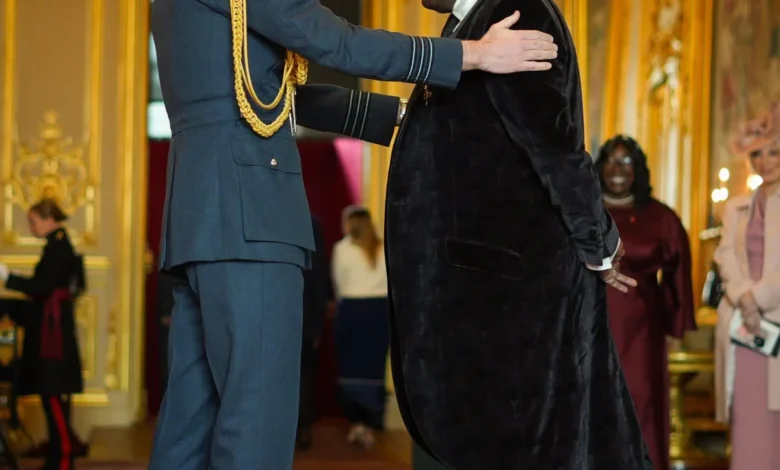
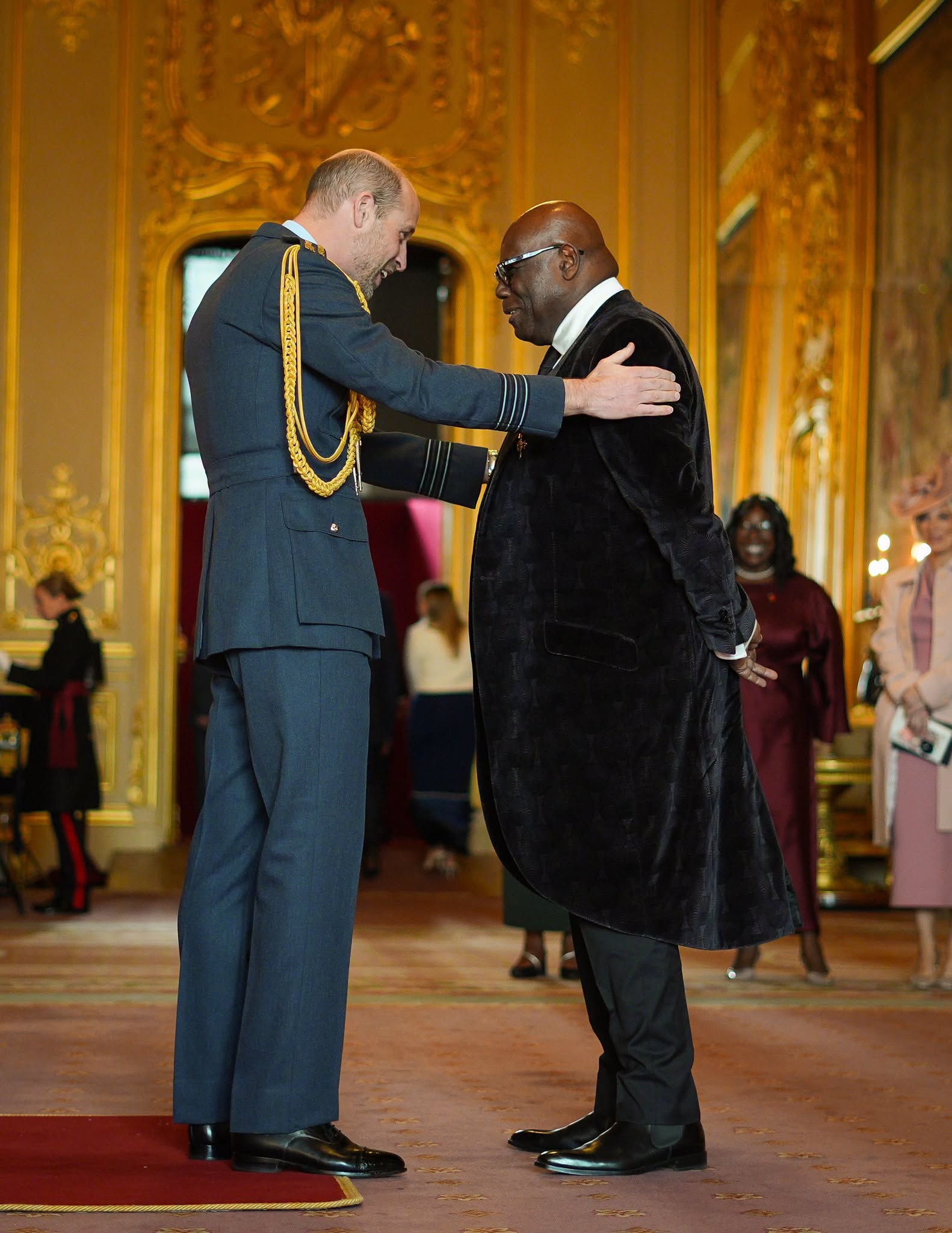
On November 10, the electronic music landscape reached a historic milestone when legendary DJ and producer Carl Cox was officially invested as an Officer of the Order of the British Empire (OBE). The ceremony, held at the historic Windsor Castle in the county of Berkshire, saw Prince William confer the prestigious honor upon the 64-year-old artist. This recognition serves as a formal state acknowledgement of a career spanning nearly five decades, during which Cox evolved from a mobile disco DJ in the late 1970s to a globally recognized architect of the techno and house movements.
The investiture forced a brief hiatus in the artist’s current United States tour, a testament to the gravity of the accolade. As one of the most respected figures in the industry, the OBE signifies more than a personal achievement for the Barbados-born, UK-raised icon; it represents the institutional legitimization of electronic dance music (EDM) within the British cultural establishment.
A Legacy Spanning Five Decades
To understand the weight of this honor, one must examine the chronology of Cox’s career. Born in 1962, his early immersion in music began at age 15, when he purchased his first set of turntables. The late 1970s and early 1980s were defined by his work as a mobile DJ, where he cut his teeth on disco, soul, and funk. This foundational period allowed him to develop the technical precision that would later become his trademark.
As the mid-1980s approached, the music landscape shifted. Cox was among the vanguard of DJs who embraced the burgeoning Acid House explosion. By the time the early 1990s arrived, he was a fixture of the London rave circuit. However, his rise was not without adversity. During this era, the nascent rave scene was frequently marred by systemic racial biases and institutional barriers. Despite encountering significant discrimination within the industry, Cox leveraged his distinct mixing style—often characterized by his iconic three-deck technique—to carve out a space that transcended racial and social divisions.
His transition into the global arena was cemented in the mid-90s, particularly through his residencies in Ibiza and his influential "Ultimate" compilation series. His ability to bridge the gap between underground techno and more accessible, energetic dance floor rhythms made him a cornerstone of the festival culture that dominates the music industry today.
The Significance of the OBE
The Order of the British Empire is a British order of chivalry, established in 1917 by King George V. It recognizes distinguished contributions to the arts, sciences, public service, and charitable work. The OBE is the fourth of five classes within the order, ranking just below the Commander of the Order of the British Empire (CBE).
The process of receiving such an honor is rigorous. Nominations are submitted to the Cabinet Office, where they are evaluated by independent specialist committees. These committees review the candidate’s societal impact before making recommendations to the Monarch. While the King is the sovereign head of the order, members of the Royal Family, such as Prince William, frequently conduct the investiture ceremonies on his behalf.
For a DJ to receive an OBE is a rarity, marking a shift in how the UK government views modern music production. While classical composers and traditional rock stars have long been staples of the Honors list, the inclusion of an electronic artist like Carl Cox acknowledges the economic and cultural scale of the dance music industry, which contributes billions of pounds annually to the UK’s creative economy.
Personal Reflection and Royal Connection
In the wake of the ceremony, Carl Cox shared his reflections through his official social media channels, noting the broader significance of the award. "This honor means an incredible amount to me—not just personally, but because of the origins of our music and the long journey it has taken to reach this point," Cox stated. He expressed that seeing electronic dance music receive this level of institutional recognition filled him with "immense pride."
Perhaps most notably, reports from the event indicate that the ceremony was more than a formal affair. In a video statement, Cox revealed that Prince William expressed a personal appreciation for his music. Furthermore, the two reportedly engaged in a conversation regarding their mutual passion for motorsport. Cox, who is a well-known enthusiast of drag racing and high-performance vehicles, found common ground with the Prince, who is a known patron of various automotive initiatives. This humanizing element of the meeting highlights the transition of electronic music icons into the upper echelons of public life.
The Economic and Cultural Impact of Electronic Music
The conferment of the OBE on Carl Cox provides an opportunity to analyze the maturation of the dance music sector. According to industry reports from the International Music Summit (IMS), the global electronic music industry has grown significantly in the last decade, with festival tourism and digital streaming platforms serving as primary drivers.
Cox’s influence has been a primary catalyst in this growth. His "Carl Cox Global" radio show, which ran for over a decade, reached millions of listeners across 35 countries, acting as a bridge between the underground club scene and the mainstream. Furthermore, his long-standing residency at Space Ibiza fundamentally altered the business model of the island’s nightlife, proving that a single artist-led concept could generate massive tourism revenue and long-term brand equity.
From a sociological perspective, the award marks the final stage of "normalization" for the rave culture that was once vilified by the British press in the 1990s. The culture that was once associated with illicit activity and social disruption is now being celebrated as a vital, professionalized sector of the creative arts.
Broader Implications for the Music Industry
What does this mean for the next generation of DJs and producers? The elevation of a DJ to the rank of Officer of the Order of the British Empire sets a precedent for the recognition of electronic production as a high-art form. It encourages institutions to provide grants, support, and infrastructure for electronic music education, much like traditional music conservatories.
Critics have often argued that the Honors system is outdated, yet the inclusion of figures like Cox suggests an attempt to modernize the criteria for excellence. By recognizing someone who grew up in a working-class environment and built a career on the margins of the traditional music industry, the committee is signaling an awareness of the changing demographics and cultural drivers of modern Britain.
Looking Ahead
As Carl Cox moves past the 50-year mark of his career, he shows little sign of slowing down. His current US tour, which he paused for the investiture, is a testament to his continued relevance. By balancing his role as an elder statesman of the scene with the demands of an active touring schedule, he maintains the authenticity that won him his fan base in the first place.
The investiture at Windsor Castle will be remembered as a symbolic bridge between the traditional heritage of the British monarchy and the forward-thinking, digital-first culture of the 21st century. As the electronic music community continues to influence fashion, technology, and social trends, the recognition of its pioneers becomes increasingly essential. For Carl Cox, the OBE is a career-defining validation, but for the industry he represents, it is a statement that electronic music has secured its rightful place in the annals of cultural history.