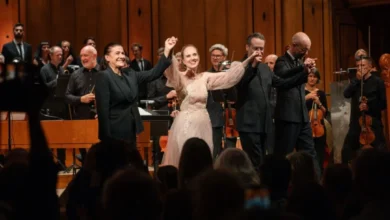
The logistical and cultural implications of hosting world-class opera houses on a single stage in Shanghai

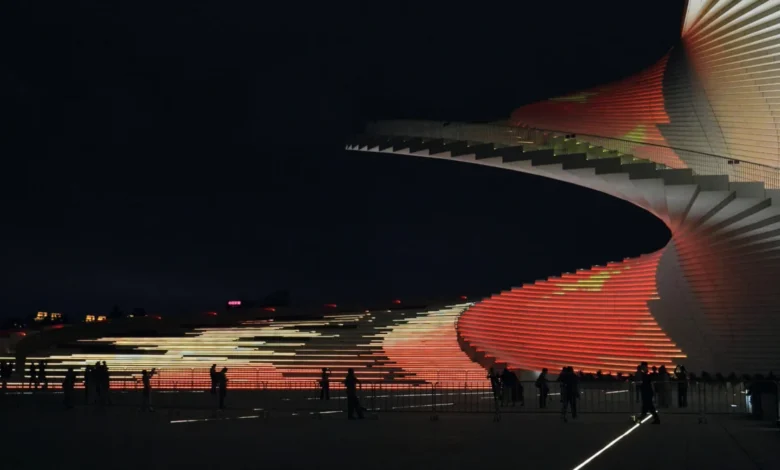
The rapid convergence of global operatic institutions in Shanghai represents a significant evolution in international cultural exchange, transforming the city into a primary hub for high-end performing arts. Within a span of less than a month, Shanghai audiences have witnessed a procession of iconic productions—ranging from La Fenice’s rendition of Puccini’s "Tosca" to the Mariinsky Theatre’s staging of Verdi’s "Aida" and the Staatsoper Unter den Linden’s presentation of Richard Strauss’s "Der Rosenkavalier." This unprecedented concentration of world-renowned companies on a single stage is not merely a logistical marvel; it serves as a litmus test for the sustainability and influence of modern operatic touring in an increasingly interconnected global market.
The Evolution of Operatic Touring and Logistics
Hosting a full-scale opera production is an immense undertaking that extends far beyond the rehearsal process. For established houses like the Mariinsky or the Staatsoper, a touring production involves the transportation of hundreds of performers, specialized technical crews, elaborate sets, costumes, and orchestral instrumentation. When these productions are condensed into a back-to-back schedule at a single venue, the complexity of technical turnover becomes a critical factor.
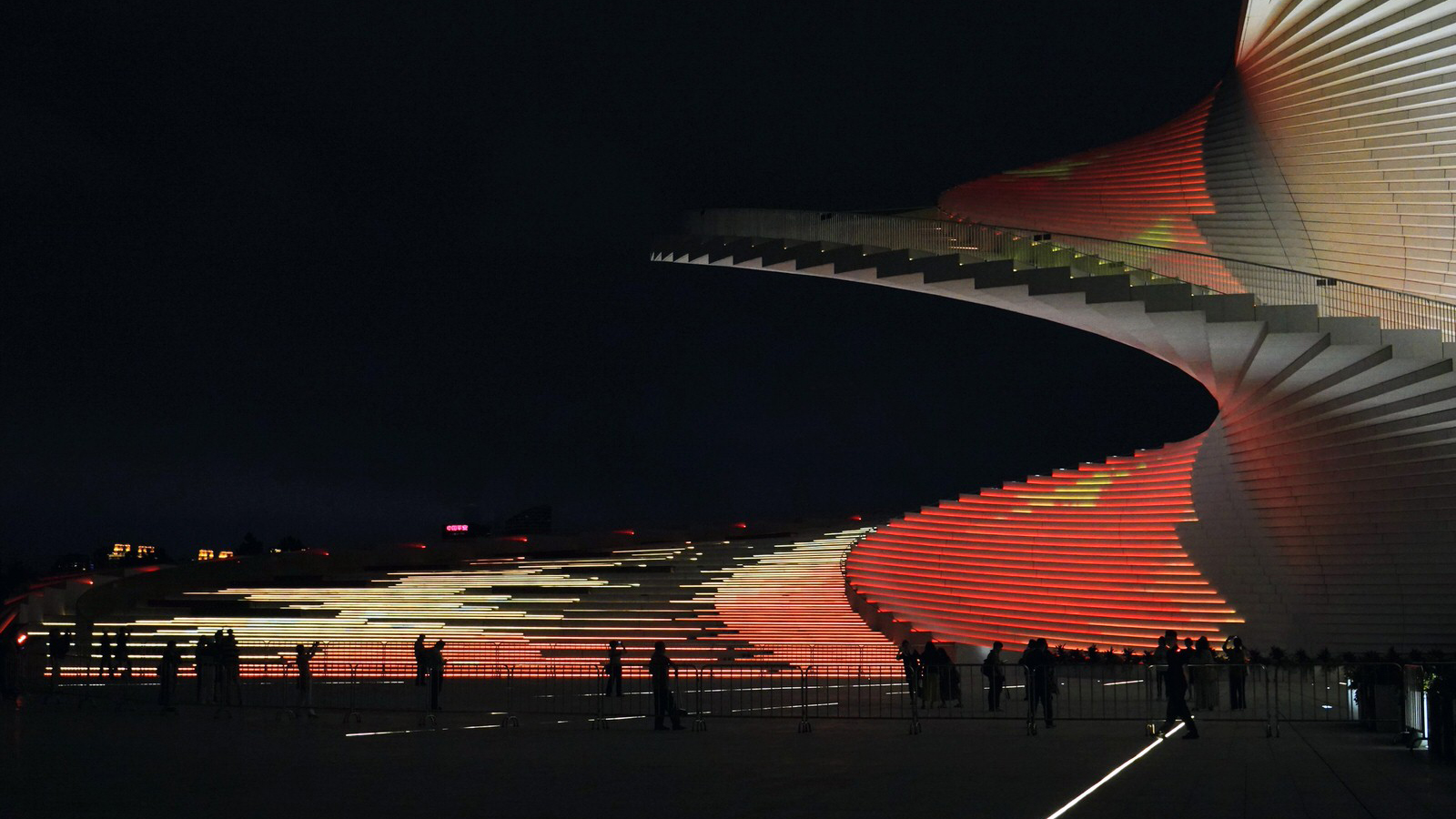
Modern operatic logistics require a high degree of precision in "load-in" and "load-out" procedures. Each opera company arrives with its own unique technical requirements, lighting plots, and acoustic needs. The Shanghai Grand Opera House, along with other major venues in the city, must facilitate seamless transitions between these disparate artistic visions. This requires a 24-hour cycle of stage management, where the infrastructure of one production is dismantled while another is calibrated. The financial implications are equally substantial; the costs associated with international freight, insurance, performer visas, and venue rental are staggering, often requiring massive subsidies or corporate sponsorships to remain viable.
Chronology of the 2026 Season
The recent season in Shanghai has been characterized by a high-intensity schedule that mirrors the density of the Lucerne Festival or the tenth-anniversary celebrations of the Elbphilharmonie in Hamburg. The following timeline outlines the rapid-fire succession of major productions that have defined the recent months:
- Week 1-2: The arrival of La Fenice marked the commencement of the international series, bringing the historical sensibilities of Venetian opera to a Chinese audience. The technical demands of the "Tosca" set, which requires significant vertical space and complex lighting shifts, tested the stage-craft capabilities of the venue.
- Week 3-4: The Mariinsky Theatre’s production of "Aida" necessitated a major shift in staging, moving from the intimate, detailed period-drama style of "Tosca" to the grand, sweeping epic requirements of Verdi’s masterpiece. This transition period was marked by an influx of orchestral equipment and a doubling of the chorus personnel on stage.
- Week 5-6: The Staatsoper Unter den Linden concluded the sequence with "Der Rosenkavalier." The orchestration and staging for this Strauss work are notoriously demanding, requiring the largest pit capacity and the most intricate set movements of the three productions.
Supporting Data and Economic Scope
While the exact figures for these specific productions are often proprietary, industry standards for international touring of this scale provide a clear picture of the fiscal magnitude. An average high-end operatic tour involving a cast and crew of over 200 people, including orchestra members and technical support, can cost between $2 million and $5 million per city, depending on the complexity of the sets.

The sheer volume of cargo involved is also worth noting. A single production of "Aida" can require upwards of 15 to 20 standard 40-foot shipping containers to transport set pieces, costumes, and lighting rigs. When three such companies arrive in succession, the port logistics of Shanghai are heavily utilized, demonstrating the city’s robust infrastructure for large-scale international cultural events. Furthermore, the economic impact on the local economy—ranging from hospitality and tourism to the employment of local stagehands and technical assistants—is a significant driver for municipal cultural investment.
Official Responses and Stakeholder Perspectives
Representatives from the participating houses have largely lauded the technical proficiency of their Shanghai counterparts. In press briefings following the performances, stage managers from the Staatsoper noted the high degree of standardization in modern global venues, which allows for a smoother "plug-and-play" experience than was possible even a decade ago.
However, observers within the industry have raised questions regarding the long-term sustainability of such an intense schedule. Critics argue that while the prestige of hosting these institutions is undeniable, the physical toll on the venue’s infrastructure and the potential for burnout among technical staff cannot be ignored. There is also the matter of audience fatigue; while the initial weeks of the season saw record-breaking attendance, the latter stages faced the challenge of maintaining interest in a market that is being rapidly saturated with high-culture offerings.

Broader Impact and Implications
The phenomenon of "operatic convergence" in Shanghai has several far-reaching implications for the global arts sector:
- Cultural Diplomacy: The presence of these European institutions in China serves as a powerful instrument of soft power and cultural exchange. By bringing the highest caliber of Western classical tradition to the East, the venues facilitate a cross-pollination of artistic standards that benefits both local performers and international touring companies.
- Standardization of Performance Spaces: The success of these tours validates the investment in large-scale, modern performance venues in China. It signals to the international community that these spaces are not merely ornamental, but are functionally capable of housing the most complex productions in the global repertoire.
- The Future of Touring Models: The high cost and high-stakes nature of these tours may lead to a shift toward more collaborative production models. Rather than shipping sets across the globe, future international collaborations may increasingly rely on digital set projection or the sharing of production resources between partner houses to mitigate costs and environmental impacts.
- Local Audience Development: By concentrating world-class performances, Shanghai is cultivating a highly sophisticated local audience. This creates a feedback loop where the demand for quality drives further investment, effectively anchoring the city as a permanent fixture on the global touring circuit alongside London, New York, and Vienna.
Analytical Conclusion
The current state of operatic programming in Shanghai is indicative of a city aiming to cement its status as a global cultural capital. The logistical achievements of the past month demonstrate a level of operational maturity that rivals any major Western city. However, the future success of this model will depend on balancing the desire for "event-based" programming—characterized by high-profile, high-cost, short-duration runs—with the need for a more sustainable, year-round engagement with the local artistic community.
As the industry moves forward, the "Shanghai Model" will likely be scrutinized by other burgeoning cultural centers in Asia and the Middle East. The ability to manage the delicate interplay between international logistics, massive financial requirements, and the artistic integrity of the productions themselves is the new gold standard for global performing arts venues. The question remains whether this rapid pace is an anomaly driven by a specific moment of cultural expansion or the new baseline for what constitutes a world-class opera house in the 21st century. For now, the audience in Shanghai continues to benefit from an era of unprecedented access to the pillars of the Western operatic tradition.