Andrea Rey and Manel Esteve Set to Launch the 34th Otoño Musical Soriano Festival with an All-Zarzuela Gala


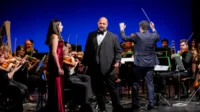
The 34th edition of the prestigious Otoño Musical Soriano festival is poised to launch its highly anticipated cultural calendar with a grand celebration of Spain’s rich lyric-dramatic heritage. On September 10, the historic Auditorio Odón Alonso in Soria will open its doors for an inaugural gala featuring esteemed mezzo-soprano Andrea Rey and distinguished baritone Manel Esteve. The opening night performance, aptly titled "Todo Zarzuela," marks a prominent tribute to the traditional Spanish genre, setting a high artistic standard for the weeks of musical programming that follow across the region.
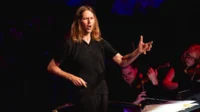
The inaugural concert brings together a formidable roster of musical forces. Rey and Esteve will share the stage with the renowned Orquesta y Coro de la Comunidad de Madrid (ORCAM), performing under the baton of internationally acclaimed conductor Alondra de la Parra. Complementing the orchestral and vocal brilliance, the chorus will be led by chorus master Javier Carmena. Together, these artists will navigate a meticulously curated program designed to showcase the breadth, elegance, and emotional depth of the zarzuela tradition, highlighting a repertoire that has deeply shaped the Iberian Peninsula’s classical music identity.
A Comprehensive Survey of Spanish Zarzuela
The "Todo Zarzuela" program is structured as a sweeping historical and stylistic survey, paying homage to the master composers who defined the genre throughout the late 19th and 20th centuries. Audiences attending the gala at the Auditorio Odón Alonso will be treated to iconic numbers and orchestrations by a pantheon of Spanish musical luminaries, including Tomás Bretón, Francisco Asenjo Barbieri, Ruperto Chapí, Jacinto Guerrero, Federico Moreno Torroba, Amadeo Vives, Gerónimo Giménez, and Pablo Sorozábal.
The concert’s setlist reads as a veritable roll call of zarzuela masterpieces. Selections are drawn from enduring crowd-favorites and critical masterworks alike, such as La verbena de la Paloma, El barberillo de Lavapiés, La revoltosa, La rosa del azafrán, Doña Francisquita, Maravilla, and La del manojo de rosas. Each of these works represents a distinct facet of zarzuela—ranging from the lively, folk-infused costumbrismo of Madrid’s neighborhoods to the more sophisticated, sweeping romanticism of the genre’s twentieth-century evolution.
For international conductors and local ensembles alike, programming an all-zarzuela evening is both a celebration and an act of cultural preservation. While Italian opera and German symphonic works frequently dominate European classical stages, events like the Otoño Musical Soriano provide a vital platform for keeping Spain’s native lyric theater vibrant, relevant, and accessible to contemporary audiences.
Chronology of Upcoming Performances and Artistic Milestones
Following her opening-night appearance in Soria, mezzo-soprano Andrea Rey maintains a demanding and high-profile performance schedule throughout the month of September. Her artistic trajectory places her at the center of several major Spanish theatrical and symphonic productions this autumn.
On September 12, just two days after the Otoño Musical Soriano inaugural gala, Rey will reunite with the Orquesta y Coro de la Comunidad de Madrid and conductor Alondra de la Parra. The ensemble travels to the majestic Teatro Auditorio de San Lorenzo de El Escorial for a major theatrical event: a new semi-staged production of Georges Bizet’s timeless masterpiece, Carmen. This fresh interpretation of the classic French opera is directed by acclaimed stage director Bárbara Lluch, known for her innovative yet respectful approaches to canonical lyric theater. The collaboration between Rey, ORCAM, de la Parra, and Lluch promises to be one of the dramatic highlights of the early autumn season, blending rich vocal textures with dynamic spatial staging.
Rey’s busy autumn does not conclude with El Escorial. Beginning on September 30, the mezzo-soprano will transition into contemporary and mythological realms as she steps into a new production of Andrómeda y Perseo. This late-September opening further demonstrates Rey’s versatility as an artist capable of moving seamlessly between traditional zarzuela, standard operatic repertoire, and modern or lesser-performed classical staging.
Background Context of the Otoño Musical Soriano Festival
The Otoño Musical Soriano festival has evolved over more than three decades into one of the most respected fixtures on Spain’s cultural calendar. Established to bring world-class classical music, chamber ensembles, and orchestral masterworks to the city of Soria in Castile and León, the festival has steadily expanded its artistic scope and international reach.
Named in honor of the revered Spanish composer and conductor Odón Alonso—who maintained a lifelong dedication to championing Spanish music—the festival bridges historical preservation with contemporary innovation. Over its 34-year history, the event has hosted legendary soloists, orchestras from across Europe and the Americas, and cutting-edge multidisciplinary projects. By opening this year’s edition with an homage to zarzuela led by modern stars like Rey and Esteve, festival organizers reaffirm their commitment to celebrating national heritage while engaging top-tier contemporary talent.

The inclusion of Alondra de la Parra at the podium further elevates the festival’s profile. Known for her vibrant interpretations, rigorous musical leadership, and advocacy for orchestral excellence across the globe, de la Parra’s collaboration with ORCAM guarantees a high-octane, polished execution of the intricate zarzuela scores. Similarly, the participation of Javier Carmena ensures that the choral elements—often the emotional and sonic heartbeat of zarzuela—will be delivered with precision and vocal resonance.
Supporting Data and Institutional Framework
The execution of a festival of the scale of Otoño Musical Soriano relies on a complex network of public and private institutional support, logistical planning, and artistic coordination. Events hosted at the Auditorio Odón Alonso typically draw audiences from across Castile and León, as well as cultural tourists from Madrid and beyond, providing a significant economic and tourism boost to the region during the shoulder season.
Orchestral participation by institutions like the Orquesta y Coro de la Comunidad de Madrid underscores the inter-regional cultural cooperation that underpins major Spanish music festivals. ORCAM, funded by the regional government of Madrid, frequently tours national venues to bring symphonic and lyric programs to audiences outside the capital. The partnership between Madrid’s premier community orchestra and Soria’s flagship music festival exemplifies the fluid exchange of artistic resources within Spain’s classical music ecosystem.
Furthermore, the logistical synchronization required for artists like Andrea Rey to transition from the opening gala in Soria on September 10 to a complex semi-staged opera production in San Lorenzo de El Escorial on September 12 highlights the intense physical and professional demands placed on modern classical performers. Balancing symphonic zarzuela, French romantic opera, and contemporary staging within a matter of weeks requires exceptional technical preparation and artistic versatility.
Official Responses and Artistic Perspectives
While formal press conferences and public relations statements surrounding the festival’s rollout emphasize the celebratory nature of the 34th edition, cultural analysts and musicologists have noted the broader implications of programming dedicated entirely to zarzuela.
Industry observers frequently point out that while zarzuela holds a revered place in Spanish cultural memory, it faces ongoing challenges regarding international dissemination. Programs like "Todo Zarzuela" serve as crucial laboratories where artists can refine the specific stylistic nuances of the genre—such as the spoken dialogue (recitado), dance rhythms, and idiomatic vocal phrasing that differentiate zarzuela from Italian opera or German Singspiel.
In statements regarding her upcoming engagements, conductor Alondra de la Parra has consistently emphasized the transformative power of cross-genre musical exploration and the importance of dynamic orchestral leadership in bringing lesser-performed theatrical works to vivid life. Similarly, directors like Bárbara Lluch have noted that approaching canonical works—whether Bizet’s Carmen or the rich tapestry of Spanish lyric theater—requires a balance of historical fidelity and modern theatrical relevance to engage contemporary audiences.
Broader Impact and Cultural Implications
The launch of the 34th Otoño Musical Soriano carries implications that extend well beyond a single night of entertainment in Soria. As cultural institutions across Europe continue to navigate post-pandemic audience recovery and shifting funding landscapes, festival programming must carefully balance accessible crowd-pleasers with adventurous artistic statements.
By dedicating opening night to zarzuela, the festival makes a confident statement about the enduring value of national repertoire. It validates the technical mastery required to perform these works and provides younger generations of singers, such as Andrea Rey and Manel Esteve, with high-visibility platforms to showcase their command of native styles.
Moreover, the dual presence of Rey in Soria and subsequently in El Escorial underscores the growing trend of multidisciplinary festival circuits in Spain, where artists maintain concurrent residencies or rapid-fire guest appearances across multiple regional hubs during the autumn season. This interconnected touring model maximizes the utility of public and private cultural investments, allowing top-tier ensembles like ORCAM to reach wider geographic audiences.
As the September 10 curtain rises at the Auditorio Odón Alonso, all eyes will be on the stage to witness how this stellar combination of vocalists, orchestra, chorus, and conductor breathes new life into the timeless melodies of Bretón, Barbieri, Chapí, and their contemporaries. With a robust schedule extending through the end of the month—culminating in further theatrical ventures—the 34th Otoño Musical Soriano has firmly established its intent to deliver an unforgettable autumn of music.