Handel’s Alcina at the Bavarian State Opera Transcends Psychological Staging Through Musical Brilliance

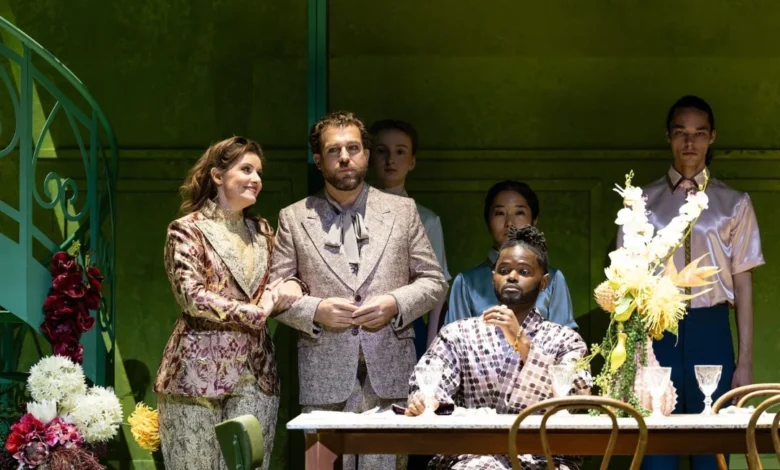
The Bavarian State Opera’s recent production of George Frideric Handel’s Alcina, staged at the Nationaltheater in Munich, presents a fascinating study in the tensions between traditional operatic artifice and modern psychological realism. First performed at Covent Garden in London in 1735, Alcina represents the zenith of Handel’s operatic output, composed at a time when the composer was navigating the shifting tastes of the British public. Based on the epic poetry of Ludovico Ariosto’s Orlando Furioso (1532), the narrative traditionally centers on an enchantress who transforms her discarded lovers into beasts, plants, and stones. However, the production directed by Johanna Wehner, which premiered during the 2023-2024 season and was recently reviewed in July, takes a radical departure from the supernatural, attempting to ground the high-stakes drama in the domestic fragility of a contemporary villa. While the staging invited significant debate regarding its rejection of the fantastical, the musical execution—led by conductor Stefano Montanari and a world-class cast—solidified the performance as a landmark interpretation of Handel’s score.
Historical Context and the Legacy of Orlando Furioso
To understand the weight of this production, one must consider the historical significance of the source material. Handel’s Alcina is the third of his "Orlando" operas, following Orlando (1733) and Ariodante (1735), all of which draw from Ariosto’s 16th-century masterpiece. In the original libretto, the island of Alcina is a place of literal transformation, where magic serves as a metaphor for the intoxicating and often destructive power of infatuation. The 1735 premiere was notable for its lavish spectacle, including a ballet and elaborate stage machinery, which were hallmarks of the Italian opera seria tradition in London.
In the centuries following its debut, Alcina fell into obscurity before being rediscovered in the mid-20th century. Its revival was spearheaded by legendary sopranos like Joan Sutherland, who reclaimed the role’s virtuoso demands for modern audiences. Today, Alcina is regarded not merely as a vehicle for vocal gymnastics, but as a profound psychological portrait of a woman whose power is inextricably linked to her emotional isolation. The Bavarian State Opera’s decision to mount a new production reflects a broader trend in European opera houses to reinterpret Baroque works through the lens of Regietheater, or director-led theater, which prioritizes thematic concepts over literal adherence to the libretto.
The Director’s Vision: Psychology Over Sorcery
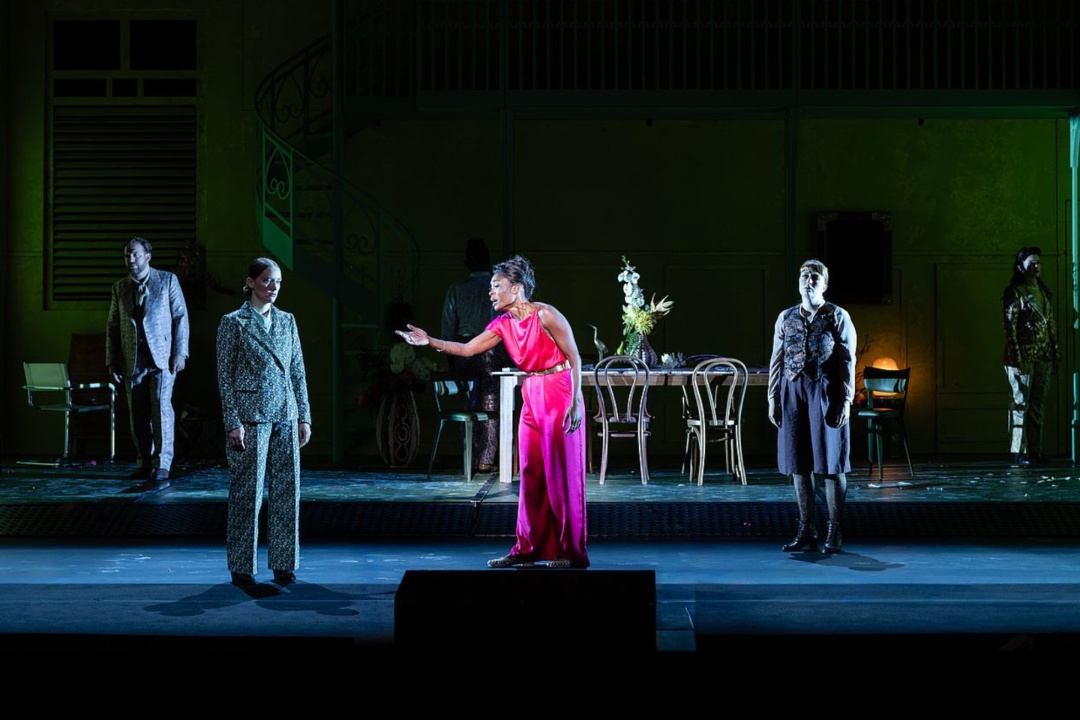
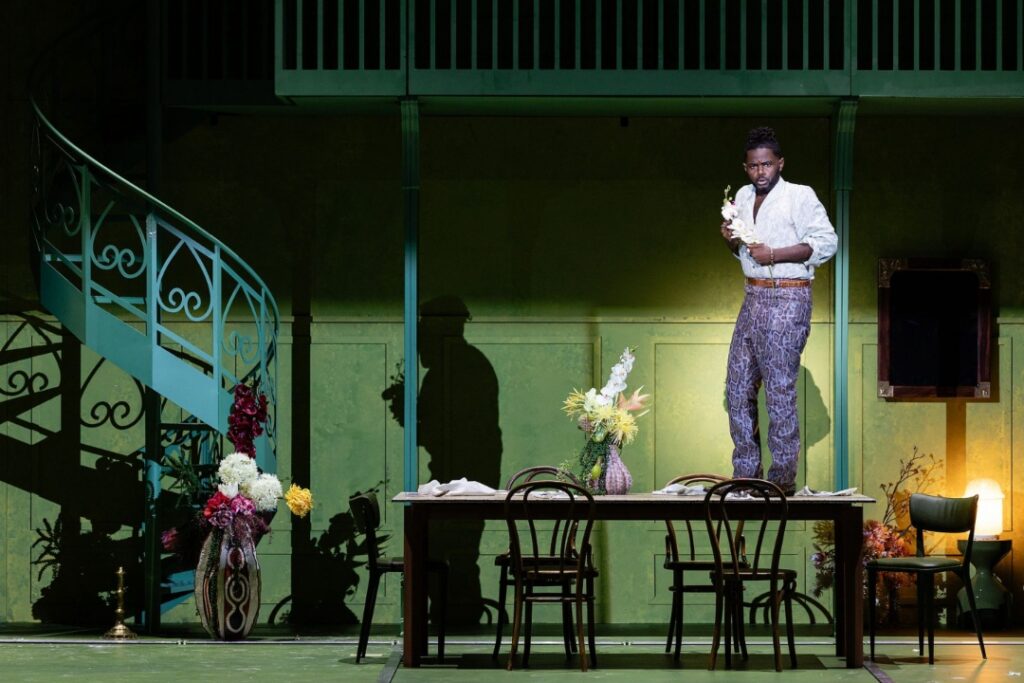
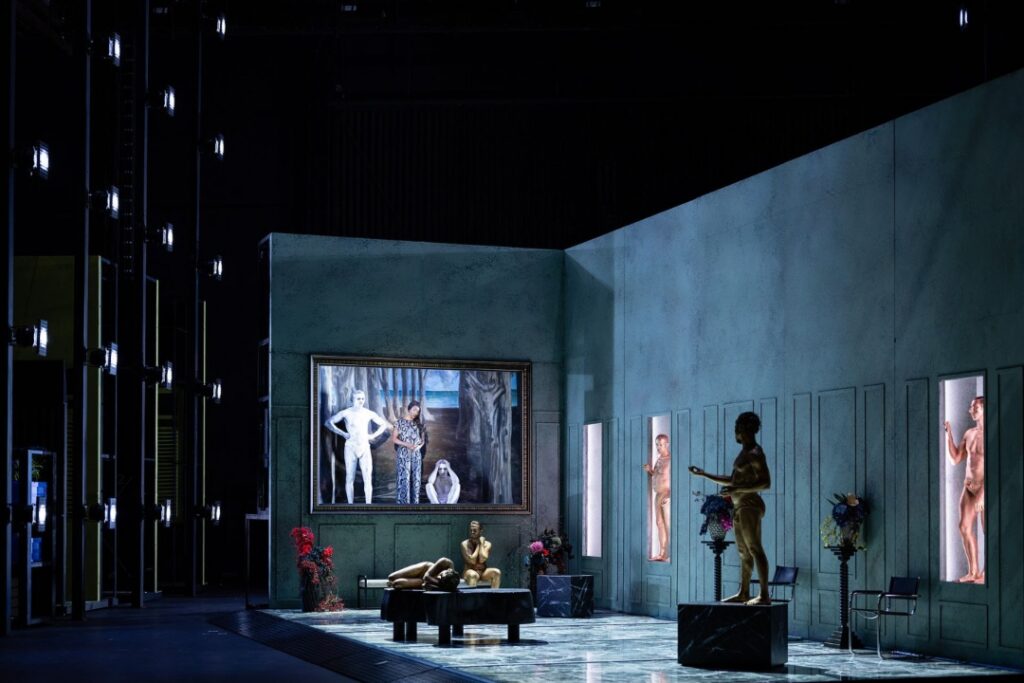
Director Johanna Wehner’s approach to the production was defined by a resolute rejection of the magical elements that typically define the work. In this staging, Alcina is not a sorceress with a magic wand, but a wealthy, emotionally unstable socialite presiding over an elegant but sterile villa. The set, designed by Benjamin Schönecker, featured high-end modern furniture, including iconic pieces such as the Poltrona Frau armchair and the Wassily chair, creating an atmosphere of suburban luxury.
The production opened with a scene of domestic chaos rather than magical enchantment. Before the music began, the audience witnessed a room in disarray—smashed crockery and overturned furniture—which was quickly and methodically restored to order by an army of silent servants. This visual metaphor established the central theme of the production: the desperate effort to maintain a facade of control while internal life collapses. By relocating the action to a realistic setting, Wehner sought to emphasize the interpersonal dynamics between the characters, treating the "spells" as psychological manipulations rather than supernatural feats.
However, this conceptual choice created a series of narrative inconsistencies. In the third act, the production retained the return of the "petrified lovers," who appeared as gilded statues coming to life. This remnant of the original fantasy sat awkwardly within the otherwise realistic framework of the villa. Furthermore, the destruction of the enchanted urn, which in the libretto signals the collapse of Alcina’s realm, was replaced by a more metaphorical disintegration of her social standing. Analysts have noted that while stripping the magic allows for a deeper exploration of Alcina’s vulnerability, it risks undermining the dramatic logic of the characters’ motivations, particularly Ruggiero’s sudden awakening from his "bewitchment."
Musical Performance and Vocal Mastery
If the staging was a point of contention, the musical performance was a point of universal acclaim. The cast was led by soprano Jeanine De Bique in the title role. De Bique’s interpretation was a departure from the imperious, villainous Alcina often seen on stage. Instead, she presented a woman of immense sensitivity, using her luminous soprano to chart a course from confident lover to a broken, abandoned figure. Her performance of the central aria "Ah! mio cor, schernito sei" was the emotional peak of the evening, characterized by exquisite breath control and a nuanced use of pianissimo that held the audience in hushed silence.
Countertenor John Holiday provided a compelling foil as Ruggiero, the knight who eventually breaks free from Alcina’s influence. Holiday’s voice remained even and resonant across its entire range, excelling in the pastoral simplicity of "Verdi prati." His ability to transition from the heroic bravura of the early acts to a more introspective, lyrical style in the later scenes provided the necessary emotional arc for the character.
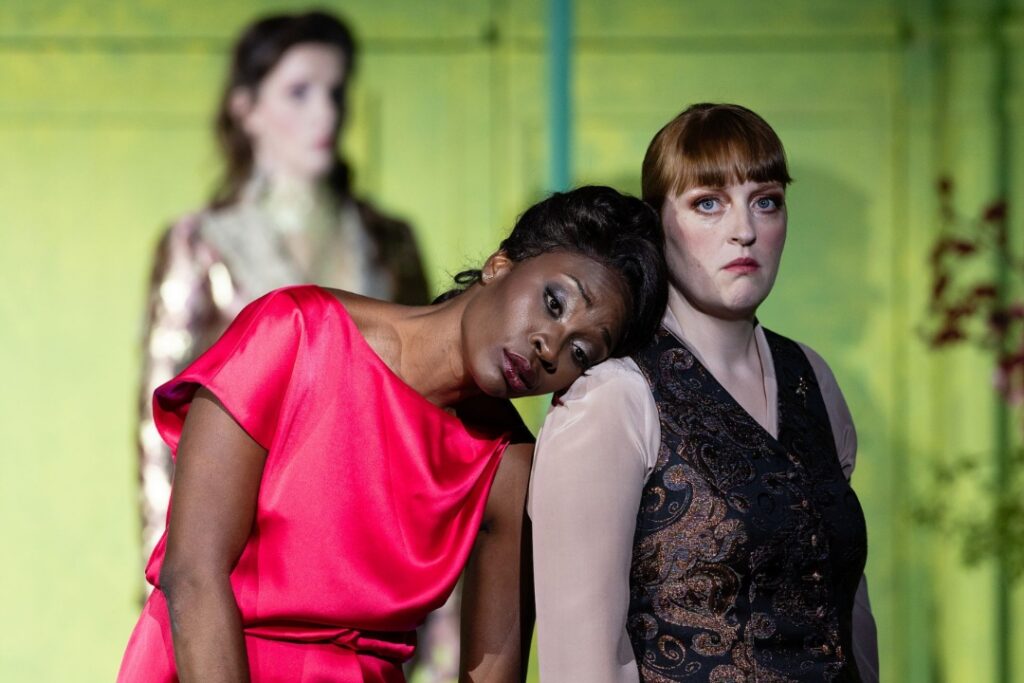
The supporting cast was equally distinguished:
- Elsa Benoit (Morgana): Benoit brought a crystalline coloratura and vibrant stage presence to the role of Alcina’s sister. Her rendition of "Tornami a vagheggiar" was a technical tour de force, blending virtuosity with a flirtatious charm that avoided caricature.
- Avery Amereau (Bradamante): As Ruggiero’s fiancée who disguises herself as her brother Ricciardo, Amereau utilized her rich mezzo-soprano to convey nobility and determination. Her performance of "Vorrei vendicarmi" was a highlight of Act II.
- Carine Tinney (Oberto): Often a secondary character, Oberto’s search for his father was given significant weight by Tinney’s sincere and technically assured performance.
- Gerrit Illenberger (Melisso) and Julian Prégardien (Oronte): Both provided strong vocal and dramatic foundations, with Prégardien offering an especially stylish and nuanced take on the often-overlooked character of Oronte.
Orchestral Excellence Under Stefano Montanari
The success of the evening owed much to the pit. Stefano Montanari, conducting the Bavarian State Orchestra, achieved a remarkable synthesis of modern orchestral power and historically informed performance (HIP) practice. Although the Bavarian State Orchestra is a modern ensemble, Montanari’s direction emphasized transparency, rhythmic buoyancy, and Baroque rhetoric.
The orchestra was augmented by specialists in period instruments, creating a texture that was both warm and lean. Montanari’s use of silence and dramatic pauses was particularly noted by observers; these moments served to heighten the tension and allow the emotional weight of the arias to resonate. The continuo group—comprising harpsichord, theorbo, and cello—was praised for its imaginative and lively accompaniment of the recitatives, which felt like genuine theatrical dialogues rather than mere connective tissue.
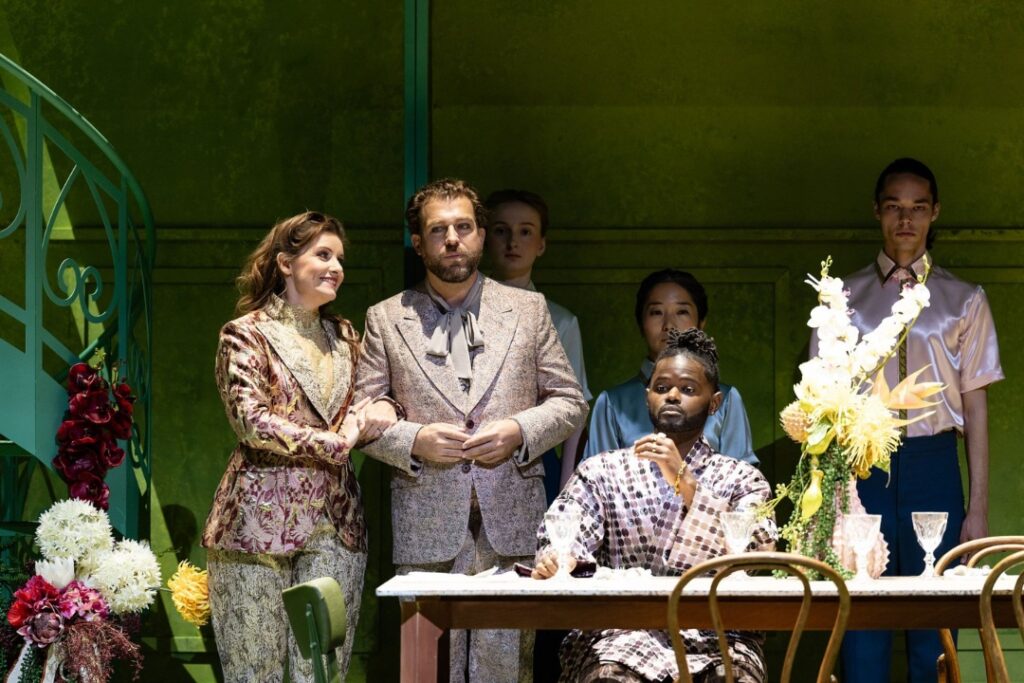
Technical data from the production indicates a meticulous attention to instrumental detail. The obbligato solos, including prominent parts for the cello, flute, and violin, were performed with a level of refinement usually reserved for chamber music. This intimacy allowed for a direct conversation between the voice and the instruments, a key feature of Handel’s orchestrations that is often lost in larger venues.
Broader Implications and Theatrical Logistics
The production’s duration, spanning approximately three and a half hours including intermissions, serves as a testament to the enduring appeal of Handel’s long-form operatic structures. In an era of shortened attention spans, the Bavarian State Opera’s commitment to a full, minimally cut version of the score demonstrates a respect for the architectural integrity of Baroque opera.
From a logistics and production standpoint, the use of lighting by Michael Bauer and costumes by Ellen Hofmann played a critical role in bridging the gap between the staging’s realism and the music’s emotional depth. Hofmann’s contemporary, chic costumes reinforced the "elegant villa" aesthetic, while Bauer’s atmospheric lighting provided the "magic" that the set lacked, using shadows and shifts in color to reflect the changing psychological states of the protagonists.
The production also highlights the ongoing debate within the opera world regarding the limits of directorial reinterpretation. While some critics argued that the removal of the supernatural elements stripped Alcina of her unique identity, others contended that the focus on human frailty made the work more accessible to a modern audience. This tension is central to the survival of the art form, as companies strive to make centuries-old works resonate with contemporary social and psychological concerns.
Conclusion: A Triumph of Musicality
Ultimately, the Bavarian State Opera’s Alcina proved that Handel’s music is robust enough to withstand even the most drastic directorial interventions. While Johanna Wehner’s vision of a magic-free kingdom was at times inconsistent, the sheer quality of the musical performance ensured that the opera’s emotional core remained intact.
The production reaffirmed the Nationaltheater’s status as a premier venue for Baroque opera, capable of attracting the world’s leading vocalists and conductors. For the audience, the evening was less about the literal transformation of men into beasts and more about the universal experience of love, delusion, and the painful process of reclaiming one’s identity. As the final curtain fell on the image of Alcina retreating into a museum-like frame, it was clear that while her magic might have been stripped away, her ability to move the human heart remains as potent as it was in 1735.