Why Cohesion Remains the Defining Benchmark for Modern Surround Sound Speaker Packages

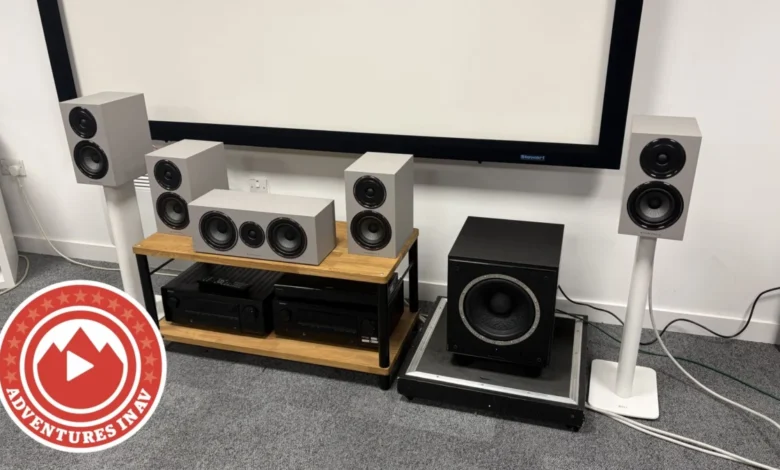
The year 2026 has marked a significant period of innovation and refinement for the home cinema market, characterized by a wave of new surround sound speaker systems from industry stalwarts including Wharfedale, KEF, Paradigm, Dali, and Q Acoustics. As consumers increasingly seek to replicate the cinematic experience within their own living spaces, the demand for high-fidelity audio equipment has grown, placing renewed pressure on manufacturers to deliver systems that offer not only power and clarity but also seamless acoustic integration. While the convenience of modern soundbars continues to attract a segment of the casual market, dedicated multi-channel speaker packages remain the gold standard for audio enthusiasts who prioritize total immersion.
The Evolution of the Home Cinema Standard
The transition from traditional stereo setups to multi-channel surround sound configurations has been a decades-long evolution, punctuated by the development of formats like Dolby Atmos and DTS:X. In 2026, the focus has shifted from merely increasing the number of channels to ensuring the quality and character of those channels remain consistent. Recent testing of various 5.1 and 7.1 systems has underscored a critical reality: the technical specifications of individual drivers—such as frequency response, impedance, and tweeter material—must be uniform across the entire array to prevent the listener from becoming distracted by sonic inconsistencies.
Defining Cohesion in Acoustic Engineering
In audio engineering, "cohesion" refers to the ability of a speaker package to present a unified soundstage. When a film soundtrack transitions from the front left speaker to the surround rear, the listener should perceive a seamless spatial movement. Any discrepancy in the "tonal signature"—often caused by using disparate tweeter types or mid/bass drivers with differing materials—will cause the sound to "break" as it moves across the room.
Data from recent technical evaluations indicates that packages utilizing identical drivers across all five main channels perform significantly better in blind testing scenarios. For instance, the Wharfedale Diamond 12.1i 5.1 HCP, which secured accolades as a top performer in 2026, relies on a consistent design philosophy. By utilizing the same 25mm woven polyester dome tweeter and 13cm mid/bass drivers throughout the front and surround units, the manufacturer eliminates the "audible shift" that often plagues entry-level or mismatched systems. This design choice effectively ensures that the sonic weight and frequency roll-off remain identical, regardless of where the sound is emanating from in the room.
Chronology of Recent System Testing
Throughout the current year, audio critics and technical reviewers have subjected various high-profile systems to rigorous testing protocols. The process typically involves playing a standardized suite of high-dynamic-range film clips—such as sequences from Blade Runner 2049 and F1: The Movie—which utilize complex panning effects to stress-test channel transitions.
- Q1 2026: Market entry of mid-range 5.1 packages focusing on entry-level accessibility. Early reviews highlight a trend where manufacturers attempted to balance cost by utilizing smaller, less capable drivers for rear surrounds.
- Q2 2026: Technical backlash against "mismatched" systems. Consumers and reviewers began prioritizing "timbre matching," leading to a shift in manufacturing trends toward unified driver platforms.
- Q3 2026: The release of premium packages like the Paradigm Premier v2, which showcased excellent engineering but highlighted that even with high cohesion, other factors—such as "natural warmth" versus "analytical sharpness"—still dictate market reception.
- Q4 2026: Consolidation of the "Cohesion-First" philosophy, where industry leaders have standardized their product lines to ensure that even lower-cost satellite speakers share the same technical DNA as their front-channel counterparts.
Technical Analysis of System Performance
The front left and right channels act as the primary anchors for any home cinema system. These speakers are tasked with reproducing the bulk of the film’s musical score, major sound effects, and atmospheric ambient noise. When these speakers do not match the centre channel—which handles the vast majority of dialogue—the listener experiences a phenomenon known as "channel discontinuity."
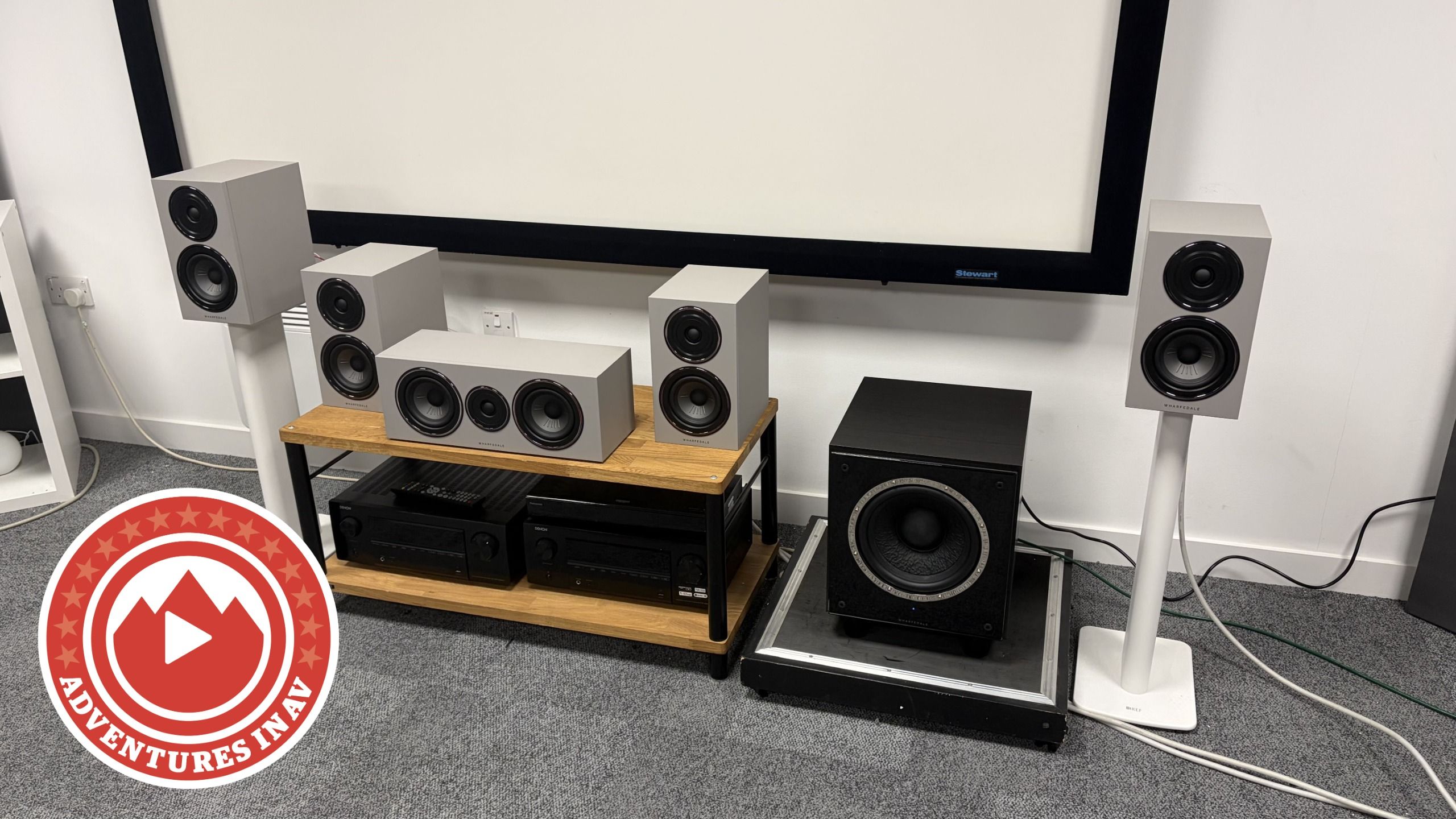
Analysis reveals that the challenge for manufacturers lies in the physical constraints of home environments. Consumers often demand smaller, less intrusive speakers for their rear surrounds. To accommodate this, some brands have historically opted for cheaper, smaller-diameter drivers. However, this creates a "sonic hole" where the rear audio sounds thin or overly bright compared to the rich, full-bodied output of the front towers or monitors. The most successful systems of 2026 have navigated this by utilizing "voice-matched" components, where the crossover frequencies are tuned to compensate for smaller cabinets, effectively mimicking the output characteristics of larger units.
Implications for the Consumer Market
The shift toward cohesive speaker packages has profound implications for the home cinema market. First, it simplifies the buying process for the consumer, who no longer needs to worry about the complex task of "mixing and matching" brands to find components that sound similar. Second, it creates a higher barrier to entry for manufacturers who rely on generic, off-the-shelf driver components.
Official industry commentary from lead acoustic designers suggests that the market is moving toward a "total system" approach. Rather than viewing a surround system as five individual purchases, manufacturers are increasingly presenting these packages as a singular, indivisible instrument. This strategy not only improves the overall listening experience but also increases brand loyalty, as consumers who purchase a cohesive 5.1 system are more likely to expand to 7.1 or 9.1 configurations within the same product line, ensuring that the sound profile remains consistent as they upgrade.
The Role of Natural Warmth vs. Analytical Precision
While cohesion is the primary requirement for a successful system, it is not the only metric for success. As noted in the critique of the Paradigm Premier v2, a system can be perfectly cohesive and yet still fail to satisfy the user if the inherent sound profile is too harsh or clinical. The best-reviewed systems of 2026 have managed to strike a balance between analytical detail—which allows for the clear separation of sounds—and a natural, "warm" tone that prevents ear fatigue during long viewing sessions.
The industry trend, therefore, is toward a "neutral signature" that provides a blank canvas for the movie’s mix, rather than imposing a specific, colored sound on the listener. By ensuring the tweeter and woofer materials are consistent across the entire package, manufacturers are better able to achieve this neutrality, as they are not fighting against the varying distortion profiles of different driver technologies.
Future Outlook and Conclusion
As the home cinema industry moves into 2027, the focus on cohesion is expected to intensify. With the rise of high-resolution audio streaming and increasingly complex Dolby Atmos mixes, the requirement for a perfectly unified soundstage will only grow more critical. Manufacturers who continue to prioritize consistent driver architecture, such as Wharfedale and their peers, are well-positioned to lead the market.
Ultimately, the goal of any high-end surround sound system is to render the hardware invisible. When the speakers function in perfect cohesion, the physical room seems to melt away, replaced by the immersive soundscape intended by the film’s director and sound designers. This "cinematic bubble" is the ultimate measure of success, and it remains, unequivocally, the most important benchmark for any home cinema investment in the current era. As manufacturers continue to refine their engineering processes, the gap between mid-range and high-end audio will likely narrow, providing consumers with better value and more consistent, theater-quality performance than ever before.
Related posts: