The State of Compact OLED Television Technology in 2026 Marks a New Era for Home Cinema and Gaming Performance

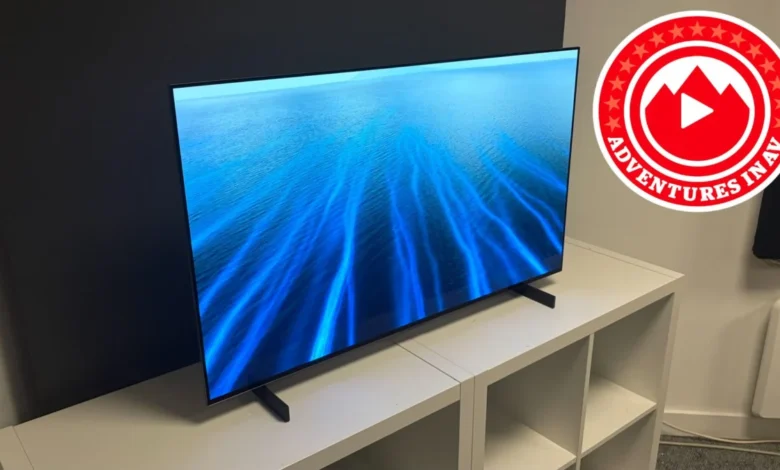
As the industry approaches the highly anticipated What Hi-Fi? Awards 2026, the focus of the testing labs has shifted toward a burgeoning segment of the market that has defied expectations: the sub-55-inch OLED television. For years, the industry standard for high-end home cinema was firmly anchored in the 55-inch to 77-inch bracket. However, recent advancements in panel manufacturing and consumer demand for "desktop-ready" cinematic displays have forced a recalibration of what a compact television can achieve.
The Evolution of the Compact OLED Market
The trajectory of small-form-factor OLEDs can be traced back to the industry-wide pivot that occurred around 2022. When the LG C2 series first debuted, it challenged the long-held notion that OLED technology—renowned for its infinite contrast and per-pixel lighting—could not be efficiently scaled down without sacrificing peak brightness or pixel density.
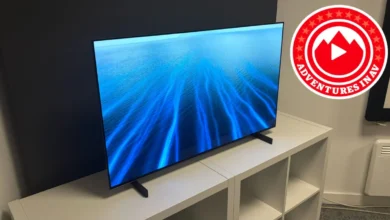
Since that initial breakthrough, the market has seen a rapid succession of iterations. The LG C3, C4, and C5 series, alongside Samsung’s parallel developments in the S90 series, have steadily refined the hardware. The current 2026 lineup, including the LG C6 and the latest Samsung S90H, represents the culmination of four years of iterative design. These models are no longer merely "scaled-down" versions of their larger counterparts; they are engineered with specific attention to the higher pixel density inherent in a 42- or 48-inch footprint, which often results in a sharper, more refined image than what is observed on larger panels.
Technical Performance and Pixel Density
A primary advantage of the 42-inch and 48-inch form factor is the increased pixel density, which is a critical metric for users who utilize these screens as dual-purpose monitors and home cinema displays. In a 42-inch 4K panel, the physical distance between pixels is reduced compared to a 65-inch screen of the same resolution. This creates a denser image, providing a perceived increase in sharpness and clarity—a feature highly sought after by competitive gamers and high-end workstation users.
Recent testing in the 2026 labs has highlighted significant improvements in motion handling and color volume. The LG C6, for instance, exhibits a notable increase in peak luminance compared to its predecessors. By refining the organic light-emitting diode structure and the heat dissipation capabilities of the smaller chassis, manufacturers have successfully mitigated the "diminishing returns" argument that previously hindered compact OLED adoption. These units now offer the same rich, punchy colors and true-black depths that were once exclusive to the premium 65-inch and 77-inch flagship models.
Gaming Integration and Consumer Trends
The convergence of the TV and monitor markets is perhaps most evident in the gaming sector. With the release of high-fidelity titles such as the next installment in the Call of Duty franchise and the much-awaited Grand Theft Auto VI, the demand for high-refresh-rate, low-latency displays has never been higher.
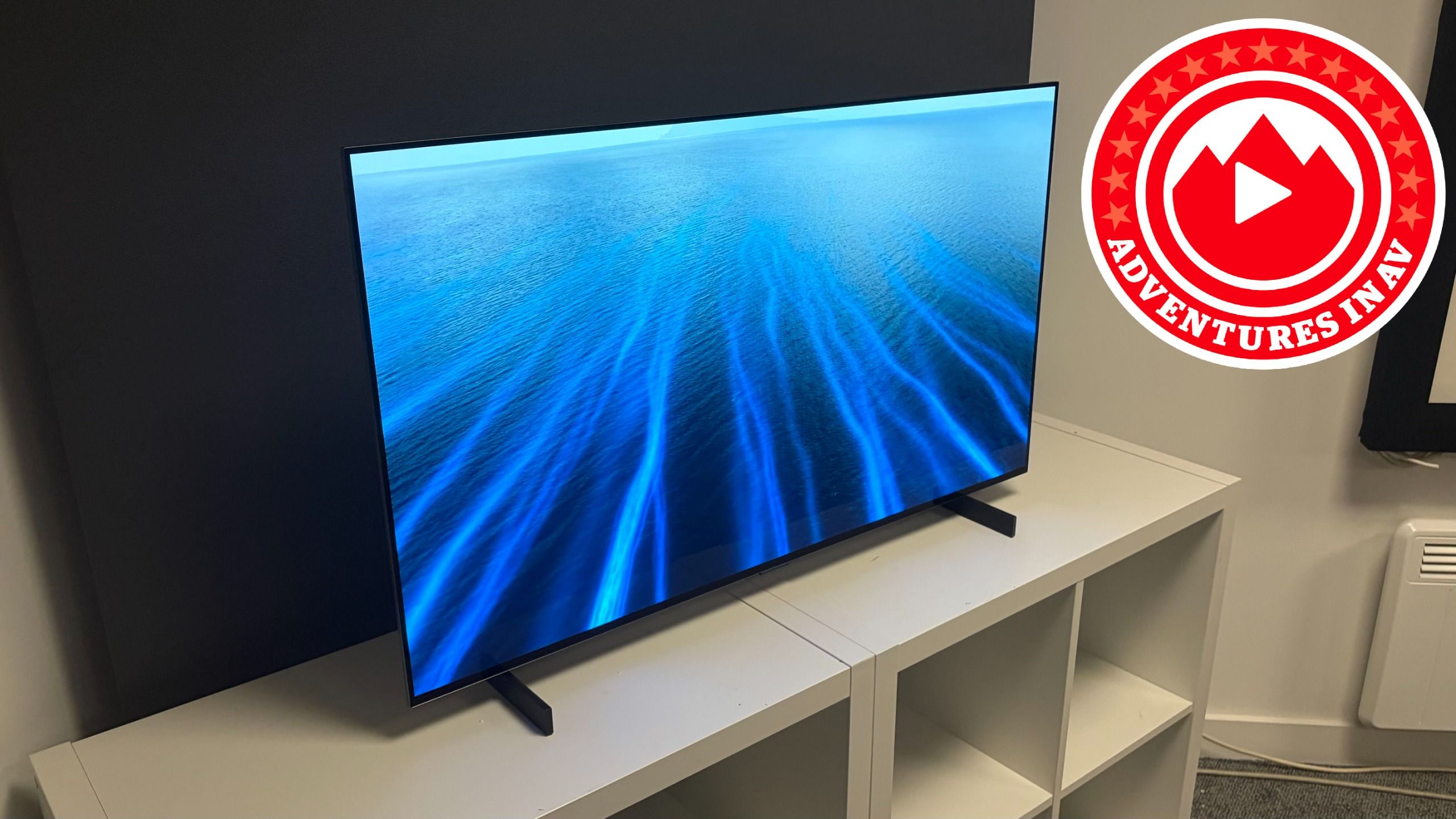
Compact OLEDs offer a distinct advantage here: they provide a "wrap-around" visual experience when placed at standard desktop viewing distances. Unlike traditional IPS or VA gaming monitors, these OLED panels provide instantaneous response times—measured in microseconds—and deep contrast ratios that fundamentally alter the presentation of dark, atmospheric game environments. The industry response has been to integrate full HDMI 2.1 support across these smaller models, ensuring that variable refresh rate (VRR), auto low-latency mode (ALLM), and 144Hz support are standard.
Chronology of Competitive Development
- 2022: The launch of the LG C2 series sets the benchmark for 42-inch OLED viability, signaling a shift in consumer preference toward smaller, high-performance panels.
- 2023-2024: Market saturation of 48-inch models from Panasonic and Samsung begins to diversify the field, leading to aggressive pricing strategies during major retail events like Black Friday.
- 2025: Technical advancements in MLA (Micro Lens Array) technology begin to trickle down into smaller chassis, allowing for significant jumps in peak brightness.
- 2026: The current cycle marks the professionalization of the category, with TVs like the LG C6 and Samsung S90H receiving critical acclaim for balancing compact size with flagship-tier processing power.
Comparative Analysis: The LG C6 and Samsung S90H
While official results for the 2026 Awards remain under embargo, preliminary performance data indicates a narrowing gap between the two major industry rivals. The LG C6, characterized by its refined image processing and color accuracy, continues to leverage the brand’s established dominance in motion smoothing and upscaling. Conversely, the Samsung S90H has focused heavily on panel brightness and color saturation, utilizing its proprietary QD-OLED (Quantum Dot OLED) architecture to achieve a vibrant color palette that performs exceptionally well in bright, ambient-lit environments.
For the end user, the decision-making process has shifted from "compromise" to "preference." The choice between these two platforms now rests on specific use cases: the LG C6 tends to favor those who prioritize natural, cinematic color reproduction, while the Samsung S90H appeals to users who prioritize raw brightness and high-impact visual performance for gaming.
Market Implications and Future Outlook
The shift toward smaller, high-performance televisions has profound implications for the AV industry. As living spaces in urban environments continue to shrink, the "bigger is better" philosophy is being challenged by the "better is better" movement. Consumers are increasingly willing to pay a premium for high-quality display technology that fits into existing furniture configurations, such as desks and smaller media consoles.
Furthermore, the longevity of these panels has been a subject of extensive testing. Manufacturers have integrated sophisticated pixel-shift and heat-management software to combat the risk of burn-in, which has historically been a concern for users employing these screens as PC monitors. The fact that these models are now considered reliable for 8-to-10-hour daily usage cycles—the standard for a typical home-office setup—underscores the maturation of the technology.
As the industry prepares for the upcoming awards ceremony, the inclusion of these compact models in the "Best TV" categories is a testament to their technical achievement. They no longer serve as a budget-friendly entry point; they are high-end display solutions that represent the pinnacle of modern visual engineering. The "compact" label, once indicative of lower performance, has been rebranded as a mark of efficiency and specialized utility. For those who have spent the better part of the last four years observing from the sidelines, the current generation of OLEDs suggests that the barrier to entry—both in terms of price and technical performance—has finally reached a point of stabilization that invites broader adoption.
Related posts: