Technics EAH-A1000 Wireless Headphones: The Engineering Breakthrough Behind the New Flagship Audio Standard

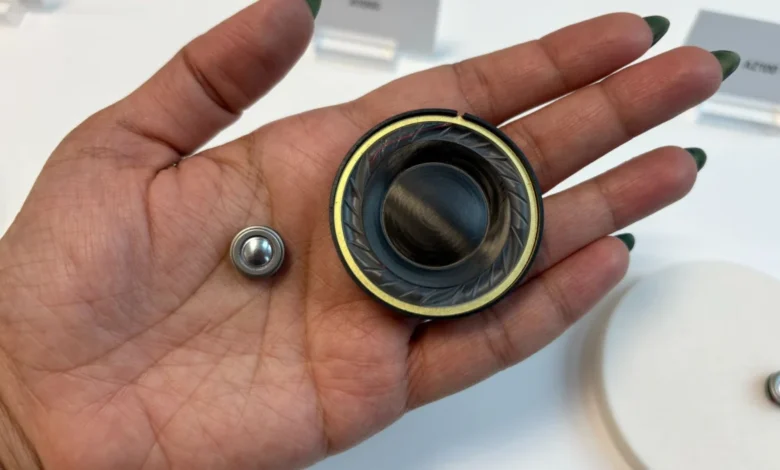
The pursuit of sonic perfection has long been the hallmark of Technics, a brand synonymous with high-fidelity audio engineering. With the introduction of the EAH-A1000, the company is not merely updating its product line; it is attempting to redefine the capabilities of wireless over-ear headphones by migrating its proprietary magnetic fluid driver technology from the compact realm of earbuds to a full-scale, 40mm over-ear architecture. This development represents a significant departure from standard industry practices, moving away from conventional driver designs to address the inherent distortion challenges of larger diaphragms.
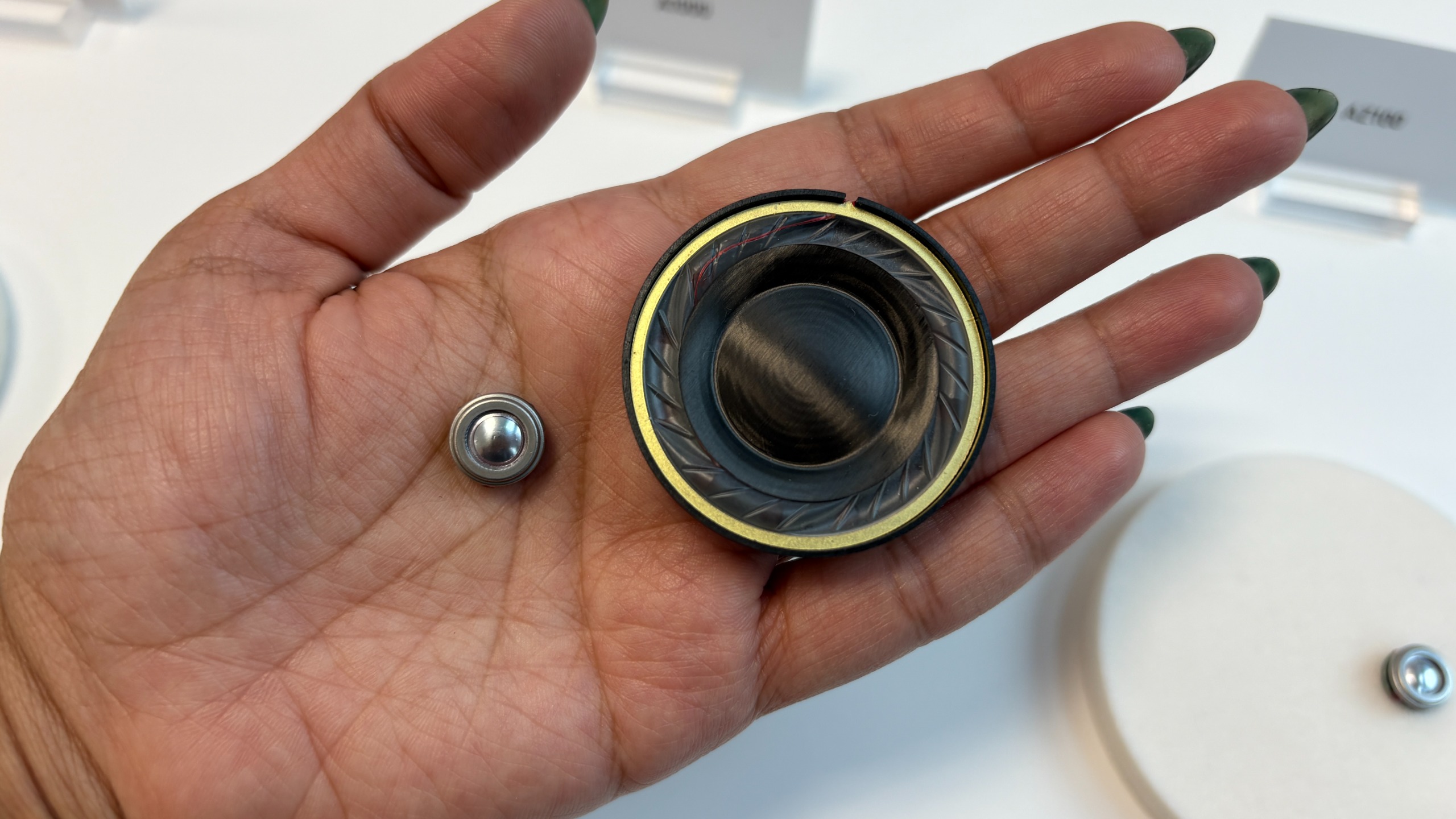
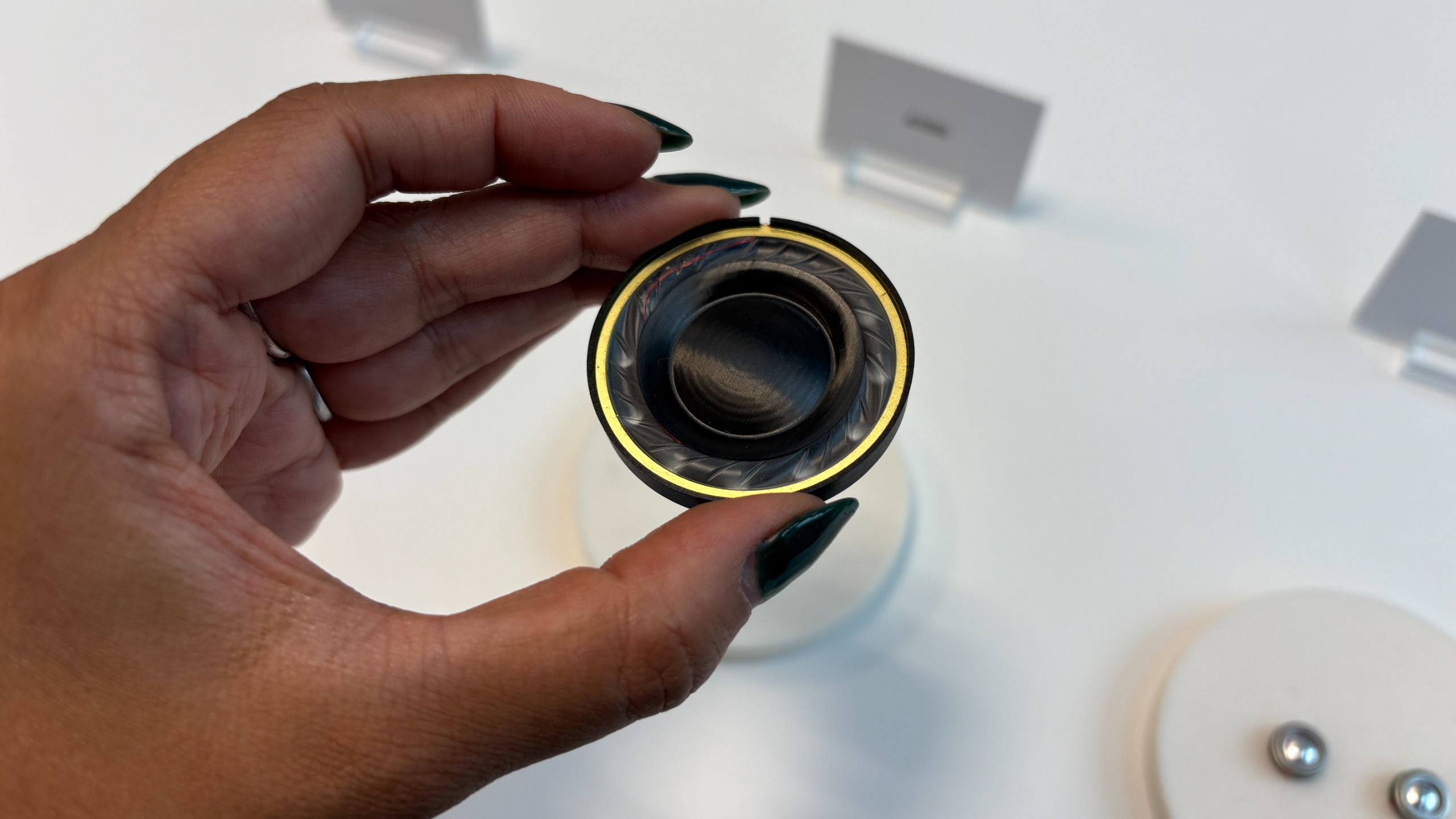
The journey to the EAH-A1000 began in the immediate wake of the successful launch of the EAH-AZ100 wireless earbuds. The AZ100, which garnered critical acclaim for its 10mm magnetic fluid drivers, served as the proof-of-concept for a technology that utilizes an oil-like substance with magnetic properties. By positioning this fluid between the voice coil and the magnet, Technics successfully dampened the rocking vertical movement of the diaphragm without adding significant mass. This resulted in a cleaner, more detailed, and lower-distortion sound profile. However, scaling this technology to a 40mm driver—the standard size for premium over-ear headphones—was far from a straightforward process of enlargement.
The Engineering Challenge: Scaling Magnetic Fluid Technology
In the transition from the 10mm earbud driver to the 40mm over-ear driver, Technics’ acoustic engineers in Tokyo faced a fundamental physical hurdle: increased excursion. A larger driver moves more air and covers a wider physical surface area, which naturally increases the risk of diaphragm flex and mechanical distortion. Initial prototypes that merely scaled the existing magnetic fluid application failed to meet the company’s internal performance benchmarks.
The primary obstacle was finding the balance between damping and natural expression. If the magnetic fluid application was too aggressive, it restricted the diaphragm’s movement, leading to a "closed-in" or compressed sound. If it was too sparse, the benefit of the technology was lost, and the driver would suffer from the same non-linearities as standard dynamic drivers. Riku Takeda, a lead acoustic engineer on the project, noted that the objective was never simply to create a larger version of an existing component. Instead, the mandate was to develop a driver capable of surpassing the performance thresholds typically associated with high-end hi-fi loudspeakers.
Chronology of Development: From Concept to Production
The development timeline for the EAH-A1000 spanned several years of rigorous trial and error. Following the initial feasibility studies, the design team moved into a phase of iterative prototyping that involved testing various diaphragm shapes and material compositions.
- Phase 1: Initial Feasibility (Post-AZ100 Launch): The team established the goal of utilizing magnetic fluid in a 40mm format while maintaining the sonic transparency of the smaller earbuds.
- Phase 2: Geometry and Material Testing: Engineers experimented with flat, concave, and complex dome structures. They found that while flat cones were easier to manufacture, they failed to provide the necessary rigidity to prevent distortion at high volumes, leading to a muddy bass response.
- Phase 3: The Carbon Fiber Breakthrough: The team settled on a "pure" carbon fiber diaphragm—defined as a non-composite, non-laminated structure. To ensure structural integrity, the orientation of the carbon fibers was optimized, and a "rib" was integrated into the dome to minimize unwanted flexing.
- Phase 4: Integration of SST Edge: To further reduce distortion, the team adopted Symmetrical Surround Technology (SST), a design borrowed from Technics’ flagship SB-R1 hi-fi speakers. This geometry ensures that air displacement remains consistent regardless of the direction of the driver’s movement.
Technical Specifications and Design Philosophy
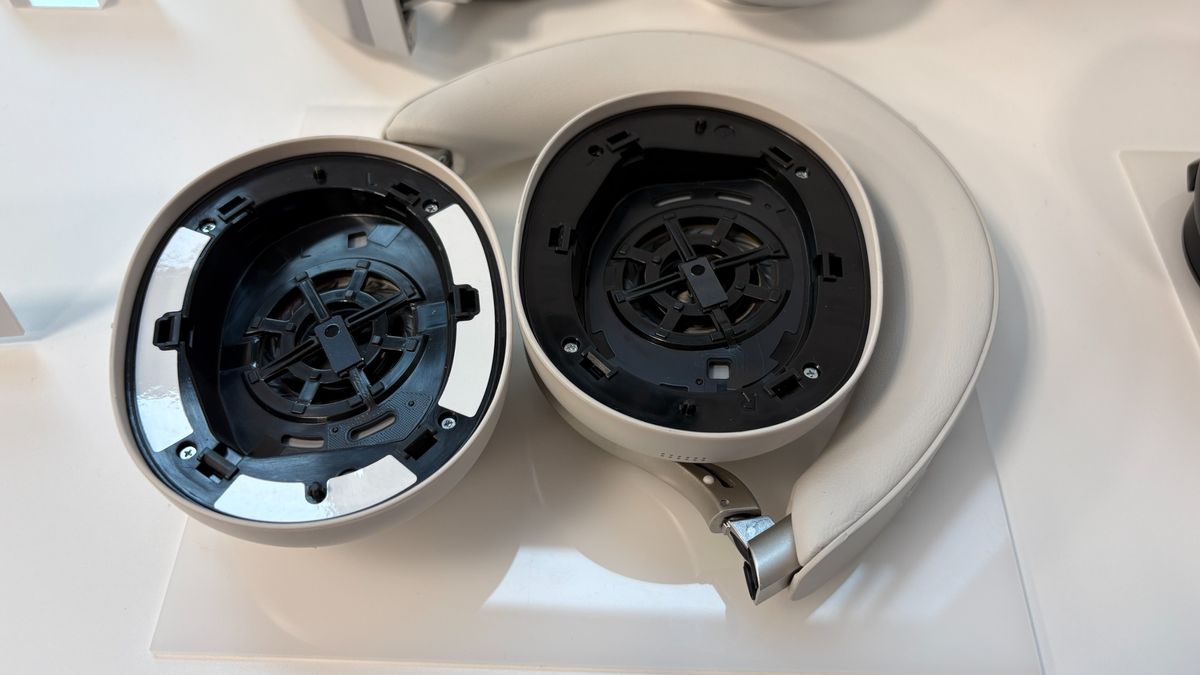
The EAH-A1000’s performance is anchored by a trifecta of design philosophies that define the modern Technics brand: sound, technology, and aesthetic design. The drivers are housed within an "acoustic control chamber" that manages airflow behind the diaphragm, preventing the buildup of standing waves. Furthermore, the "baffle flat structure" is designed to eliminate uneven surfaces surrounding the driver, effectively mitigating reflections that can degrade high-frequency clarity.
The physical design of the headphone—the "flow arm" structure, the clamping pressure of the headband, and the memory foam ear cushions—underwent similar scrutiny. Technics recognized that for a flagship product, user comfort is as critical as audio quality. The team evaluated hundreds of permutations of cushion density and material weight before settling on the current design, which is intended to distribute pressure evenly over long listening sessions.
Official Responses and the "Sound Committee"
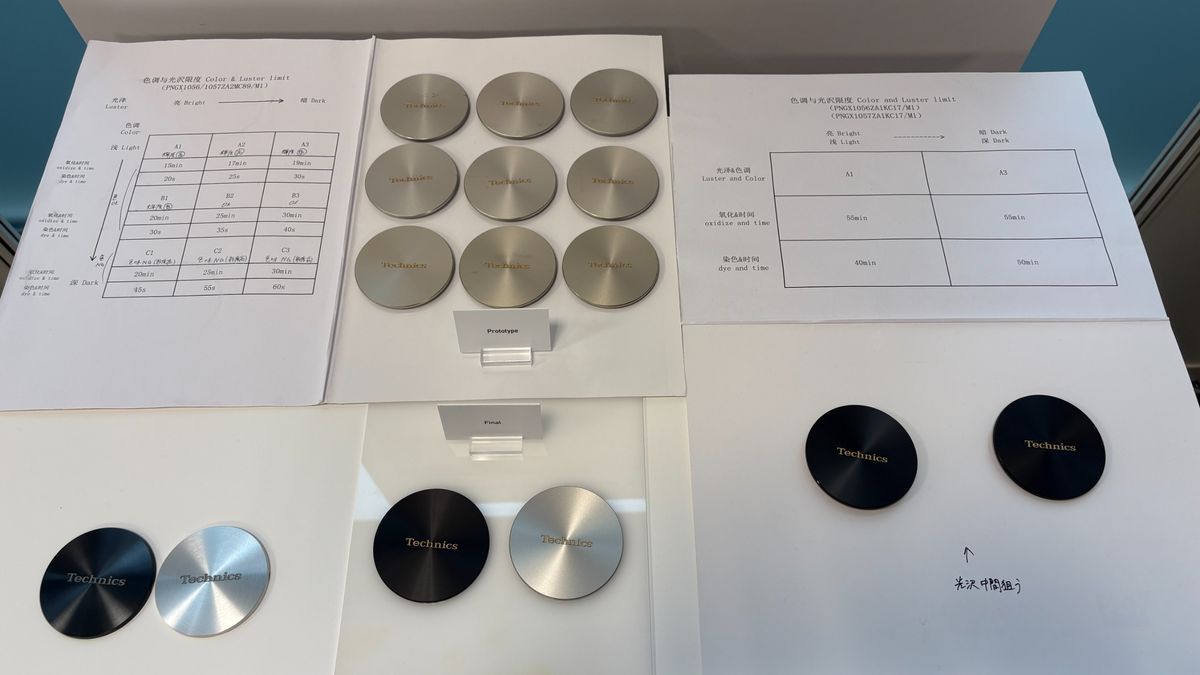
The final product is subject to a strict internal review process, overseen by the Technics Sound Committee. This group, which includes brand director Michiko Ogawa and lead developer Yu Tanaka, maintains a policy of "no compromise." If a prototype does not meet the specific, quantified sonic targets set at the beginning of the development cycle, the product is delayed.
Kazunori Otsu, Head of the Headphone Business at Technics, emphasized that the company’s passion for high-fidelity audio remains constant, even as the medium of consumption has shifted from stationary home systems to mobile, wireless solutions. "In our 60-year history," Otsu noted, "the way we listen has changed, but our standard for what constitutes a high-quality music experience has not." This sentiment underscores the corporate culture at Technics, where the engineering department holds veto power over market release dates based on audio performance.
Market Implications and Future Outlook
The release of the EAH-A1000 places Technics in a unique position within the competitive premium wireless headphone market. While many competitors focus on software-based signal processing and aggressive noise cancellation algorithms to mask hardware limitations, Technics is betting heavily on fundamental acoustic physics. By prioritizing mechanical performance through the use of magnetic fluid and pure carbon fiber diaphragms, the brand is targeting audiophiles who demand the convenience of wireless connectivity without the sonic drawbacks typically associated with Bluetooth transmission.
The broader implication of this release is a potential shift in the "wireless race." As high-resolution codecs like LDAC and aptX Lossless become more prevalent, the bottleneck for wireless audio quality is increasingly shifting back to the physical driver hardware. By demonstrating that high-end speaker technologies can be effectively miniaturized and adapted for personal audio, Technics is setting a new benchmark for what can be expected from the next generation of flagship headphones.
Whether the EAH-A1000 can successfully bridge the gap between studio-grade hi-fi and everyday consumer convenience will ultimately be determined by the market. However, the depth of research and development, characterized by the granular focus on diaphragm geometry and material science, signals a clear intent to dominate the high-end segment of the wireless headphone market. As the industry continues to evolve, the EAH-A1000 stands as a testament to the enduring relevance of traditional acoustic engineering in an increasingly digital world.
Related posts: