Kevin Saunderson and Roland Celebrate 909 Day with a Landmark Educational Workshop at Detroit’s Underground Music Academy

The celebration of 909 Day—an annual global tribute to the Roland TR-909 Rhythm Composer—has reached a crescendo this year with a significant collaborative event between electronic music pioneer Kevin Saunderson and Roland. On Saturday, the legendary producer, recognized globally as one of the founding members of the "Belleville Three" and a primary architect of Detroit techno, will lead a comprehensive, free workshop titled "909 to 1000." Hosted at the Underground Music Academy (UMA) in Detroit, the event bridges the gap between the historic sonic identity of the 1980s and the contemporary capabilities of the new TR-1000.
A Historic Venue for a Foundational Instrument
The selection of the Underground Music Academy as the host site is emblematic of the deep historical ties between the city of Detroit and the development of electronic music. Founded by producer Waajeed, the UMA is situated on a street that shares a storied proximity to the original Motown headquarters. This geographic placement serves as a symbolic bridge between the soulful, rhythmic foundations of American music and the machine-driven future pioneered by Saunderson and his contemporaries in the 1980s.
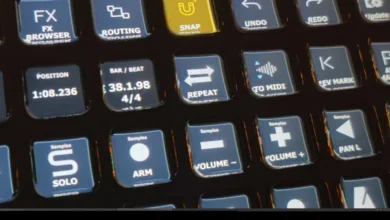
The TR-909, released by Roland in 1983, was initially a commercial failure. Its analog-digital hybrid design was criticized by traditional percussionists for its "unrealistic" sound. However, the machine found a second life in the hands of Detroit producers, who repurposed its punchy, synthesized kick drums and sharp, metallic hi-hats to define the sound of techno and house music. By placing the original TR-909 side-by-side with the modern TR-1000, Saunderson and his co-presenter, Dustin Good, intend to demonstrate the evolution of workflow and synthesis techniques that have allowed the 909 aesthetic to remain relevant for over four decades.
Event Logistics and Global Participation
The workshop, which features both in-person attendance and a global livestream, represents a democratization of music education. Registration for the in-person sessions at the UMA in Detroit remains open until September 11, with the event taking place between 3:00 pm and 6:00 pm Eastern Time. To accommodate an international audience, the organizers have synchronized the livestream to facilitate access from major electronic music hubs: 9:00 pm in Berlin and 4:00 am (Sunday) in Japan.
This accessibility is a core component of the UMA’s mission to provide professional-grade mentorship to the next generation of producers. By offering this masterclass free of charge, Roland and the UMA are addressing a longstanding demand for high-level technical training that is often gated by cost or geographic barriers. The livestream, hosted via YouTube, will serve as a permanent archive, ensuring that the techniques discussed—ranging from sound design and programming to the integration of hardware in a live performance environment—remain accessible for future study.
The Evolution of the Rhythm Composer: From 909 to 1000
The TR-909’s legacy is defined by its sequencer and its unique sound engine, which combined analog circuitry for the bass drum, snare, and toms with six-bit digital samples for the cymbals and hi-hats. This hybrid nature provided a grit and texture that defined the early techno soundscape. The TR-1000, representing the latest iteration in Roland’s ongoing development of the series, integrates modern digital signal processing (DSP) to offer greater flexibility while maintaining the tactile workflow that made the 909 a staple of the studio.
Technically, the workshop aims to show that the principles of drum machine usage—velocity, swing, and rhythmic phrasing—are universal. Whether a producer is using a vintage 909, a modern TR-series device, or even software-based emulations, the foundational concepts of "patching" and layering drum sounds remain consistent. The curriculum will focus on how to move beyond generic factory patterns, encouraging participants to craft unique, signature rhythmic profiles that reflect their personal creative voice.
Multimedia Initiatives: The Rhythm Creators Series
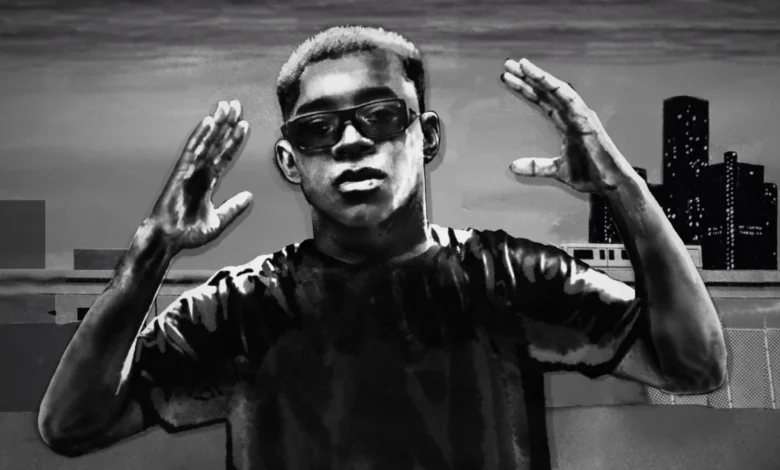
In conjunction with the workshop, Roland has expanded its "Rhythm Creators" animated series. The latest installment features Kevin Saunderson reflecting on the origins of the Detroit sound and the role of the 909 in his own artistic journey, including the production of global hits such as "Big Fun" and "Good Life" under the Inner City moniker.
The series, animated by Vaughn Taormina, employs a stylized aesthetic to visualize the intersection of Detroit’s industrial heritage and the futuristic output of its music scene. By documenting these oral histories, Roland is effectively preserving the cultural context of the 909, framing it not just as a piece of hardware, but as a primary catalyst for a global movement. These segments serve as a vital link between the technical specs of the machines and the emotional, creative output of the artists who used them to reshape popular music.
Implications for Modern Live Performance
A central theme of the weekend’s discussions is the role of the drum machine in the modern DJ booth. The traditional perception of the DJ as a selector of recorded music is being challenged by a shift toward "hybrid performance," where producers incorporate hardware into their sets to manipulate tracks in real-time.
Industry analysts have noted an increase in hardware-integrated DJ sets at festivals and clubs globally, as performers seek to differentiate their sets from standard digital mixing. The use of compact, powerful units—such as the Roland T-8, which has seen increased visibility in high-profile venues like Berlin’s Tresor—demonstrates a desire for a more tactile, improvisational relationship with the music. By advocating for the use of drum machines as "additional decks," Saunderson and his peers are influencing a new generation to view their performances as live, living compositions rather than static playback.
Broader Context and Legacy
The 909 Day festivities are more than a corporate marketing milestone; they represent a significant moment of institutional recognition for the Detroit techno scene. The collaboration between a major global corporation like Roland and a community-driven organization like the UMA signals an acknowledgment of the debt that hardware manufacturers owe to the innovators who discovered the potential of their instruments in unconventional settings.
As the industry looks toward the next phase of rhythmic innovation, the focus on education at the UMA suggests that the future of music technology will be as much about knowledge transfer as it is about hardware specifications. By fostering a environment where legendary figures like Saunderson can pass down their expertise to younger producers, the 909 Day event establishes a template for how technology brands can meaningfully contribute to the cultural ecosystems they rely on for their continued relevance.
For those unable to attend in person, the workshop and the associated multimedia content provide a comprehensive overview of the intersection between human creativity and machine precision. As the global music community continues to iterate on the foundations laid by the 909, the lessons imparted in Detroit this weekend will likely resonate through the studio workflows of producers worldwide for years to come.