Teenage Fanclub Announce New Album Do Not Dare To Dream and Share Lead Single Day In The Sun

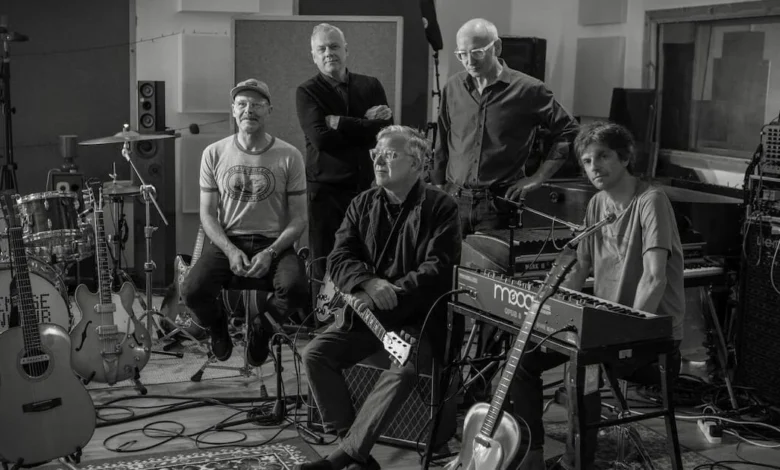
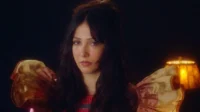
The seminal Scottish alternative rock outfit Teenage Fanclub has officially confirmed the forthcoming release of their thirteenth studio album, titled Do Not Dare To Dream, scheduled for global distribution on October 9 via Merge Records. Accompanying the announcement is the release of the album’s primary single, "Day In The Sun," a track that signals a vibrant shift in the band’s sonic trajectory. The single arrives with an evocative music video directed by long-time collaborator Donald Milne, filmed on location at Black Bay Studio on the remote island of Great Bernera in the Outer Hebrides. This announcement marks a productive period for the band, arriving just one year after the critical success of their 2023 LP, Nothing Lasts Forever.
Evolution of the Teenage Fanclub Sound
The transition from 2023’s Nothing Lasts Forever to Do Not Dare To Dream represents a nuanced evolution in the band’s long-standing career. While their previous effort was noted for its "melancholic warmth" and "understated vibe," "Day In The Sun" introduces a more pronounced sense of "sparkling optimism." The track retains the band’s signature hallmarks—lush multi-part vocal harmonies, 1960s-inspired jangle-pop sensibilities, and rich acoustic layering—but supplements them with intricate production flourishes.
Listeners will note the inclusion of a subtle vox wah effect and a distinctive harp opening, elements that lean heavily into a Californian psychedelic aesthetic reminiscent of The Byrds and the sun-drenched pop of the late 1960s. The prominent use of a Domus church organ, a fixture of the Black Bay Studio, provides a grounding, earthy texture that balances the track’s more ethereal qualities. This blend of classic power-pop tropes with experimental textures suggests an album that is both a return to form and a forward-looking exploration of the band’s capabilities.
The Philosophy Behind Do Not Dare To Dream
The album’s title, Do Not Dare To Dream, is a deliberate subversion of contemporary self-help tropes and "toxic positivity." Songwriter and founding member Norman Blake clarified the origins of the title, noting that it was derived from a track he penned for the album titled "I Do Not Dare To Dream." Blake’s perspective is one of grounded realism rather than nihilism, arguing that the common sentiment of "daring to dream" often ignores the practical complexities of the world.
"Those ‘dare to dream’ sentiments are kind of ridiculous," Blake stated in a press release. "I don’t think the world works that way." This sentiment is echoed and slightly tempered by fellow founding member Raymond McGinley, who suggests that the album explores the possibility of maintaining cheerfulness and optimism despite the inherent difficulties of the human condition. This philosophical tension—between the recognition of a harsh reality and the choice to remain hopeful—serves as the thematic backbone of the record.
Recording in the Outer Hebrides: A Remote Creative Process
The choice of recording location played a pivotal role in the atmosphere of Do Not Dare To Dream. Black Bay Studio, situated on Great Bernera, is one of the most geographically isolated recording facilities in the United Kingdom. Surrounded by the Atlantic Ocean and ancient archaeological ruins, the band found that the environment fostered a deep sense of focus and artistic isolation.
The recording sessions saw the band—comprised of Blake, McGinley, Euros Childs, Francis Macdonald, and David McGowan—adopting a more spontaneous approach to songcraft. Rather than arriving at the studio with rigid, pre-determined arrangements, Blake and McGinley allowed the tracks to take shape through collective experimentation. This organic process is particularly evident in the integration of synthesizers and the aforementioned church organ, which features prominently on tracks such as "Over And Over."
The band’s current lineup has solidified significantly since the departure of founding member Gerard Love in 2018. The inclusion of Euros Childs (formerly of Gorky’s Zygotic Mynci) on keyboards has added a new dimension to their sound, shifting the emphasis toward more complex melodic interplay and varied keyboard textures that distinguish their 21st-century output from their early 90s "grunge-adjacent" beginnings.
Historical Context and Career Longevity
Teenage Fanclub’s career spans over three decades, a feat rare in the volatile landscape of independent music. Formed in Bellshill, Scotland, in 1989, the band became a cornerstone of the 1990s alternative rock scene. Their 1991 album, Bandwagonesque, famously beat out Nirvana’s Nevermind for Spin magazine’s Album of the Year, cementing their status as masters of melodic songwriting.
The band has navigated various shifts in the music industry, moving from the height of the Britpop era to their current status as elder statesmen of indie rock. "I think what happens is you just move from one thing into the next and before you know it, 30 years have passed," Norman Blake reflected. This sense of timelessness is a recurring theme in the band’s recent discourse. Raymond McGinley noted that the ancient history of their recording location in the Hebrides put their own career into perspective: "In the place where we made the record people would have been singing thousands of years ago. Life is short, but music is eternal."
Detailed Tour Itinerary and Ticket Availability
To support the release of Do Not Dare To Dream, Teenage Fanclub will embark on an extensive international tour running from September through November. The tour includes a comprehensive leg across the United Kingdom and Ireland, where the band continues to enjoy a dedicated and growing fanbase. Several dates, including high-profile shows in London, Glasgow, and Edinburgh, have already sold out, reflecting sustained demand for their live performances.
The confirmed UK and Ireland dates are as follows:
- Tuesday, 3 November: Cambridge – Junction
- Wednesday, 4 November: Bristol – Trinity
- Thursday, 5 November: Brighton – Concorde 2
- Friday, 6 November: London – Hackney Church (Sold Out)
- Saturday, 7 November: Manchester – New Century Hall
- Monday, 9 November: Leeds – Project House
- Tuesday, 10 November: Newcastle – Boiler Shop
- Wednesday, 11 November: Aberdeen – Lemon Tree
- Friday, 13 November: Glasgow – Saint Luke’s (Sold Out)
- Saturday, 14 November: Glasgow – Saint Luke’s (Sold Out)
- Sunday, 15 November: Edinburgh – La Belle Angele (Sold Out)
- Monday, 16 November: Belfast – Empire Music Hall
- Tuesday, 17 November: Dublin – Academy
- Thursday, 19 November: Cardiff – Y Plas
- Friday, 20 November: Birmingham – The Crossing
- Saturday, 21 November: Glasgow – SWG3 Warehouse
The tour is expected to feature a mix of material from the new album alongside classic tracks from their extensive back catalog, which includes fan favorites from albums such as Grand Prix and Songs from Northern Britain.
Industry Implications and Market Analysis
The release of Do Not Dare To Dream via Merge Records underscores the enduring partnership between the band and the influential North Carolina-based label. Merge has been instrumental in maintaining the band’s presence in the North American market, where they retain a significant cult following. In an era where many legacy acts struggle to remain relevant, Teenage Fanclub’s consistent output—releasing three albums in the last eight years—demonstrates a robust creative health.
From a market perspective, the band’s strategy of frequent touring and high-quality physical releases (including vinyl and CD formats) caters to a demographic that values traditional album cycles. The "sold out" status of many venues months in advance indicates that the band’s "jangle-pop" niche remains underserved by modern mainstream outlets, allowing them to maintain a profitable and sustainable career through direct engagement with their audience.
Furthermore, the choice of Black Bay Studio and the focus on "eternal music" aligns with a broader trend in the music industry toward "slow recording"—prioritizing environment and atmosphere over the rapid, digital-first production methods common in contemporary pop. This approach not only enhances the artistic integrity of the work but also provides a compelling narrative for marketing the album to a global audience interested in the intersection of geography and sound.
Conclusion and Future Outlook
As Teenage Fanclub prepares for the October 9 release of Do Not Dare To Dream, the band remains a vital force in the alternative music landscape. By balancing their signature melodic sensibilities with a pragmatic, mature lyrical outlook, they continue to resonate with both long-time followers and a new generation of listeners discovering the "Bellshill sound."
The lead single "Day In The Sun" serves as a promising harbinger for the full-length record, suggesting that even after thirteen albums, the band is still capable of finding "sparkling optimism" in the face of an uncertain world. With a major international tour on the horizon and a renewed sense of purpose found in the remote reaches of the Outer Hebrides, Teenage Fanclub appears poised to further solidify their legacy as one of the most consistent and influential bands in modern rock history. Pre-orders for the album are currently available through Merge Records and major digital platforms.
Related posts: