Grace Slick and the Surrealist Legacy of White Rabbit in the Summer of Love

While J.R.R. Tolkien served as the primary literary architect for the sprawling, epic structures of progressive rock, the psychedelic explosion of the mid-1960s found its thematic soul in the nonsensical, subversive landscapes of Lewis Carroll. As the counterculture movement began to coalesce in the Haight-Ashbury district of San Francisco, the work of Carroll—specifically his seminal "Alice" novels—became a foundational text for a generation intent on deconstructing reality. Among the most iconic cultural artifacts of this era is Jefferson Airplane’s "White Rabbit," a track that defied the conventions of 1960s radio to become an enduring anthem of the psychedelic movement.
The song’s path from a humble, upright piano in a San Francisco living room to the upper echelons of the Billboard charts represents a pivotal moment in rock history. Released as a single in 1967, "White Rabbit" peaked at number eight, a staggering commercial achievement given that the composition was structurally closer to a Spanish bolero than a standard pop song. It lacked a traditional verse-chorus-verse architecture, instead utilizing a relentless, hypnotic crescendo that mirrored the tension and release of a drug-induced experience.
The Genesis of a Counterculture Anthem
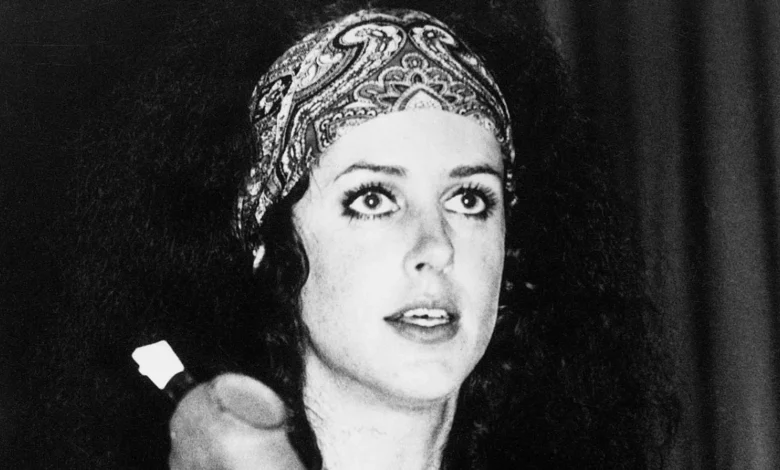
Grace Slick, the architect of the song, penned the lyrics in early 1966 while performing with her original group, The Great Society. The creative process was informed by a rejection of the rigid, conformist values of the 1950s in which she was raised. In subsequent reflections, Slick noted that her parents’ generation frequently criticized the youth for their experimentation with substances, all while maintaining a socially acceptable habit of consuming alcohol.
Slick’s critique was sharpened by her realization that the literature of her childhood was saturated with the very themes that society now deemed dangerous. In her view, "Alice’s Adventures in Wonderland" was a thinly veiled exploration of altered states of consciousness, where consumption of various items led to radical changes in perception and physical reality. Similarly, she pointed to the poppy fields in "The Wizard of Oz" as a clear literary precursor to the imagery of the 1960s.
The musical structure of "White Rabbit" was heavily influenced by Miles Davis’s 1960 masterpiece, "Sketches of Spain." Slick, having spent time listening to the album under the influence of LSD, became obsessed with its exotic, dark, and brooding textures. She composed the song in F-sharp minor, a key she favored for its perceived depth and melancholy, later shifting to major chords for the chorus to signify the defiant courage of Alice as she navigates an absurd, often hostile, world without a savior.
The Transition to Jefferson Airplane
The Great Society proved to be a short-lived venture. By the summer of 1966, the band was struggling with internal discord, highlighted by a disastrous recording session with producer Sylvester Stewart—the man who would later become a global icon as Sly Stone. Following the departure of Jefferson Airplane’s original vocalist, Signe Toly Anderson, the band sought a new voice that could command a stage.
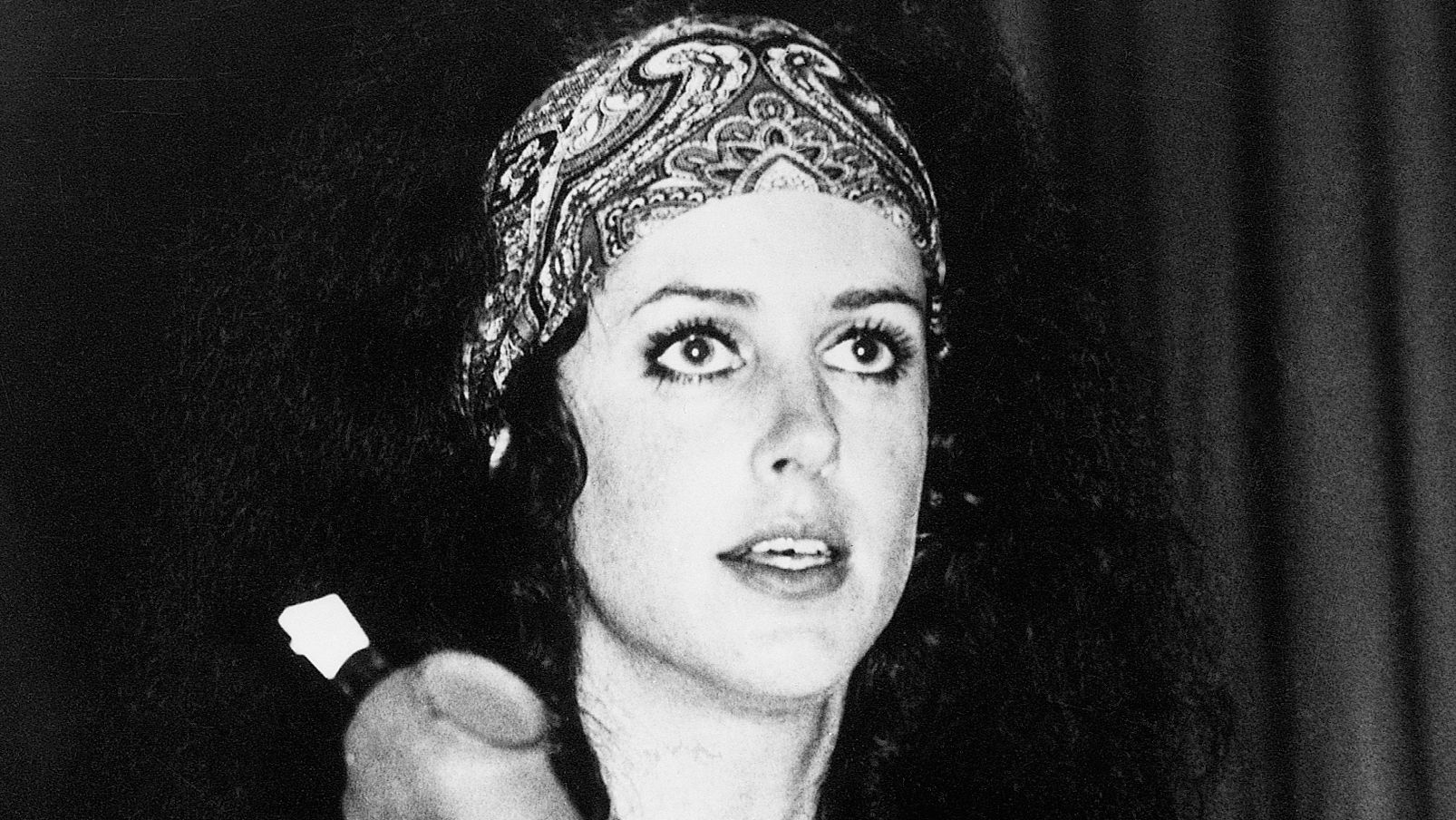
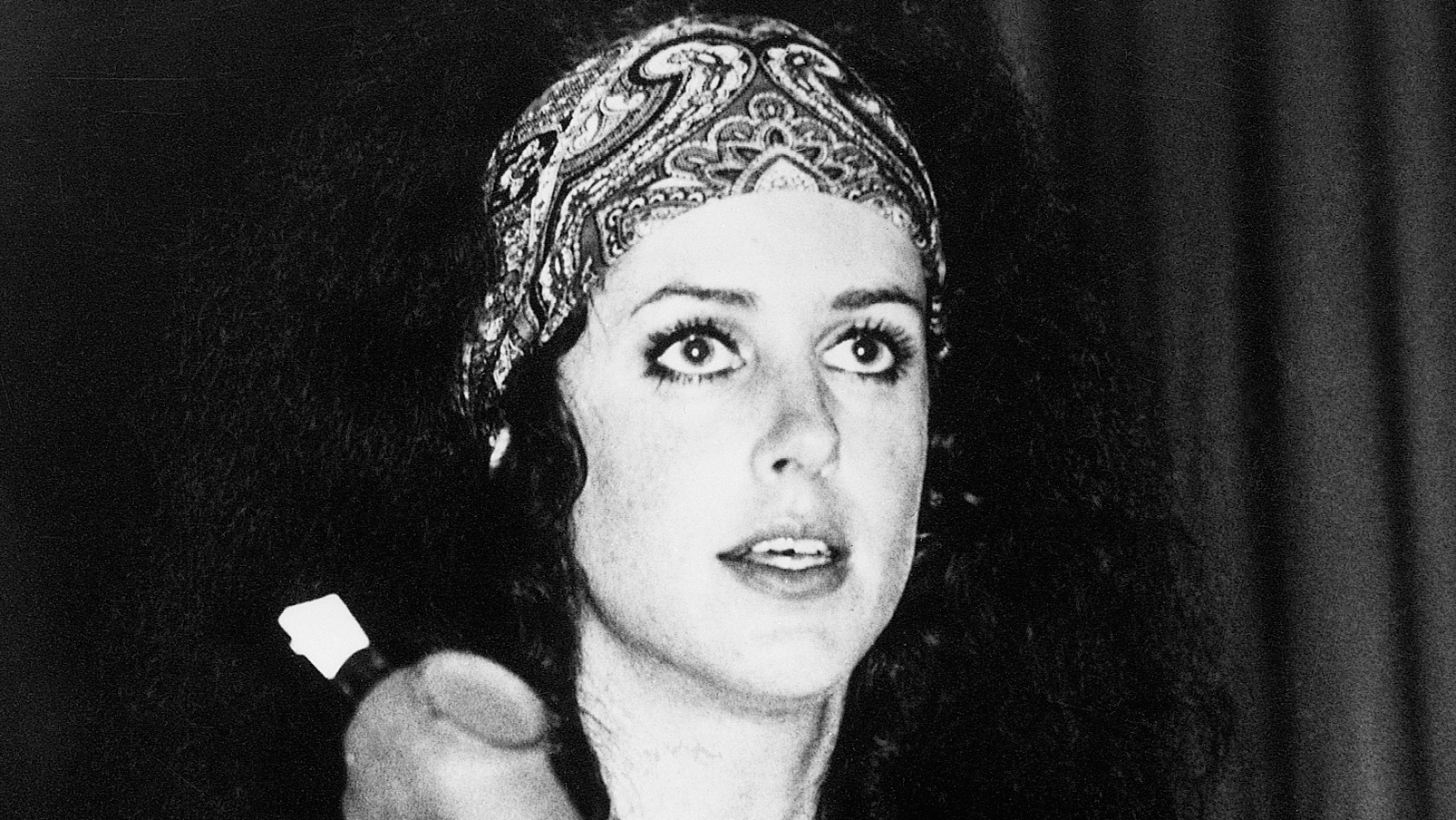
Bassist Jack Casady was instrumental in recruiting Slick, noting that her stage presence was revolutionary for the time. Unlike many of her contemporaries, who often remained static behind microphones, Slick engaged the audience with direct, confrontational eye contact, effectively breaking the fourth wall. Furthermore, her background in more complex chord structures allowed the band’s instrumentation to evolve, leading to a more sophisticated sound on their second studio album, "Surrealistic Pillow."
The Recording at RCA Victor Studios
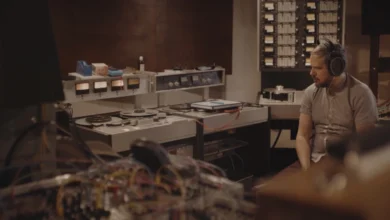
The recording of "White Rabbit" took place in November 1966 at the RCA Victor Studios in Hollywood. The environment was cavernous—a room previously utilized by orchestral groups like "101 Strings." The band recorded the track live on a four-track machine, aiming for a raw, atmospheric sound. Casady’s bassline, which provided the foundational, repetitive pulse of the song, was explicitly designed to mimic the slow, rhythmic tension of Ravel’s "Bolero."
Crucially, the band opted to truncate the long, raga-inspired introduction that had characterized The Great Society’s live performances. This editing decision reduced the runtime to approximately two minutes and 27 seconds, an ideal length for commercial radio. Despite its overt references to "pills," "mushrooms," and "hookah-smoking caterpillars," the song bypassed the censorship hurdles that might have otherwise relegated it to the fringes. It received significant airplay, cementing its place in the American consciousness.
Chronology of the Psychedelic Wave
- Early 1966: Grace Slick composes "White Rabbit" on a paint-chipped, keys-missing upright piano in San Francisco.
- Late 1966: Slick joins Jefferson Airplane, bringing "White Rabbit" and "Somebody to Love" into their repertoire.
- November 1966: The band records "White Rabbit" at RCA Victor Studios, Hollywood.
- February 1967: "Surrealistic Pillow" is released, featuring "White Rabbit" and "Somebody to Love."
- August 1967: "White Rabbit" reaches number eight on the Billboard Hot 100, marking the commercial zenith of the Haight-Ashbury sound.
- August 1969: Jefferson Airplane performs a definitive, high-energy version of the song at the Woodstock Music & Art Fair.
- 1973: The original iteration of Jefferson Airplane dissolves, leading to the formation of Jefferson Starship.
Broader Impact and Cultural Implications
The influence of "White Rabbit" extended far beyond its initial chart success. It served as a clarion call for a generation to "feed your head"—a directive that transcended the literal consumption of substances. According to Slick, the phrase was an exhortation to intellectual curiosity and critical engagement with the world. By encouraging listeners to "pay attention" and "read some books," she positioned the song as a tool for cognitive expansion rather than merely a product of counterculture excess.
Historically, the song is viewed as a bridge between the bohemian folk scenes of the early 60s and the harder, more experimental sounds that would define the decade’s close. Its success also proved that complex, non-standard songwriting could find a massive audience, paving the way for the progressive and art-rock movements of the 1970s.
Despite her immense contribution to music, Slick remains an under-discussed figure in the canon of rock pioneers. As one of the first women to occupy a central creative role in a major rock band—not merely as a vocalist, but as a songwriter and musical architect—she dismantled gender-based expectations within the industry. Her ability to walk to the edge of the stage and command an audience as an equal to her male counterparts served as a blueprint for future generations of female rock performers.
Today, "White Rabbit" remains a permanent fixture in the cultural lexicon, frequently appearing in films and television to signify the atmosphere of the 1960s. However, its legacy is more accurately understood as a sophisticated, if surreal, commentary on the dangers of conformity and the necessity of questioning established norms. Through her exploration of Alice’s journey, Grace Slick provided a map for a generation that was, for better or worse, trying to find its way through the looking glass of the American Dream.