In the pursuit of sonic excellence, recording engineers and home studio enthusiasts alike often find themselves in a perpetual cycle of acquiring and discarding gear. This often involves a flurry of affordable, trend-driven equipment in the $300-$500 range, leading to diminished productivity due to constant setup changes and the steep learning curves associated with new tools. However, a more sustainable and ultimately more rewarding approach lies in investing in studio equipment that is not only built to endure but also maintains its relevance and sonic integrity over time, defying fleeting trends and technological obsolescence. This is the realm of enduring studio gear – instruments that become indispensable in virtually every production workflow, retaining their value and, more importantly, their desirability for years to come.
The enduring appeal of certain studio tools is not merely a matter of robust construction but also a testament to their fundamental design principles and their ability to adapt to evolving recording techniques. These are the pieces that become trusted companions, the "old faithfuls" that consistently deliver exceptional results, forming the backbone of countless successful recordings.
The Legacy of the Shure SM57: A Workhorse Microphone
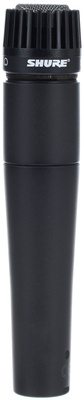
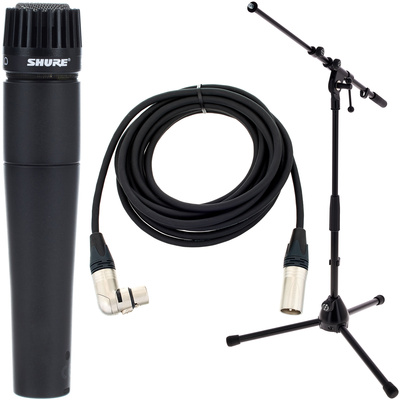
Few microphones embody the concept of "built to last" quite like the Shure SM57. Its lineage can be traced back to Benjamin Bauer’s innovative Unidyne design from 1937, which was further refined by Ernie Seeler’s development of the Unidyne III capsule in 1959. The microphone’s chassis is a marvel of durability, constructed from die-cast steel and finished with a resilient, scratch-resistant enamel. This rugged build quality ensures it can withstand the rigors of constant use in both live and studio environments.
While sharing its capsule with the equally iconic SM58, the SM57’s design features a distinctive flat polycarbonate cap and a stainless steel mesh grille. This configuration allows for incredibly close placement to high-SPL sound sources, such as the speaker cone of a guitar amplifier, without distortion or damage. Its internal design employs a classic moving-coil dynamic element, featuring a Mylar diaphragm, a fixed magnet, and a copper voice coil. Crucially, it operates without the need for phantom power, simplifying its integration into any setup. The transformer-balanced output is a key feature for combating electromagnetic interference, ensuring a clean signal even in noisy environments.
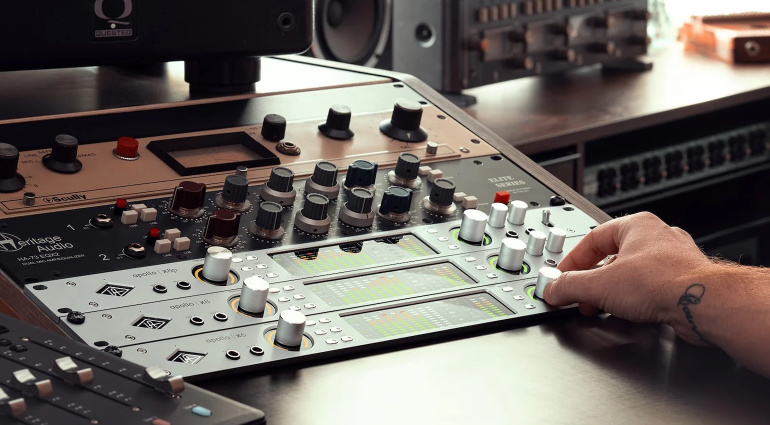
Often lauded as the "Swiss Army knife" of microphones, the SM57’s versatility is legendary. It excels on vocals, guitars, percussion, brass instruments, and virtually any sound source that demands a clear, robust capture. Its consistent performance across a wide range of applications has cemented its status as a studio essential, a microphone that producers and engineers trust implicitly.
A Look at the SM57’s Technical Evolution:
The core design of the SM57 has remained remarkably consistent, a testament to its inherent effectiveness. However, understanding its historical development provides context for its enduring appeal. The initial Unidyne design focused on creating a microphone with a cardioid polar pattern that was resistant to feedback, a significant challenge in the early days of amplified sound. The subsequent refinements in the Unidyne III capsule further enhanced its directional characteristics and overall fidelity. The choice of materials, from the robust steel casing to the resilient diaphragm, speaks to a design philosophy centered on longevity and reliability.

The integration of a transformer-balanced output was a significant advancement, addressing the susceptibility of earlier dynamic microphones to electrical noise. This feature ensures that the microphone’s inherent signal quality is preserved, even when running long cable runs, a common scenario in professional studios. The absence of phantom power requirements further simplifies its use, making it compatible with a vast array of preamplifiers and recording interfaces without the need for additional equipment.
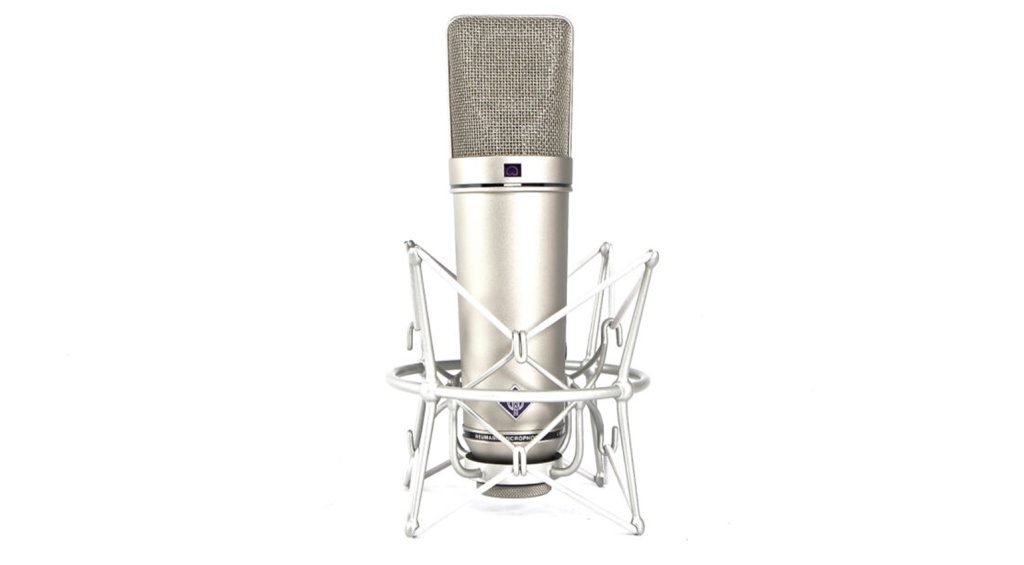
The Neumann U87 Ai: The Pinnacle of Condenser Microphones
Introduced by Georg Neumann GmbH in 1967, the Neumann U87 marked a significant shift in microphone technology, moving from the warm, glowing sound of tube microphones to the cleaner, more direct character of FET (Field-Effect Transistor) designs. This transition was epitomized by its predecessor, the legendary U67, which utilized a vacuum tube. The U87, in contrast, embraced solid-state electronics, eliminating the need for an external power supply unit, a common requirement for high-end tube microphones.
Despite the technological shift, the U87 retained the highly regarded K67 capsule, a key component of the U67. This capsule was adapted to integrate seamlessly with the U87’s FET circuit, preserving much of the sonic character that made the U67 so revered, while introducing the benefits of FET technology. The U87’s sound is characterized by a distinctive forward midrange, precise transient articulation, and a signature Neumann high-frequency sheen that flatters a wide range of sources.
In the mid-1980s, Neumann introduced the "Ai" (Advanced Implementation) version. This update incorporated a DC-to-DC converter, replacing the original battery-powered circuit and increasing the microphone’s sensitivity. This refinement further enhanced its performance and usability, making it an even more indispensable tool in professional studios.
The U87 Ai’s Place in the Studio Ecosystem:
The Neumann U87 Ai is not merely a microphone; it’s an industry benchmark. Its presence in a studio signifies a commitment to professional-grade recording. While its cost places it in the premium category, its consistent performance and enduring sound quality justify the investment. Before acquiring a microphone of this caliber, it is essential to ensure that the recording environment is optimized. Proper room acoustics are paramount to realizing the full potential of the U87 Ai, as its sensitivity can reveal imperfections in a poorly treated space.
Whether employed as the primary vocal microphone in a sound-treated booth or as part of an overhead stereo pair for drum recording, the U87 Ai consistently delivers results that are immediately usable in contemporary music production. It serves as an ideal entry point into the world of high-end condenser microphones, and even for engineers with extensive microphone collections, the U87 Ai often remains the go-to choice, the reliable workhorse that can be counted on for any project.
Rupert Neve Designs Shelford Channel: A Modern Take on a Classic
Launched in 2016, the Rupert Neve Designs Shelford Channel quickly established itself as a modern interpretation of the iconic Neve 1073 channel strip, a piece of equipment that has profoundly shaped the sonic landscape of recorded music for decades. While numerous manufacturers have attempted to replicate the legendary 1073, Rupert Neve himself, a titan in the audio engineering world, ventured beyond mere emulation with the Shelford Channel.
This channel strip is built upon modern, high-voltage discrete Class-A electronics, delivering a sound that is both focused and open, with a punchy transient response that is particularly well-suited for lead vocals, whether in a studio or live performance setting. The Shelford Channel features the innovative "Silk" saturation circuits, offering two distinct tonal options: Red Silk, which accentuates midrange and high frequencies, and Blue Silk, which enhances lower midrange harmonics. These circuits provide subtle yet effective colorations, allowing engineers to impart character and warmth to their signals.
The equalizer section is a sophisticated blend of classic and modern design. It incorporates a high-frequency band operating at 8/16 kHz, a midrange band reminiscent of the 1073 (with selectable frequencies from 220 Hz to 7.5 kHz), and a smooth, musical low-end band inspired by the 1064 (with selectable frequencies from 35 Hz to 220 Hz). This versatile EQ offers both broad tonal shaping capabilities and the precision required for surgical adjustments.
Complementing the EQ and preamp is a 2254-style diode-bridge compressor. This integrated compressor offers parallel processing and flexible sidechain functionality, including internal and external options. The combination of these meticulously engineered components within a single unit makes the Shelford Channel a powerful and versatile tool for shaping and enhancing audio signals.

The Shelford Channel’s Design Philosophy:
Rupert Neve’s approach to audio design has always been characterized by a deep understanding of analog circuitry and a commitment to achieving the most musical and pleasing sonic results. The Shelford Channel embodies this philosophy. The use of high-voltage components contributes to its expansive dynamic range and impressive headroom. The discrete Class-A design ensures a clean, uncolored signal path, while the carefully implemented Silk circuits provide desirable harmonic richness when desired.
The integration of a compressor with such advanced features within a channel strip is a significant advantage, streamlining workflows and allowing for cohesive signal processing. The ability to blend the compressed signal with the original (parallel compression) offers a powerful way to control dynamics without sacrificing transient detail or perceived loudness. The sidechain options provide further control, allowing engineers to tailor the compressor’s response to specific sources and musical contexts.
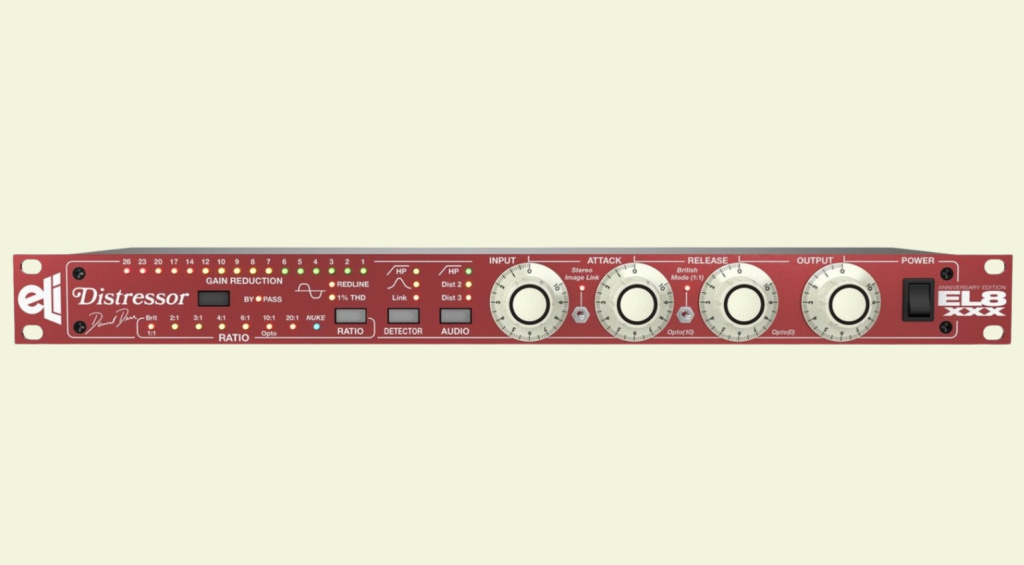
The Empirical Labs Distressor: The Modern Standard in Compression
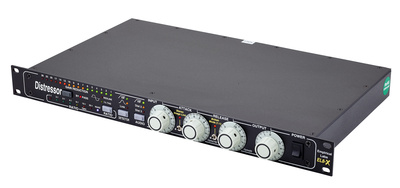
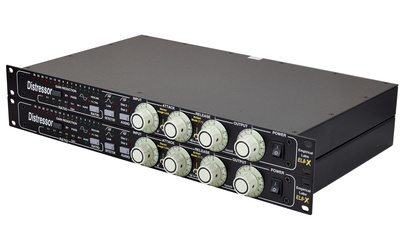
Emerging in the mid-1990s, the Empirical Labs Distressor, designed by Dave Derr, rapidly ascended to become an indispensable tool in professional studios worldwide. Its genius lies in its ability to convincingly emulate the sonic characteristics of vintage compressors, such as the iconic UREI 1176 and Teletronix LA-2A, while offering a modern feature set and unparalleled versatility. A stereo pair of Distressors, when applied to a drum bus, is often described as the audio equivalent of adding a rich, satisfying layer of flavor to a mix.
The Distressor’s sonic palette is vast, thanks to its selectable harmonic distortion modes. Users can choose between "tube" harmonics (second-order) and "tape" harmonics (third-order), or engage the legendary "Nuke" setting for extreme, "smashed" compression, ideal for drum overheads or adding aggressive punch to various sources.
Beyond its impressive sonic capabilities, the Distressor’s ease of operation is a key factor in its widespread adoption. Its intuitive interface allows users to quickly dial in classic compression sounds. For instance, selecting the 4:1 ratio setting instantly evokes the aggressive character of the 1176, while the 10:1 opto setting, utilizing a separate detection circuit, emulates the smooth, vocal-friendly compression of the LA-2A.
Further enhancing its flexibility, the Distressor offers sophisticated control over compression onset. Its sidechain filter settings allow engineers to prevent low-frequency energy from triggering unwanted pumping effects, thereby preserving the low-end punch of a mix. Conversely, a mid-range boost in the sidechain can be used to mitigate harshness in specific frequency ranges. This combination of vintage emulation, modern control, and intuitive design makes the Distressor a truly enduring piece of studio equipment.

The Distressor’s Engineering and Versatility:
The Distressor’s design is a masterclass in analog signal processing. Its opto-compressor circuit, while inspired by vintage designs, incorporates modern components and control logic. The harmonic distortion stages are meticulously engineered to provide pleasing, musical saturation that enhances the character of the audio signal.
The unit’s flexibility extends to its attack and release time controls, which, in conjunction with the various ratio and sidechain settings, allow for a vast range of dynamic manipulation. The "British Mode" on the attack control, for instance, can introduce a unique transient shaping characteristic. The ability to link two Distressors for stereo operation is crucial for cohesive bus compression, ensuring that stereo image integrity is maintained.

The Distressor’s enduring popularity is also a reflection of its sonic transparency when set subtly and its ability to impart significant character when pushed. This makes it suitable for a wide array of applications, from delicate vocal treatments to aggressive drum buss processing and even creative sound design.
The Latch Lake micKing: The Foundation of a Stable Recording
In any professional recording environment, particularly for vocalists and instrumentalists who rely on precise microphone placement, the quality of the microphone stand is paramount. The Latch Lake micKing series is engineered with the explicit purpose of being the last microphone stand an engineer or studio will ever need to purchase. These stands are characterized by their exceptional sturdiness and innovative design, making them ideal for securely positioning even the most valuable and delicate high-end tube microphones.

The micKing series offers a range of configurations, including boom and straight stands, as well as optional boom arm upgrades. A key feature is the patented "vice-like grip" boom clutch, which boasts nearly 16 square inches of secure fastening surface area. This, combined with one-touch lever locks, allows for rapid and precise adjustments to microphone positioning.
Stability is further enhanced by the use of nesting, perimeter-weighted cast-iron bases. These bases are designed to provide a low center of gravity, preventing tipping. For enhanced mobility within the studio, the bases are equipped with integrated wheels, allowing for easy repositioning of the setup without disrupting a recording session.
Attention to detail is evident in every aspect of the micKing’s design. The bases are subtly raised to prevent cables from being crushed, ensuring their safety and longevity. The microphone mount incorporates a "spin grip" mechanism, which attaches microphones securely without causing unwanted twisting of the microphone body or its cable. The overall aesthetic of the micKing series is one of industrial strength and uncompromising build quality, transforming the microphone stand from a mere accessory into a precision instrument that ensures optimal performance from any sound source within the acoustic space.
The Engineering Behind Latch Lake’s Durability:
The development of the micKing series was driven by a desire to address the common frustrations associated with inferior microphone stands. These often include slipping clutches, unstable bases, and mechanisms that can damage cables. Latch Lake’s engineering team focused on creating a solution that was not only robust but also user-friendly and protective of valuable equipment.

The materials used are of the highest quality, with a strong emphasis on durable metals and precision machining. The patented clutch mechanism, for example, utilizes a combination of friction and mechanical advantage to provide a secure hold that can withstand significant weight and movement. The counterbalancing of the bases is a critical design element that contributes to the stand’s overall stability, particularly when extended boom arms are used.
The thoughtful inclusion of features like cable management and a non-twisting microphone mount demonstrates a holistic approach to studio equipment design. These details, while seemingly minor, contribute significantly to the user experience and the longevity of the entire recording setup. The micKing series represents an investment in reliability and peace of mind for any serious audio professional.
The Broader Implications of Investing in Enduring Gear:
The decision to invest in high-quality, long-lasting studio equipment represents a paradigm shift from the disposable culture that can permeate many consumer electronics markets. While the initial outlay for such items may be higher, the long-term benefits are substantial. Firstly, it fosters a more focused and productive creative environment. By reducing the time and mental energy spent on managing and troubleshooting equipment, artists and engineers can dedicate more resources to the creative process itself.
Secondly, it represents sound financial sense. Gear that retains its value can be resold at a reasonable price if the need arises, mitigating the depreciation associated with cheaper alternatives. More importantly, the reliability and consistent performance of these tools lead to fewer production delays and a higher overall quality of output, which can translate into greater success and profitability.
The enduring legacy of these pieces of equipment also speaks to the timeless principles of good audio engineering. The fundamental physics of sound capture and manipulation have not fundamentally changed, and gear that adheres to these principles, built with integrity and designed for performance, will continue to be relevant for generations to come. As the industry continues to evolve, the foundational tools that have consistently delivered exceptional results will always find their place in the modern studio.
Note: This article contains affiliate links. If you purchase a product through these links, we may receive a small commission at no extra cost to you. Your support helps us continue to provide valuable content.