The Great Pivot: How the AI Music Industry is Attempting to Trade Chaos for Credibility

The rapid evolution of artificial intelligence within the music sector has reached a critical inflection point, as industry players shift from a strategy of unchecked expansion to one defined by transparency, legal compliance, and collaborative governance. For years, the integration of generative AI into music production was characterized by a "Wild West" mentality, where platforms frequently ingested vast, unlicensed swaths of copyrighted audio to train their models. However, faced with mounting litigation from major record labels, a palpable backlash from the global artist community, and shifting regulatory landscapes, the industry is now pivoting toward a model that prioritizes ethical frameworks, licensing, and accountability.
This transformation is most visible in the changing public stance of platforms like Suno, once the primary target of industry critics for its initial reliance on scraped data. The company recently signaled a departure from its controversial beginnings by announcing a suite of new models trained exclusively on licensed data. This move, accompanied by the implementation of watermarking systems to help streaming services identify AI-generated content, reflects a broader industry recognition that long-term viability requires a harmonious relationship with the traditional music ecosystem.
A Chronology of Conflict and Consolidation
The tension between AI developers and the music industry is rooted in the rapid emergence of generative models between 2022 and 2024. During this period, companies utilized large-scale data harvesting—often referred to as "scraping"—to teach algorithms how to mimic complex musical arrangements, vocal timbres, and production styles.
By 2023, the friction escalated as record labels and publishing giants, including Universal Music Group (UMG), Sony Music, and Warner Music Group (WMG), initiated legal action against platforms like Suno and Udio. The core of these lawsuits centered on the unauthorized use of intellectual property. However, the narrative shifted unexpectedly in late 2024 and early 2025, as major labels began pursuing settlements that transitioned from adversarial litigation to strategic partnerships.
These agreements represent a structural shift. Rather than fighting for the total exclusion of AI, the industry is increasingly focused on "controlled integration." By licensing their catalogs for AI training, labels can exert influence over how their artists’ work is utilized, ensuring compensation and maintaining a degree of quality control that was absent in the early, unregulated stages of generative AI.
Consumer Sentiment and the Demand for Transparency
The impetus for this pivot is not merely legal; it is driven by a significant disparity between technological capability and public acceptance. Recent data highlights a deep-seated skepticism among listeners and creators alike.
According to a 2025 study by the British Phonographic Industry (BPI), 82% of respondents identified human creativity as an essential component of music, with 80% assigning a higher value to human-composed works than those generated by algorithms. Furthermore, 81% of those surveyed expressed a clear preference for mandatory labeling of AI-generated tracks. Parallel research conducted by Muse Group, which surveyed 1,200 musicians, found that while 78% were open to utilizing AI in specific capacities, 81% demanded more robust regulatory oversight and transparent data usage policies.
This sentiment has forced platforms to reconsider their marketing. Terms like "ethical AI" have become standard in corporate communications, though industry analysts warn that such terminology remains loosely defined. Without standardized verification, "ethical" risks becoming a hollow marketing buzzword rather than a verifiable commitment to fair practice.
The Rise of Accountable AI Development
While large platforms like Suno navigate the complexities of retroactive compliance, smaller, "rights-first" companies have established themselves as benchmarks for ethical operation. Voice Swap AI, founded in 2023, serves as a primary example of this approach. By working directly with vocalists to create authorized models, the company ensures that contributors retain agency over their digital likenesses.
The operational model at Voice Swap AI is notably rigorous: the company utilizes third-party certifications from organizations like "Fairly Trained," embeds high-frequency watermarks in all outputs to prevent misuse, and operates a revenue-sharing model that distributes 50% of subscription income and 80% of licensing fees to the contributing artists.
Ausrine Skarnulyte, CEO of Voice Swap AI, argues that ethical development is not a static state but a series of deliberate operational choices. "Building technology is hard, but establishing rights around it is even harder," Skarnulyte notes. She emphasizes that the current lack of industry-wide definitions for "ethical" allows for significant ambiguity. When any company can define its own ethics, the label ceases to be a reliable indicator for the consumer. Consequently, the industry is moving toward potential self-regulatory systems, such as a B Corp-style certification for AI music, which would provide consumers with a standardized way to evaluate the integrity of the tools they use.
The Role of Industry-Wide Governance
The effort to establish common ground has been led in part by the Roland Future Design Lab. Under the leadership of Senior Vice President Paul McCabe, the industry has seen the introduction of the "Principles for Music Creation with AI." This initiative, which has garnered support from over 150 brands and institutions, seeks to establish a global consensus on copyright protection and data transparency.
McCabe draws parallels to the adoption of MIDI (Musical Instrument Digital Interface) in the 1980s. Just as the music industry came together to ensure hardware compatibility across different manufacturers, McCabe believes a similar collaborative spirit is necessary to manage the existential challenges posed by AI. However, he remains pragmatic, acknowledging that while voluntary guidelines are a starting point, they must be paired with clear enforcement mechanisms to be effective.
Practical Applications vs. Full-Scale Generation
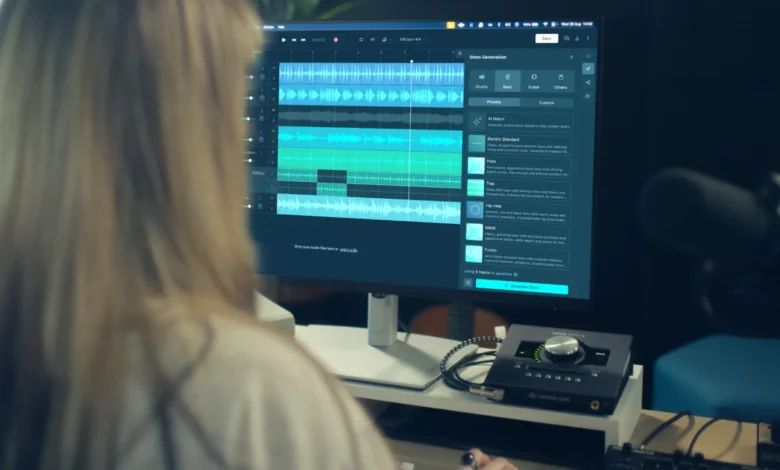
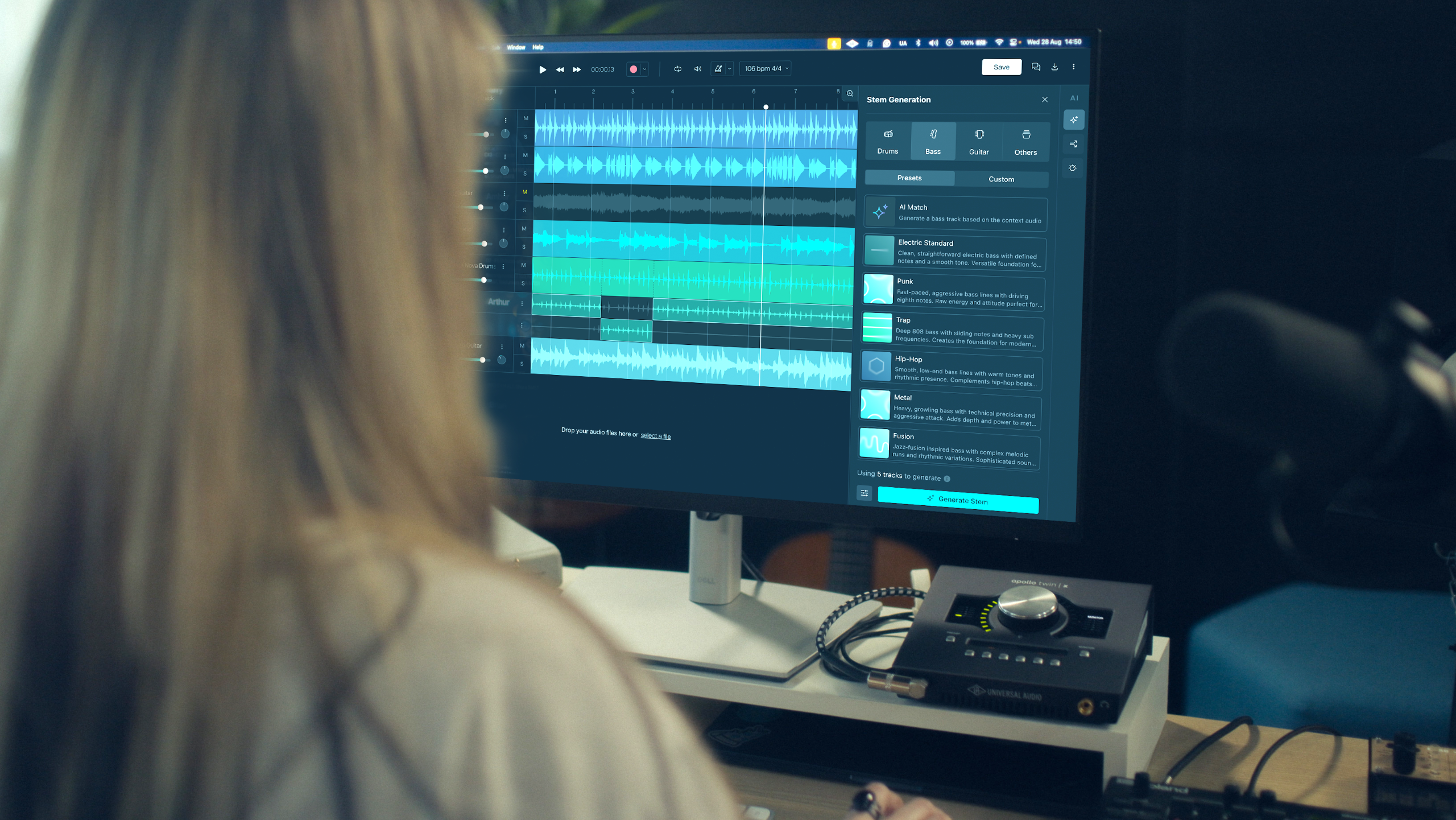
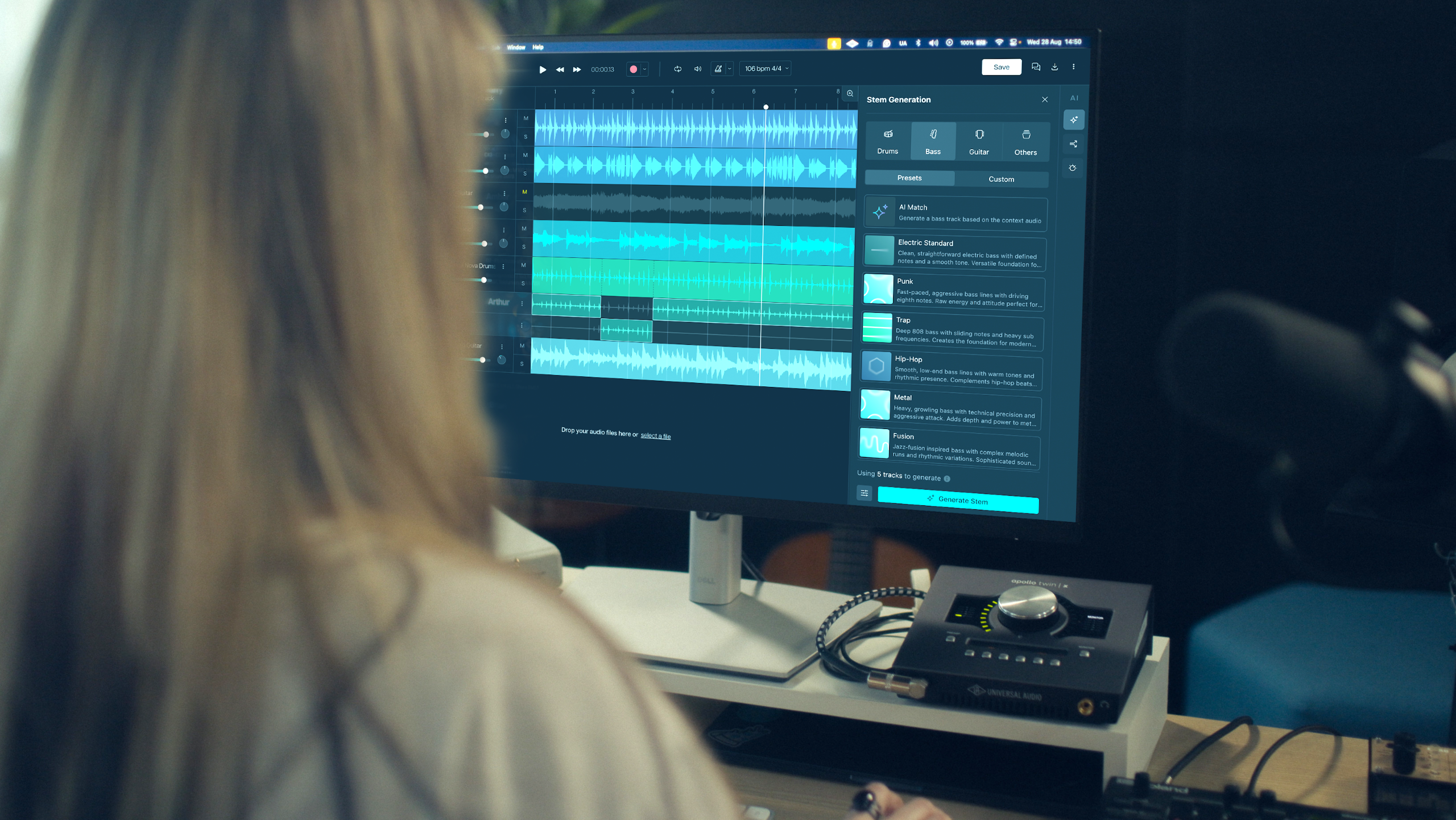
A crucial nuance often lost in the debate over AI is the distinction between tools that automate the creative process and those that replace it entirely. Moises AI, a platform specializing in stem separation and audio editing, occupies a middle ground that many industry experts consider the most sustainable path forward.
"The goal is always to be a tool for musicians and never to go for the whole creation of a song," says Geraldo Ramos, CEO and co-founder of Moises AI. By focusing on utility—such as isolating drum tracks, assisting in practice, or helping producers break through creative blocks—Moises integrates into existing workflows rather than bypassing the artist. Ramos suggests that the industry should distinguish between "additive" AI, which empowers creators, and "substitutive" AI, which aims to automate the entire song-writing process.
The Future of AI in the Music Ecosystem
The path forward for AI in music will likely be shaped by a combination of market pressure, litigation, and emerging legislation, such as the proposed U.S. TRAIN Act, which would provide rights holders with the ability to audit training data through subpoenas.
Despite the current friction, the technological potential for AI to assist in music education, live performance, and accessibility is immense. The challenge lies in ensuring that these benefits do not come at the cost of the creative labor that provides the foundation for the entire industry.
As Ron Gubitz, Executive Director of the Music Artists Coalition, observes, the current shift is largely a result of the high cost of legal conflict. For developers, the incentive to pivot is no longer just moral—it is an economic necessity to avoid the "haymaker" of endless litigation.
Ultimately, the music industry is entering a new chapter. The initial era of unchecked disruption has been met with a forceful pushback from artists, labels, and consumers. While the language of ethics is now common, the coming years will determine whether this represents a genuine structural transformation or merely a tactical retreat. For the technology to reach its full potential, the industry must move beyond the rhetoric of "empowerment" and establish transparent, enforceable standards that respect the value of human creation. Only then can AI evolve from a point of contention into a genuine partner in the musical arts.