The Nine Thousand Dollar Sundragon Dragonette Marks A New Milestone In Jimmy Page’s Sonic Legacy

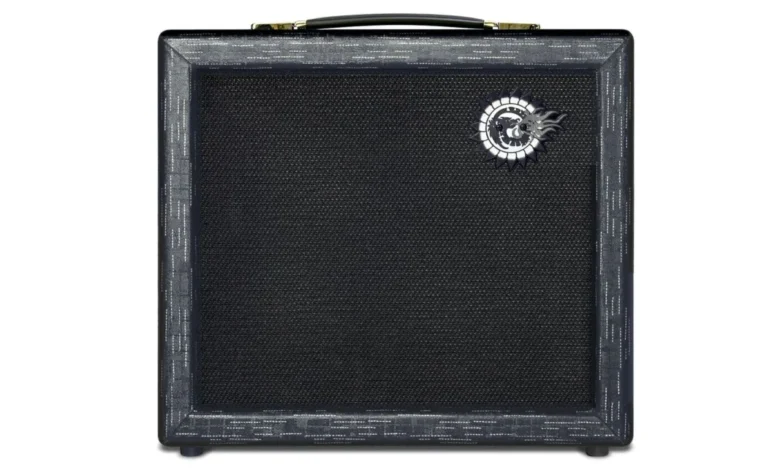
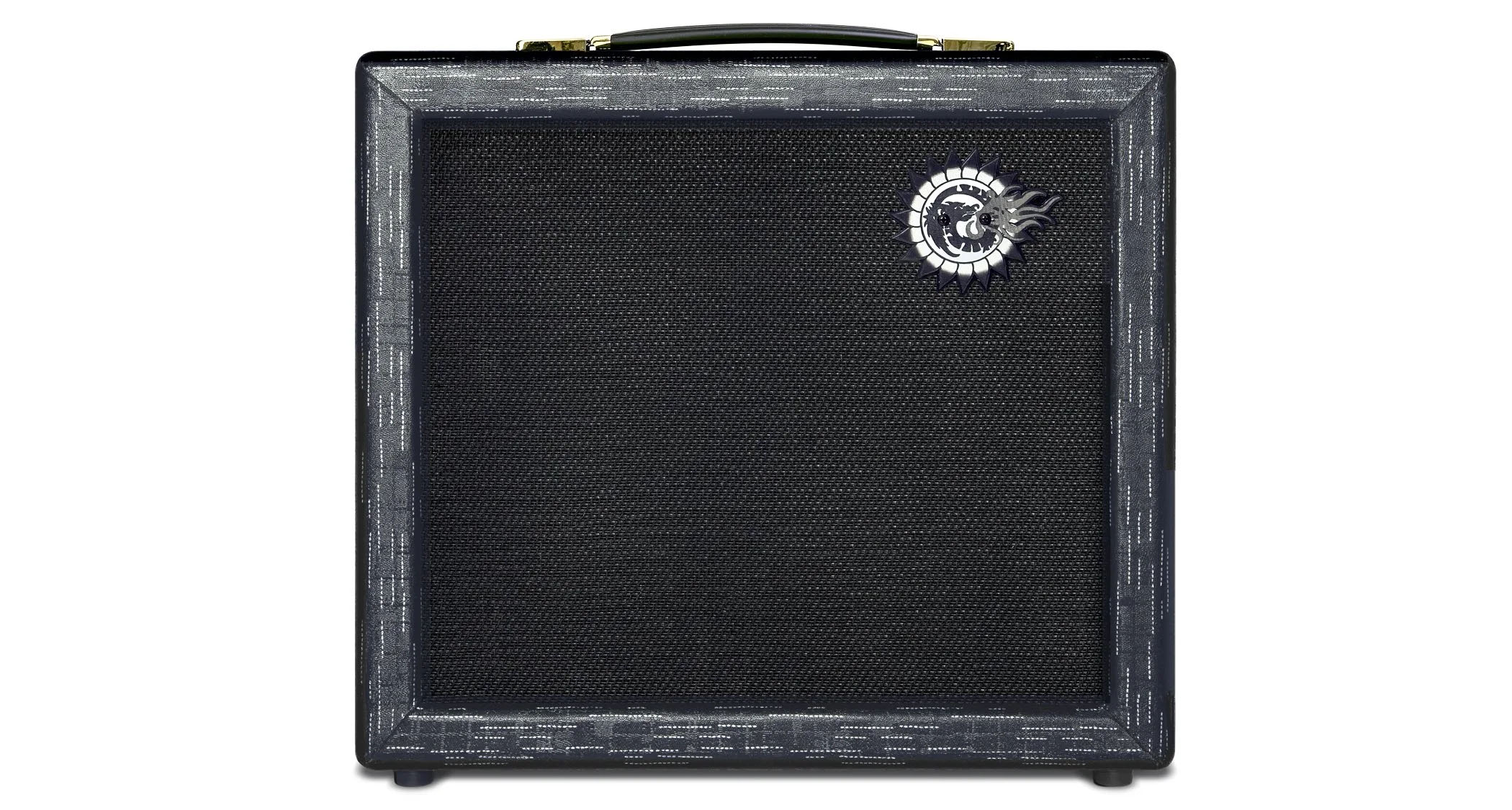
In the realm of boutique guitar amplification, few names command the reverence of Jimmy Page, the architect behind the iconic, genre-defining sound of Led Zeppelin. The recent unveiling of the Sundragon Dragonette—a six-watt, hand-wired tube amplifier—represents the latest chapter in a multi-year collaborative effort between the legendary guitarist and the Sundragon team. With a retail price of $9,000 and a strictly limited production run of 50 units, the Dragonette serves as both a functional piece of musical equipment and a high-fidelity artifact for collectors.
The Origins of the Sundragon Philosophy
The collaboration between Jimmy Page, producer Perry Margouleff, and Mitch Colby, formerly of Park Amps, began with a forensic interest in the equipment that defined the late 1960s British rock explosion. Page’s quest to replicate his original studio tone has led to a systematic deconstruction and reconstruction of his most cherished gear.
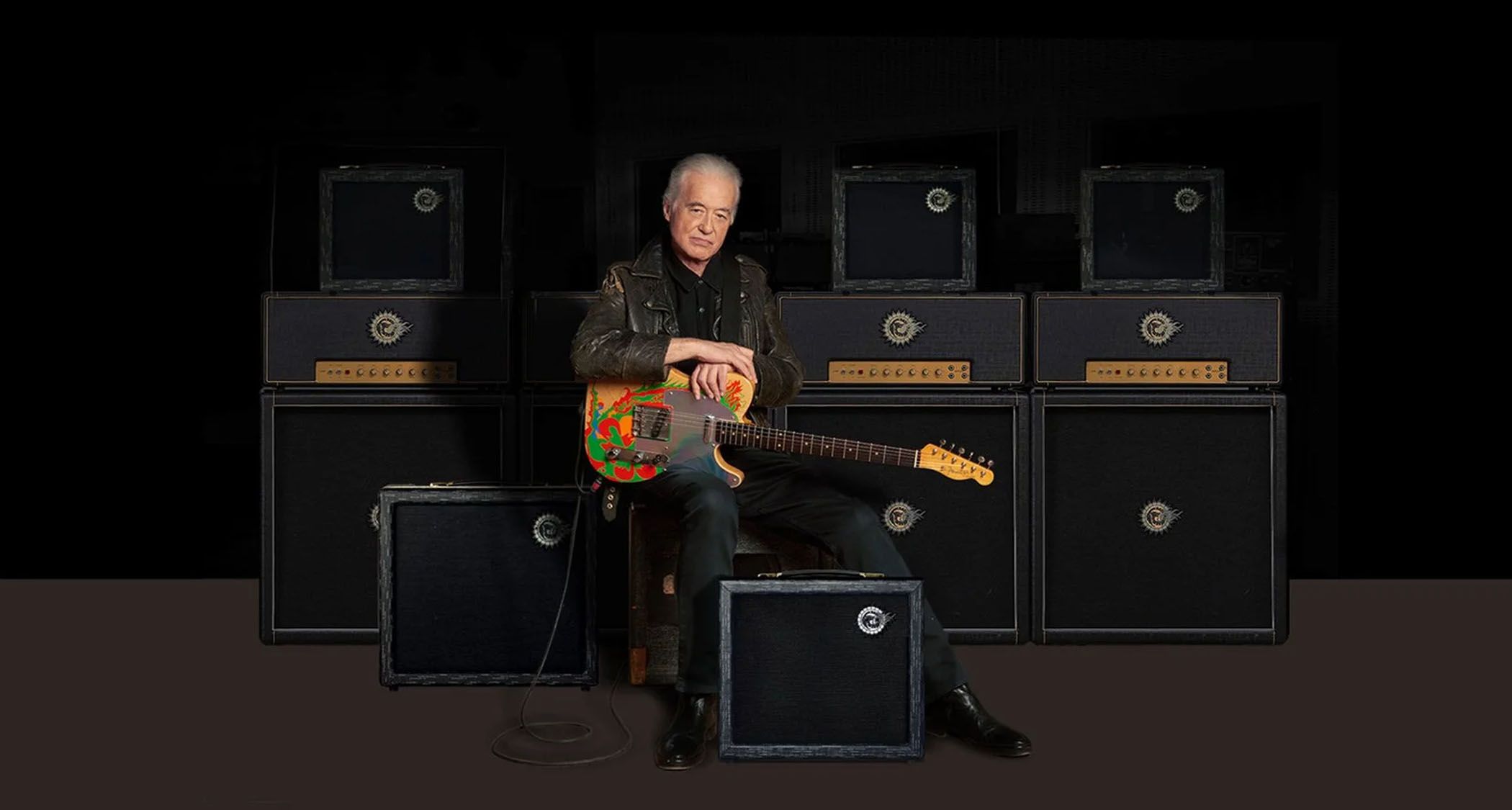
The story of Sundragon began in January 2019, coinciding with the 50th anniversary of the debut album Led Zeppelin I. The original Sundragon amplifier was a direct homage to the modded Supro Coronado Page utilized to track the band’s inaugural record. That initial project proved that there was a significant market for "forensic" replicas—amps built not just to sound similar, but to mirror the exact electrical architecture and component specifications of the originals.
A Chronology of Collaboration
The evolution of the Sundragon brand has followed a logical, albeit slow-burning, trajectory:
- January 2019: The first limited run of 50 Sundragon amps is released, honoring the 50th anniversary of Led Zeppelin I.
- Summer 2019: Following the success of the initial limited release, a "Standard Edition" is introduced to satisfy broader demand.
- 2020-2021: High-profile industry figures, including Metallica’s Kirk Hammett, publicly endorse the authenticity of the tone, noting that the amps allow for a near-perfect recreation of classic studio textures, such as the grit found on Physical Graffiti.
- Post-2021: Sundragon expands its scope with the "Super Dragon," a meticulous recreation of the 1968 Marshall Super Bass that Page modified with the assistance of technician Tony Frank. This amp became his primary stage and studio workhorse from Led Zeppelin II onward.
- Late 2024: The Dragonette is introduced as a hybrid offering, designed to bridge the gap between the low-wattage "Nymph" combo and the power of the original Sundragon.
Technical Specifications and Engineering Nuance
The Dragonette distinguishes itself through its unique circuit design. While the "Nymph" served as an entry point for home-studio enthusiasts, the Dragonette incorporates a more sophisticated preamp stage while retaining a lower-wattage power amp section. The unit is hand-wired in New York, utilizing New Old Stock (NOS) parts and vacuum tubes.
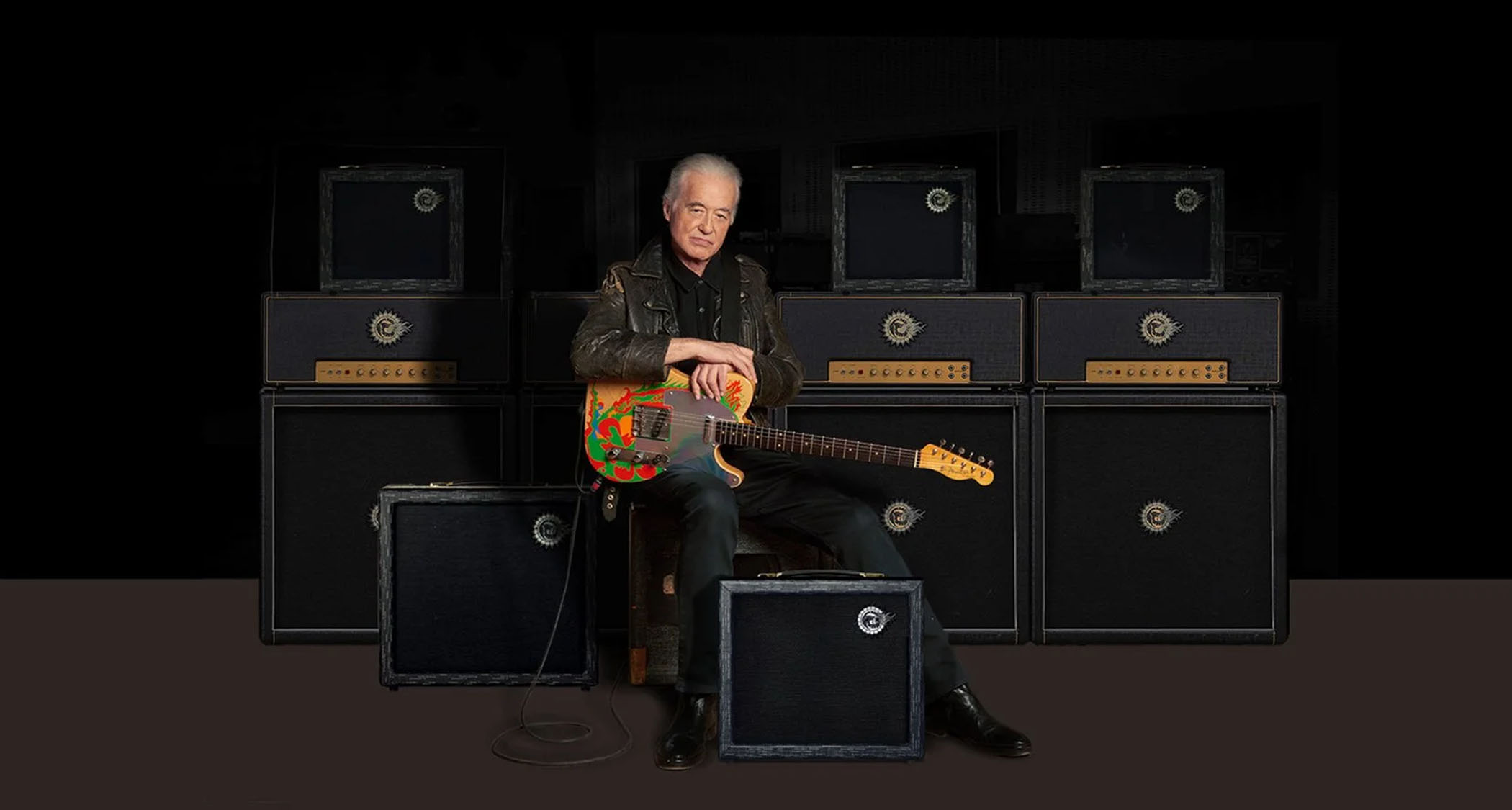
For the average consumer, a $9,000 price tag for a six-watt amplifier presents an immediate point of contention. However, the value proposition for the collector lies in the provenance of the design. The unit is signed by Jimmy Page himself, and the components are sourced specifically to mimic the aging and performance characteristics of late-sixties electrical parts. In professional audio circles, the use of NOS components is often cited as the difference between a modern approximation and a "true-to-source" replication, as modern mass-produced capacitors and resistors often lack the harmonic distortion profiles of their mid-century counterparts.
Reactions and Market Impact
The market response to the Dragonette has been immediate, confirming that the "Page sound" remains one of the most bankable commodities in music gear history. At the time of the product’s public availability, the rapid depletion of the 50-unit inventory—with only eight units remaining shortly after launch—highlights the resilience of the luxury guitar market.
Industry analysts note that this trend of "heritage re-issue" reflects a broader shift in the musical instrument industry. As vintage equipment becomes increasingly rare and prohibitively expensive, manufacturers are finding success by partnering with artists to produce "museum-grade" replicas. For Jimmy Page, this is a method of curation. By working with experts like Mitch Colby, Page ensures that his signature sound is not lost to time or the natural degradation of vintage circuits.
Implications for the Boutique Amplifier Industry
The release of the Dragonette signals a shift in how legacy artists interact with the gear industry. Rather than merely licensing their name for mass-produced products, artists like Page are engaging in deep-level R&D, treating the amplifier as a scientific project.
The broader implications for the industry are twofold:
- Standardization of "Forensic" Builds: The success of the Sundragon project has pushed other boutique builders to adopt similar standards, focusing on archival research and component-matching.
- The Rise of High-End Collectibles: The pricing of the Dragonette suggests that the guitar gear market is increasingly mirroring the fine art or high-end watch industries. The focus is no longer solely on the utility of the amplifier for a working musician, but on the preservation of a sonic legacy.
The Role of Dynamic Range
In his public statements regarding the development of these units, Page has emphasized the importance of dynamic range. Referring to his work with Tony Frank on his ’68 Marshall Super Bass, Page noted that the modifications were specifically aimed at increasing the amp’s response to the player’s touch. The Dragonette is designed to carry this philosophy into a smaller, more domestic-friendly package. By maintaining a responsive, touch-sensitive circuit, the amp allows the player to move from clean to distorted tones purely through picking intensity, a hallmark of Page’s legendary technique.

Future Prospects for Sundragon
As the company moves forward, the question remains whether these limited runs will continue to escalate in price or if the brand will eventually look to create more accessible, mass-produced versions of their technology. For now, the strategy appears to be one of exclusivity. By keeping the runs limited to 50 units, Sundragon maintains the "holy grail" status of the amplifiers, ensuring that they remain desirable to both professional session musicians and serious collectors.
The Dragonette is not merely a tool for playing Led Zeppelin riffs; it is a testament to the rigorous, often obsessive standards of a guitarist who spent decades in the studio refining the limits of what a tube amp could do. For those fortunate enough to acquire one of the remaining units, the experience is described as a "firebreather"—a small-wattage beast capable of delivering the same tonal textures that defined the sound of rock and roll in the 1970s.
Conclusion
The Sundragon Dragonette stands as a marker of the enduring influence of Jimmy Page on the world of music production. Through a commitment to technical accuracy and a refusal to compromise on components, the team behind the project has managed to capture a specific, elusive frequency of rock history. While the $9,000 price point ensures that the Dragonette remains a luxury item, its existence serves as a vital record of the engineering required to sustain the sounds that shaped a generation of listeners. As the final units find their way into the hands of collectors, the legacy of the Sundragon project remains secure, bridging the gap between the legendary sessions of the past and the modern pursuit of sonic perfection.