Gibson unveils year-specific PAF humbucker replicas to bring vintage precision to modern guitars

The Gibson Pickup Shop has officially launched a new line of historic-reissue humbucking pickups, marking a significant milestone in the company’s ongoing mission to replicate the exact sonic signatures of the late 1950s. By utilizing advanced 3D scanning technology and original, period-correct manufacturing equipment, Gibson has produced four distinct sets of pickups—representing the years 1957, 1958, 1959, and 1960—designed to capture the nuanced evolution of the "Patent Applied For" (PAF) humbucker. This release represents one of the most comprehensive efforts by the brand to date to provide guitarists with the specific harmonic characteristics that defined the golden era of electric guitar production.
A Chronology of the PAF Design
The "Patent Applied For" humbucker is widely considered the "holy grail" of guitar electronics. Originally designed by Seth Lover in 1955, the pickup was officially introduced to the Gibson catalog in 1956, first appearing on pedal steel guitars before becoming the standard for the Les Paul and ES series models in 1957. The design’s primary innovation was the use of two coils to cancel out the 60-cycle hum inherent in single-coil pickups, while simultaneously producing a warmer, thicker, and more powerful output.
Between 1957 and 1960, the manufacturing process for these pickups was not static; it was a period of constant experimentation. As production demands increased, Gibson experimented with various materials, including different wire-turn counts, various grades of Alnico magnets, and subtle shifts in the alloys used for pole pieces and slugs. These small variations, often the result of supply chain fluctuations or engineering adjustments, created the "unique voices" that players have spent decades chasing. By focusing on these specific annual iterations, the new Gibson collection seeks to demystify the inconsistencies of the original components by recreating them with modern forensic accuracy.
Engineering the Past: Technology and Materials
To achieve the level of authenticity required for this project, the Gibson Pickup Shop employed a rigorous engineering process. The team began by performing high-resolution 3D scans of original, documented PAF pickups from the late fifties. This allowed them to map the exact dimensions of the butyrate bobbins, which were prone to shrinking and warping over time, as well as the precise spacing of the steel slugs and keeper bars.
The production process further mirrors the original manufacturing environment. Gibson has utilized vintage coil-winding machines—the very tools used during the original 1957–1960 production run—to ensure the tension and scatter of the 42 AWG plain enamel wire remain consistent with the originals. Each set in the series is intentionally left "unpotted," meaning the internal coils are not encased in wax. This deliberate choice allows for a greater degree of microphonics and clarity, preserving the dynamic, touch-sensitive response that vintage enthusiasts demand.
The specific magnetic profiles define the character of each year in the series:
- 1957: Often cited as the most "aggressive" of the bunch, this set utilizes long, rough-cast Alnico V magnets. The result is a tighter low end and a more focused midrange, which some experts argue provides a slightly more modern, punchy output.
- 1958: This iteration shifts toward a warmer, more balanced tonal profile, largely due to the implementation of Alnico IV magnets. It is frequently lauded for its versatility, making it a favorite for players who lean toward blues and jazz applications.
- 1959 and 1960: These sets represent the refinement of the PAF era, characterized by a complex harmonic overtone structure that has become the benchmark for "classic" rock tones.
Official Perspectives and Technical Specifications
Jared Brandon, the pickup product manager at Gibson, emphasized that the goal of this collection is to move beyond mere aesthetics. "The original PAF humbuckers have inspired generations of players because they do more than reproduce sound. They respond to the player," Brandon stated. He noted that by isolating the technical variables of each specific year, Gibson is providing a "menu" of historical tones, allowing guitarists to match their pickup choice to their preferred playing style and instrument resonance.
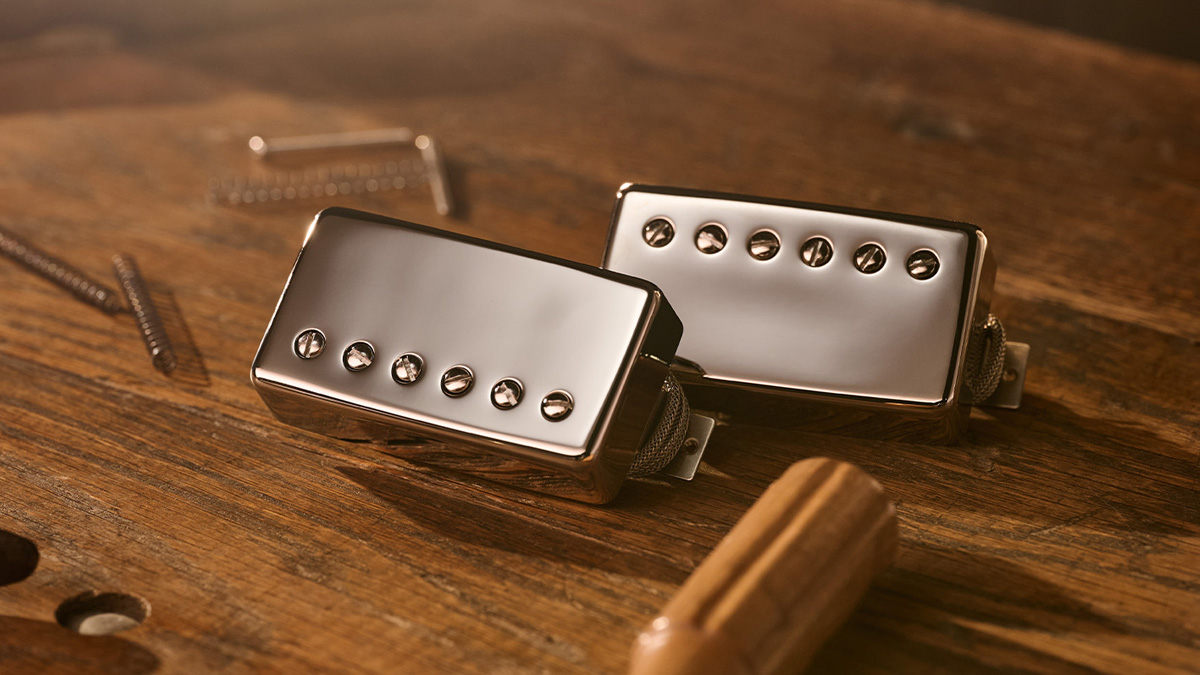
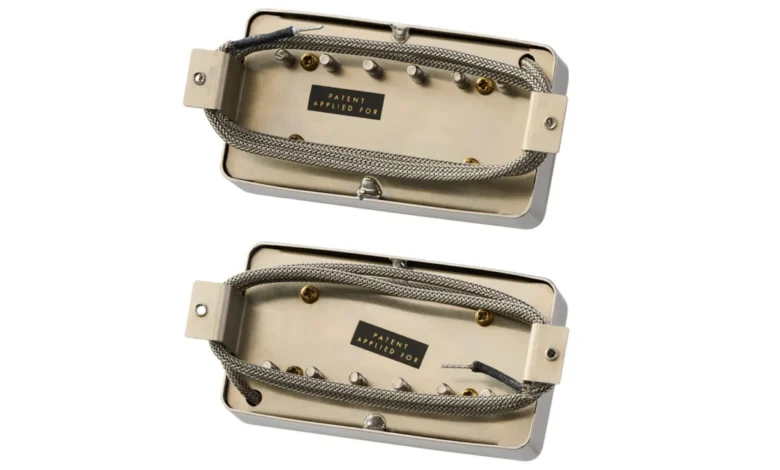
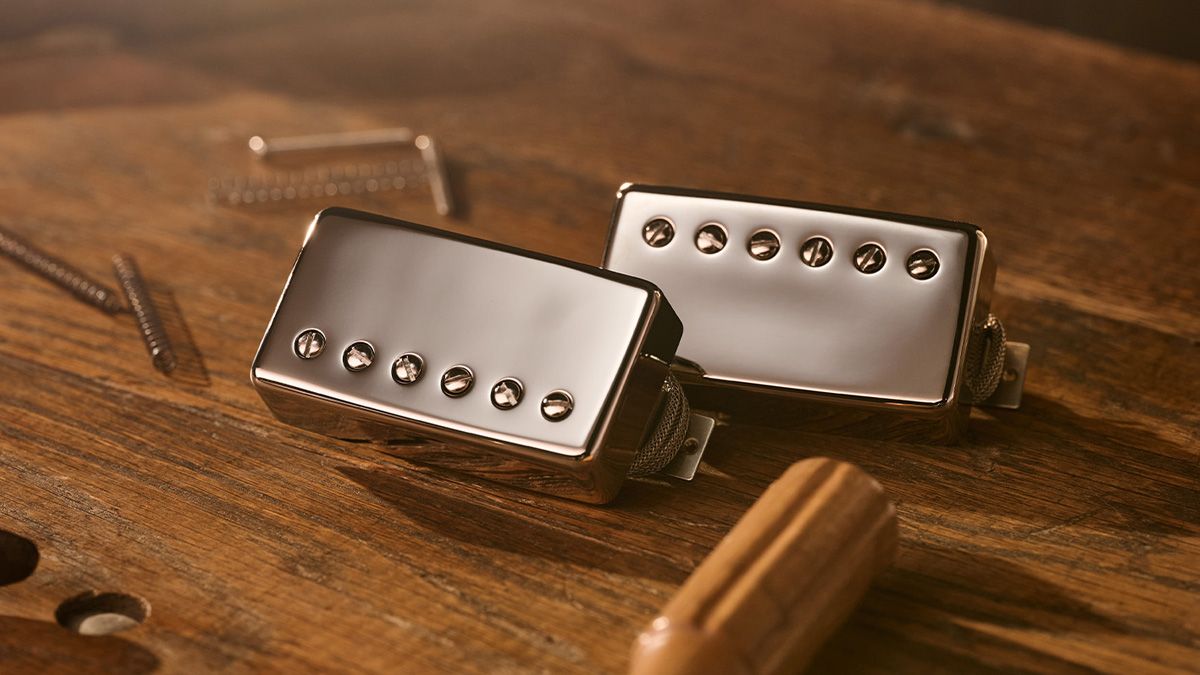
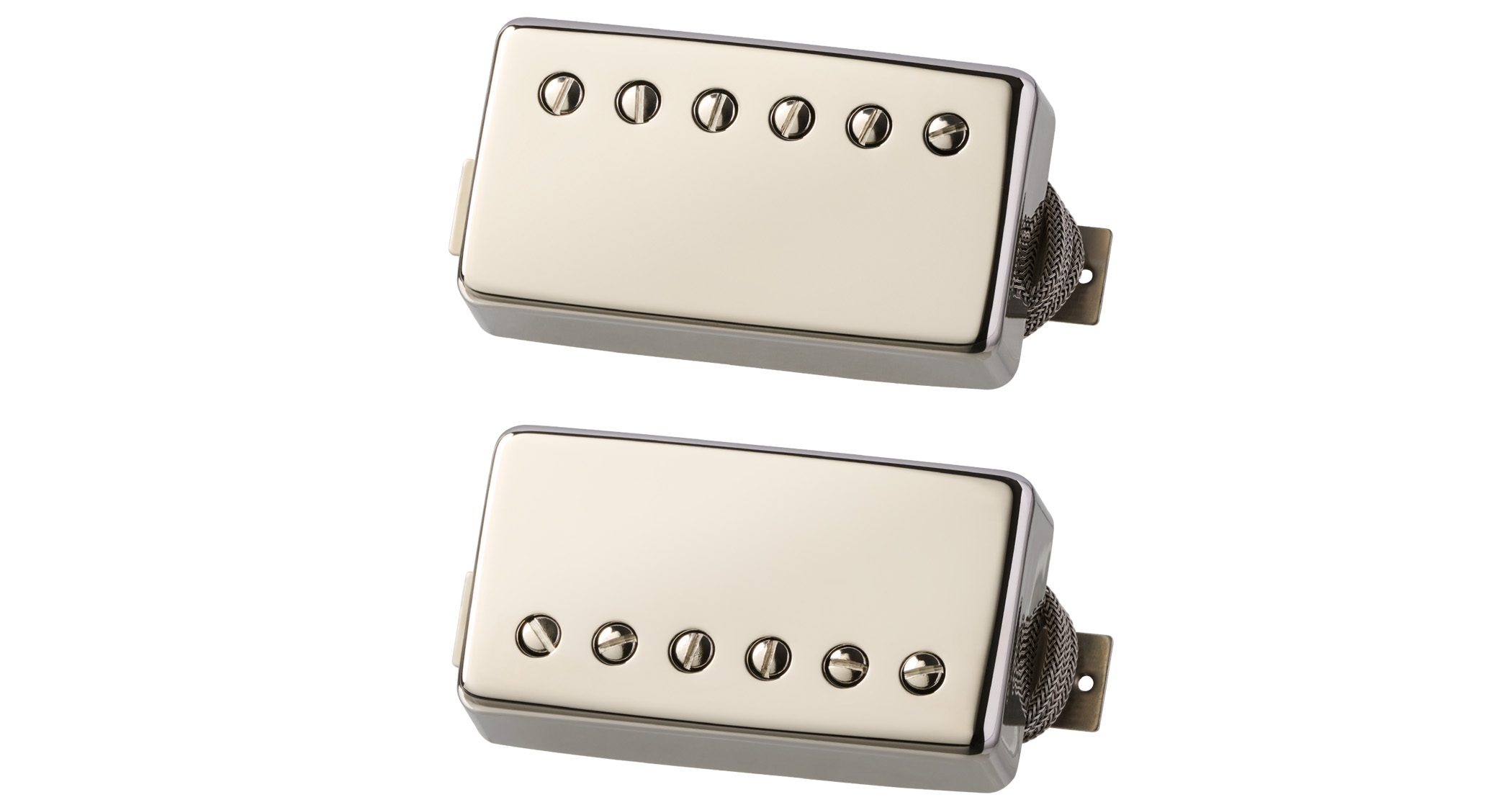
From a technical standpoint, the attention to detail extends to the visual and mechanical components. Each pickup features "True Historic" nickel covers, which are designed to age naturally, alongside the iconic "Patent Applied For" decals on the baseplates. The use of maple spacers, steel slugs, and two-conductor wiring ensures that the signal path remains as close to the 1950s architecture as possible. The double-white bobbins on the 1959 set and the double-black bobbins on the 1957 set serve as a nod to the cosmetic variations often found in original vintage instruments.
Market Context and Implications
The release of these pickups arrives at a time when the vintage guitar market is experiencing unprecedented valuation. Authentic 1957–1960 PAF pickups can fetch thousands of dollars on the secondary market, with the rarity of matching sets driving prices even higher. By offering these as an "aftermarket" solution, Gibson is positioning its Pickup Shop as a primary provider for players who own high-end instruments but lack the original, period-correct electronics, or for those who wish to achieve the "vintage sound" in a modern build.
While the retail price of approximately £699/$799 per set is significant, industry analysts note that this is a fraction of the cost of acquiring legitimate 60-year-old components. This strategy allows Gibson to capture a segment of the "pro-sumer" market that values historical accuracy but requires the reliability and warranty of a new, factory-made product. It also addresses the demand for high-end modifications, such as the common practice of installing PAF-style pickups into the bridge position of Stratocaster-style guitars—a modification popularized by guitar icons like Eddie Van Halen.
Broader Impact on the Industry
The decision to market these as a collection rather than a limited run signifies a shift in how Gibson views its intellectual property. Previously, the company had released "collector’s edition" pickups in limited quantities, often including period-accurate cases and mounting hardware. By moving these year-specific replicas into a broader, more accessible catalog, Gibson is essentially standardizing the "vintage experience."
This move also puts pressure on third-party "boutique" pickup winders who have built their reputations on cloning PAF designs. By utilizing the original brand assets—including the original factory tooling and the specific documentation Gibson has kept in its archives—the company is asserting its position as the ultimate authority on its own history.
As the project moves forward, the success of these sets will likely hinge on the subjective satisfaction of the players. The "PAF sound" is a target that has moved many times over the decades; however, by providing four distinct, year-specific options, Gibson has effectively acknowledged that there was never one "perfect" PAF, but rather a series of evolutions. Whether these pickups will satisfy the most discerning collectors remains to be seen, but they undoubtedly represent the most rigorous attempt at mass-producing the "golden era" tone in the history of the company.
For the modern guitarist, this series offers a rare opportunity to bypass the uncertainty of the vintage market and access the specific, documented engineering of the 1950s. Whether retrofitting a modern Les Paul or building a custom instrument from the ground up, the 1957–1960 PAF Reissue collection stands as a bridge between the legendary past of the electric guitar and the high-fidelity expectations of the contemporary era.