Brian Fallon Channels Eighties Nostalgia and Heartland Rock on His New Solo Album Not Bad For New Jersey

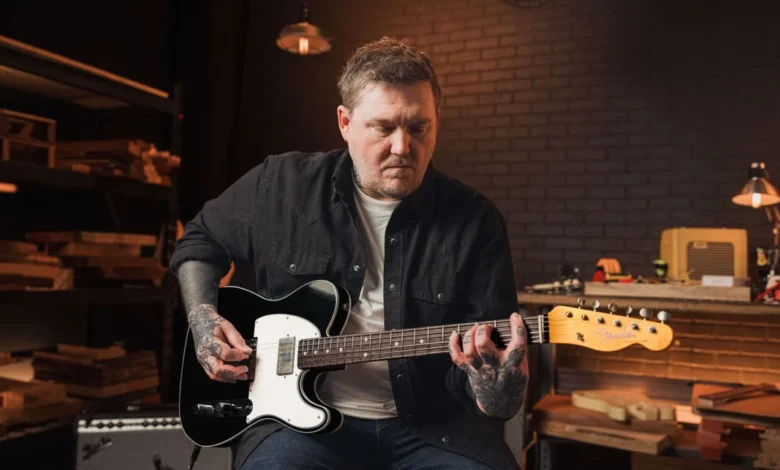
Brian Fallon has returned to the forefront of the music industry with his latest solo endeavor, Not Bad For New Jersey, an album that marks his first independent project in over five years. As the frontman of the Gaslight Anthem, Fallon has spent nearly two decades defining the modern blue-collar rock sound, but this new collection of songs serves as a deliberate departure from the band’s established trajectory. Instead, it acts as a curated exploration of the musical influences that shaped his formative years, blending the melodic sensibilities of 1980s pop-rock with the raw urgency of punk and the storytelling traditions of American country-folk.
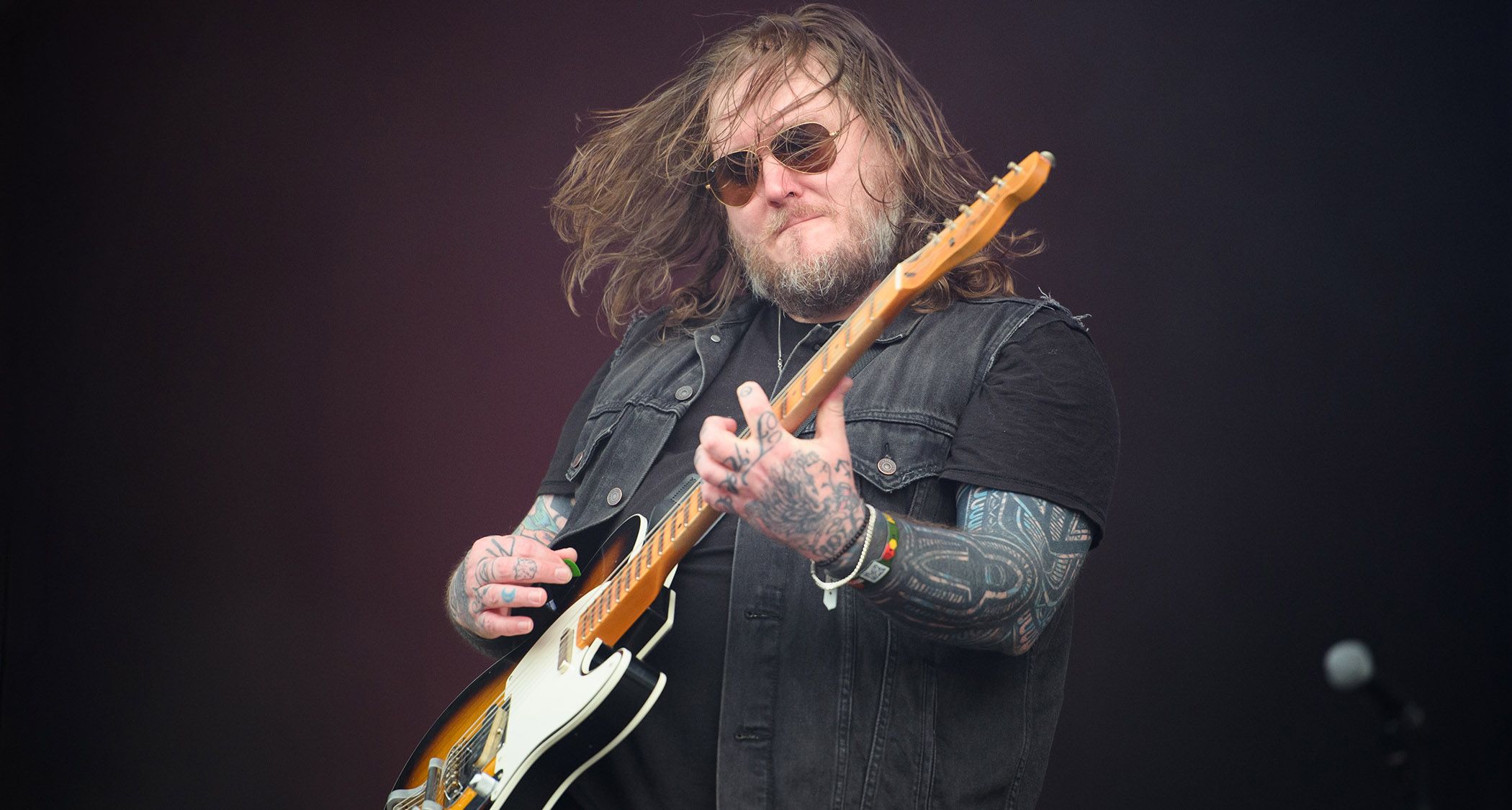
The creation of the album was a methodical process. Before penning a single lyric, Fallon engaged in a period of intense auditory research, constructing a comprehensive playlist that served as a sonic roadmap for the record. This selection featured a wide range of artists, from the arena-rock titans Def Leppard and Bryan Adams to the moody, atmospheric post-punk sounds of The Cure, Siouxsie and the Banshees, and The Smiths. Fallon’s interest extended to the intricate guitar work of Andy Summers of The Police and the emotive, narrative-driven songwriting of Dire Straits, specifically highlighting the tracks So Far Away and Romeo And Juliet as benchmarks for the emotional depth he hoped to achieve.
A Sonic Tapestry of the Eighties
The cultural footprint of the 1980s is pervasive throughout the record. Fallon openly admits that the project was heavily influenced by the cinematic landscape of the era, citing films like St. Elmo’s Fire and The Breakfast Club as essential components in building the album’s aesthetic. By leaning into these influences, Fallon has managed to create a sound that feels both nostalgic and vital, capturing the "heart-on-your-sleeve" sincerity that defined the pop-rock balladry of that period.
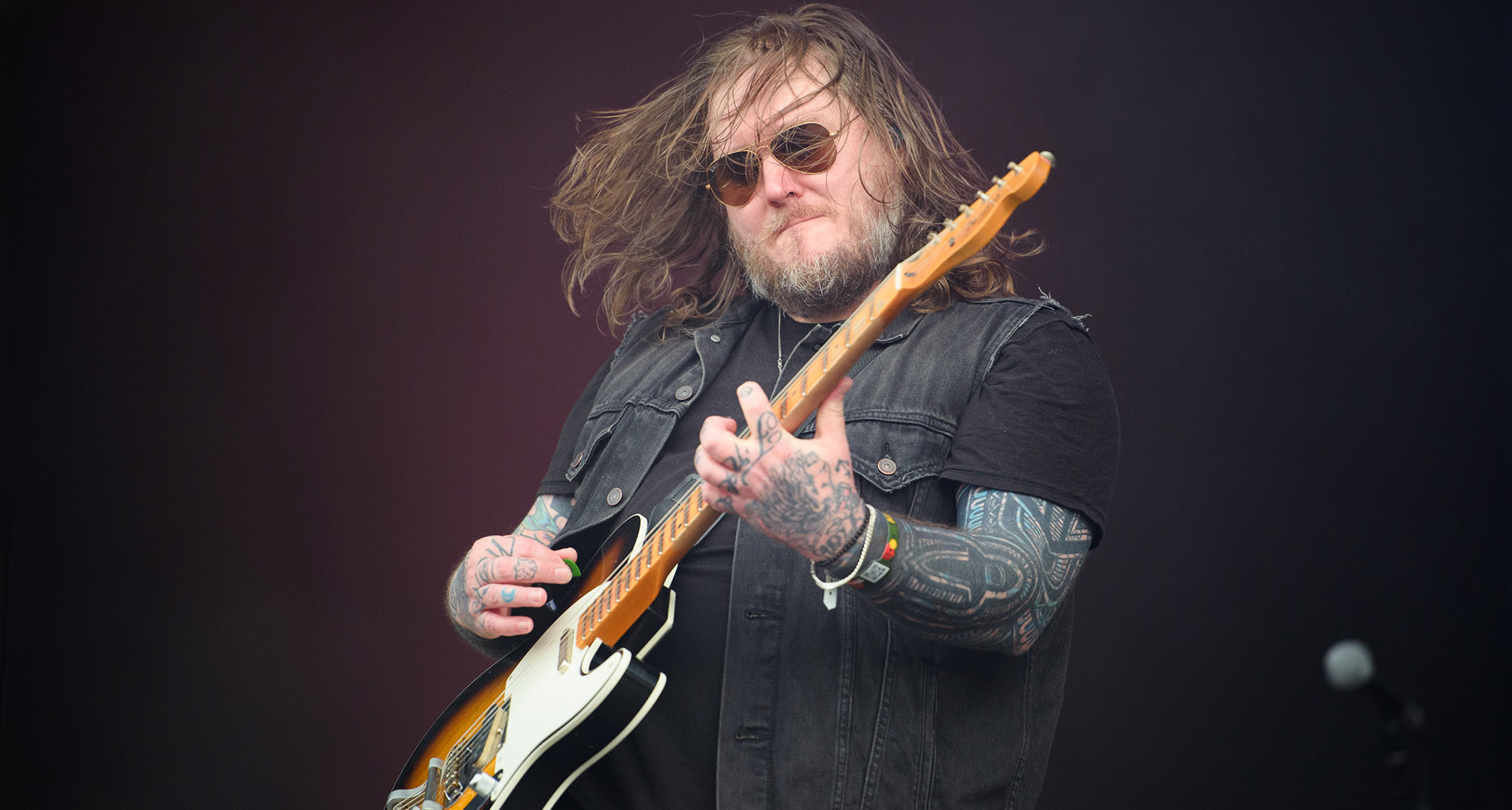
The production, helmed by Butch Walker, aims to super-size the emotional stakes of each track. The title track, which opens the album, is characterized by a heavy, driving snare drum and expansive, open chords—a stark contrast to the more stripped-back production often found in modern indie rock. This stylistic choice underscores a broader philosophy: for this project, Fallon decided to abandon subtlety in favor of an unapologetic, high-energy sound. The choice of pink as the primary color for the album artwork and his decision to wear a leather jacket in the promotional materials are symbolic gestures, representing his commitment to the "all-in" ethos of the classic rock icons he idolizes.
The Role of the Painkillers and Technical Precision
Central to the album’s success is Fallon’s backing band, the Painkillers, which features guitarist Nathaniel Murphy. Murphy, a familiar face to many in the guitar community due to his work with the Chicago Music Exchange, brings a level of technical prowess that has allowed the project to bridge the gap between studio production and live performance. Fallon has been quick to praise Murphy’s ability to replicate complex guitar parts, including a challenging guest solo from Def Leppard’s Phil Collen on the track Somewhere You Shouldn’t Be.
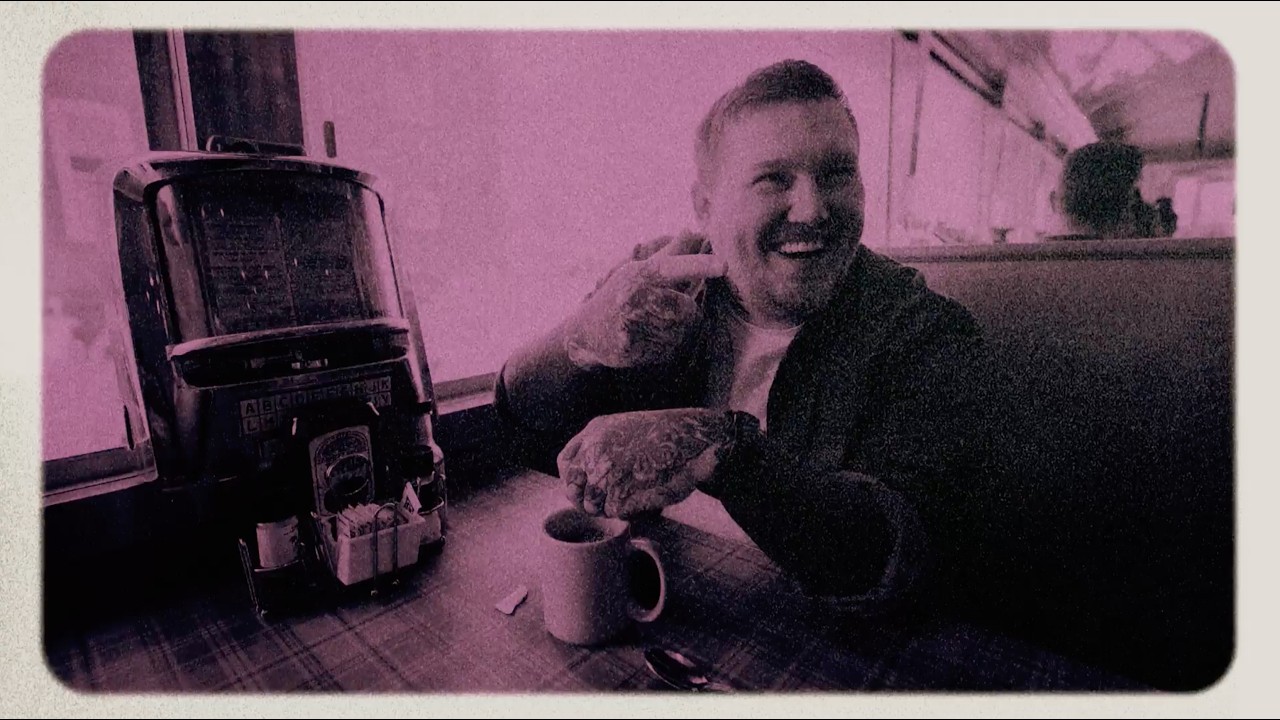
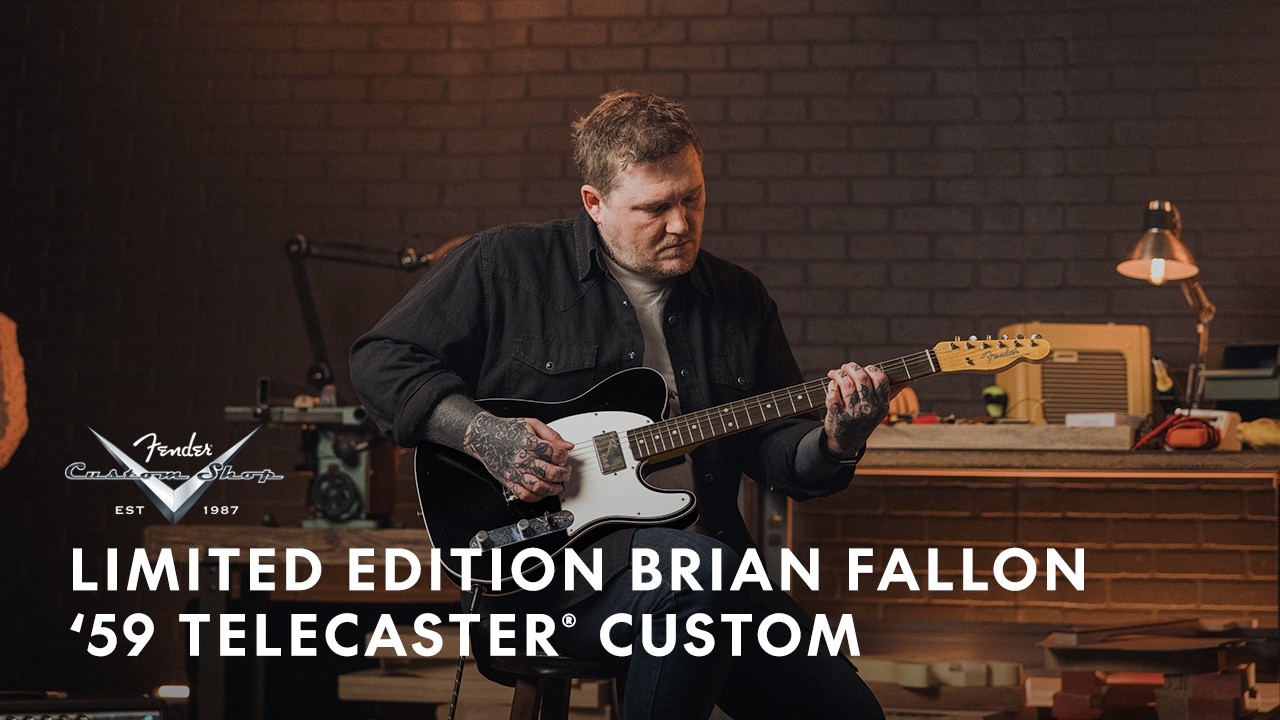
The technical foundation of the album also reflects Fallon’s obsession with vintage gear. A self-described "diehard" for classic Marshall tube amplifiers, Fallon’s approach to tone-chasing is rooted in a deep understanding of circuit design. He often modifies his own equipment, utilizing the Marshall Silver Jubilee not for its high-gain capabilities, but for its unique compression characteristics when played at lower gain settings. This creates what he describes as an "empty canvas" for his rhythm section, allowing other textures and pedal effects to layer cleanly on top. Even when opting for Fender equipment, such as a tweed Bassman, Fallon employs creative signal paths—using compression and tape echo—to effectively replicate the JTM45 sound, demonstrating a sophisticated approach to tone construction that blends traditional tube warmth with modern versatility.
Collaborative Dynamism and Creative Freedom
Not Bad For New Jersey is also notable for its collaborative breadth. The album features contributions from songwriting stalwarts such as Lori McKenna and Donovan Woods, who bring a refined lyrical sensibility to the project. However, the most striking collaborations come from figures outside of Fallon’s usual circle, such as the legendary Marc Ribot. The decision to enlist Ribot for the track Wolf By The River was spurred by a desire for a "mangled" guitar tone. At the suggestion of drummer Eric Slick, the production team reached out to Ribot, who delivered a performance that Fallon describes as a perfect blend of anarchy and musical precision, drawing comparisons to the styles of Neil Young and Kurt Cobain.
Perhaps the most significant collaboration is with Brandon Flowers of The Killers on the track Love At The End Of The World. The song is a testament to the pair’s shared love for music and their willingness to disregard standard songwriting conventions. Eschewing the traditional verse-chorus-verse structure, the song follows an unconventional path of verses and bridges, a decision that initially caused Fallon some hesitation but ultimately resulted in one of the album’s most distinctive moments. This experimental approach reflects the wider spirit of the album: a rejection of the rigid genre rules that Fallon encountered during his youth in Hackettstown, New Jersey.
The Outsider Perspective: From New Jersey to the World
Fallon’s personal history as an outsider in the New Jersey music scene remains a central theme of his work. Growing up in a town that lacked a vibrant cultural hub, his access to the "scene" was limited to what he could absorb through television and the liner notes of his record collection. This geographic isolation proved to be a catalyst for his creativity. Rather than becoming bitter about his inability to participate in the metropolitan music scenes of New York City, he focused on building his own artistic world—a practice he identifies as being central to the success of Bruce Springsteen.
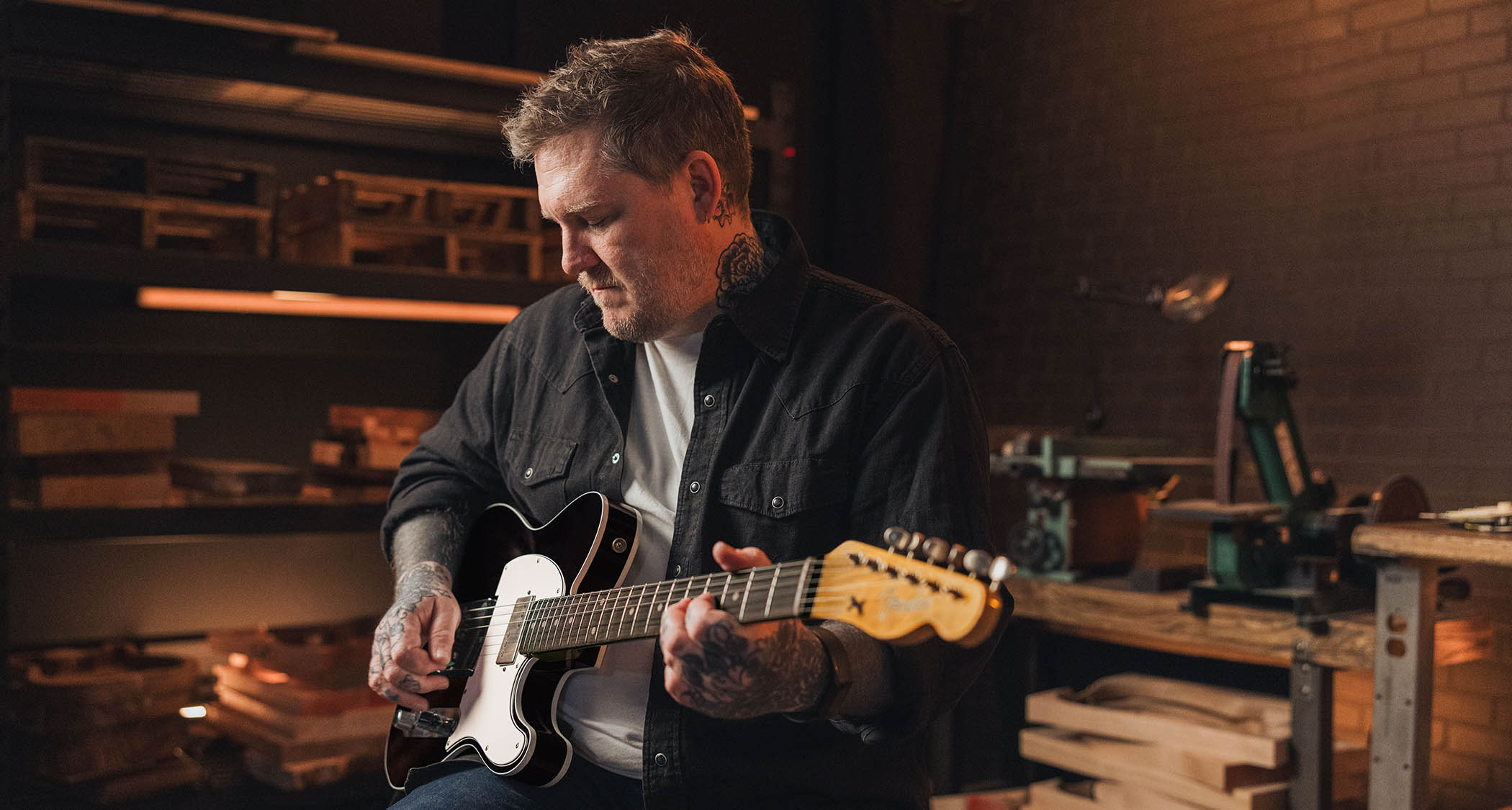
This sense of being on the outside looking in allowed Fallon to develop a unique perspective on the tribalism of the punk movement. He recounts early experiences of trying to conform to the aesthetics of punk, only to find that the community often enforced its own rigid rules. This realization eventually led him to embrace a more eclectic range of influences, finding common ground between the aggressive energy of the Ramones and the technical complexity of The Police or the Replacements.
Implications for the Modern Rock Landscape
The release of Not Bad For New Jersey arrives at a time when the rock genre is increasingly looking backward for inspiration while grappling with the rapid evolution of digital production. Fallon’s success in blending analog-centric, vintage-inspired tone with modern, high-fidelity production techniques offers a blueprint for artists looking to maintain the "soul" of rock music in a digital age.

Furthermore, the album’s performance data and critical reception will likely serve as a litmus test for the enduring appeal of the "heartland rock" aesthetic. By inviting collaborators from diverse backgrounds—ranging from the folk-centric McKenna to the experimental Ribot and the pop-synthesizer-driven Flowers—Fallon has positioned this record as a bridge between various sub-genres of the rock umbrella.
As Fallon moves forward with his solo career, the implications of this project are clear: the artist is no longer confined by the expectations of his band-led past. By successfully synthesizing his influences into a coherent, highly personal statement, he has reinforced his status as a key voice in contemporary American rock. Not Bad For New Jersey is not merely a nostalgia trip; it is a carefully constructed, technically proficient, and emotionally resonant body of work that demonstrates the enduring power of classic rock sensibilities when filtered through a contemporary creative lens. Whether the album’s success will prompt a broader shift in rock production remains to be seen, but for now, Fallon has succeeded in proving that the "heartbeat" of his music—the steady, driving pulse he learned from the masters of the 1980s—is as strong as ever.