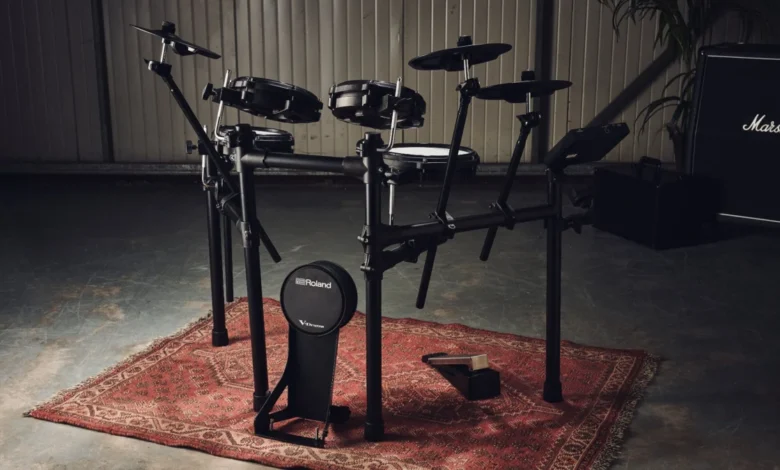
Roland TD-07DMK2 V-Drums Review: A Refined Standard for Compact Electronic Percussion

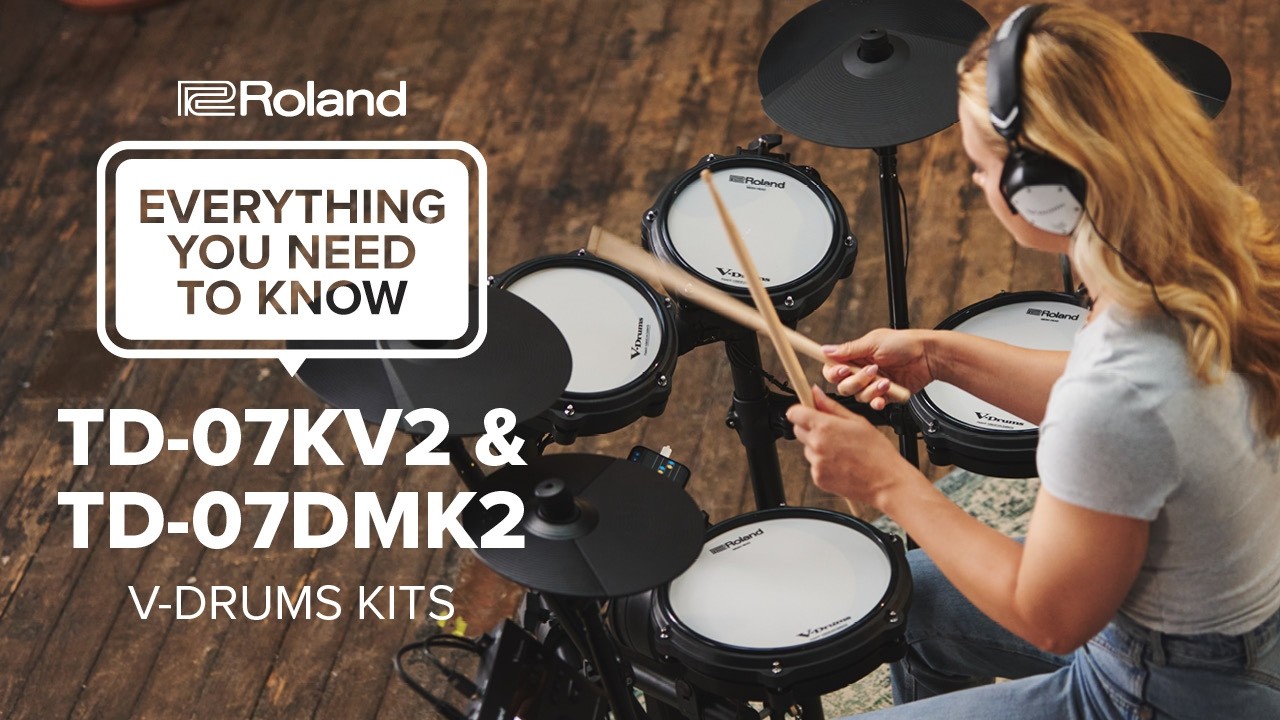
Since the inception of the Roland Corporation in 1972 and the subsequent launch of the iconic TR-33, TR-55, and TR-77 rhythm machines, the Japanese manufacturer has maintained an unyielding dominance in the sphere of electronic musical instruments. This legacy reached a significant milestone in 1985 with the introduction of the a-DRUM, the company’s first foray into the electronic drum market. Over the ensuing decades, Roland’s V-Drums technology has set the global benchmark for digital percussion, evolving from early trigger-to-MIDI systems into sophisticated, expressive instruments that grace both home practice rooms and professional international stages. The newly released TD-07DMK2 represents the latest iteration of this lineage, designed specifically to bridge the gap between high-end professional performance and the accessibility required by entry-level to intermediate drummers.
Evolution of the TD-07 Series
The TD-07 series first entered the market in late 2020, positioning itself as a strategic response to a growing demand for premium electronic hardware at an approachable price point. By leveraging the company’s proprietary mesh-head technology—a feature once reserved exclusively for flagship models—Roland successfully brought high-end tactile response to a wider consumer base.
Following the initial success of the 2020 launch, the current product cycle has seen a significant streamlining of the series. Roland has consolidated the previous five configuration options into two primary models: the TD-07KV2 and the more compact TD-07DMK2. While the core processing power of the TD-07 module remains consistent across both units, the differentiation lies in hardware ergonomics and expansion potential. This strategic simplification aims to reduce consumer confusion while focusing manufacturing efforts on the most sought-after form factors.
Hardware Specifications and Configuration
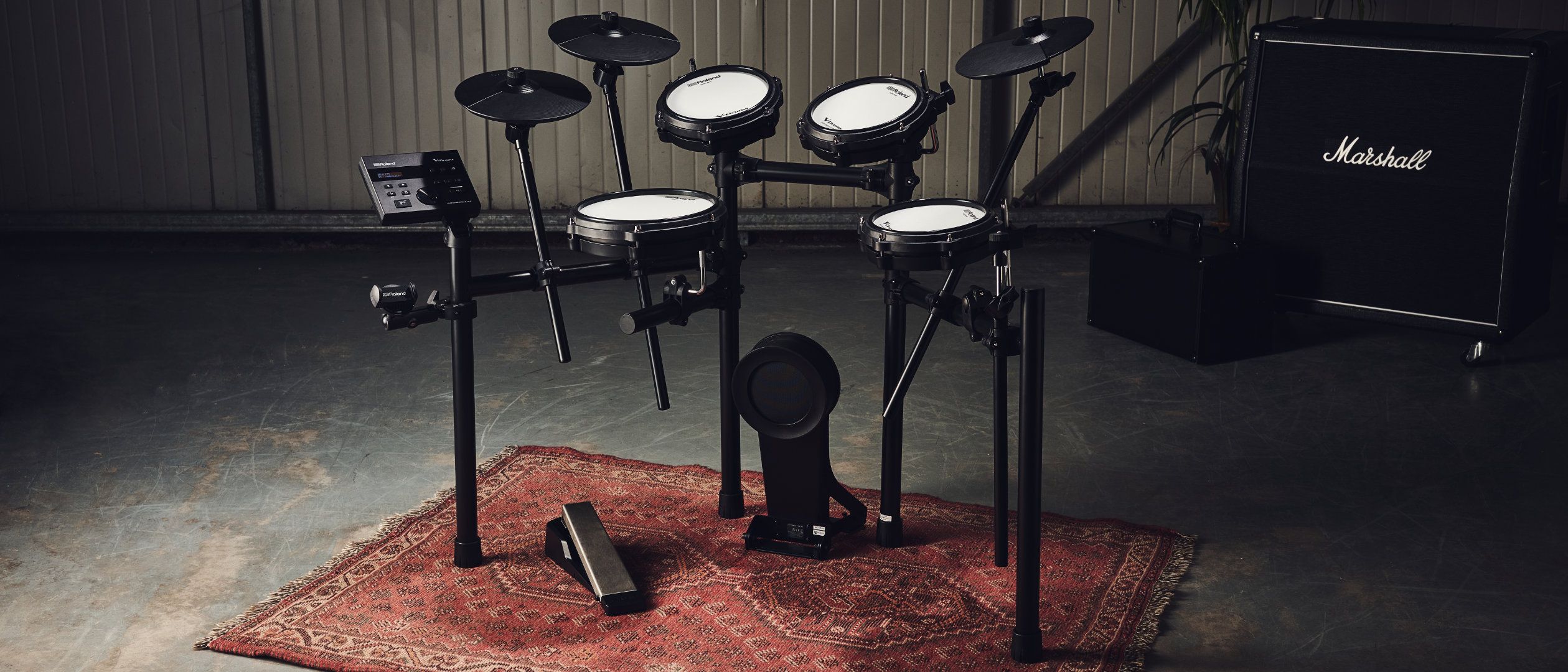
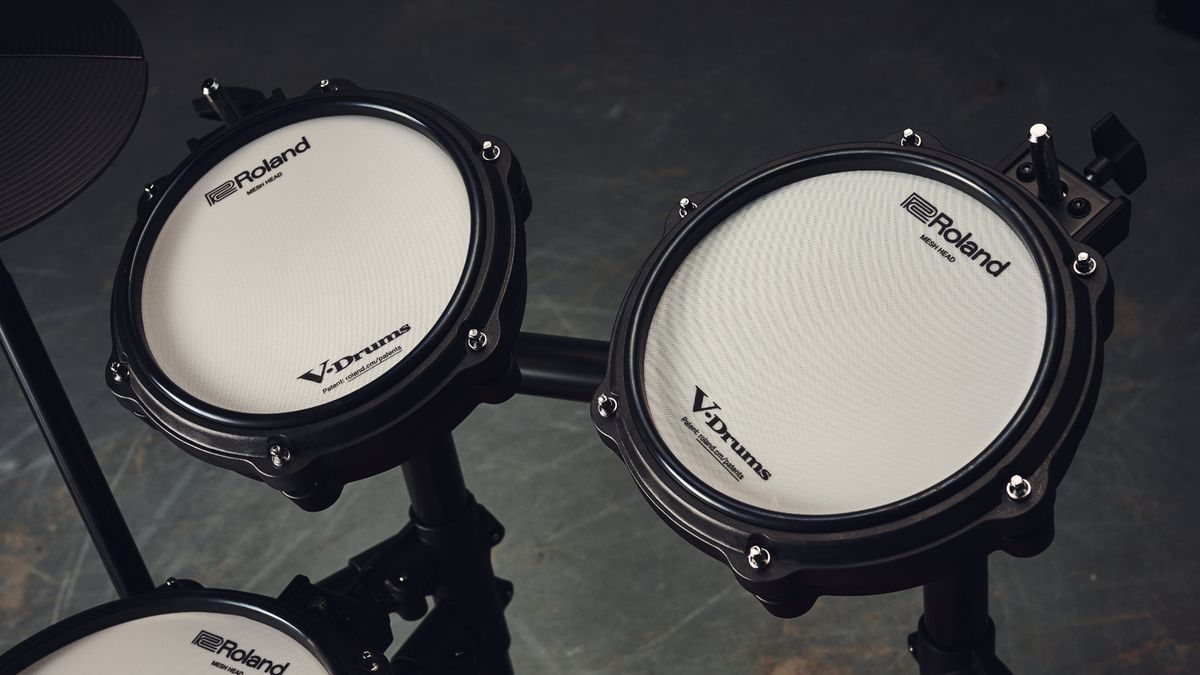
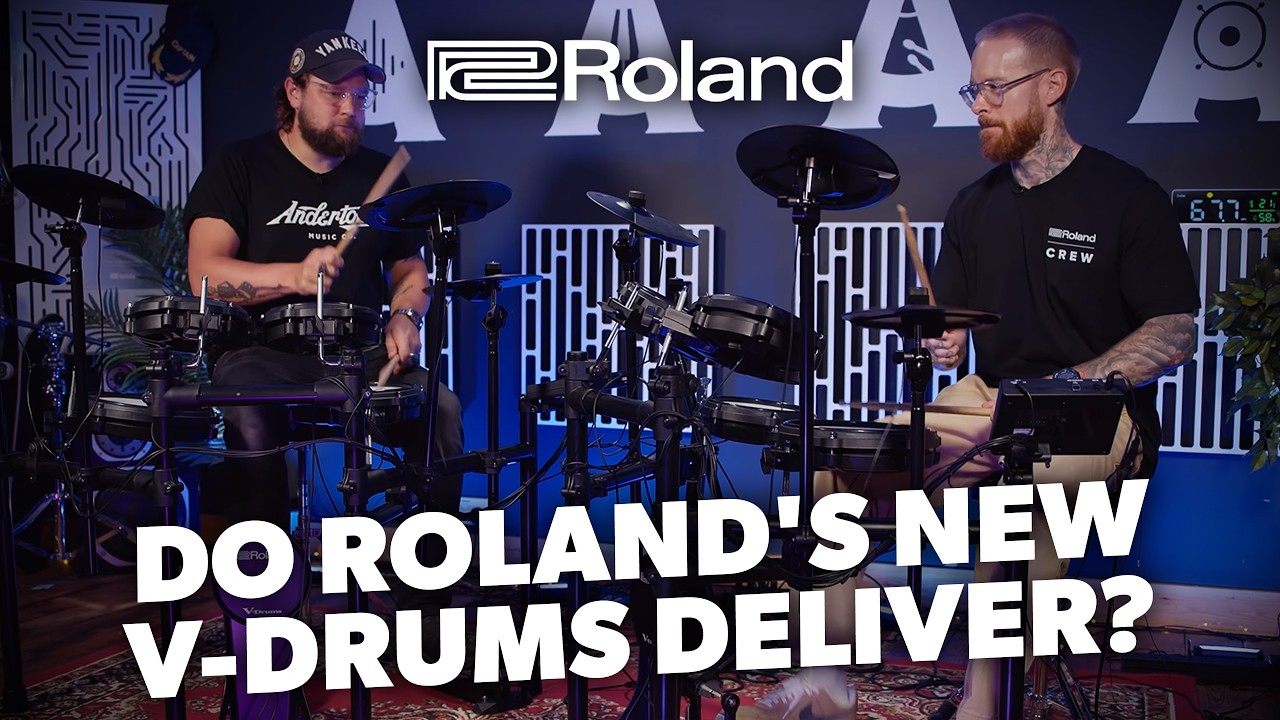
The TD-07DMK2, the subject of this assessment, arrives as a compact kit designed for modern urban living spaces where floor real estate is at a premium. The kit configuration includes three 8-inch single-zone tom pads and a 10-inch dual-zone snare pad, all featuring Roland’s signature tensionable mesh heads. These heads provide a degree of rebound and physical resistance that closely mimics traditional acoustic drum skins, effectively reducing the "bouncy" sensation often criticized in cheaper, rubber-pad electronic sets.
A major departure from the previous DMK model is the inclusion of the KD-10 kick drum tower. In the earlier iteration, the kick trigger was a smaller, frame-mounted pad that often lacked the stability and response required for double-pedal techniques or heavy-footed playing. The upgrade to the KD-10 allows for the use of standard acoustic bass drum pedals, offering a more natural playing experience that translates directly to the feel of an acoustic kit.
The cymbal array comprises 10-inch pads for the crash and ride, alongside a dedicated 10-inch hi-hat pad. The kit is managed by the FD-1 hi-hat controller pedal, which facilitates the variable opening and closing nuances essential for authentic performance. All components are mounted on a robust, four-post rack system that arrives largely pre-assembled, a design choice that significantly reduces the friction associated with initial setup for new players.
Technical Performance and Module Capabilities
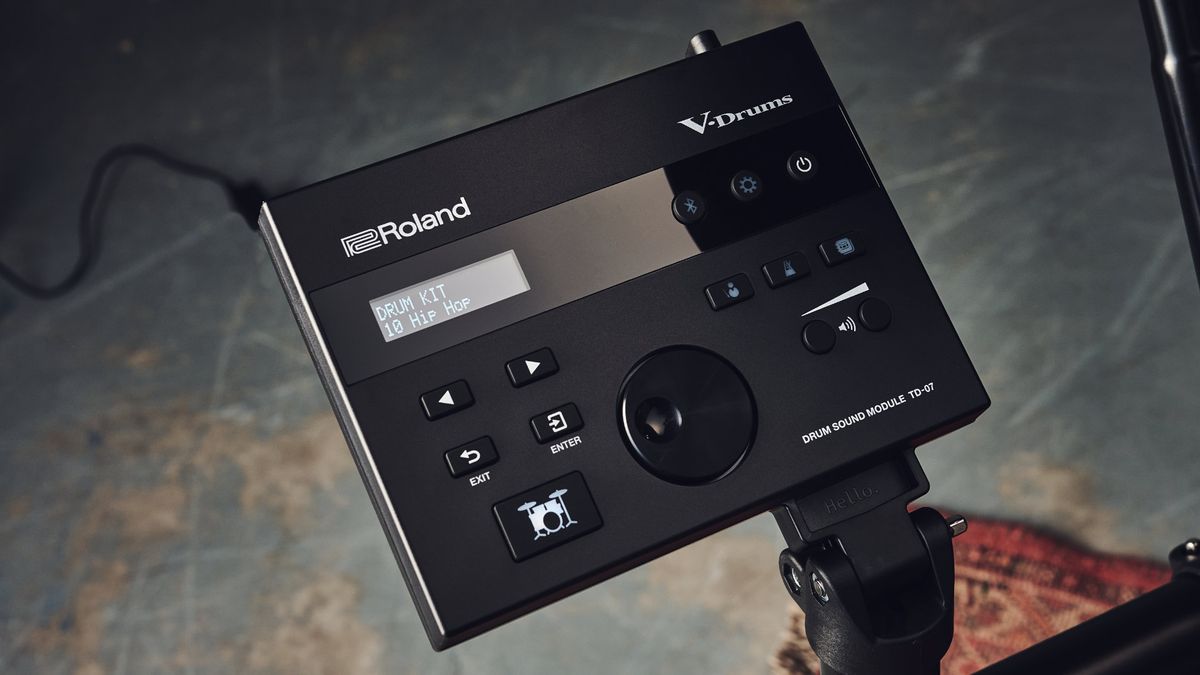
At the heart of the system is the TD-07 module, which serves as the brain of the instrument. The module provides access to 25 factory-preset kits, with an additional 25 slots reserved for user-defined custom configurations. Navigational efficiency is achieved through a combination of a central scroll wheel and dedicated hardware buttons for metronome, coaching, and kit-editing functions.
Bluetooth connectivity is a standard feature, allowing for the seamless streaming of audio from external devices. This enables users to play along with backing tracks, instructional content, or music streaming services without the need for additional cabling. The integration process is reported to be efficient, with a backlit LED indicator confirming the status of the wireless pairing.
Deep-menu editing allows for extensive customization, including the adjustment of muffling, tuning, and room ambience. While the user interface is intuitive for basic operations, the depth of the sound-shaping features—specifically the multi-effects and transient processing—requires a brief learning curve. However, compared to the menu-diving requirements of older V-Drum modules, the TD-07 offers a vastly improved workflow.
Educational Integration and Skill Development
Recognizing that a large segment of the TD-07 market consists of students and developing players, Roland has integrated several pedagogical tools directly into the module. The coaching suite features five distinct modes:
- Time Check: Evaluates the accuracy of note placement against the metronome.
- Quiet Count: Develops internal timing by periodically muting the click track.
- Auto Up/Down: Automatically varies the tempo to test endurance and stability.
- Change Up: Shifts between different note subdivisions to challenge rhythmic dexterity.
- Blast Beast: A speed-training feature that logs the maximum number of hits within a defined window.
Furthermore, the partnership with Melodics—an educational software platform—provides a significant value proposition. The inclusion of a 40-lesson "Roland Drum Pass" allows the kit to function as a controller for the software, which gamifies the learning process by providing real-time feedback on timing and accuracy. This integration is widely regarded as a superior method for engagement, as it transforms repetitive practice routines into interactive challenges.
Market Comparison and Implications
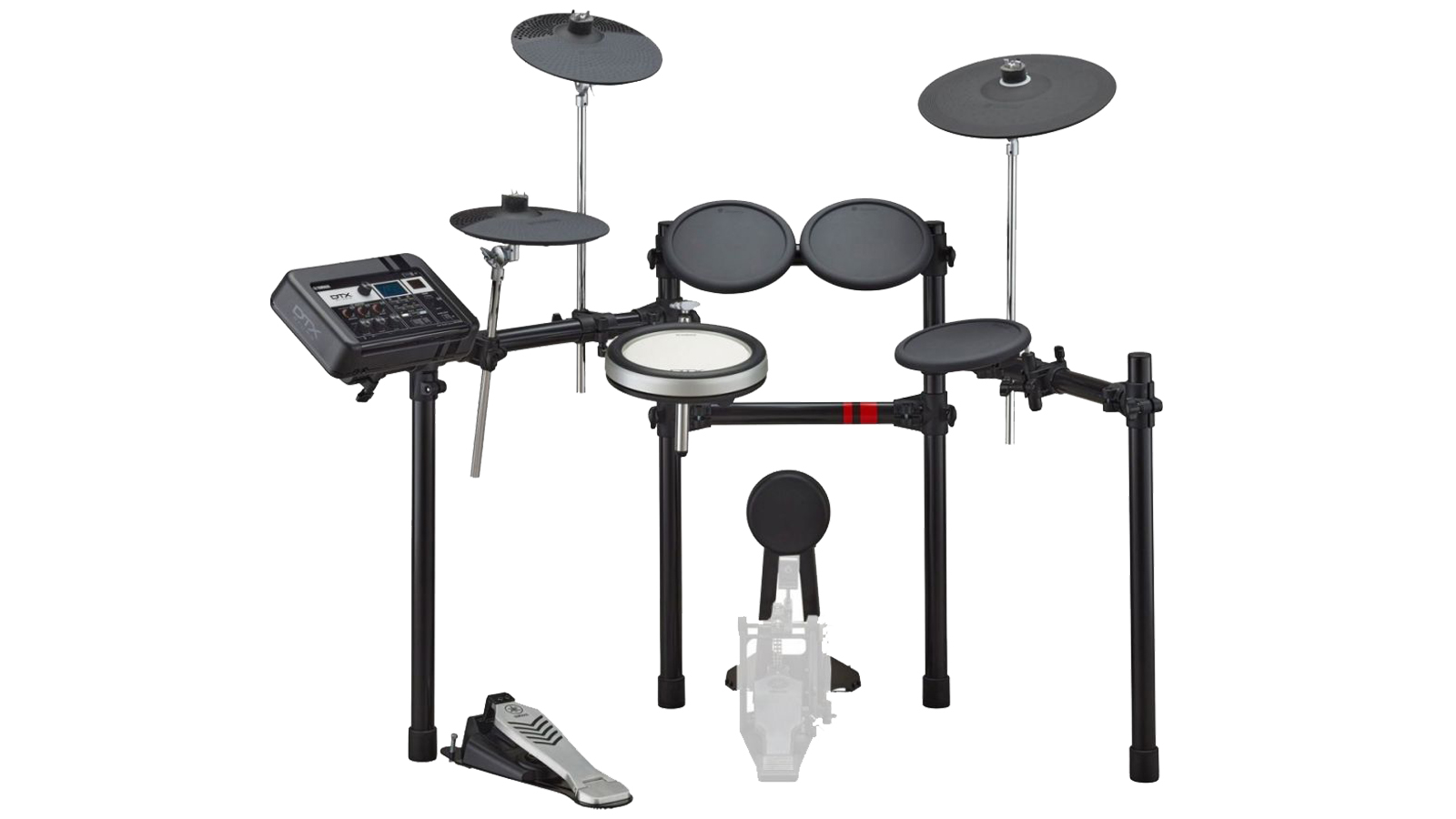
When analyzing the market landscape, the TD-07DMK2 competes with offerings such as the Yamaha DTX6K-X and various kits from Alesis. The primary distinction between the Roland and its rivals often comes down to the longevity of the hardware and the proprietary "feel" of the mesh heads.
The TD-07DMK2 does require a supplementary investment in accessories, as the package excludes a bass drum pedal, a drum throne, headphones, and drumsticks. Consumers should factor these additional costs into their total budget. Moreover, the kit’s rack includes an empty cymbal arm, hinting at the potential for expansion. Users can add an additional crash cymbal (the CY-5) to transform the kit into a more traditional setup, a path many players eventually choose as their technical proficiency increases.
Compared to its sibling, the TD-07KV2, the DMK2 is distinctly smaller. The KV2 includes 12-inch cymbal pads, an additional crash cymbal, larger tom pads, and the more sophisticated FD-9 hi-hat pedal. The decision to purchase one over the other generally rests on the available space and the long-term intent of the player. If the goal is a permanent, expandable studio setup, the KV2 offers superior hardware. If the priority is space efficiency and portability, the DMK2 provides the identical sonic engine in a more manageable footprint.
Analysis of the Digital Percussion Sector
The shift towards more robust, "acoustic-feeling" entry-level kits represents a broader trend in the musical instrument industry. As acoustic spaces become less accessible due to urbanization, the reliance on high-quality electronic substitutes has accelerated. Roland’s decision to standardize the TD-07 module across their entry-tier offerings reflects an industry-wide move to provide "pro-level" processing power at lower price points.
Historically, electronic kits in this price bracket suffered from "trigger crosstalk"—where hitting one pad would trigger another—and poor dynamic sensitivity. The TD-07 series largely mitigates these issues through improved sensor technology and refined cable management. By ensuring that even the most affordable configurations provide a stable, responsive, and quiet playing environment, Roland continues to consolidate its position as the market leader.
Conclusion and Practical Assessment
The Roland TD-07DMK2 stands as a highly competent, well-engineered solution for the modern drummer. Its strengths lie in its ease of assembly, the tactile quality of the mesh heads, and the depth of the coaching features. While the absence of bundled hardware such as a bass drum pedal is a minor inconvenience, the overall value proposition is bolstered by the quality of the sound engine and the longevity of the build.
For the novice drummer, the kit offers a path to learning that is both structured and engaging. For the experienced player requiring a secondary practice kit for late-night sessions or apartment living, it provides a familiar, high-quality playing experience that does not compromise on the nuances of performance. As the electronic drum market continues to evolve, the TD-07 series serves as a testament to the fact that professional-grade technology can indeed be made accessible to the masses, provided the manufacturer prioritizes the fundamental requirements of the player: feel, response, and reliability.