Positive Grid Spark Pedal Review: A Compact Powerhouse for the Modern Guitarist

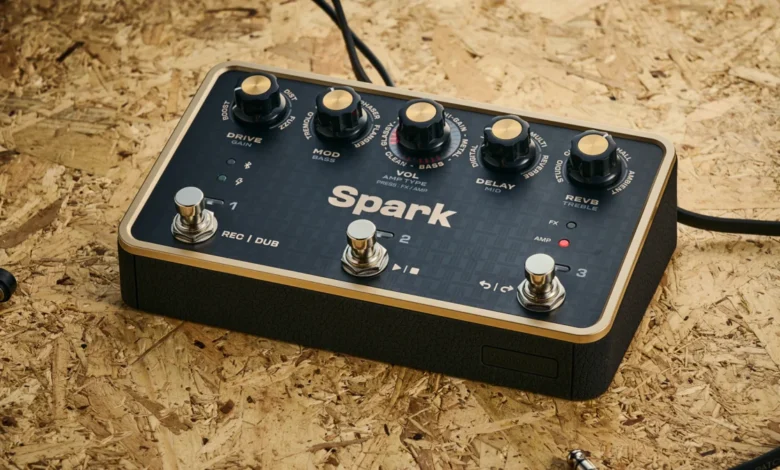
It has been over six years since the music technology landscape was permanently altered by the introduction of the Positive Grid Spark. When the San Diego-based company first unveiled its smart practice amplifier in October 2019, it promised to bridge the gap between high-fidelity digital modeling and the convenience of bedroom-level amplification. Following a successful rollout that began in early 2020, the Spark series evolved into a comprehensive ecosystem, spawning the ultra-portable Spark Mini, the travel-ready Spark Go, and the professional-grade Spark Live and Cab units. The latest iteration, the Spark Pedal, represents a strategic pivot toward the pedalboard-centric guitarist, distilling the brand’s acclaimed HD Tone Engine into a compact, three-button floor unit. Priced at $199, this device aims to bring the "smart" capabilities of the original Spark into a live performance context, offering a bridge between home practice and stage utility.
The Evolution of the Spark Ecosystem
The trajectory of the Spark line reflects a broader industry shift toward integrated digital ecosystems. Initially, the Spark 40 was marketed as an entry-level practice solution, leveraging cloud connectivity and AI-driven tone matching to democratize high-end amplifier sounds. By integrating Bluetooth audio, a dedicated mobile application, and the expansive ToneCloud—a repository of thousands of user-generated presets—Positive Grid established a loyal user base.
The introduction of the Spark Pedal marks a departure from the "all-in-one" combo amp format. While the Spark 2, launched recently as a 50-watt powerhouse, continues to dominate the desktop market, the Spark Pedal addresses the needs of players who require a gig-ready unit that integrates with existing hardware. It is built upon the same DSP architecture found in the Spark 2, providing users with 33 distinct amplifier models and 43 unique effects. This consistency is central to the company’s product philosophy: allowing a user to move from a bedroom practice session to a rehearsal or live gig without losing the tonal identity they have cultivated within the Positive Grid ecosystem.
Technical Specifications and Design Philosophy
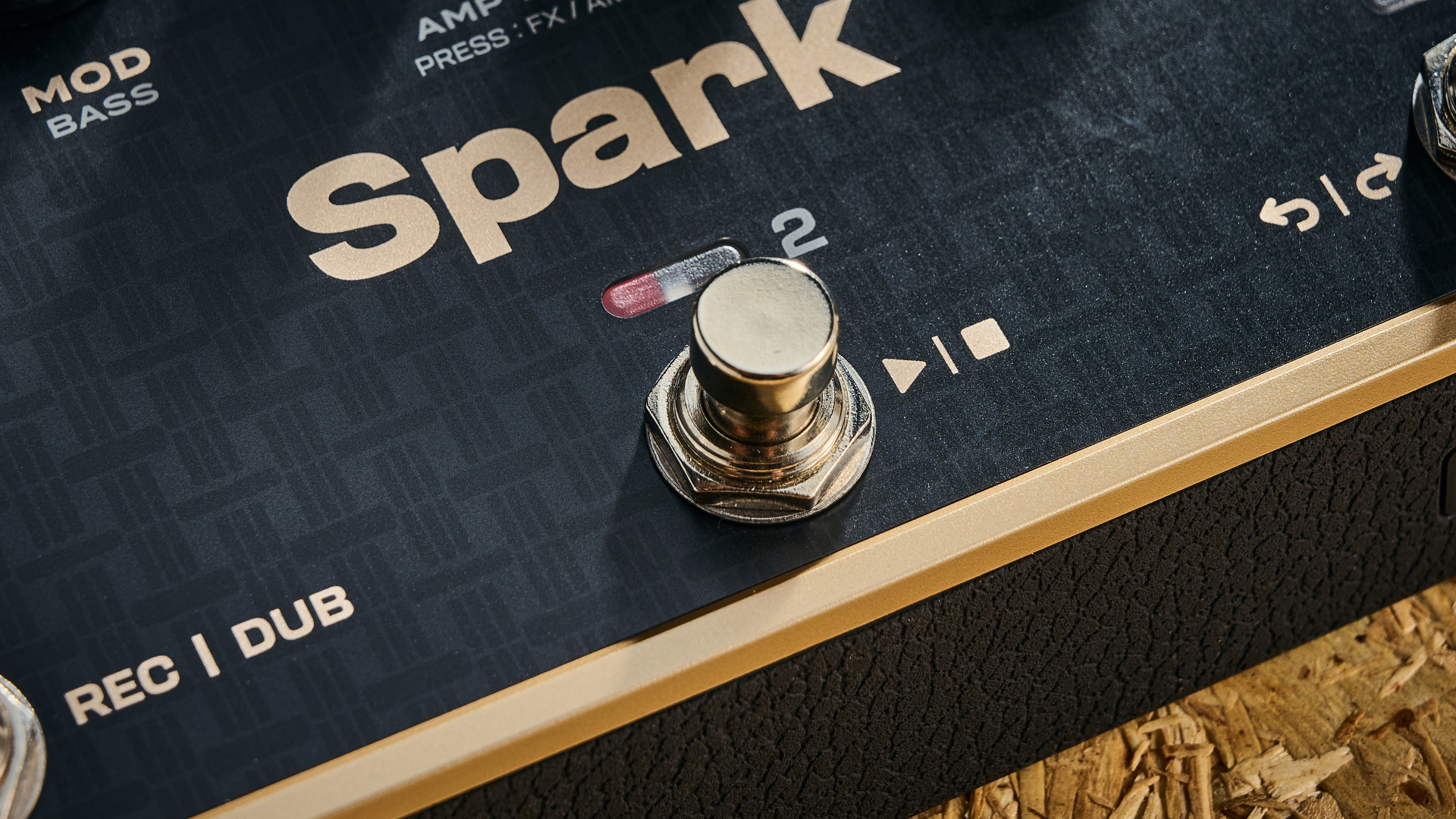
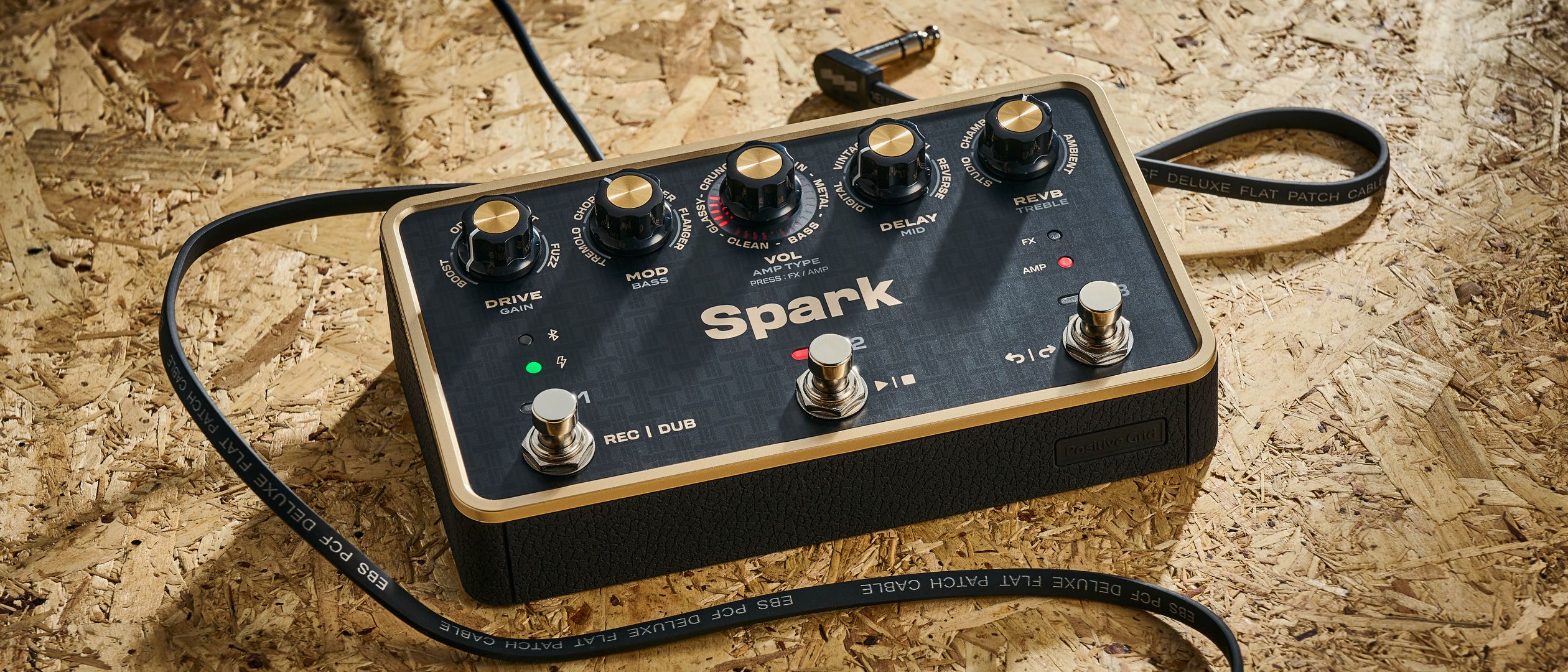
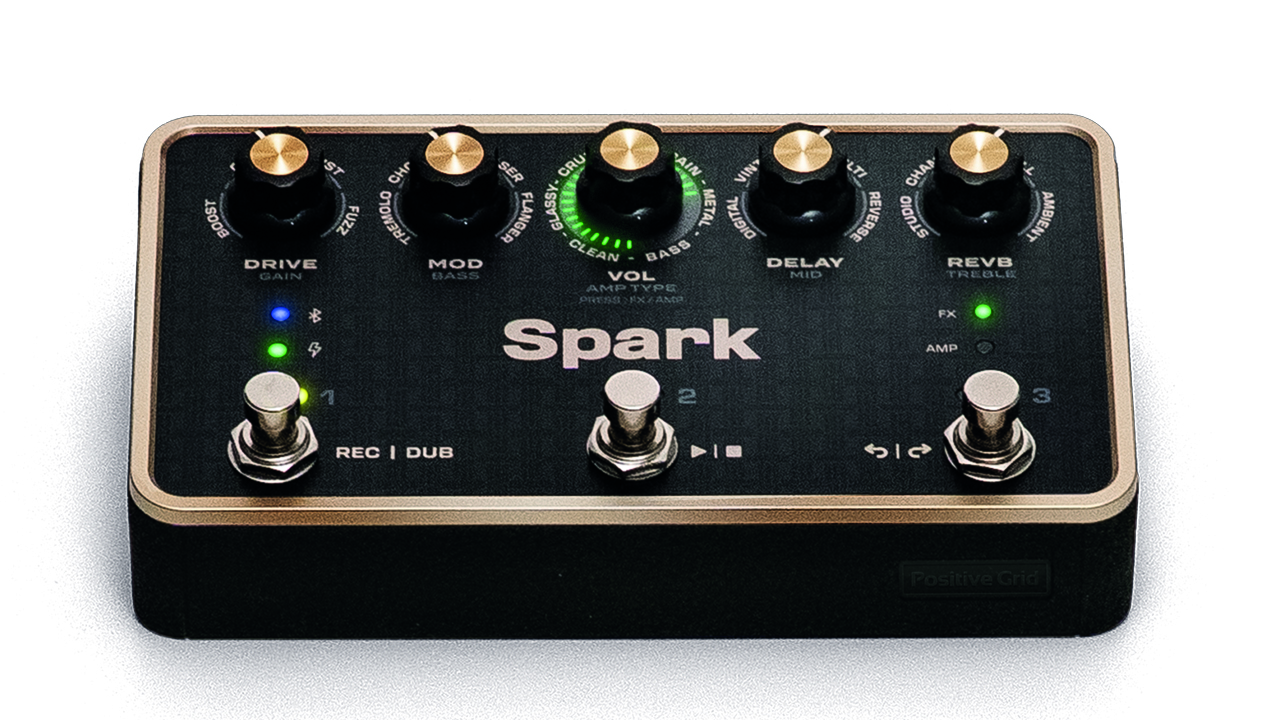
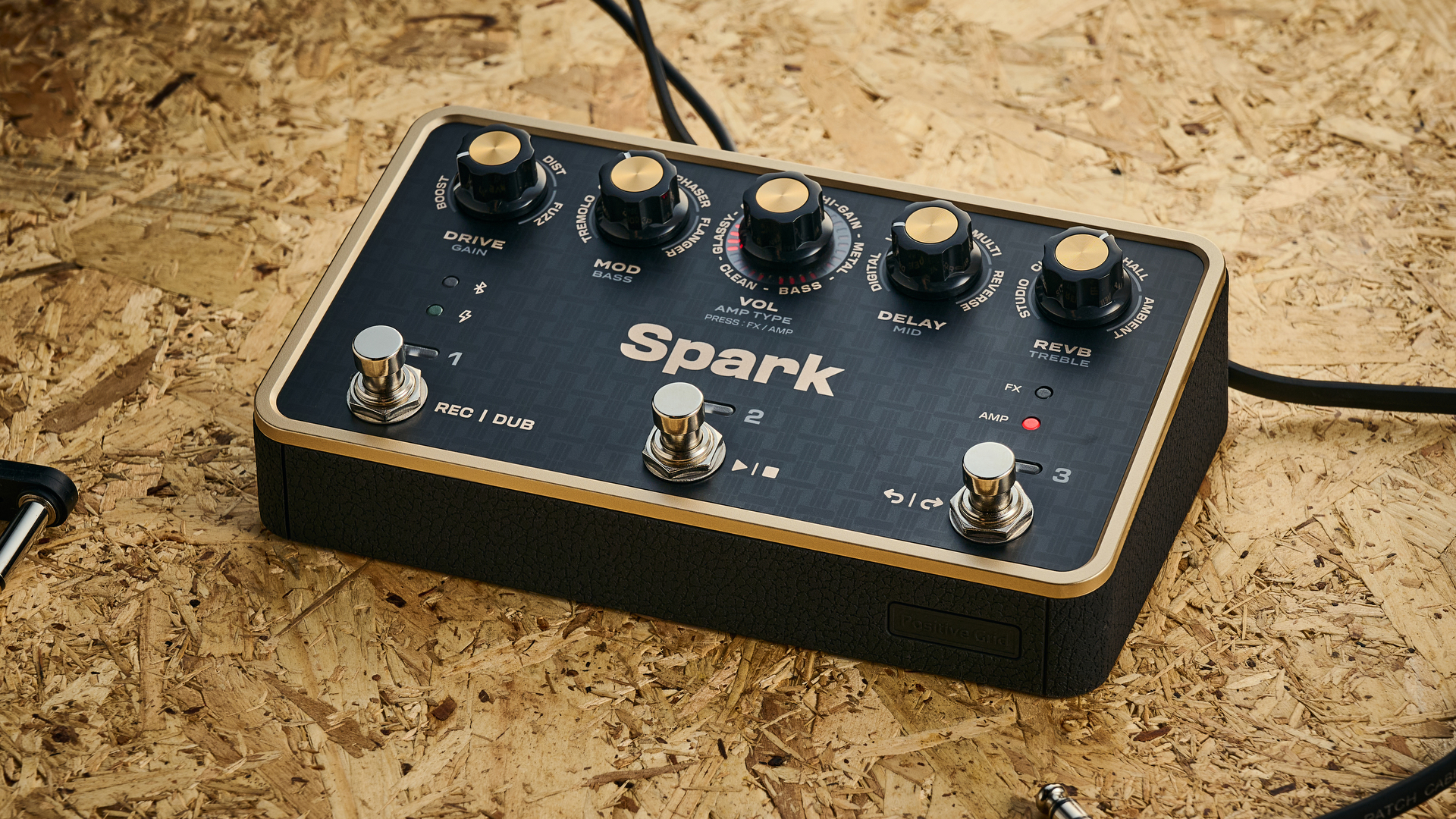
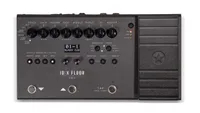
At its core, the Spark Pedal is a multi-effects and amp-modeling unit designed to sit on a pedalboard. Its physical construction reflects a robust approach, utilizing a chassis built to withstand the rigors of touring. Measuring as a compact floor unit, the pedal features a streamlined interface, but one that presents a distinct learning curve for those accustomed to traditional, single-knob analog pedals.
Connectivity is handled through a rear-facing panel that includes a single input, stereo outputs, expression pedal input, MIDI capabilities, and a dedicated headphone output for silent practice. This suite of features makes the unit highly versatile, functioning effectively as an audio interface for DAW-based recording, a silent headphone rig, or a direct-to-PA solution.
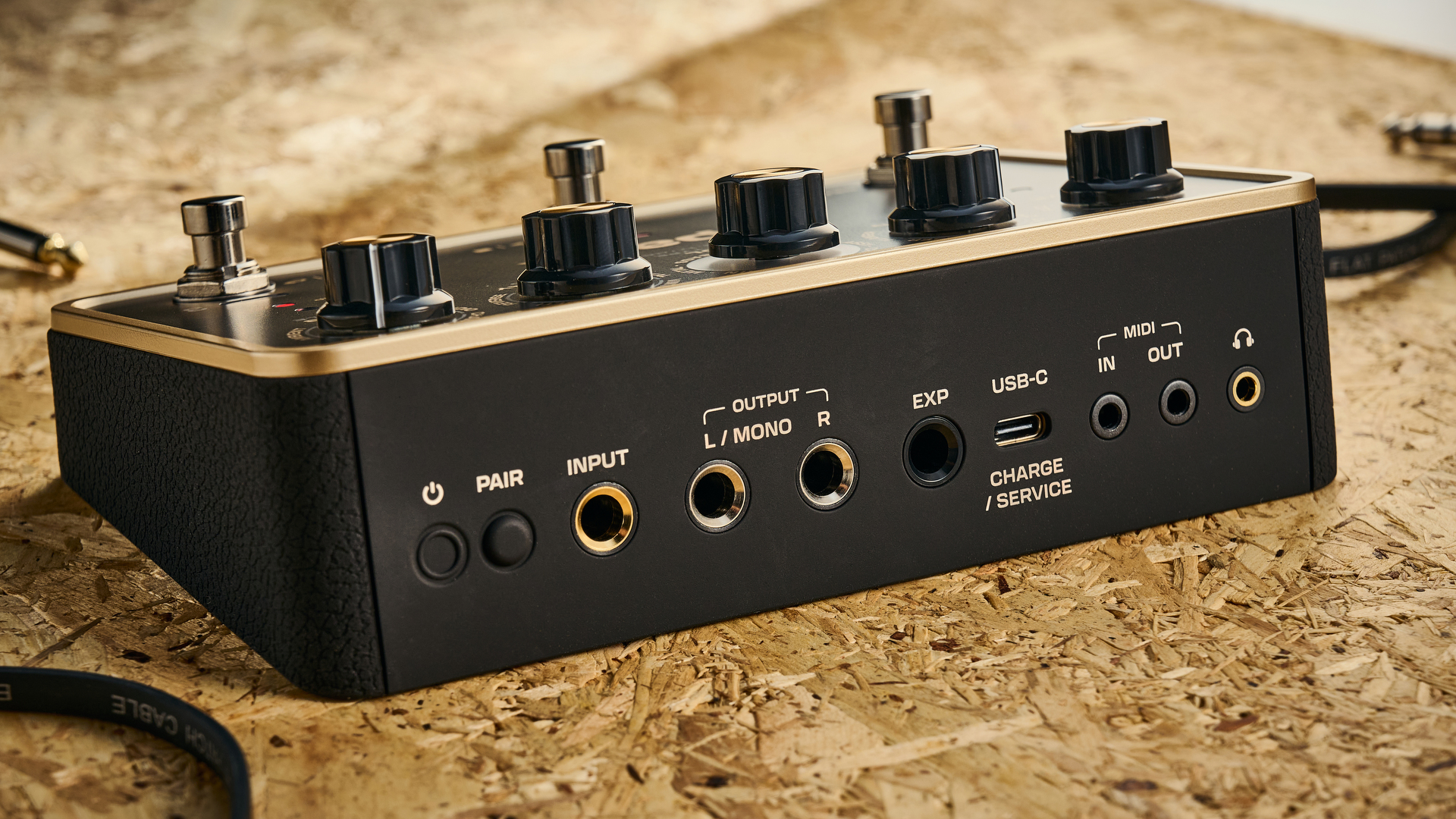
A notable design choice is the internal rechargeable battery, which is charged via a USB-C port. This feature highlights the pedal’s role as a self-contained unit but has drawn some scrutiny regarding its integration into traditional pedalboards. Unlike standard guitar pedals that draw power from a 9V power brick—the industry standard for decades—the Spark Pedal’s reliance on USB-C suggests that the company is aiming for a modern, tech-forward user experience. When asked about this design choice, a representative from Positive Grid stated that the company "deliberately chose USB-C because of how it integrates into various scenarios," emphasizing the flexibility of modern USB-C power delivery.
Usability and the Challenge of Compact Controls
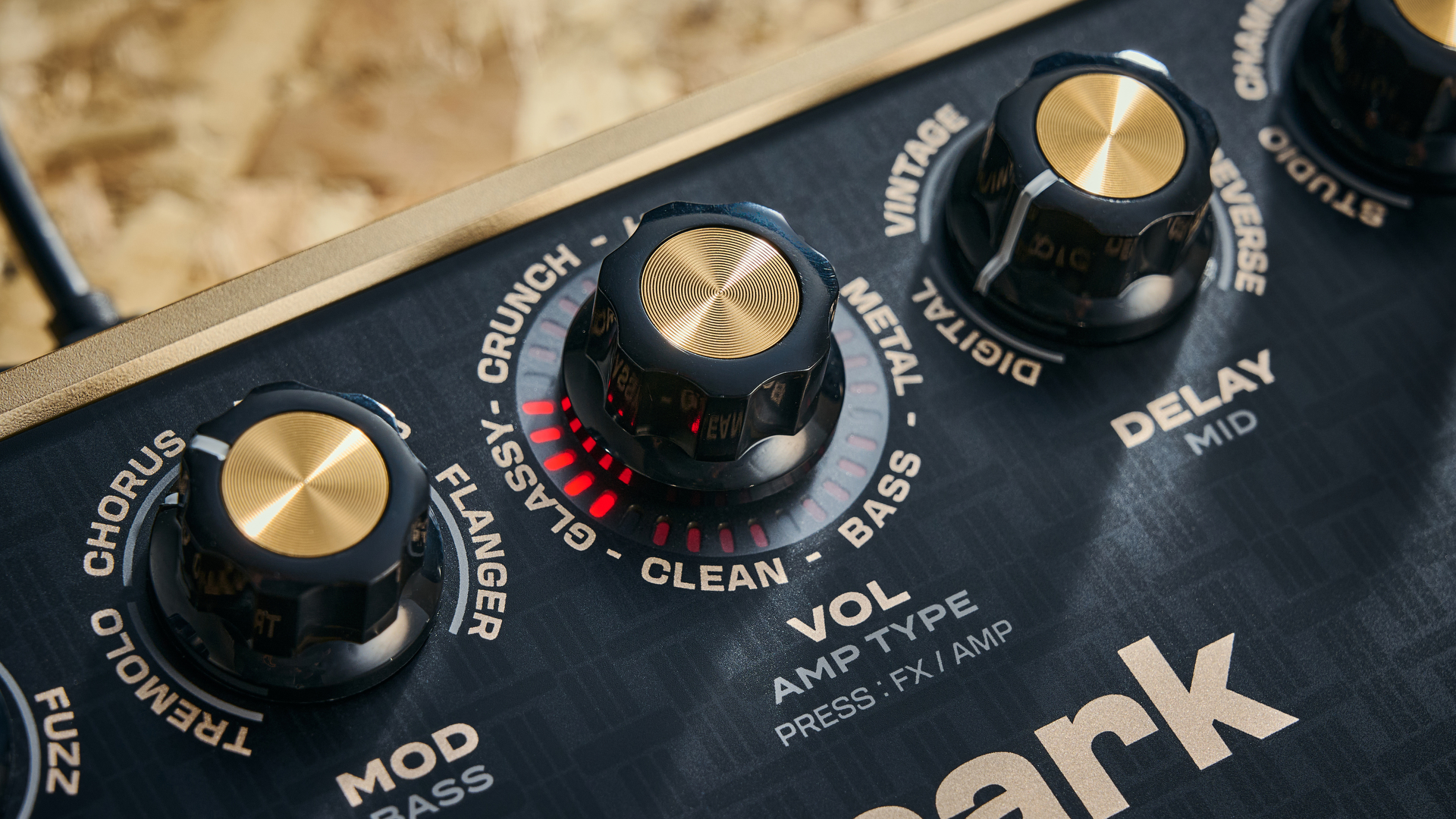
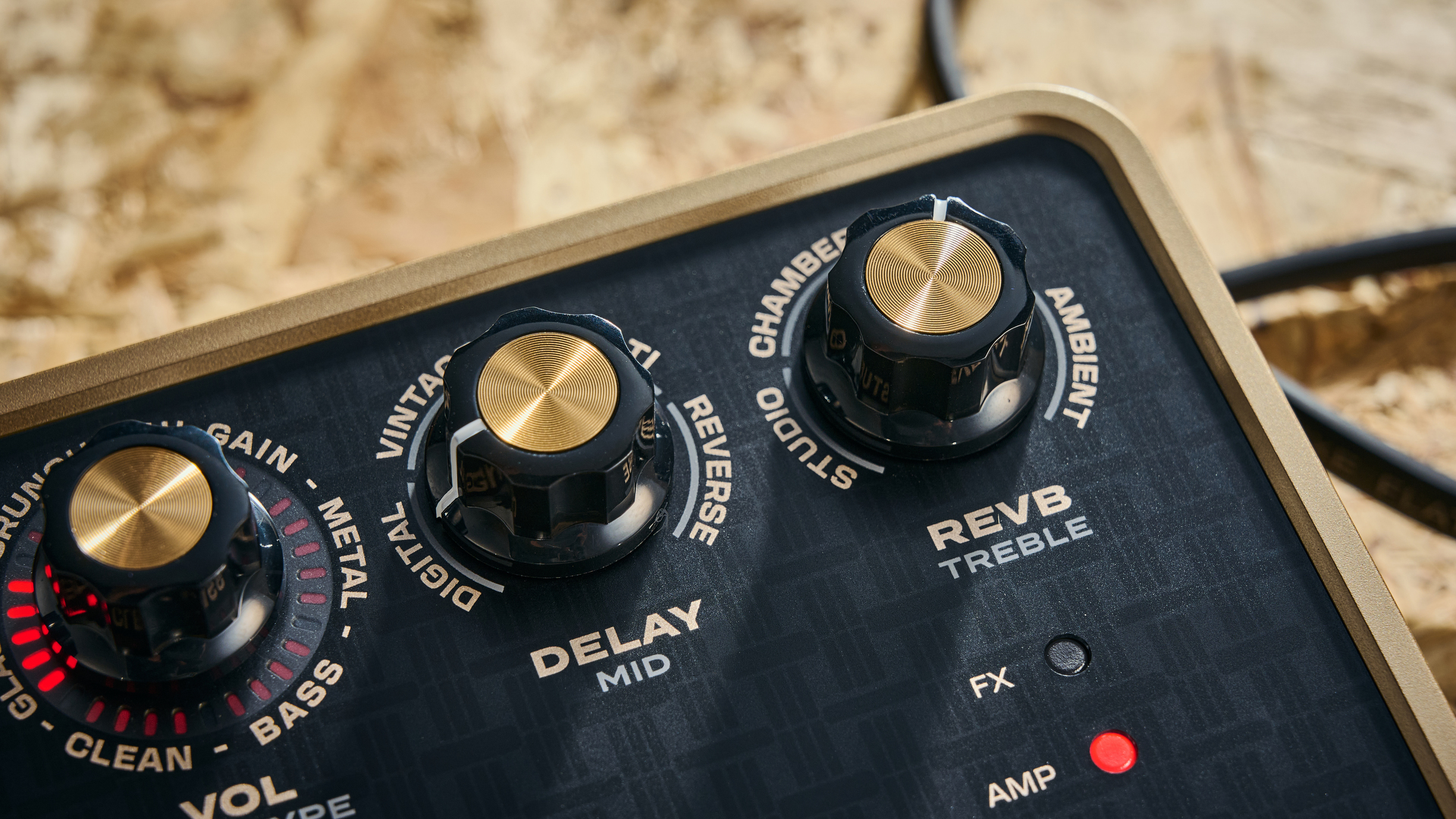
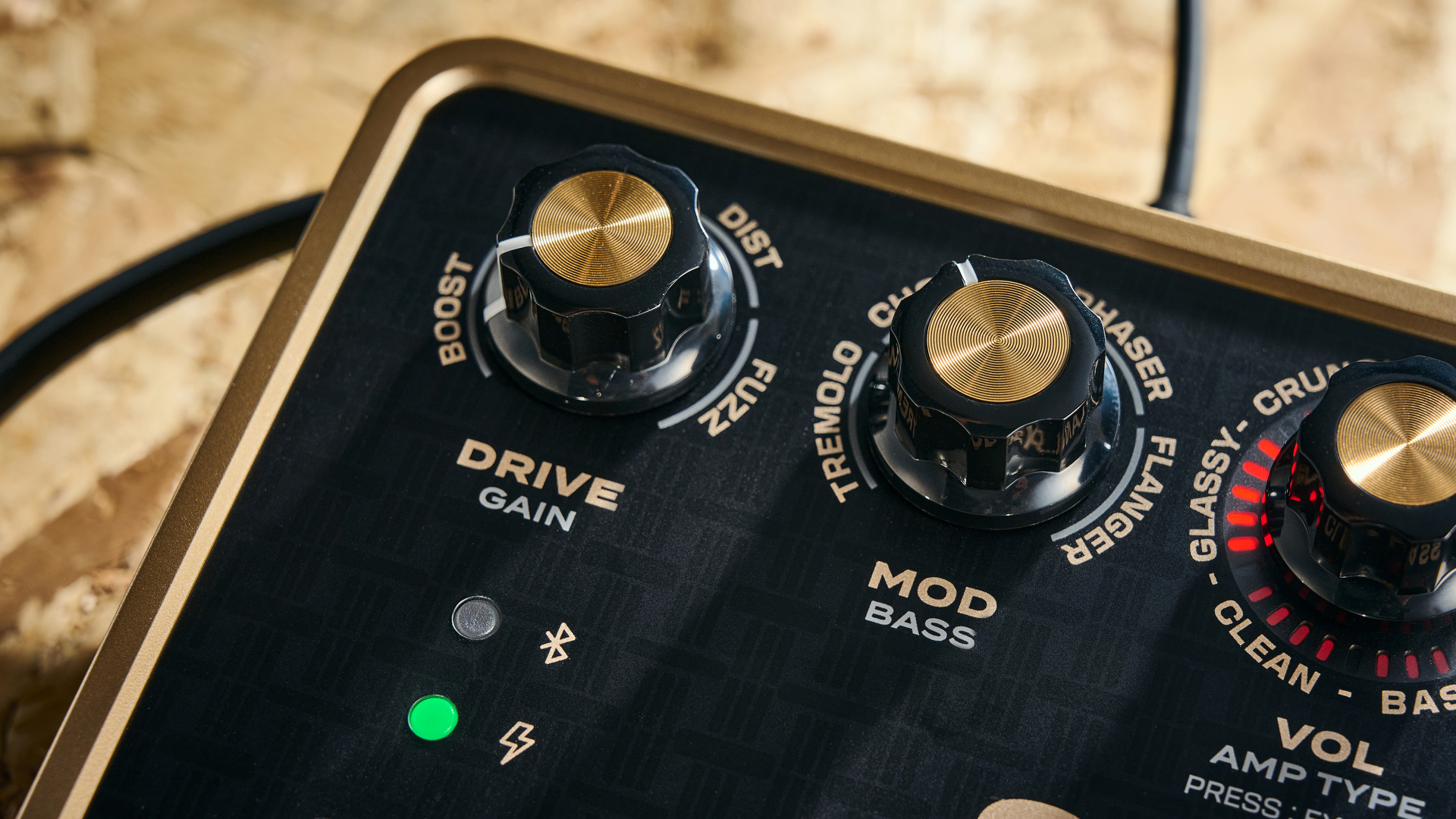
While the technical capabilities of the Spark Pedal are immense, its usability in a live setting remains a point of critical analysis. The device utilizes a single central control knob that handles a multitude of functions: adjusting volume, switching between FX and Amp modes, toggling the cabinet simulator, and engaging the tuner. This multi-layered interface is a result of the desire to keep the physical footprint small, but it requires the user to memorize LED color-coding and secondary functions.
In a studio environment, where time is not a limiting factor, this interface is manageable. However, for a musician performing on stage, the lack of dedicated controls for parameters like Gain, Bass, Mid, and Treble can be a hindrance. If a player needs to make a subtle adjustment to their tone mid-song, the current interface requires navigating through menus or relying on the companion mobile app. While the app is highly functional—offering deep-dive customization and the AI-powered "Text-To-Tone" feature—it may be impractical for a guitarist who prefers tactile, hardware-based control during a live performance.
Sonic Performance and Tone Engine Integrity
The sonic performance of the Spark Pedal is, perhaps unsurprisingly, the strongest aspect of the unit. Running on the same HD Tone Engine as the flagship Spark 2, the pedal delivers high-quality, polished sounds that have become the trademark of the Positive Grid brand. During testing, the unit exhibited a wide tonal range, spanning from the crisp, shimmering cleans associated with vintage Fender Twin-style amplifiers to the aggressive, high-gain saturation of boutique-style models.
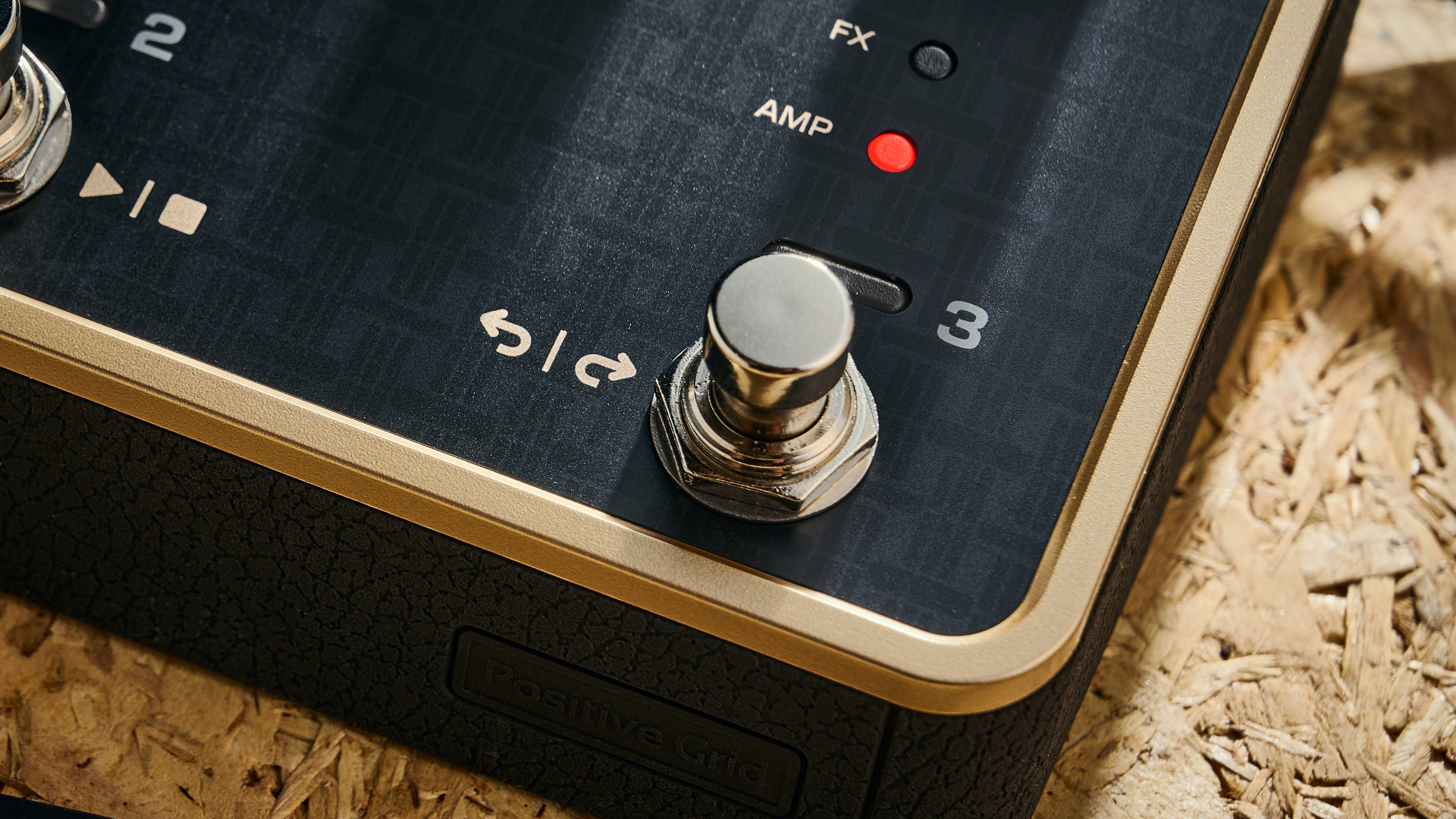
Effects, including various delays, reverbs, and modulation sounds, possess a level of depth and space that makes them highly usable in both live and recording contexts. While the default factory presets tend to lean toward a bass-heavy EQ profile—consistent with previous Spark products—these are easily corrected via the app. The ability to integrate these tones into a DAW environment directly from the pedal, with minimal latency, makes the Spark Pedal an attractive tool for home producers. The inclusion of a 60-second looper further enhances its utility as a practice aid, allowing for immediate rhythmic and melodic experimentation.
Broader Impact and Market Positioning
The release of the Spark Pedal signals that Positive Grid is no longer content with being purely a "practice amp" company. By moving into the professional pedalboard space, the company is competing with established giants like Line 6, Boss, and Strymon. The Spark Pedal’s advantage lies in its price point and its integration into the existing Spark software ecosystem.
However, the product also highlights the trade-offs inherent in compact digital hardware. The "overstuffed" nature of the device—trying to be a practice tool, a recording interface, and a gigging unit simultaneously—means that it may not be the perfect solution for every specific use case. For the guitarist who purely wants a stage rig, the reliance on an app for deep editing may feel unnecessary. Conversely, for the user who already owns a Spark 2, the pedal offers a familiar interface but potentially redundant features.
Analysis of Implications
The success of the Spark Pedal will likely depend on whether it can win over the "purist" demographic—players who have historically been skeptical of digital modeling. If the market continues to trend toward smaller, more efficient rigs, the Spark Pedal is well-positioned to become a staple on boards where space is at a premium. Its integration with the wider Positive Grid community, specifically the ease of sharing tones via the ToneCloud, creates a "network effect" that few competitors can match.
Furthermore, the decision to use USB-C power might be seen as a bellwether for the industry. As more pedalboard power supplies begin to incorporate USB-C outputs, the initial friction regarding the pedal’s power requirements will likely dissipate. The challenge for Positive Grid moving forward will be balancing the desire for "smart" features with the need for immediate, intuitive hardware control that working musicians demand.
Conclusion
The Positive Grid Spark Pedal is a technically impressive, feature-rich unit that successfully brings the company’s signature modeling technology to a pedalboard-friendly format. Its versatility is its greatest asset, functioning as a Swiss Army knife for guitarists who oscillate between home recording, silent practice, and live performance. While the navigation of its multi-function controls may pose a challenge for those seeking a more traditional "knob-per-function" experience, the quality of the sounds produced is undeniable.
As an addition to the Spark family, it effectively bridges the gap between the bedroom and the stage. Whether it becomes the primary rig for a professional touring musician or a supplementary tool for a home hobbyist, the Spark Pedal is a clear demonstration of how far digital modeling has come in six years. For those willing to embrace the app-based workflow, it offers a sophisticated, modern solution that is competitively priced and highly capable. As the market for digital gear continues to evolve, Positive Grid has cemented its position as a primary innovator, even if the transition from "smart amp" to "smart pedal" requires a slight adjustment in how players interact with their gear.