Navigating the Modern Music Industry: Ethan Beer on Press, Artist Management, and the Future of Music Careers

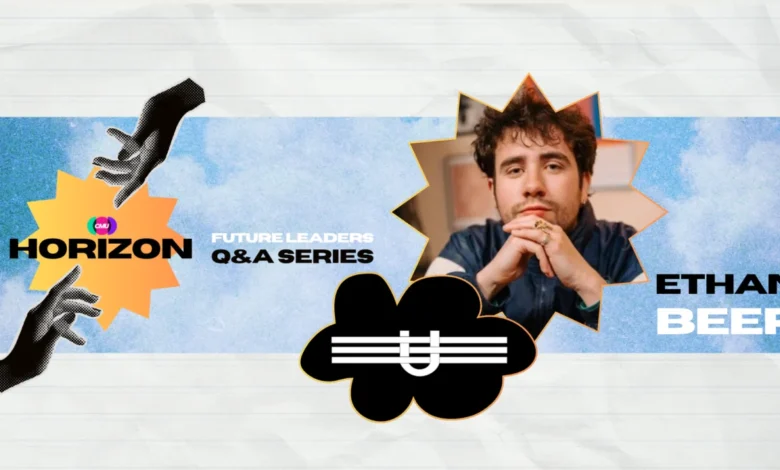
The contemporary music industry exists in a state of perpetual transformation, caught between the hyper-accelerated demands of the digital landscape and a fundamental human desire for authentic artistic connection. As traditional revenue models shift and emerging technologies reshape how audiences discover sound, understanding the mechanics of a modern music career requires a unique blend of adaptability, grit, and hands-on experience. In this installment of the Horizon series—which profiles the music sector’s current and next generation of leaders—Ethan Beer, Head of Press at Underplay and an active artist manager, offers a candid blueprint for breaking into and surviving the modern entertainment business. Balancing dynamic press campaigns with the multi-faceted demands of artist management, Beer’s trajectory illustrates both the systemic barriers currently facing working-class youth and the boundless opportunities available to those willing to embrace experimentation, community-building, and continuous learning.
Main Facts and Current Role
At Underplay, Beer operates at a demanding intersection of public relations and talent oversight. His professional responsibilities are bifurcated into two distinct yet complementary disciplines. On the press side, his daily routine involves managing media relations, coordinating features, securing album reviews, and positioning emerging acts within a crowded digital ecosystem. Conversely, his artist management portfolio requires a remarkably diverse skill set. Overseeing a critically praised roster that includes Bathing Suits, Jessica Winter, Kamran Khan, pencil, and Melin Melyn, Beer’s daily tasks range from creative direction and administrative planning to campaign development, financial oversight, and functioning as an informal counselor to his artists.
This dual-hatted approach means that most of Beer’s days conclude in dimly lit venues across London and beyond, evaluating talent and supporting his roster live. This hands-on proximity to grassroots music culture forms the bedrock of his industry philosophy. Rather than viewing press and management as isolated silos, Beer leverages insights gained from media campaigns to inform long-term career strategies for the artists he guides, a holistic methodology that culminated in a milestone achievement in 2025: attending the iconic Glastonbury Festival for the first time as the manager of a performing act.
Chronology and Early Career Pathways
Beer’s entry into the music business highlights both the critical importance of vocational training pathways and the stark socioeconomic hurdles inherent to the modern creative sector. Growing up just outside London in Hayes and Slough, Beer was uniquely positioned to pursue a music business apprenticeship through Big Creative Education (BCE) while living at his family home. This living arrangement mitigated the crushing cost-of-living and rental pressures that routinely price working-class aspirants out of the capital’s creative hubs.
Through the BCE scheme, Beer secured an apprenticeship placement at Republic Media. This educational model combined practical, on-the-ground industry experience four days a week with one day dedicated to theoretical classroom study. For Beer, this immersive environment provided a vital training ground. By adopting a philosophy of saying yes to every available opportunity and maintaining the confidence to make—and learn from—early professional mistakes, he built the foundational competencies necessary to navigate the complexities of music public relations.
However, Beer is quick to contextualize his personal accessibility with systemic critique. He is a vocal advocate for expanding paid, entry-level opportunities and localized training schemes for individuals residing outside the M25 corridor. As economic pressures mount and inflation outpaces entry-level wages, the traditional paradigm of relocating to London on low- or unpaid internships has become increasingly untenable, threatening to homogenize the socio-economic demographic of upcoming industry professionals.
Supporting Data and Evolving Industry Landscapes
The structural evolution of the music industry over the past decade has fundamentally altered how early-career professionals gain traction. According to recent workforce analyses by organizations like UK Music, regional disparity remains a significant bottleneck for talent retention and acquisition outside major metropolitan centers. Programs such as BCE in London and Generator in the North of England serve as vital lifelines, yet the demand for structured, equitable pathways far outstrips supply.
Simultaneously, the democratization of media distribution via digital platforms has lowered the barrier to entry for DIY creators while raising the noise floor. In response to these shifts, Beer points to regional DIY ecosystems—such as Leeds-based label, management, and booking entity Private Reg / Regcords—as archetypes for modern industry success. By hyper-focusing on local community building and organic engagement, independent operators are demonstrating that sustainable careers can be forged outside traditional corporate pipelines.
Official Responses and Strategic Adaptations
Addressing the digital transformation of music marketing, Beer offers a nuanced analysis of the tension between algorithmic curation and traditional music journalism. The current commercial climate is experiencing a pronounced boom in influencer-driven discovery, with platforms like TikTok and Instagram dictating the listening habits of younger demographics. For a Head of Press, this requires cultivating an entirely new roster of digital relationships and tastemakers.
Yet, Beer argues that this hyper-digital saturation has paradoxically elevated the value of experienced music journalism. As audiences grow fatigued by algorithmic monotony and suspected astroturfing—where artificial engagement mimics grassroots popularity—there is a palpable cultural pushback. This backlash is visibly manifesting in a renaissance of independent print zines and a growing consumer appetite for genuine, offline experiences.
Consequently, strategic planning at Underplay increasingly centers on fostering real-world, tangible moments between artists and fans. By prioritizing live performance infrastructure and combating digital fatigue through immersive physical interactions, management teams are adapting to a consumer base actively searching for authenticity.
Broader Impact, Future Implications, and AI Integration
Looking toward the horizon, Beer identifies artificial intelligence as the most consequential and disruptive variable facing the industry-wide workforce. The implications of generative AI extend far beyond aesthetic creation into the architecture of music delivery systems. Beer expresses concern that AI-driven curation may soon dictate not only the composition of commercial art but also the precise mechanisms by which it is funneled to consumers.
To prepare for this disruptive paradigm shift, early-career professionals must develop digital literacy that extends beyond passive consumption. Beer advises newcomers to familiarize themselves with the operational mechanics of AI agents, focusing on workflow optimization and administrative efficiency rather than creative replacement. Furthermore, mastering the fundamentals of digital advertising, targeted social media mechanics, and third-party influencer marketing will remain essential competencies prioritized by institutional employers.
Ultimately, Beer’s overarching message to the next generation strips away the corporate anxiety often associated with professional advancement in the arts. Surviving and thriving in the music industry, he contends, requires a return to foundational motivations: finding a community of like-minded peers, embracing collaborative creativity, and remembering that the entire enterprise is anchored in a shared passion for sound. By maintaining resilience, remaining curious, and treating setbacks as educational milestones, newcomers can navigate an unpredictable future while preserving the intrinsic joy that drew them to the industry in the first place.
Related posts: