Elvis Presley Estate Launches Landmark Lawsuit Against Suno in Fight Over AI Voice Cloning

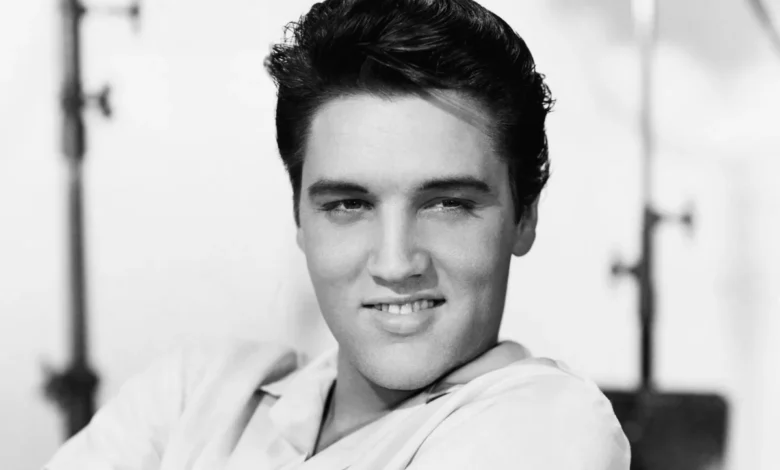
The legal battle over the future of generative artificial intelligence in the music industry has entered a critical new phase as the estate of Elvis Presley initiated a lawsuit against the AI music platform Suno. Filed on November 6, the litigation marks a strategic shift in how rights holders are challenging technology companies, moving beyond the standard copyright infringement arguments that have dominated the landscape since the generative AI boom began in 2022. While major labels continue to pursue Suno for the unauthorized use of their sound recordings and compositions to train massive machine learning models, the Presley estate is centering its argument on the protection of identity, specifically targeting the commercial exploitation of the late singer’s voice through the application of state-level publicity rights.
A New Legal Front: Publicity Rights vs. Copyright
For the past two years, the music industry’s primary legal strategy has focused on the input side of AI development. Companies like Universal Music Group, Sony Music, and Warner Music Group have argued that platforms like Suno and Udio ingest millions of copyrighted works without authorization, transforming them into training data to create models capable of producing derivative content. This approach, while robust, faces hurdles regarding "fair use" defenses that AI companies frequently cite.
The Elvis Presley estate, however, has pivoted toward the output side. By invoking the ELVIS (Ensuring Likeness, Voice, and Image Security) Act—a landmark Tennessee law enacted in 2024 specifically to address the proliferation of AI-generated digital replicas—the estate is arguing that Suno is not merely infringing on copyright, but is actively violating the fundamental right of a person to control the commercial use of their persona. The lawsuit alleges that Suno’s platform enables users to generate audio that effectively mimics the "humanity, history, despair, and triumph" that defined Presley’s musical identity, thereby creating synthetic, unlicensed products that compete directly with the actual recordings of the artist.

Chronology of AI Music Litigation
The current landscape of AI litigation is the result of a rapid escalation in tensions between the tech sector and the creative industries. The timeline of this conflict illustrates the increasing urgency felt by rights holders:
- Late 2022: The public release of ChatGPT and subsequent generative audio models ignites widespread concern among creative professionals regarding the potential for unauthorized "deepfakes."
- July 2023: Music publishers, including Concord and ABKCO, initiate a lawsuit against Anthropic, alleging that the company used copyrighted lyrics to train its Claude AI model.
- March 2024: The state of Tennessee passes the ELVIS Act, the first of its kind in the United States, providing a legal framework to protect musicians from AI-generated voice and likeness misappropriation.
- June 2024: A class-action lawsuit is filed by artists, including Jason Isbell, against Suno, focusing on the encoding of artist identities into the platform’s model.
- September 2024: Universal Music Group and Sony Music Entertainment file an expanded, aggressive complaint against Suno, highlighting the systematic nature of the infringement.
- November 2024: The Elvis Presley estate files its complaint, marking a high-profile escalation by a legacy artist’s estate to enforce personality rights.
The Significance of the ELVIS Act
The absence of a federal legislative standard for digital replicas has left a significant gap in the legal landscape. While members of Congress have proposed the NO FAKES Act—a bill aimed at establishing a national right to publicity—it has yet to be signed into law. This legislative vacuum has forced artists and estates to rely on a patchwork of state laws.
The Tennessee ELVIS Act is widely considered the gold standard for state-level protection. By explicitly including "voice" as a protected element of an individual’s identity, it provides a much more direct avenue for litigation than traditional copyright law, which focuses on the creative output rather than the persona itself. The Presley estate’s reliance on this act suggests that the legal strategy is to bypass the complexities of copyright ownership and focus instead on the inherent right to one’s own sound. This is a direct challenge to the business model of generative AI, which relies on the ability to emulate specific vocal timbres and stylistic nuances that are historically associated with iconic artists.
Data and Industry Implications
The economic stakes of this litigation are immense. The music industry generates billions of dollars in annual revenue, much of which is tied to the brand equity and recognizable identities of superstar artists. If platforms like Suno can generate "Elvis-style" tracks at scale, the market value of the official catalog could be diluted.

Furthermore, evidence presented by the estate—including video exhibits showing the platform generating voice-cloned content—points to the "smoking-gun" nature of the allegations. The estate argues that there are thousands of such instances, creating a massive, unlicensed market for synthetic audio that mimics the King of Rock and Roll. From a data perspective, if the court finds that the models were intentionally trained or tuned to capture these specific nuances, the defense of "technological neutrality" often used by AI firms could crumble.
Reactions and Industry Response
While Suno has generally maintained that its technology falls under the protection of fair use and that it does not intentionally infringe on specific artists, the legal pressure is mounting. The company has previously stated in regulatory filings that their models are designed to learn patterns rather than copy specific individuals. However, the prevalence of user-generated content that explicitly requests "Elvis-like" vocals poses a significant challenge to this narrative.
Other artists, including Taylor Swift, the Backstreet Boys, and Lionel Richie, have begun experimenting with trademarking their voices and likenesses. While legal experts remain skeptical about the long-term efficacy of trademarking a human voice, these actions underscore the desperation felt by artists to establish a perimeter around their professional identities in an era of hyper-realistic synthesis.
Analysis: What Success Would Mean
If the Presley estate succeeds, it could set a powerful legal precedent that changes the economics of AI music platforms. A victory would likely force companies to implement much stricter "guardrails" that prevent the generation of content mimicking living or deceased performers without explicit, compensated licensing agreements. This would effectively turn the current "wild west" of AI generation into a licensed marketplace, similar to the model used for music streaming services.

Conversely, if the lawsuit fails, it would reinforce the current status quo, potentially emboldening AI developers to continue pushing the boundaries of what is considered "transformative" use. Such an outcome would likely accelerate the push for federal legislation, as the music industry would be left with no recourse other than lobbying for a federal version of the ELVIS Act.
Conclusion: The Future of Artistic Identity
The entry of the Elvis Presley estate into the litigation arena serves as a powerful symbol of the current crisis. It is no longer just about copyright; it is about the sanctity of the human element in art. As AI models grow more sophisticated, the distinction between a creative homage and a commercial theft of identity will continue to blur. The court’s handling of this case will be closely watched by every major player in the entertainment industry, as it will likely determine whether the digital age will allow for the unchecked synthesis of human talent or if the legal system will finally establish clear, enforceable boundaries to protect the legacy of those who have shaped music history. Whether this case leads to a landmark ruling or serves as a catalyst for new federal law, it is undeniably one of the most consequential legal battles for the future of creative expression in the 21st century.