Freddie de Tommaso Steps in as Rodolfo in the Metropolitan Opera Production of La Bohème

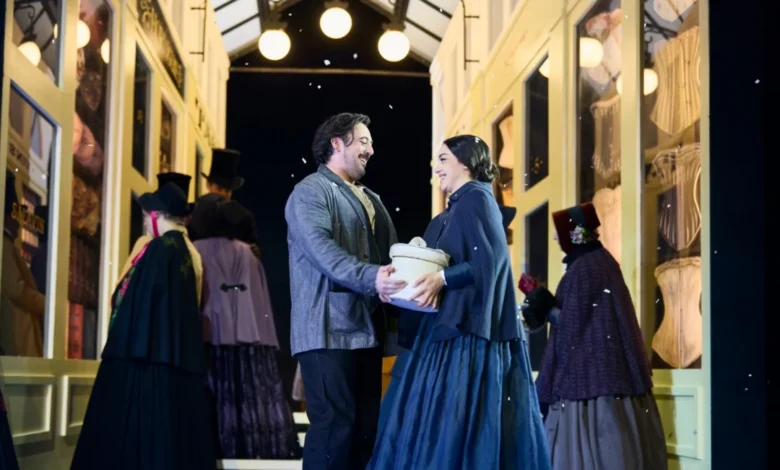
The Metropolitan Opera has officially announced a notable cast adjustment for its upcoming autumn performances of Giacomo Puccini’s beloved masterpiece, La Bohème. British-Italian tenor Freddie de Tommaso will step onto the iconic stage to portray the passionate poet Rodolfo for the performances scheduled on September 25 and 27. This late-breaking scheduling update comes as the New York institution navigates its bustling fall repertory season, requiring nimble adjustments from artists currently engaged in multiple concurrent productions at the venue. De Tommaso, who has rapidly ascended the ranks of the international opera scene to become one of the most sought-after lirico-spinto tenors of his generation, is no stranger to the demanding acoustics and vast expanse of the Metropolitan Opera House. His return to the role follows a celebrated run of the same opera last season, where his vocal clarity, emotive delivery, and commanding stage presence drew considerable acclaim from audiences and critics alike.
The Main Facts and Immediate Roster Changes
The upcoming performances on September 25 and 27 will place de Tommaso at the center of Puccini’s tragic narrative of impoverished artists in 19th-century Paris. In stepping into the role of Rodolfo, de Tommaso joins an internationally renowned ensemble of vocalists. The cast features sopranos Juliana Grigoryan and Rosa Feola, alongside baritones Hansung Yoo and Gihoon Kim, bass-baritone Le Bu, and veteran baritone Donald Maxwell. Leading the Metropolitan Opera Orchestra and Chorus from the pit will be conductor Ramón Tebar, who will helm Franco Zeffirelli’s legendary, hyper-realistic production—a staging that has remained a cornerstone of the company’s repertory for decades due to its cinematic grandeur and intricate crowd scenes.
De Tommaso’s integration into the cast required careful calendar coordination. At the time of this announcement, the tenor is already deeply immersed in the Met’s fall season, actively performing a prominent role in Verdi’s dark psychological tragedy, Macbeth. Juggling two major, vocally demanding roles concurrently underscores the immense stamina and versatility required of contemporary operatic stars. The transition highlights the operational flexibility that major houses like the Metropolitan Opera must maintain, relying on a roster of elite artists capable of stepping into leading roles with minimal rehearsal overlap.
Chronology and Background Context of the Artist
To understand the significance of de Tommaso’s late-minute insertion into the La Bohème schedule, one must examine his rapid trajectory within the global classical music ecosystem. Born in the United Kingdom to an Italian father and a British mother, de Tommaso trained at the prestigious Royal Academy of Music in London. His career gained international momentum in 2018 when he triumphed at the prestigious Tenor Viñas International Contest in Barcelona, capturing first prize, the audience prize, and several special awards. This watershed moment opened doors to major European houses, including the Vienna State Opera, the Royal Opera House in Covent Garden, and the Bavarian State Opera.
De Tommaso made his highly anticipated Metropolitan Opera debut during the 2023–2024 season, immediately capturing the attention of New York critics. Reviewing his previous outing in La Bohème at the Met, OperaWire noted, "Tenor Freddie De Tommaso had a strong impact," praising his dark-hued, Italianate timbre and the effortless projection that easily filled the 3,800-seat auditorium. His ability to blend Italian vocal traditions with a modern theatrical sensibility has made him a favorite among audiences who remember the golden age of 20th-century tenor singing. Over the past three years, his calendar has transformed into a masterclass in high-pressure scheduling, moving seamlessly from verismo masterpieces like Cavalleria Rusticana and Pagliacci to Verdi and Puccini staples.
Supporting Data and the Legacy of Franco Zeffirelli’s Production
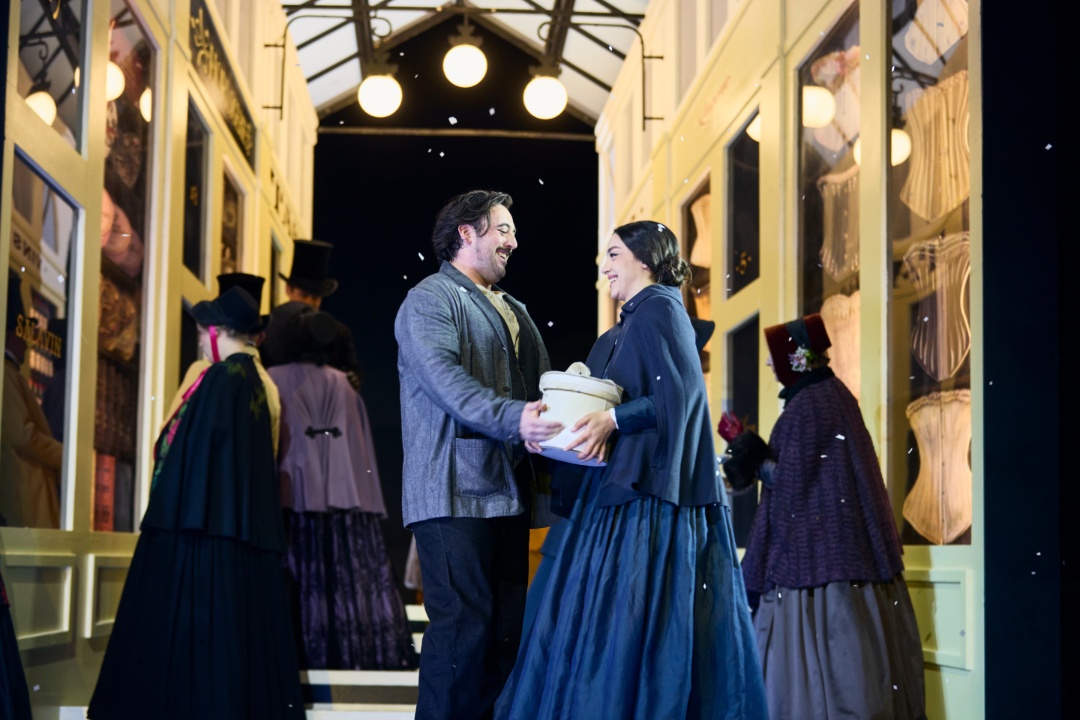
The production that de Tommaso will grace on September 25 and 27 is itself a character within the performance. Conceived by the legendary Italian director and designer Franco Zeffirelli, this staging of La Bohème premiered at the Metropolitan Opera on December 14, 1981. Over four decades later, it remains the most-performed production in the history of the company, having been seen by millions of opera-goers. Known for its lavish, cinematic sets—complete with a bustling, snow-covered Latin Quarter in Act II that features hundreds of extras, live horses, and children’s choruses—the production demands a specific type of vocal performance.
Tenors singing Rodolfo in the Zeffirelli production must not only possess the vocal power to cut through Puccini’s lush orchestration but also the dramatic charisma to command a massive stage without getting lost in the visual splendor. Statistical tracking of the Metropolitan Opera’s repertory reveals that Zeffirelli’s La Bohème has been performed well over 500 times. Reviving this staging year after year requires a delicate balance of tried-and-true scenic grandeur and fresh vocal casting. By inserting an artist of de Tommaso’s caliber into the autumn run, the Met ensures that the musical standard matches the visual opulence of the historical production. Furthermore, the inclusion of conductor Ramón Tebar brings an additional layer of stylistic authenticity, given Tebar’s extensive experience with the idiomatic phrasing required by the Spanish and Italian repertoires.
Official Responses and Institutional Operations
While major opera houses typically plan their seasons years in advance, cast changes due to illness, scheduling conflicts, or artistic re-evaluations are an inevitable reality of running a repertory theater of the Metropolitan Opera’s scale. The company’s administration, led by General Manager Peter Gelb, has increasingly relied on dynamic casting strategies to maintain audience interest and box office resilience in a post-pandemic landscape.
While formal statements regarding specific cast substitutions are often concise—focusing strictly on the dates, the artist, and the role—behind-the-scenes operations involve a complex web of agent negotiations, travel logistics, and orchestral rehearsals. In the case of de Tommaso, because he was already in New York City preparing for and performing in Macbeth, the logistical hurdles of bringing in an international star on short notice were significantly minimized. This geographic and institutional proximity allowed the Met to secure a seamless transition without disrupting the broader rehearsal schedule for the rest of the ensemble. Colleagues within the industry have frequently praised de Tommaso’s professional discipline, noting his ability to pivot between different stylistic epochs—moving from the gritty, jagged vocal lines of Verdi’s Macbeth to the soaring, lyrical architecture of Puccini’s Rodolfo—with remarkable technical stability.
Broader Impact and Implications for the Met’s Season
The autumn performance block of La Bohème serves as a critical bellwether for the Metropolitan Opera’s broader financial and artistic health as it progresses through the 2025–26 season. Opera houses globally continue to navigate shifting audience demographics and economic pressures, making high-profile casting draws essential for driving ticket sales and streaming numbers through the Live in HD cinema network.
By featuring a rising star like de Tommaso alongside established and emerging talents such as Juliana Grigoryan and Rosa Feola, the Met is signaling its commitment to generational renewal. The tenure of legendary tenors of the past set a high bar for the role of Rodolfo, a part historically associated with vocal legends like Luciano Pavarotti, Jussi Bjorling, and Franco Corelli. For de Tommaso, stepping into this lineage carries both immense pressure and profound opportunity. Critics and industry analysts will undoubtedly scrutinize these September performances to gauge how the tenor’s voice has matured since his debut season, particularly in how he balances the youthful exuberance of Act I’s "Che gelida manina" with the heart-wrenching despair of the opera’s tragic finale.
Moreover, the success of these performances has wider implications for de Tommaso’s future engagements with the company. The Metropolitan Opera frequently builds multi-season narrative arcs around artists who resonate with New York audiences. A triumphant return in La Bohème, following his concurrent work in Macbeth, could solidify his status as a foundational pillar of the company’s tenor wing for years to come. As the curtain rises on September 25 and later on September 27, all eyes—and ears—will be focused on the stage to witness how this dynamic casting choice breathes new life into one of the most enduringly popular works in the entire operatic canon.