The Curatorial Crisis at the Bayreuth Festival and the Limits of Artificial Intelligence in Wagnerian Opera

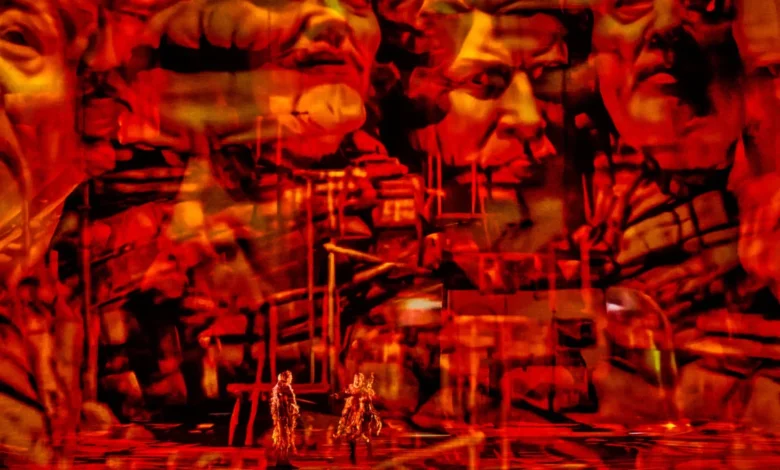
The morning preceding the performance of Siegfried at the 2026 Bayreuth Festival, the production’s designated curator, Marcus Lobbes, engaged in a public dialogue with Griffin Kaiser of the Wagner Society of New York. This Q&A session, intended to provide clarity on the conceptual framework of the current Ring cycle, instead underscored a growing divide between artistic intent and audience accessibility. In an era where the Bayreuth Festival—the bastion of Richard Wagner’s legacy—seeks to integrate cutting-edge technology and modern curatorial practices, the reliance on discursive intervention to explain a production’s internal logic raises fundamental questions regarding the self-sufficiency of contemporary stagecraft.
The Evolution of the Bayreuth Ring Cycle
The Bayreuth Festival has long served as a lightning rod for experimental theater. Since its inception in 1876, the festival has been defined by the tension between tradition and innovation. The "Ring of the Nibelung," a tetralogy spanning over 15 hours of music, remains the most formidable challenge in the operatic repertoire. In recent years, the festival’s administration has pivoted toward "curated" productions, moving away from traditional singular visions toward collaborative or technologically assisted frameworks.
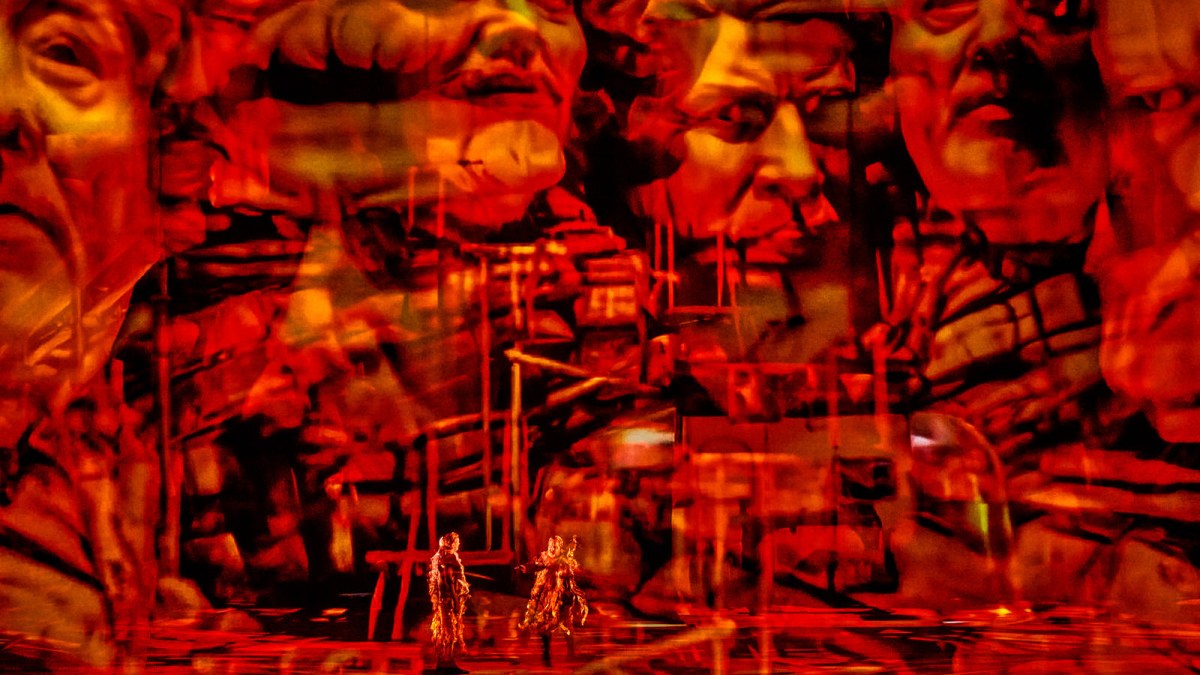
The 2026 iteration, which has garnered significant attention for its utilization of artificial intelligence in design and narrative structure, represents a departure from the "Regietheater" style that dominated the late 20th century. By incorporating algorithmic logic into the visual language of Siegfried, the festival aimed to reflect the complexity of Wagner’s mythos through a digital lens. However, the necessity of a pre-performance briefing suggests that the production’s abstract nature may have outpaced its ability to communicate directly with the audience through the performance itself.
Chronology of the 2026 Controversies
The path to the 2026 production was marked by several developmental milestones:
- January 2025: The Bayreuth Festival board announces a new approach to the Ring, emphasizing the "curator-director" model. Marcus Lobbes is appointed to oversee the integration of AI-driven scenic design.
- November 2025: Initial technical rehearsals reveal significant hurdles in synchronizing the generative visual elements with the live orchestral performance.
- July 2026: The festival opens with Rheingold, receiving polarized reviews from both local critics and international attendees.
- August 2026 (Siegfried morning): The public discussion between Marcus Lobbes and Griffin Kaiser takes place, highlighting the conceptual friction between the production’s intent and the audience’s reception.
Data and Artistic Integration
The integration of artificial intelligence into classical opera involves more than just aesthetic choices; it requires a fundamental shift in technical infrastructure. According to technical specifications provided by the festival, the 2026 production utilizes a closed-loop neural network to adjust lighting and projection mapping based on the real-time tempo of the orchestra.
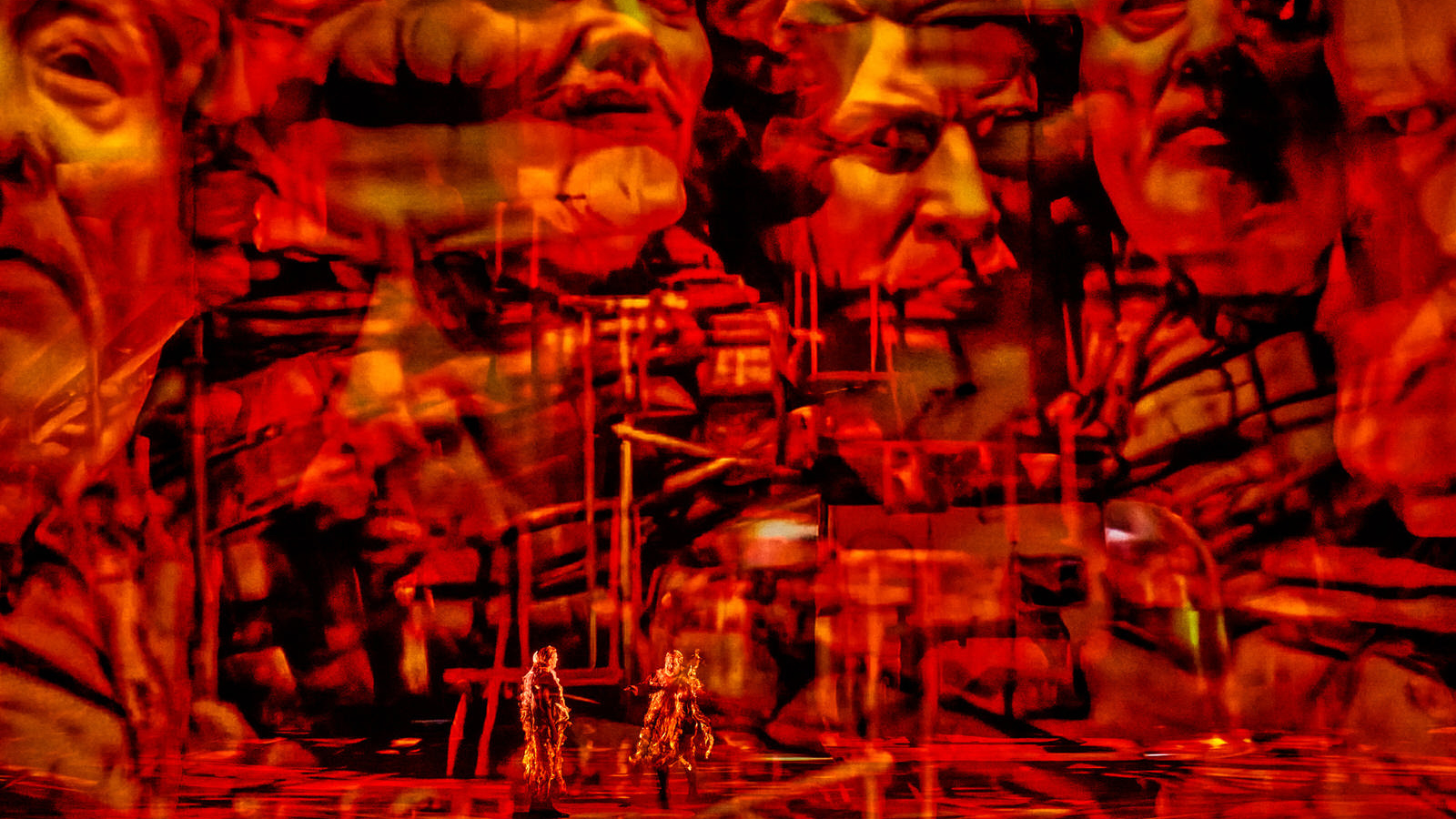
While these technological advancements are statistically impressive—reducing manual light-cues by 40% and increasing projection fidelity—they pose a challenge for traditional staging. The reliance on algorithmic generation means that no two performances are identical, creating an unpredictable environment for performers. Critics argue that this technological layer creates an "interpretative wall," necessitating the very discursive intervention that Lobbes provided during the Q&A.
The Role of the Curator in Modern Opera
The shift toward a "curated" production style—a term borrowed from the visual arts and museum studies—is relatively new to the world of opera. Traditionally, a director is responsible for the vision of a piece. In the curated model, the director acts as a facilitator, synthesizing various technological and artistic inputs.
In the case of Siegfried, Marcus Lobbes has argued that the curator’s role is to ensure that the "polyphony of meanings" within Wagner’s work remains intact. However, the criticism voiced by attendees and observers suggests that this approach risks alienating the core audience. When a work requires an external manual to navigate its semiotics, the internal narrative coherence is often compromised. In the history of the festival, successful productions have consistently managed to balance intellectual depth with visceral, intuitive impact. When the intellectual framework becomes the primary focus, the emotional resonance of the music—the soul of Wagner’s work—is frequently obscured.
Responses from the Wagnerian Community
The reaction from members of organizations such as the Wagner Society of New York has been mixed. Supporters of the new direction argue that Wagner himself was an innovator who sought to combine all arts—the "Gesamtkunstwerk"—and that embracing AI is merely the logical evolution of that pursuit. Opponents, however, contend that the "machine-made" elements lack the human fallibility that defines the drama of the Ring.
Official statements from the Bayreuth Festival management have maintained that the experiment is an essential step in keeping the repertoire relevant for a younger, tech-literate demographic. "Our objective," a festival spokesperson noted, "is not to replace the human element but to amplify the mythic dimensions of the Ring through tools that were previously unavailable."
Broader Implications for the Future of Bayreuth
The debate surrounding the 2026 Ring cycle is indicative of a broader crisis in high-art institutions. As technology becomes more pervasive, the pressure to adopt it often outweighs the artistic justification for doing so. If the primary goal of the Bayreuth Festival is to preserve and interpret the works of Richard Wagner, the criteria for success must be measured by how effectively the performance speaks to the human condition, rather than the sophistication of the backend code.
Furthermore, the reliance on pre-performance explanations to bridge the gap between production and audience creates an exclusionary environment. It implies that only those with access to the "curator’s notes" can fully appreciate the performance, potentially discouraging new audience members who seek an immediate, rather than academic, experience.
As the festival looks toward future seasons, it faces a critical choice: either double down on the high-concept, AI-integrated curatorial model or return to a focus on the narrative and musical clarity that characterized the festival’s most iconic, enduring productions.
Fact-Based Analysis: Artistry vs. Artifice
A brief analysis of the 2026 Siegfried reveals a distinct disconnect between the production’s technical execution and its narrative momentum. The "AI-Siegfried," while visually striking, often fails to respond to the pacing of the score. This latency, however minor, interrupts the dramatic flow of the third act, particularly during the awakening of Brünnhilde.
If a production requires the director to explain its themes—such as the nature of power, greed, and love—before the curtain rises, it effectively admits that these themes were not successfully communicated through the performance itself. The strength of the Ring, as a piece of dramatic art, lies in its ability to present these universal themes through characters that the audience can feel, understand, and judge for themselves.
Ultimately, the 2026 Bayreuth Festival serves as a case study for the risks of prioritizing institutional "innovation" over traditional artistic storytelling. While the digital landscape offers vast potential for the visual arts, its application in grand opera requires a delicate hand. Without a bridge between the digital intellect of the curator and the emotional experience of the audience, the festival risks turning its stage into a laboratory for conceptual art, losing the very thing that has kept Wagner’s works at the center of the cultural conversation for nearly 150 years.
The question remains: will the 2027 season continue this trend, or will the festival adjust its approach to ensure that the music remains the primary, rather than the secondary, element of the production? For now, the audience is left to navigate the intersection of myth and machine, with the "curator" as their only guide through a landscape that increasingly seems to prefer the abstract over the human.