The Yellowstone Effect: How the Taylor Sheridan Universe is Redefining the American Ranch Real Estate Market

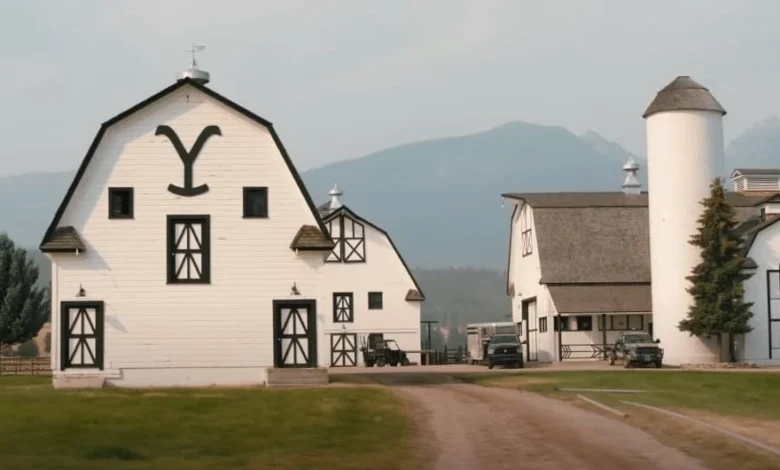
The cultural phenomenon known as the "Yellowstone Effect" has transcended the boundaries of television entertainment to become a primary driver in the United States real estate market, specifically within the luxury ranch sector. What began as a popular drama series centered on the fictional Dutton family’s struggle to protect their Montana empire has evolved into a significant economic force, reshaping the demographics and pricing structures of rural land across the American West. According to recent data, the surge in interest in the western lifestyle has led to a dramatic appreciation in property values, with ranch prices significantly outpacing the growth seen in traditional residential real estate over the past decade.
The influence of Taylor Sheridan, the prolific creator behind Yellowstone and its various prequels and spin-offs, cannot be overstated. His cinematic portrayal of the "Big Sky" country has introduced millions of viewers to the aesthetics of rugged individualism and the romanticized allure of the frontier. This exposure has translated into a tangible market shift. Data from Realtor.com’s Luxury Housing Report reveals that over the last ten years, the median price for a ranch property in the United States has skyrocketed by 112%. In contrast, the median price for traditional residential homes increased by 66% during the same period. This nearly twofold difference highlights a specialized demand for land that offers not just a residence, but a lifestyle rooted in the heritage of the American West.
The Cultural Catalyst: From Screen to Soil
The rise of the "Yellowstone" television empire coincided with a broader societal shift toward rural migration, a trend that was further accelerated by the global pandemic. Shows such as Yellowstone, 1883, 1923, and the upcoming The Madison have provided a visual blueprint for a life away from urban congestion. These programs emphasize sweeping landscapes, architectural grandeur in the form of log-and-stone lodges, and the intrinsic value of land ownership.
Anthony Smith, a senior economist for Realtor.com, notes that this trend is a direct result of media influence. "Ranch properties aren’t just riding the broader housing market up: They’re outpacing it by a significant margin," Smith stated. He explained that western-style ranches have seen a surge in popularity due to the multitude of television series depicting ranch life. These shows have introduced ranch culture to a broader audience, captivating viewers who fell in love with the scenery and the rugged lifestyle long before they ever considered the logistics of owning such a property themselves.
This cultural immersion has created a new class of "lifestyle buyers"—individuals who may not have a background in agriculture or livestock management but are drawn to the prestige and privacy afforded by large-scale acreage. The result is a market where land is increasingly viewed as a luxury asset rather than a purely functional agricultural resource.
Market Dynamics and the Luxury Ranch Boom
The 112% increase in ranch prices reflects a tightening market where supply remains limited while demand continues to expand. Unlike suburban developments where new housing can be built relatively quickly, the supply of authentic ranch land is finite. This scarcity, combined with the influx of high-net-worth individuals, has created a competitive environment often characterized by cash offers and rapid sales.
Real estate professionals in key western hubs have observed this shift firsthand. Don Davis of Douglas Elliman Dallas highlighted the impact of Sheridan’s newer projects, such as Landman, which focuses on the energy industry and ranching in Texas. "We’ve definitely noticed increased interest since shows like Yellowstone and, more recently, Landman brought ranch ownership and the energy industry into mainstream conversation," Davis told Realtor.com. He noted that the cultural influence of these shows has made a significant impact, with clients specifically citing the television portrayals as the inspiration for their desire to own rural land.
The trend is not limited to Montana. States like Texas, Wyoming, Colorado, and Idaho have all seen similar spikes in interest. In these regions, the "Yellowstone" aesthetic—characterized by high-end interior design within a rustic framework—has become a selling point. Properties that feature "Dutton-esque" amenities, such as professional-grade kitchens, equestrian facilities, and expansive mountain views, are fetching record-breaking prices.
A Timeline of the Yellowstone Impact
The trajectory of the ranch real estate market can be mapped alongside the release schedule of Taylor Sheridan’s projects:
- 2018: The Debut of Yellowstone: The series premieres on the Paramount Network. While initially a sleeper hit, it quickly gains a massive following, particularly in the midwest and mountain regions.
- 2020-2021: The Pandemic Shift: As urban dwellers seek escape from COVID-19 restrictions, the "Yellowstone" lifestyle becomes a symbol of freedom. This period marks the beginning of the steepest climb in ranch valuations.
- 2021-2022: Expansion of the Universe: The release of the prequel 1883 further cements the historical allure of the West. Real estate markets in Montana and Texas report record-low inventory.
- 2023-2024: Diversification of the Genre: With 1923 and the announcement of Landman and The Madison, the focus expands from traditional cattle ranching to include the oil industry and modern luxury living. This broadens the appeal to a wider range of investors.
Throughout this timeline, the "Yellowstone Effect" has functioned as a continuous marketing campaign for the American West, turning states that were once considered "flyover country" into some of the most desirable real estate destinations in the world.
Celebrity Influence and the New Frontiersmen
The trend is further bolstered by the actions of the stars themselves. Cast members of the Yellowstone franchise have mirrored their on-screen personas by investing in the very lifestyle they portray. Cole Hauser, who plays the fan-favorite character Rip Wheeler, and Luke Grimes, who portrays Kayce Dutton, have both made significant moves into the ranching world.
While Hauser recently sold a California property to focus on his brand and western ventures, Luke Grimes has established a permanent residence in Montana. However, this transition has not been without its challenges. Grimes has spoken openly about the friction between newcomers and long-term residents. He recounted an incident where friends visiting from California had the words "go back" written in the dust on their car after a hike.
"People are super weird about it, so I don’t tell anyone exactly where I’m at because they would get really mad at me," Grimes admitted. This anecdote highlights the growing tension in Western states as the influx of "Yellowstone" fans drives up the cost of living, making it increasingly difficult for local families and traditional ranchers to maintain their way of life.
Socio-Economic Implications and Local Backlash
While the "Yellowstone Effect" has been a boon for property owners looking to sell and for the luxury real estate industry, it has created significant challenges for local communities. The rapid appreciation of land values has led to a corresponding increase in property taxes, often pricing out the very people who have worked the land for generations.
In Montana, the influx of wealthy out-of-state buyers has led to what some locals call the "gentrification of the wilderness." Small towns that once supported a modest agricultural economy are now seeing the rise of high-end boutiques, expensive restaurants, and gated communities. This shift often results in a loss of community identity and a strain on local infrastructure that was not designed for such rapid growth.
Furthermore, there are environmental concerns regarding the fragmentation of land. When large working ranches are sold and divided into smaller "hobby ranches" or luxury estates, it can disrupt wildlife corridors and complicate water rights management—a critical issue in the arid West. The transition from productive agricultural land to recreational property also has implications for the regional food supply and the stability of the traditional ranching economy.
Analysis: The Future of the Ranch Market
As the Taylor Sheridan universe continues to expand, the question remains whether the ranch real estate market is in a bubble or if this represents a permanent shift in American property values. Analysts suggest that while the frantic pace of the post-pandemic market may stabilize, the underlying demand for land as a "safe-haven asset" is likely to persist.
Ranches offer a unique combination of privacy, tangible utility, and historical prestige that traditional luxury homes in suburban or urban environments cannot match. For the modern ultra-high-net-worth individual, a ranch is more than just a home; it is a legacy property. This shift in perception suggests that the high valuations seen in Montana, Texas, and Wyoming may become the new baseline.
However, the "Yellowstone Effect" also serves as a cautionary tale about the power of media to transform regional economies. The romanticization of the West has brought much-needed investment to some areas, but it has also created a cultural and economic divide that will take years to navigate. As long as audiences remain captivated by the dramas unfolding on the Dutton Ranch, the real-world scramble for a piece of the American West is unlikely to slow down.
In conclusion, the 112% rise in ranch prices is a testament to the enduring power of the Western mythos, modernized and repackaged for a contemporary audience by Taylor Sheridan. While the television shows provide an escape for viewers, the economic reality they have fostered is very real, turning the quiet landscapes of the West into one of the most volatile and high-stakes sectors of the American real estate market. The "Yellowstone Effect" has ensured that the West is no longer a secret, but a premium commodity.
Related posts: