Almost Monday’s THANK GOD IT’S ALMOST MONDAY: Dancing the darkness away with simplistic, summery style – Indie is not a genre

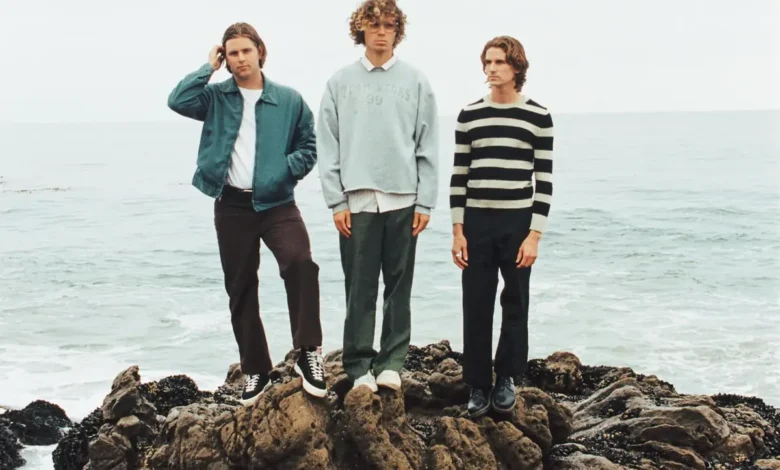
The San Diego-based trio—consisting of vocalist Dawson Daugherty, guitarist Cole Clisby, and bassist Luke Fabry—have positioned this 13-track collection as a sonic reflection of a transformative period in their careers. Following the release of their 2024 debut album, Dive, the band has characterized the production of this new project as being crafted during “the best and worst year of our lives.” This juxtaposition of personal turmoil and professional growth serves as the thematic anchor for the record, which blends indie-pop sensibilities with classic funk, electronic flourishes, and 70s rock aesthetics.
Chronology and Development
The trajectory of Almost Monday has been marked by a steady rise within the indie-pop sphere since their formation in 2015. After garnering attention with their early EPs, the group spent the better part of 2023 and early 2024 in the studio, navigating the transition from their debut album to the more refined, eclectic sound presented in THANK GOD IT’S ALMOST MONDAY.
The album’s development was characterized by a period of intense experimentation. According to the band, the recording process was intended to mirror the unpredictability of their lived experiences during the past 12 months. The album rollout began in the lead-up to the September 9 release, with the band utilizing a series of singles and social media campaigns to highlight their evolving musical palette. By the time the full record arrived, it was clear that the trio intended to move beyond the surf-pop roots of their earlier work toward a more complex, genre-defying soundscape.
Musical Composition and Technical Analysis
The album opens with the title track, “Thank God It’s Almost Monday,” which serves as a bridge between silence and the record’s sonic identity. It utilizes an old-school hip-hop flow, characterized by brassy horns and a prominent funk bassline from Luke Fabry. This sets a tone of “happy-sad” sentimentality, a recurring motif throughout the project.
As the album progresses, tracks such as “Delicate” and “Class A” showcase the band’s attempt to marry catchy pop hooks with more sophisticated, sometimes humorous lyricism. In “Delicate,” Daugherty’s talk-singing delivery highlights a sense of “smitten awkwardness,” while “Class A” utilizes a play on words to suggest both a high-sophistication personality and the dangerous, addictive nature of a romantic interest.
The mid-album section sees the band leaning into electronic textures. “No More Regrets” features dry, percussive guitar work from Clisby, transitioning into a Daft Punk-inspired electronic bridge. Similarly, “Superprism” acts as a corrective for the album’s early lack of key variation, introducing complex musical flourishes, falsetto vocal registers, and a snappy, rhythmic structure that elevates the overall energy.
However, the album is not without its moments of repetitive familiarity. Songs like “Losing Streak” and “Leaving Is Easy” demonstrate the band’s mastery of indie tropes—incorporating steel pedal, marimba, and acoustic arrangements—but occasionally struggle to distinguish themselves from the legacy sounds of acts like The Beatles or Fleetwood Mac. While these tracks are technically proficient, they highlight a challenge the band faces in maintaining a consistent identity while drawing from a vast pool of historical influences.
Production and Stylistic Trends
A key feature of the album is the band’s commitment to high-fidelity production. The latter half of the record, specifically “Skinny Dip” and “French Kids,” leans into a more polished, cinematic aesthetic. “Skinny Dip” evokes the atmosphere of a coming-of-age film, utilizing nostalgic lyricism and an electric, driving energy. “French Kids” stands out as a technical high point, with Daugherty executing precise, staccato vocal delivery over a disco-techno production.
The album concludes with “Better Late Than Never,” a track that synthesizes the warmth and clarity of the preceding songs into a climactic finish. With its prominent synth work and percussion, it acts as a showcase for the band’s live performance capabilities, leaving listeners with a sense of resolved, summery optimism.
Industry Context and Market Positioning
The release of THANK GOD IT’S ALMOST MONDAY comes at a time when indie-pop is undergoing a shift toward more hybrid, genre-fluid sounds. Almost Monday’s ability to weave funk, disco, and 70s rock into a coherent, radio-friendly package positions them well within the current streaming landscape.
Market analysts note that for a band in its sophomore phase, the pressure to evolve while maintaining an established fan base is significant. The “same-song syndrome” identified by some critics suggests that while the band has successfully honed its aesthetic, there remains a creative opportunity to push further into experimental territory. Despite this, the band’s commitment to “bold musicality” and their focus on emotional resonance through lyrical transparency have ensured that the album maintains a strong connection with their core audience.
Official Statements and Artistic Intent
While the band has not issued a formal press release detailing every lyric, their collective statements regarding the album’s creation emphasize a desire for authenticity. By labeling the album as a byproduct of their “best and worst year,” they have invited listeners to interpret the record as a diary of sorts. The thematic consistency—balancing the weight of personal struggle with the levity of pop-funk—suggests that the band sees their music as a tool for catharsis, both for themselves and for their listeners.
Broader Implications and Future Outlook
The implications of this album for Almost Monday’s career are clear: they have successfully graduated from their initial surf-pop phase and are now operating as a more mature, studio-conscious act. The technical precision of tracks like “French Kids” suggests a trajectory toward more complex, perhaps even experimental, future projects.
However, the challenge moving forward will be to break free from the “safe” sounds that occasionally permeate this record. To ensure long-term sustainability in the music industry, the band will likely need to continue diversifying their sonic influences. The success of this album—measured by its ability to hold a listener’s attention through its 13-track run—indicates that they have the foundation to do so.
In the broader context of the 2024 music scene, THANK GOD IT’S ALMOST MONDAY stands as a testament to the band’s work ethic and their dedication to the craft of songwriting. Whether or not the album achieves massive commercial breakthrough, it serves as a critical milestone in the band’s development, marking a clear point of departure from their past and a hopeful look toward their creative future.
Summary of Track-by-Track Reception
- Opening: “Thank God It’s Almost Monday” successfully establishes a funk-hip-hop hybrid tone.
- Mid-section: “Class A” and “Superprism” offer the highest levels of lyrical and instrumental creativity.
- Transition: “Fade” provides a strong ballad moment, though it highlights the need for more vocal restraint in certain registers.
- Closing: “Better Late Than Never” provides a high-energy conclusion, cementing the band’s reputation as a strong live act.
The album’s ultimate strength lies in its warmth and its refusal to dwell entirely in the “worst” of the “best and worst year” of the band’s lives. By choosing to frame their experience through the lens of energetic, summer-leaning pop, Almost Monday has delivered a project that is as much an invitation to dance as it is a document of personal growth. As they move into their next phase, the band is well-positioned to leverage the technical skills showcased here to further define their unique place within the global music landscape.