Kojey Radical navigates the pressure of critical acclaim and artistic evolution on his latest album Don’t Look Down

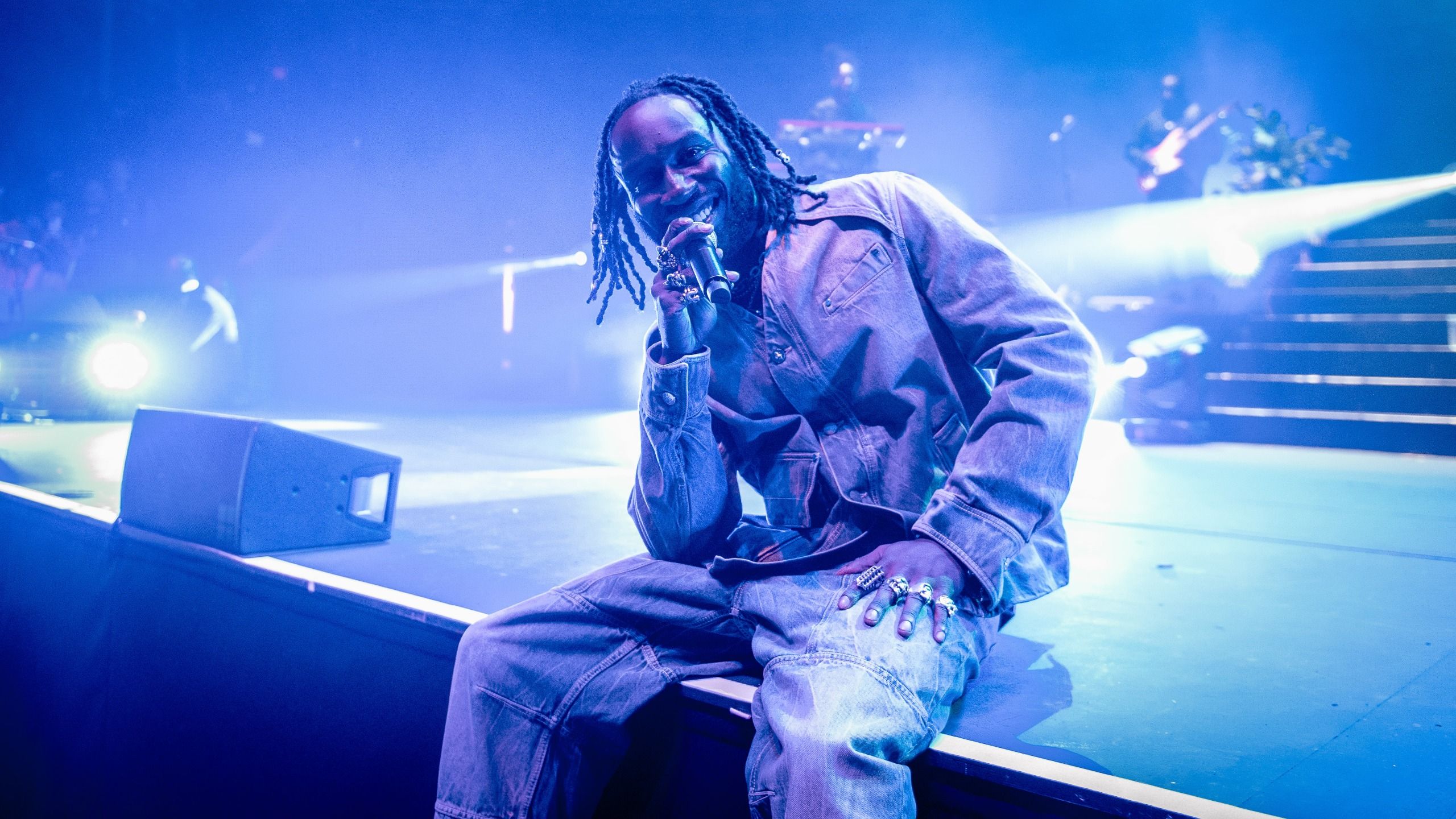
The existential question posed by London-born rapper and poet Kojey Radical—"What do you do when you have the world at your feet?"—serves as both the thematic cornerstone and the emotional catalyst for his latest studio project, Don’t Look Down. Released to significant industry anticipation, the album represents a pivotal juncture in an artist’s career, capturing the tension between sustained commercial growth and the internal quest for creative authenticity. Having earned widespread recognition for his previous work, including a Mercury Prize nomination for his 2022 debut Reason to Smile, Radical’s latest effort finds him grappling with the weight of expectation while transitioning into a new decade of his life and fatherhood.
The Genesis of a Collaborative Vision
The production of Don’t Look Down was an expansive, multi-year undertaking that relied on a deliberate "process of discovery" rather than a rigid, predetermined blueprint. At the helm of this operation were UK producer Swindle, known for his work across the pirate radio circuit and film scoring, and New Zealand-born guitar virtuoso Ashton Sellars, whose credits include collaborations with global stars such as Burna Boy and Chance the Rapper.
The collaboration began as a series of songwriting camps—a departure from the isolated, digital-first production methods prevalent in modern hip-hop. According to Swindle, the initial two-day session evolved into a two-and-a-half-year creative journey. "We were throwing paint at the wall until the picture started to take shape," Sellars explained, emphasizing the necessity of an open, collaborative environment. This approach allowed for the inclusion of a vast network of contributors, ranging from Ezra Collective’s Femi Koleoso to artists like MNEK, Ghetts, and Benjamin AD, all of whom helped cultivate the album’s genre-fluid sound.
Technical Craftsmanship and Studio Environment
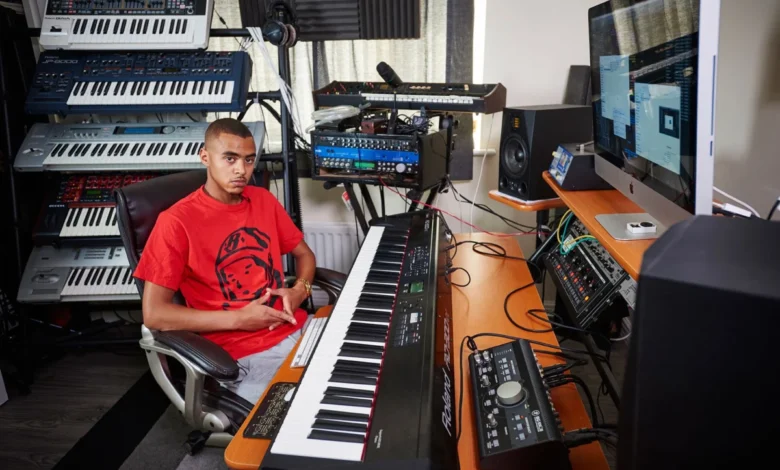
The sonic architecture of Don’t Look Down is built on a foundation of organic instrumentation, recorded primarily at the storied Abbey Road Studios and Decoy Studios in Suffolk. The production team consciously pivoted away from sample-heavy workflows, favoring traditional recording techniques that lent the project a sense of warmth and kinetic energy.
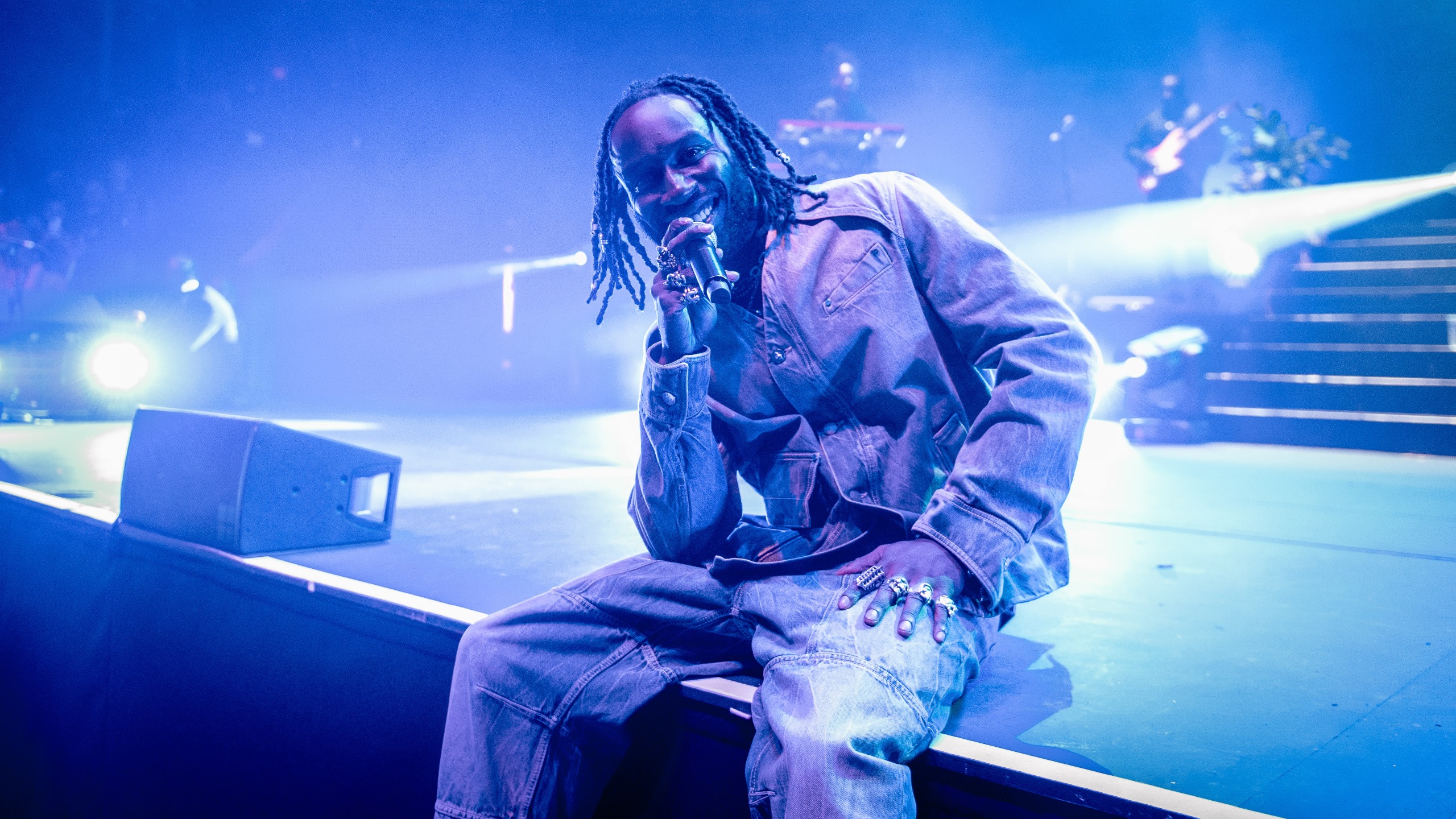
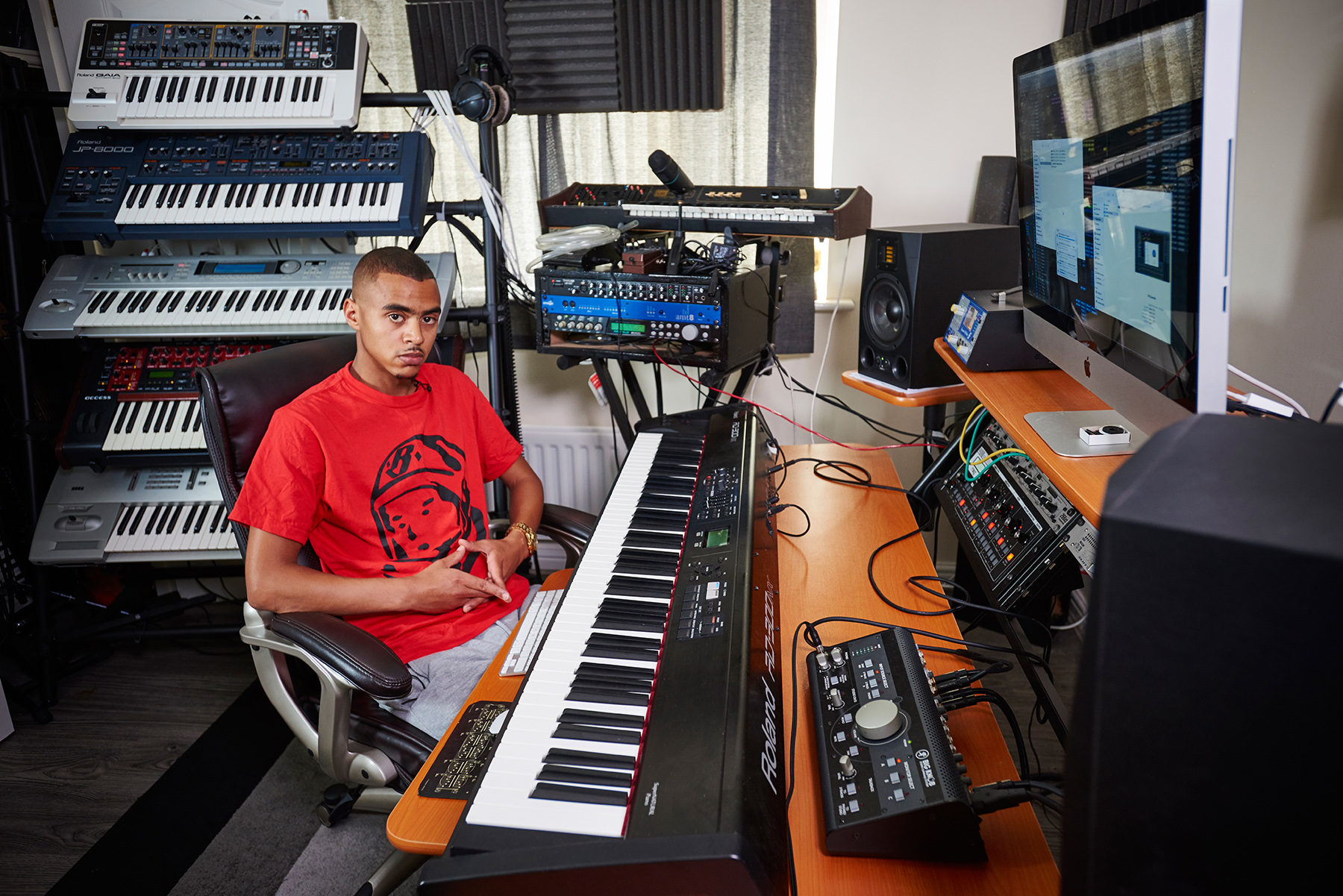
Technical documentation of the sessions highlights a reliance on both vintage analog equipment and modern signal processing. The Moog Source, a synthesizer iconic for its role in 1980s new wave, was utilized as a primary tool for bass synthesis, continuing a sonic thread established in Radical’s earlier work. To capture the nuance of Radical’s vocal delivery, the team utilized a Neumann U87 microphone paired with a dbx 160 compressor—a combination famously employed on Dr. Dre’s 2001.
"It was stripped-back," says Sellars. "We weren’t relying on Splice or modern software shortcuts; we wanted to capture the air in the room." This commitment to "producing the environment" was furthered by the unconventional decision to record a live party, integrating ambient crowd noise and hubbub as a continuous sonic thread throughout the 16-track record. This narrative "glue" provides a cohesive backdrop, grounding the listener in the thematic house-party setting while mirroring the artist’s internal dialogue.
A Chronology of Artistic Progression
Kojey Radical’s trajectory from a visual artist and poet to a Mercury-nominated recording artist has been characterized by a steady increase in thematic complexity.
- 2022: Radical releases Reason to Smile, which receives critical acclaim and a Mercury Prize nomination. This established his reputation for blending jazz, R&B, and hip-hop.
- 2023: Initial songwriting sessions for the follow-up begin. The focus shifts toward building a core team, bringing in Swindle and Ashton Sellars.
- 2024: The "camp" model of production intensifies, with extended sessions at Abbey Road Studios to record orchestral and choral elements.
- 2025: Post-production and mixing phases are completed, with a focus on integrating the live party audio beds.
- 2026: Don’t Look Down is released to critical praise and earns a second Mercury Prize nomination, cementing Radical’s status as a fixture in the UK contemporary music scene.
Industry Implications and the Mercury Prize Context
The 2026 Mercury Prize ceremony, where Don’t Look Down was shortlisted, served as a platform for evaluating the current state of British music. While the award ultimately went to Raye for This Music May Contain Hope, the nomination itself remains a significant metric of artistic influence. For industry observers, Radical’s inclusion in the shortlist for the second time highlights a shift toward artists who prioritize long-form, cohesive album narratives over single-driven success.

Both Swindle and Sellars maintain that the focus remains on the process rather than the accolades. "It’s our second time around, which feels significant," Swindle noted during an interview prior to the event. "But I haven’t thought about winning or losing. I’m just happy to be here." For Sellars, the nomination represents a personal milestone, given the distance between his musical roots in New Zealand and the epicenter of the UK industry.
The Role of the Producer in Modern Music
The production approach adopted by Swindle and Sellars offers a blueprint for modern music-making that balances hierarchy with creative freedom. In a landscape often defined by isolated, "spot-session" recordings, the team’s emphasis on "producing the environment" suggests that the human chemistry between creators is as vital as the hardware in the studio.
By prioritizing the artist’s internal narrative—the pressures of parenthood, the anxieties of newfound success, and the transition into a new life stage—the production team elevated the project beyond simple genre-blending. The decision to use Chase Bliss Mood and Lossy pedals for transitional effects, and the reliance on Sellars’ signature Gibson ES-335, allowed for a textural depth that is increasingly rare in digital-heavy productions.
Looking Ahead
The legacy of Don’t Look Down may well be its demonstration that technical proficiency, when paired with a patient and collaborative studio ethos, can produce a resonant cultural statement. As Radical navigates the aftermath of the release, the industry continues to watch his evolution.
For aspiring musicians, the lessons provided by the production team are clear: resilience and the ability to cultivate an environment that fosters creativity are paramount. As Swindle advises, the removal of the pressure to make every idea a "masterpiece" allows for the spontaneity required to create truly groundbreaking work.
With Don’t Look Down now firmly in the public domain, the album serves as a definitive marker of an artist who has successfully transitioned from a rising star to an established voice in contemporary music. It stands as a testament to the fact that when an artist has the world at their feet, the most courageous act is not to look down, but to continue moving forward with the same collaborative energy that defined the creation of the record itself.