Morley x DOD Wah-ocTo-Fuzz Pedal: A Bold Collaboration Redefining Sonic Boundaries

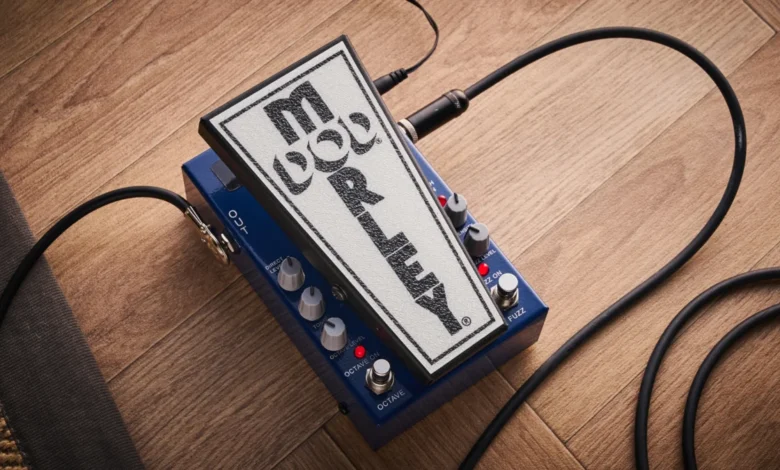
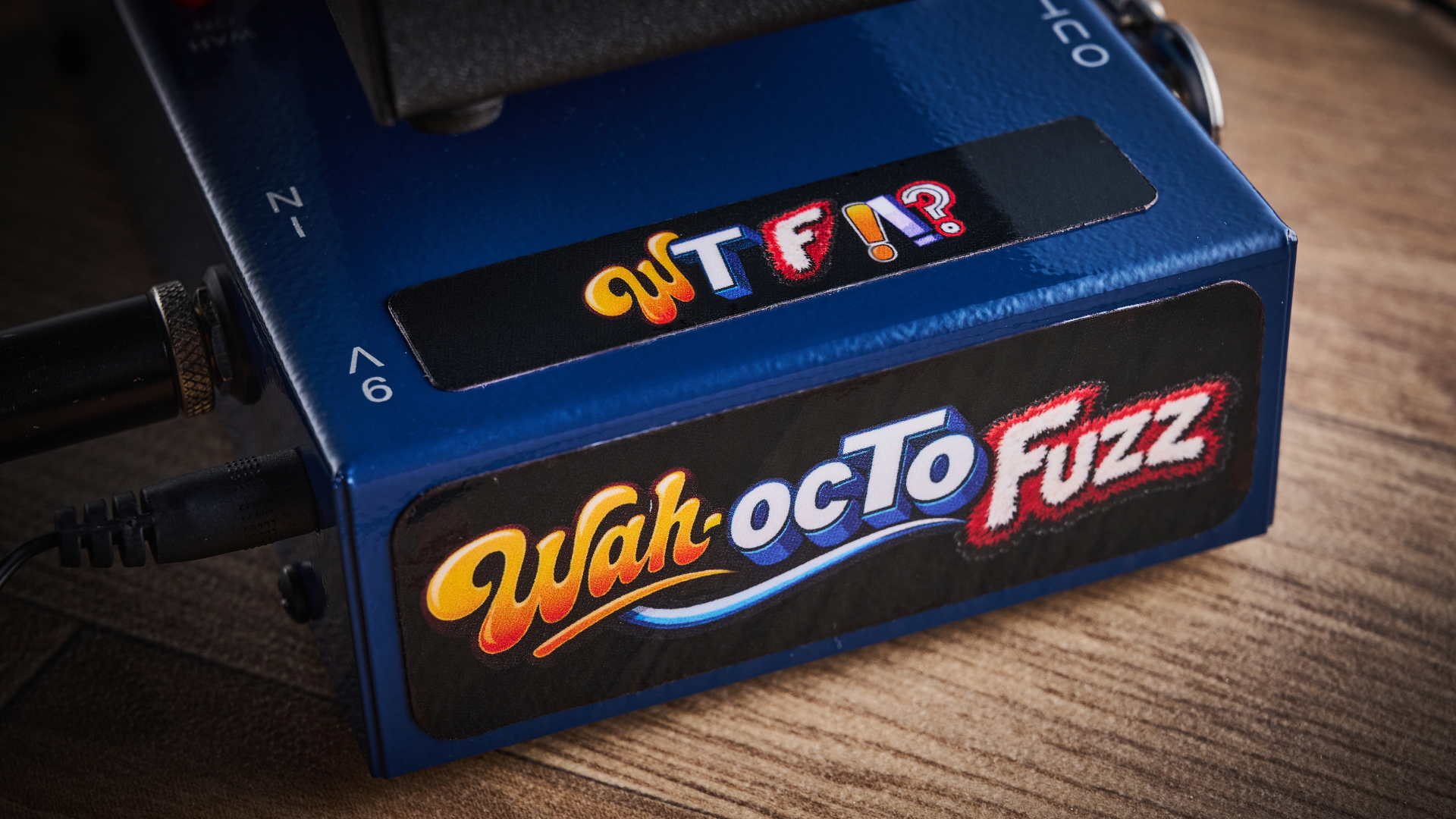
In the ever-evolving landscape of guitar effects pedals, collaborations between established brands often signal exciting new avenues for sonic exploration. The latest such venture, the Morley x DOD Wah-ocTo-Fuzz, stands as a testament to this trend, bringing together two iconic names in pedal history to forge a singular stompbox that is as unconventional as it is captivating. This audacious fusion, aptly named the WTF, meticulously integrates a classic Morley wah, a revered DOD octave circuit, and a robust Morley fuzz into a single, formidable unit. The result is a pedal that defies easy categorization, offering a playground of textures that can be both wildly experimental and surprisingly musical.
The genesis of such a partnership can be traced to a growing industry trend where pedal manufacturers, recognizing the distinct strengths of their counterparts, have begun to forge strategic alliances. Notable examples include the highly anticipated Boss and JHS Angry Driver, the unhinged Chase Bliss and Z-VEX Bliss Factory, and the sought-after MXR and Analog Man Duke of Tone. These collaborations highlight a shared desire to innovate by combining unique circuit designs and brand legacies. The Morley x DOD union, however, injects a fresh wave of anticipation, as it unites the electro-optical wah mastery of Morley with the cult-classic analog grit of DOD.
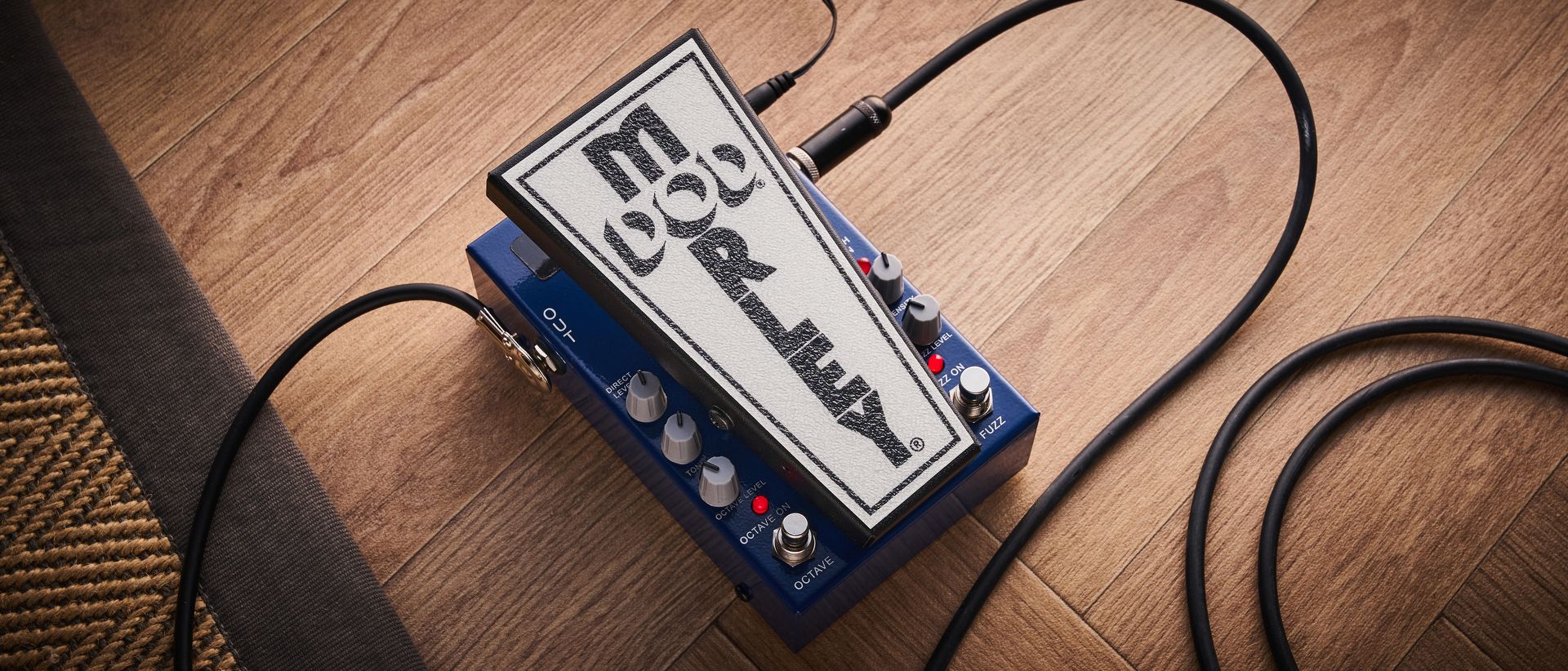
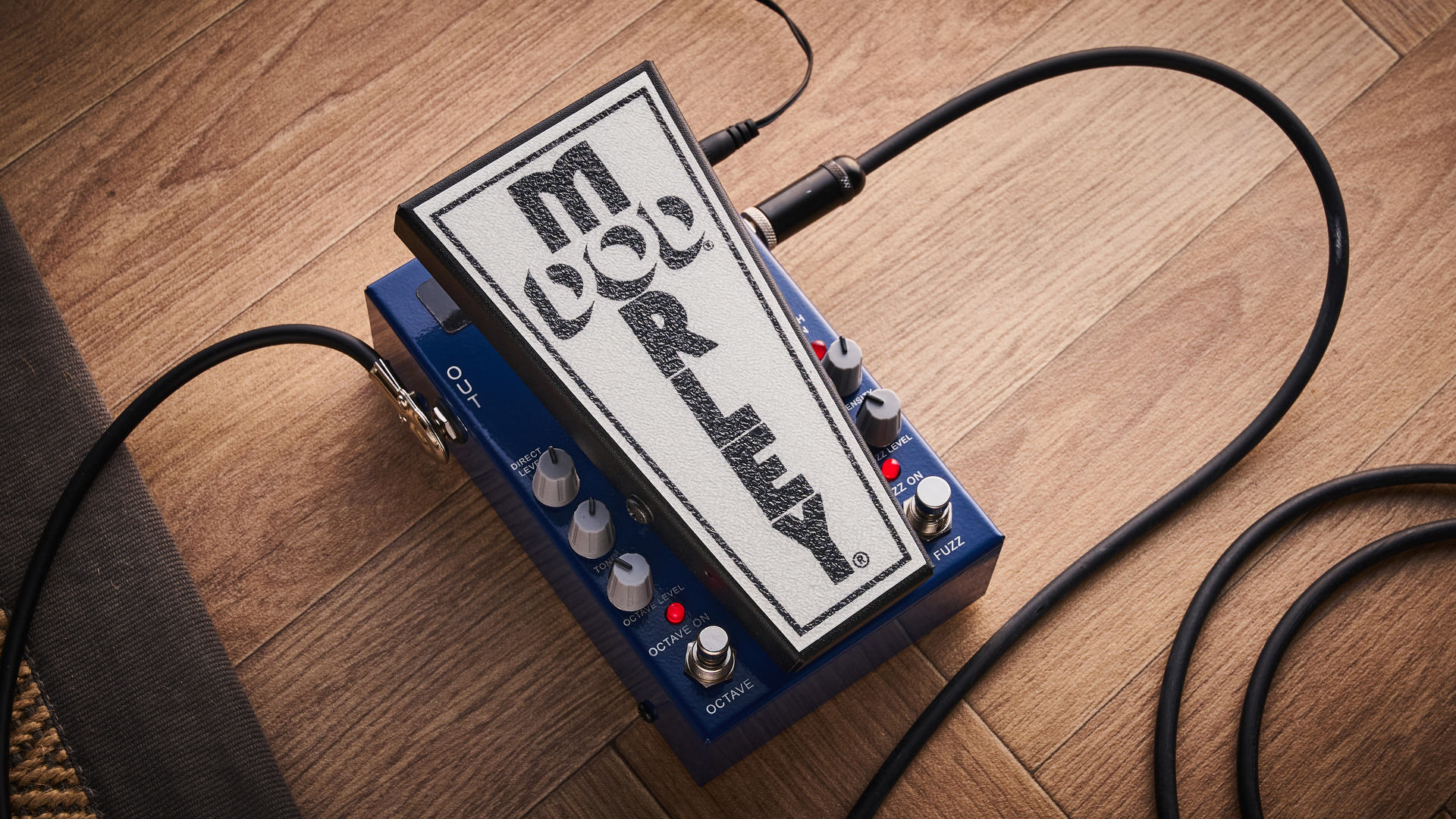
At its core, the WTF is built upon the foundation of Morley’s renowned wah pedal chassis. This immediately signals a commitment to durability and ease of use, hallmarks of Morley’s design philosophy. The pedal features Morley’s signature electro-optical technology, eliminating the need for a potentiometer in the wah circuit. This translates to a seamless, switchless operation, where engaging the wah is as simple as applying pressure to the treadle. This approach not only enhances playability by allowing guitarists to focus more on their performance and less on intricate footwork but also offers a significant advantage in terms of longevity, bypassing the wear and tear associated with traditional wah potentiometers that can become scratchy or fail over time due to dust and usage. The inclusion of a glow-in-the-dark treadle strip further enhances its practicality, ensuring visibility and accurate foot placement even in dimly lit stage environments.
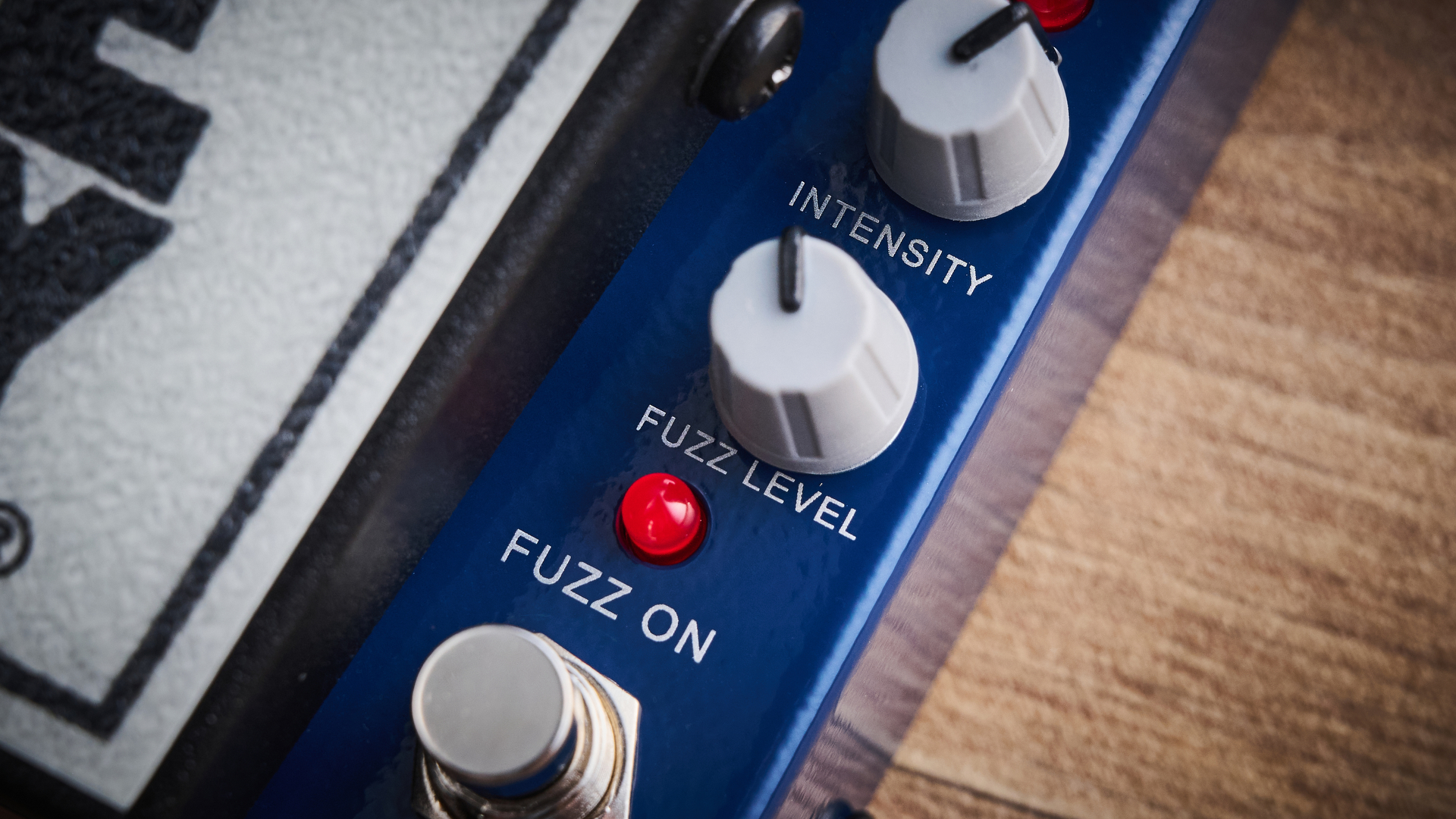
The fuzz component of the WTF draws from Morley’s esteemed Power Fuzz circuit, a design that has a storied history, notably used by bass legend Cliff Burton of Metallica during the 1970s. This circuit is known for its distinctive ’70s-inspired gain character, offering a raspy and unapologetic sonic output. The fuzz section is controlled by two primary knobs: Level, for precise volume adjustments, and Intensity, to dial in the desired amount of saturation and grit. While these controls offer a solid foundation for fuzz tones, the absence of a dedicated tone knob might be a slight limitation for some users, particularly those seeking to sculpt the brighter, sometimes brittle, frequencies inherent in fuzz pedals. However, the intensity of the fuzz is designed to cut through a mix with its sharp highs and assertive bite.
The octave functionality is a direct tribute to the cult-classic DOD FX35 Octoplus. This monophonic sub-octave pedal, discontinued in 1994, has garnered a dedicated following for its thick, synth-like, and gloriously glitchy low-end character. Its reputation precedes it, with rumors suggesting it was a key element in achieving Alain Johannes’ distinctive detuned sound on Eleven’s "Reach Out." The Octoplus circuit is celebrated for its analog warmth and its propensity for adding a unique, almost unpredictable texture to single notes and riffs. The WTF faithfully recreates this characteristic, offering a control set that includes Octave Level, Tone, and Direct Level. This triumvirate of controls provides a nuanced approach to octave manipulation, allowing players to blend the prominent sub-octave signal with their clean guitar tone, preserving the fundamental character of their instrument while adding a rich, low-end foundation. The tone control on the octaver further refines the overall sound, allowing for precise adjustments to the high-frequency content of the octave effect.
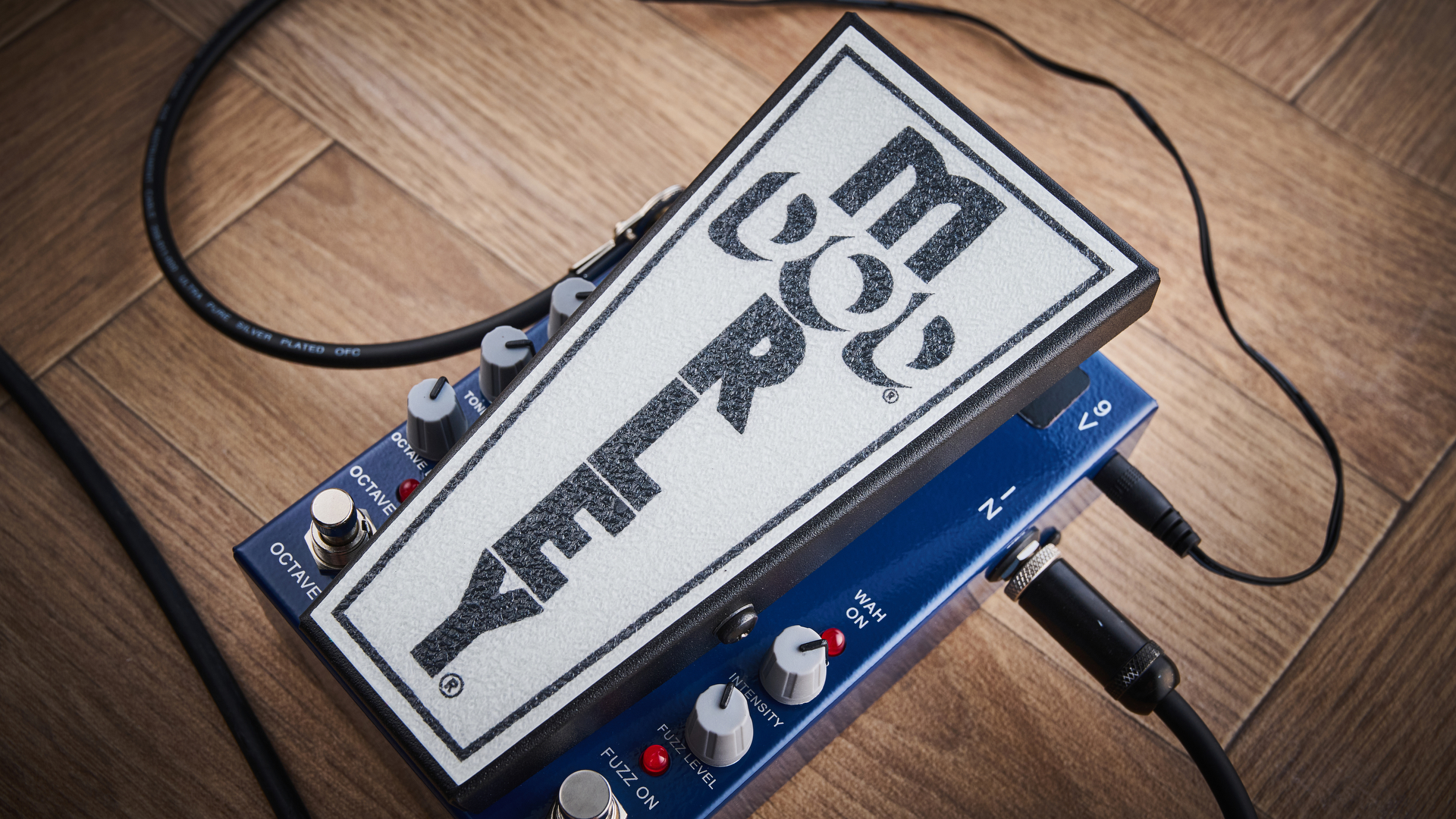
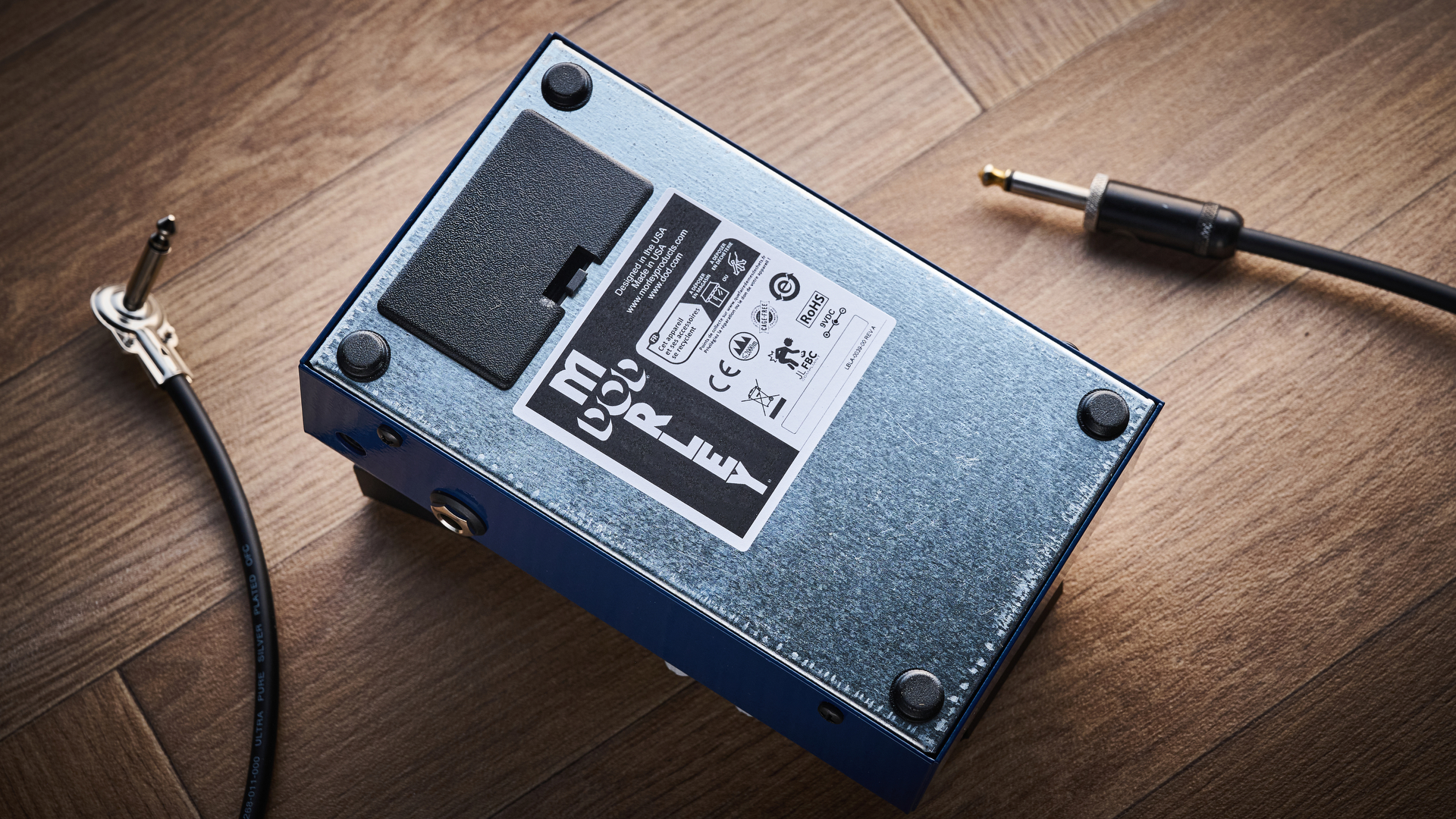
The enclosure itself is a striking navy blue, cold-rolled steel casing, a deliberate nod to classic DOD aesthetics. This choice of material and color scheme not only pays homage to DOD’s heritage but also contributes to the pedal’s robust build quality. Standard 1/4-inch input and output jacks are present, ensuring compatibility with virtually any pedalboard setup. Power can be supplied via a 9V battery or a standard pedalboard power supply, offering flexibility for different playing scenarios. The pedal also features a buffered bypass, which helps to maintain signal integrity, especially when multiple true-bypass pedals are chained together.
Build Quality: A Foundation of Reliability
The Morley x DOD Wah-ocTo-Fuzz is, by all accounts, built to last. Morley’s reputation for constructing pedals "like a small tank" is well-earned, and the WTF is no exception. The robust rolled-steel casing, coupled with the densely packed triple-effect circuitry, results in a unit that feels substantial and durable. Its presence on a pedalboard is undeniable, both physically and sonically. The navy blue finish, reminiscent of vintage DOD designs, adds a layer of retro cool that appeals to enthusiasts of classic gear.
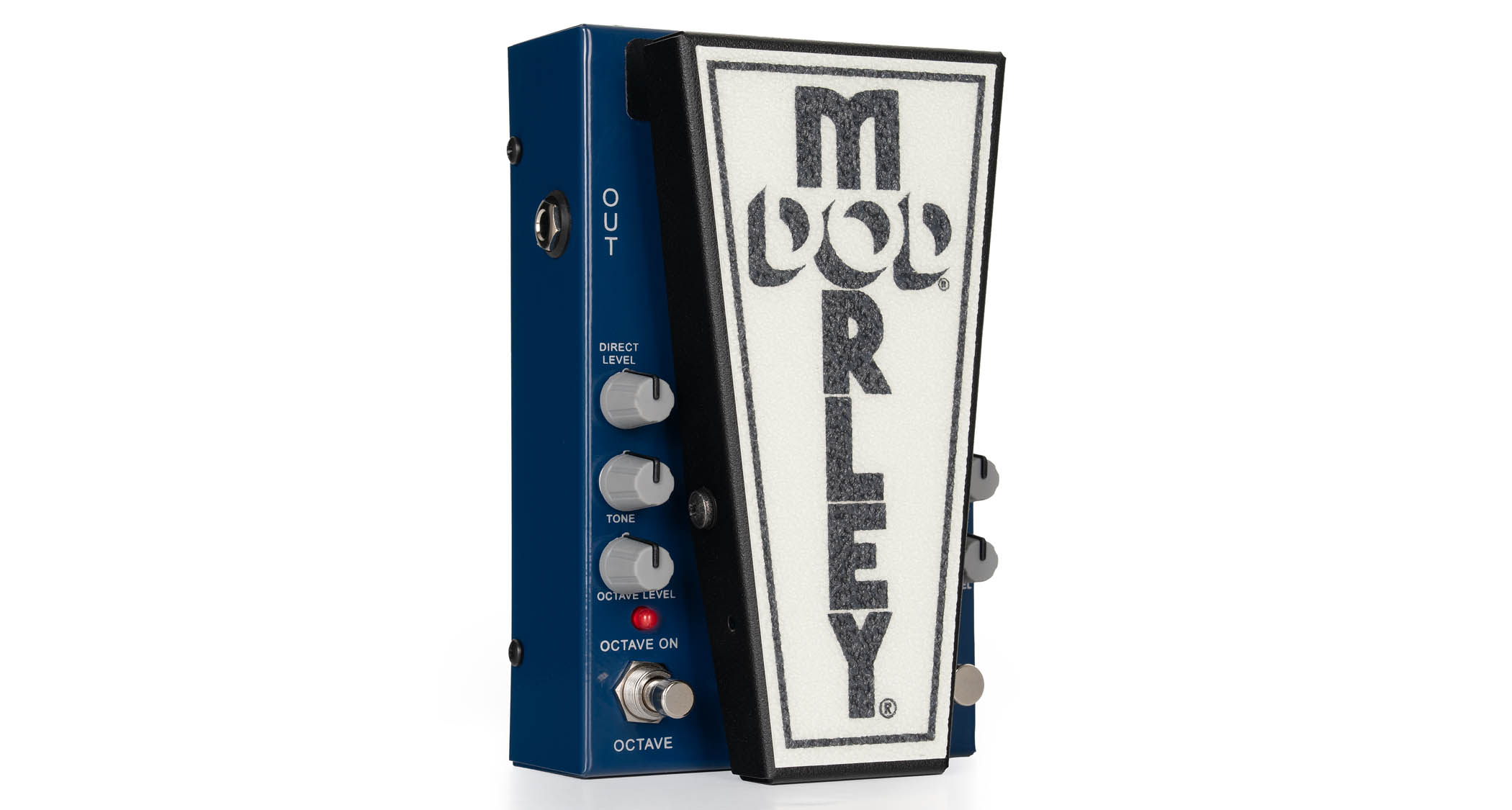
However, the pedal’s substantial build does come with a few ergonomic considerations. It is notably chunky and can be somewhat tall compared to standard wah pedals. This can lead to a different feel underfoot, especially for players accustomed to lower-profile designs. Furthermore, the spring-loaded nature of the treadle means it returns to the heel-down position when pressure is released, a feature that enhances the wah effect but might require some adjustment for those used to mechanically held treadles.
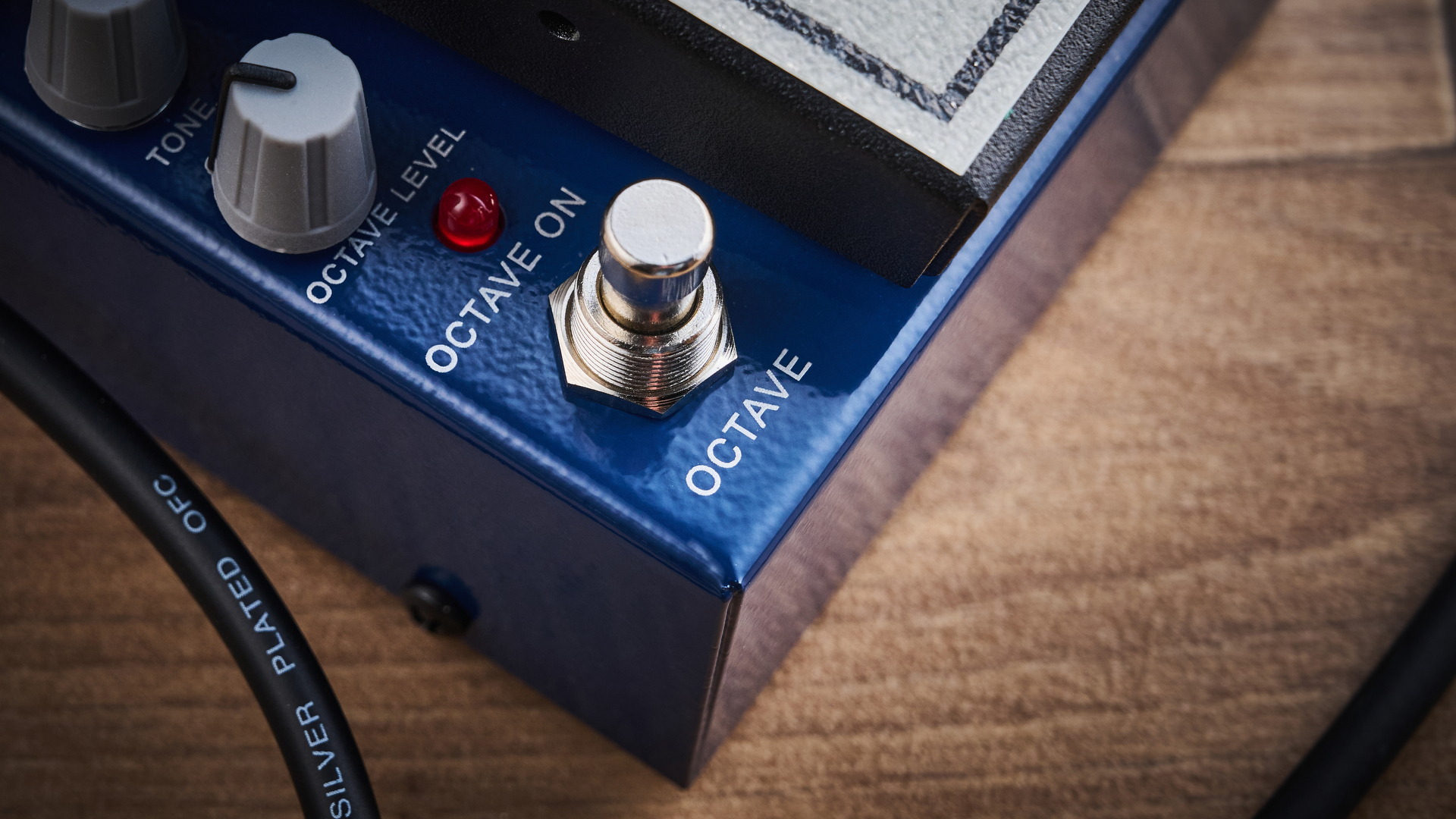
Perhaps the most significant ergonomic challenge lies in the proximity of the octave and fuzz effect switches. Positioned closely together on the pedal’s surface, these switches can feel cramped, particularly for individuals with larger feet or those wearing bulky footwear. While this is not an insurmountable obstacle, and pedal switch toppers can offer a solution, it does create a sensation of limited space during operation. Despite these minor drawbacks, the switchless wah mechanism itself is a triumph of design, offering a fluid and intuitive user experience that avoids the common pitfalls of mechanical wah pots.
Usability and Features: Streamlined Control for Complex Sounds
Despite packing three distinct effects into a single enclosure, the Morley x DOD Wah-ocTo-Fuzz is remarkably straightforward to operate. The control layout is kept intentionally minimal, focusing on core functionalities to avoid overwhelming the user.
The fuzz section, as previously mentioned, features Level and Intensity controls. These allow for effective management of the fuzz effect’s volume and gain, enabling players to achieve anything from a subtle grit to a full-blown roar. The straightforward nature of these controls makes it easy to dial in a desired fuzz tone quickly.
The octave circuit boasts a more comprehensive set of controls: Octave Level, Tone, and Direct Level. This triad of parameters offers a commendable degree of flexibility. The Octave Level knob dictates the prominence of the sub-octave effect, allowing for subtle enhancements or more pronounced octave doubling. The Direct Level knob is crucial for blending the octave signal with the player’s clean guitar tone, ensuring that the core sound remains intact. The Tone control then allows for fine-tuning the high-frequency content of the octave, adding another layer of sonic sculpting. This set of controls is well-balanced and provides ample room for experimentation.
The wah effect, true to Morley’s design ethos, operates without any dedicated controls on the pedal itself. The electro-optical system is activated and modulated solely by the treadle’s movement. The integration of a glow-in-the-dark strip on the treadle is a practical touch that significantly aids in stage navigation, a small but impactful feature for live performers. The absence of additional controls for the wah keeps the interface clean and focused on the core experience of manipulating the wah sweep.
Sounds: A Symphony of Glitchy Brilliance
The sonic capabilities of the Morley x DOD Wah-ocTo-Fuzz are where its true character shines. When tested with a Gibson Firebird and a Fender Telecaster, feeding into a Fender Blues Jr. amplifier, the pedal consistently delivered inspiring and often unexpected results.
The wah effect itself is classic Morley: wide, vocal, and responsive. It effortlessly transitions from glassy funk rhythms to soaring rock leads, providing a smooth and expressive sweep that is a joy to manipulate. The electro-optical design ensures a consistent and hassle-free performance, allowing players to concentrate on their musical expression. While it lacks tone-shaping capabilities, its inherent sonic character is so strong and pleasing that such additions are largely unnecessary. It functions as a direct, point-and-shoot wah that reliably delivers the desired tonal palette.
The fuzz circuit, drawing from the Morley Power Fuzz legacy, presents a raspy and assertive sound. In isolation, it can be perceived as somewhat thin, lacking the deep bottom-end heft of pedals like the Electro-Harmonix Big Muff. However, its strength lies in its ability to cut through a mix with a snarling high-end and abundant bite, making it suitable for lead work where clarity is paramount.
The octave circuit, however, is where the WTF truly distinguishes itself. The analog, monophonic nature of the FX35 Octoplus circuit injects a delightful dose of glorious imperfection. As single notes are played, a satisfying sub-octave growl emerges, often accompanied by subtle, pleasing wobbles and artifacts that add a unique character. This old-school analog grit encourages exploration, pushing players to discover new melodic and rhythmic territories. When chords are introduced, the FX35 can become almost synth-like, a characteristic that, while perhaps not for purists, is undeniably fun and opens up experimental possibilities.
The true magic of the WTF, however, unfolds when these individual effects are combined. Adding the octaver to the fuzz transforms the thin fuzz into a monstrous wall of sound. The low-end thickens considerably, imbuing the fuzz with a depth it lacked when used alone. This combination is instantly inspiring, capable of generating powerful riffs and a sense of sonic immensity that is ideal for genres like doom metal or heavy psychedelic rock.
Introducing the wah into this already potent mix creates further sonic alchemy. The ability to sweep the wah while the octave and fuzz are engaged can produce sounds reminiscent of a talk box or create complex, evolving textures that are highly dynamic. Whether the goal is classic funk-inspired wah, synth-driven doom, or simply to inject an element of unpredictable sonic exploration into one’s playing, the WTF proves to be an exceptionally versatile tool. It is not a pedal for the faint of heart, but for those who embrace its eccentricities, it offers an absolute blast of creative potential.
Verdict: A Masterclass in Collaborative Innovation
The Morley x DOD Wah-ocTo-Fuzz stands as a bold statement in the world of guitar effects. It is a pedal born from a willingness to cast aside conventional wisdom and embrace the unexpected, resulting in a product that wears its distinctiveness as a badge of honor. This collaboration successfully merges three potentially standard effects into a singular stompbox that is not only functional but also genuinely fun and inspiring to use.
The switchless wah is as smooth and intuitive as ever, a testament to Morley’s expertise. The fuzz, while perhaps a bit thin on its own, finds new life and formidable power when layered with the octaver, creating a glitchy, monstrous tone that is a wellspring of riff inspiration. The octave circuit, with its gloriously imperfect analog grit, harkens back to a cherished era of pedal design, offering a unique sonic character that modern, pristine octavers often lack.
While the pedal’s compact switch layout can feel a little cramped at times, and the desire for a tone control on the fuzz circuit persists, these are minor quibbles in the face of the immense character and creative potential the WTF delivers. The build quality is unmistakably Morley, robust and reliable, while the DOD-inspired aesthetics lend it a retro-cool charm that makes it a standout on any pedalboard.
More significant than the pedal itself is the precedent it sets. If Morley and DOD can successfully revive and reimagine the cult-classic Octoplus in such an inventive manner, it opens up a tantalizing vista of possibilities for future collaborations. One can only imagine the sonic mayhem that could ensue if Morley were to delve further into the DOD archives, perhaps fusing its wah with the infamous DOD Grunge distortion or the atmospheric swirl of the FX64 Ice Box chorus. The potential for further innovation is vast, and if the WTF is an indicator of what is to come, the future of pedal collaborations promises to be an exciting and wonderfully weird journey.
Ratings Scorecard
| Test | Results | Score |
|---|---|---|
| Build quality | Tank-tough and ready for abuse, but the switches are a little close for comfort. | ★★★★☆ |
| Usability and features | Surprisingly intuitive for a triple-effect pedal, though a fuzz tone knob would be welcome. | ★★★★☆ |
| Sounds | Bursting with character that’s glitchy, gritty, and inspiring, especially when stacking effects. | ★★★★☆ |
| Overall | Not perfect, but a creative powerhouse that makes you want to play and that’s the most important thing, right? | ★★★★☆ |
Also Try
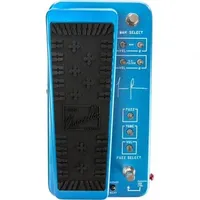
- Dr. No Effects RoadRunner: This boutique option offers a similar wah, fuzz, and octave combination but comes with a premium price tag. It’s a highly regarded unit for those seeking a high-end experimental pedal.
- Dunlop Cry Baby BB535: While primarily a wah pedal with adjustable tone modes, some iterations and related models from Dunlop have incorporated fuzz or octave elements, offering a more focused approach to individual effects.
- Dunlop JCT95 Justin Chancellor Cry Baby: This signature pedal, designed with bassists in mind, features two distinct filter modes and a spring-loaded treadle, similar to the WTF. It also includes a fuzz circuit, providing a potent combination of effects.
Hands-on Videos
The Morley x DOD Wah-ocTo-Fuzz has been featured in several hands-on demonstrations, offering visual and auditory insights into its capabilities. One notable video, titled "WTF Is A Wah-ocTo-Fuzz?", provides an in-depth look at the pedal’s functionality and sound, showcasing its unique sonic textures and collaborative spirit.
(Note: The original article did not contain a specific author biography, but for journalistic completeness, a placeholder author description has been included based on typical publication formats.)
By Daryl Robertson, Senior Deals Writer at MusicRadar.