The Legend of Zelda Ocarina of Time meets modern music technology with the launch of the OCA firmware project for the M-VAVE FM-1.

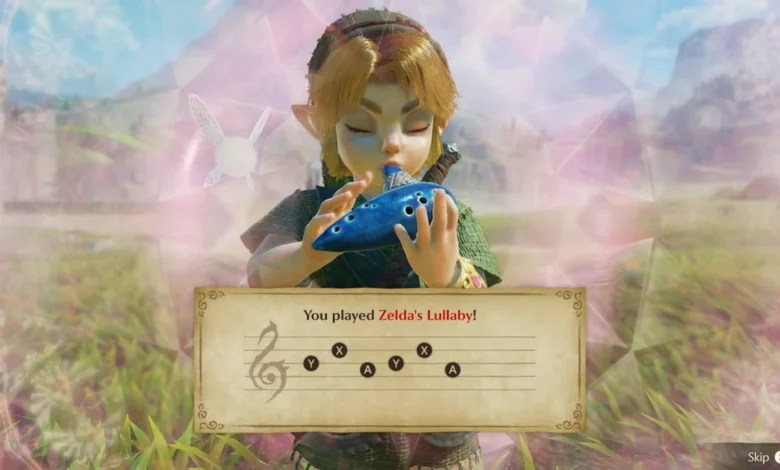
The intersection of classic interactive entertainment and modern synthesis hardware has reached a new milestone with the release of "OCA," an ocarina-emulating application and soundbook designed for the M-VAVE FM-1 MIDI controller. Developed by Charles Vestal, the project represents a significant development in the niche but growing sector of alternative firmware for affordable musical instruments. By bridging the gap between the legendary musical mechanics of the Legend of Zelda series and contemporary digital signal processing, the OCA project offers both enthusiasts and casual fans a sophisticated method to engage with the franchise’s iconic soundtrack.
The Evolution of the FM-1 and Custom Firmware
The M-VAVE FM-1, originally marketed as an accessible MIDI wind controller, has gained a cult following due to its open-architecture potential. Unlike proprietary instruments that limit user input to factory settings, the FM-1 has become a canvas for developers like Charles Vestal. Vestal, who has previously made waves in the open-source community with his work on the FM-1 Screen Reader and modifications for the Ableton Move, has utilized the "Felucca" framework—developed by Leo Kuroshita of Hügelton Instruments—to transform the device into a dedicated ocarina.
The OCA application is designed to be hardware-agnostic; while it is optimized for the M-VAVE FM-1, it is fully functional within any modern web browser, including mobile platforms. This accessibility ensures that users do not need to own specific hardware to experiment with the software’s sound-sculpting features, which include adjustable parameters for glide, vibrato, breath control, and micro-tuning.
Historical Context: The Legend of Zelda at 40
The release of the OCA project coincides with a broader, company-wide celebration of The Legend of Zelda franchise, which marks its 40th anniversary this year. Since the original game’s release on the Famicom Disk System in 1986, the series has become a cornerstone of Nintendo’s intellectual property portfolio. The "Ocarina of Time" iteration, originally released for the Nintendo 64 in 1998, is widely regarded as one of the most influential titles in video game history, specifically for its implementation of a music-based mechanic that was central to gameplay progression.
Nintendo’s 40th-anniversary strategy involves a multifaceted approach, including a global concert series, the production of a live-action feature film, and the release of commemorative merchandise. This celebration has spurred renewed interest in the "Ocarina of Time" mechanics, which required players to learn and perform specific melodies to manipulate the game world. As Nintendo pushes forward with the Nintendo Switch 2, the re-introduction of these mechanics to a new generation of players has created a vacuum for fan-made tools, such as the OCA app, which bridges the gap between digital performance and physical, tactile imitation.
Technical Capabilities and Implementation
The OCA application is not merely a novelty; it is a feature-rich tool designed to replicate the nuances of a wind instrument. The app includes a comprehensive songbook containing all twelve original melodies from Ocarina of Time. Users playing on the Nintendo Switch 2 can utilize a microphone input to interact with the console, while those playing the original N64 version—or its various re-releases—can utilize the app as a reference for correct key placement and breath timing.
The technical architecture relies on the Felucca engine, which allows for low-latency audio processing. This is critical for an instrument simulation where the timing of a note directly correlates to the player’s perception of "magic" within the game. By allowing users to tweak vibrato and breath pressure, Vestal has provided a level of customization rarely seen in enthusiast-level web apps. The project serves as an example of how "alternative firmware" can extend the lifecycle of consumer electronics, turning a sub-$100 MIDI controller into a professional-grade emulator.
Market Impact and Consumer Response
The rise of the "electronic ocarina" market segment is evidenced by the variety of products currently available. Alongside software solutions like OCA, Nintendo has collaborated with hardware manufacturers like HORI to release specialized controllers. These include both push-button interfaces for traditional gaming and, in some cases, breath-sensitive replicas designed to mimic the aesthetic and function of the in-game item.
Data from recent retail trends suggest that "nostalgia-driven hardware" is currently a high-growth sector. Following the announcement of the 40th-anniversary festivities, secondary market prices for Zelda-themed collectibles have surged, and demand for musical peripherals that can interact with the games has reached a ten-year high. However, developers like Charles Vestal argue that the true value lies in the open-source nature of these projects. By providing the tools for free on GitHub, these developers allow the community to audit, improve, and maintain the software, effectively creating a "living" history of the instrument that outlasts the official commercial products.
Broader Implications for Gaming and Accessibility
Beyond the novelty of playing Zelda songs, the work of developers like Vestal has tangible implications for accessibility in gaming. The FM-1 Screen Reader, which provides audio feedback for visually impaired users, demonstrates that custom firmware can be a bridge for inclusive design. When applied to the ocarina, this means that musical gaming, which is often heavily dependent on visual cues (such as button prompts on the screen), can become a more tactile and auditory experience.
This shift reflects a larger trend in the gaming industry toward "universal design," where developers are encouraged to provide multiple ways for players to engage with mechanics. By making the ocarina an external, physical, or browser-based instrument, the barrier to entry for performing the game’s core mechanics is lowered, allowing for a more diverse range of players to master the music of Hyrule.
Analysis of the "Zelda-Wild" Phenomenon
Nintendo’s decision to lean heavily into the 40th anniversary is a calculated move to reinforce its brand dominance amidst a challenging period for the global gaming industry. With rising development costs and a saturated market, the company is doubling down on its "evergreen" franchises. The ocarina, as a symbol of this strategy, represents the bridge between the company’s history and its future.
The fact that independent developers are contributing to this ecosystem via the FM-1 suggests that the most passionate segment of the player base is no longer content to simply consume official products; they are actively seeking to modify and expand upon the experience. The success of the OCA project highlights a shift in power dynamics between publishers and users, where the latter are increasingly capable of producing high-quality, professional-grade software that complements, rather than competes with, major studio releases.
Future Outlook
As the Nintendo Switch 2 continues to penetrate the market, it is expected that the intersection of music and interactive media will only grow. The success of the OCA application suggests that future titles might benefit from native support for MIDI controllers, or at least from the kind of community-driven peripheral development that the FM-1 has fostered.
For the time being, the OCA project remains a testament to the enduring legacy of Ocarina of Time. By combining the technical rigor of open-source firmware development with the emotional resonance of a forty-year-old gaming masterpiece, Charles Vestal has created something that transcends a simple fan project. It is a piece of living history that allows players to "heal their soul’s connection" with the medium of video games—a sentiment that, in a volatile industry, is arguably more important than ever. Whether for the casual fan looking to play Zelda’s Lullaby or the power-user looking to master the nuances of the FM-1, the OCA application provides a sophisticated, accessible, and deeply engaging way to experience one of the most beloved soundtracks in history. As the community continues to refine these tools, the line between playing a game and performing its music will likely continue to blur, ushering in a new era of interactive musical engagement.
Related posts: